
Are you desperate for some fresh air and freedom?
We’ve compiled a list of outdoor oddities in the UK that we would love to visit.
No long flights, no crowded spaces, just open air and something to puzzle over.
Fingal’s Cave, Isle of Staffa, Scotland
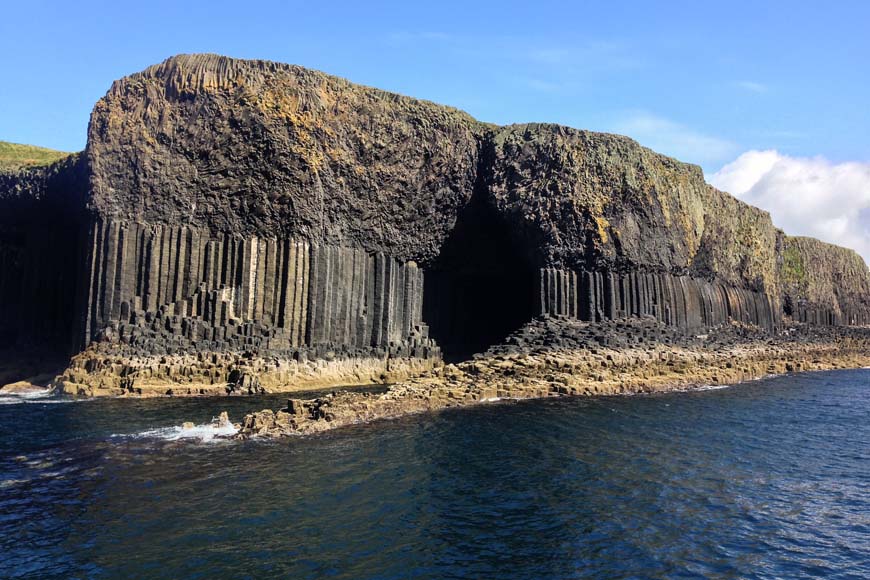
If remote is what you crave, this uninhabited island really fits the bill. It’s home to a sea cave known to the Celts as Uamh-Binn or ‘The Cave of Melody’ because of its eerie acoustics which have inspired such diverse talents as Mendelssohn, Jules Verne and Pink Floyd.
What makes the place special is the hexagonal columns of basalt, like those of the Giant’s Causeway, which form neat, six-sided pillars. These columns make a rough walkway just above the water level, making it possible for the sure-footed to enter the cave.
Too energetic? Then take a cruise which will get you to the mouth of the cave, though boats cannot actually enter. During the summer months, watch out for nesting puffins.
Puzzlewood, Forest of Dean, Gloucestershire
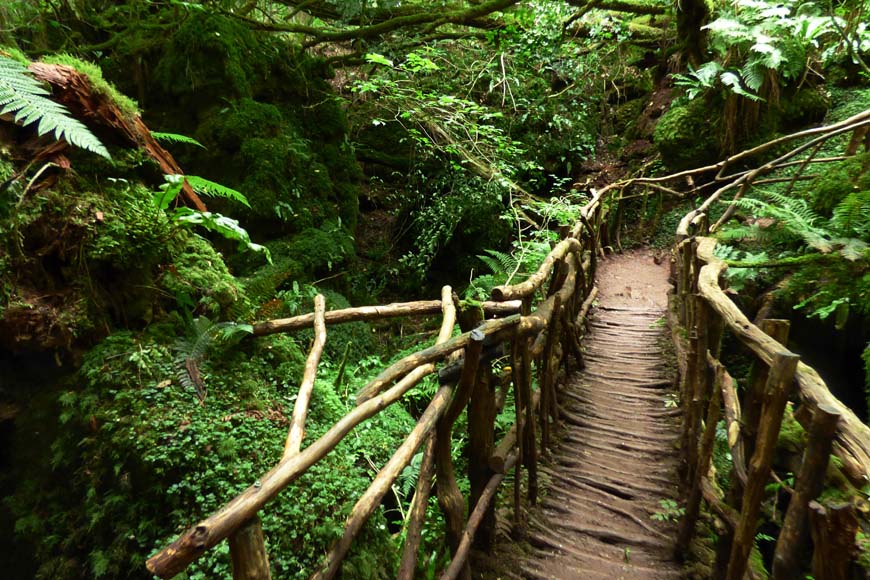
Thought to have been the inspiration for Tolkein’s Lord of the Rings, Puzzlewood is miles of moss-covered rocks, narrow bridges and extraordinary rock and tree formations which are truly magical. There’s even the chance of buried treasure – 3,000 coins from the Roman occupation have been uncovered there, and who knows what else lies beneath.
There are picnic areas and playgrounds, but also miles of wooded pathways so you can keep your distance from everyone else.
Wistman’s Wood, Devon
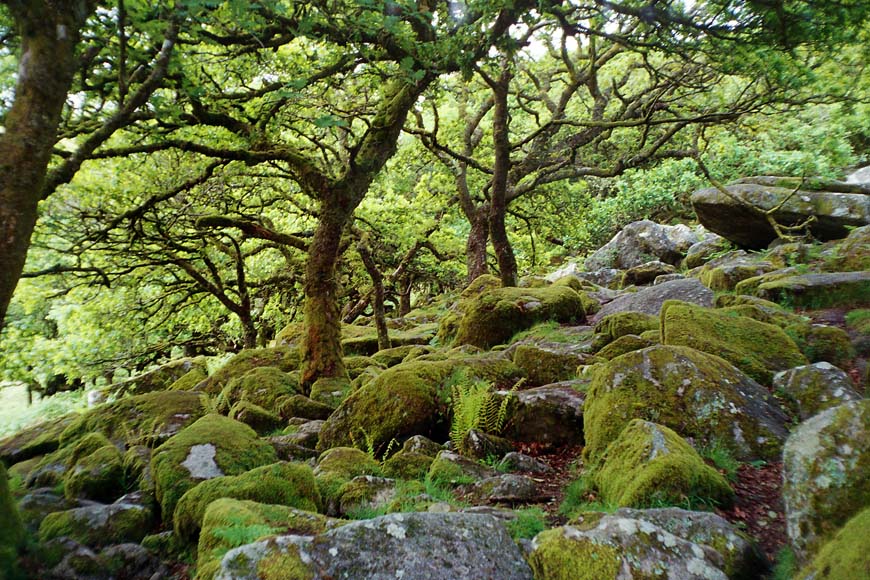
In similar vein, this tangled forest looks like something out of a fairytale, and it’s no wonder tales of the supernatural abound.
The most told myth involves hellhounds and druids. Packs of fierce ‘Wisht Hounds’ with red eyes and a taste for blood are said to roam the area, while druids used to worship – maybe even sacrifice – around the many stones.
In fact the ancient forest has been largely left to grow wild, free of any interference by man or beast, so it’s tricky to get around. Moss-covered boulders create countless small crevasses, and there are plenty of places to trip and fall. So if you do attempt it, let someone know where you are going.
The Dark Hedges, County Antrim, Northern Ireland
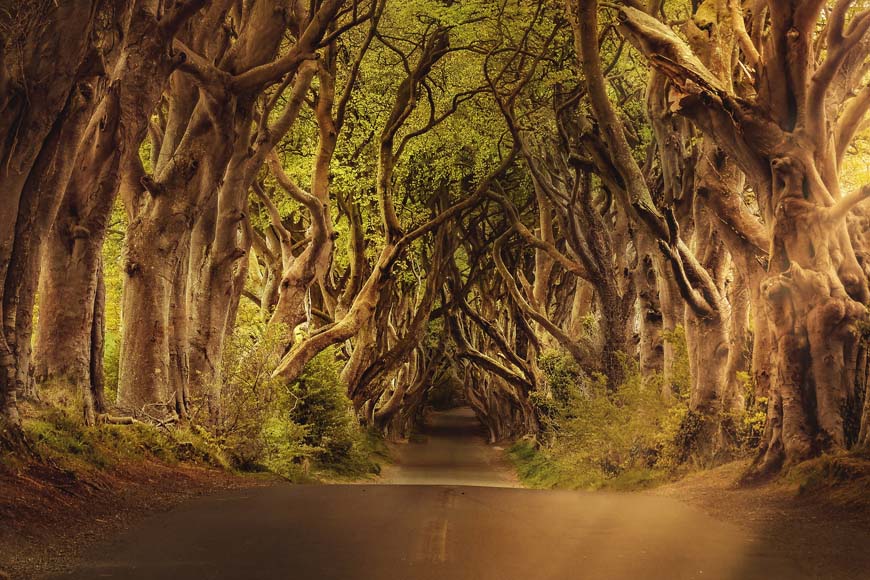
A familiar location for Game of Thrones fans, this country lane has a spooky atmosphere by night and day, but it was never intended that way. The original planting of beech trees in the 18th century by the Stuart family was designed to create a majestic and scenic route to their estate.
But nature took over and the branches and trunks began to bend, creating a tree tunnel of extreme spookiness which you can now drive through. Just watch out for the Grey Lady who’s said to float among the trees …
Ruined Victorian Folly, London
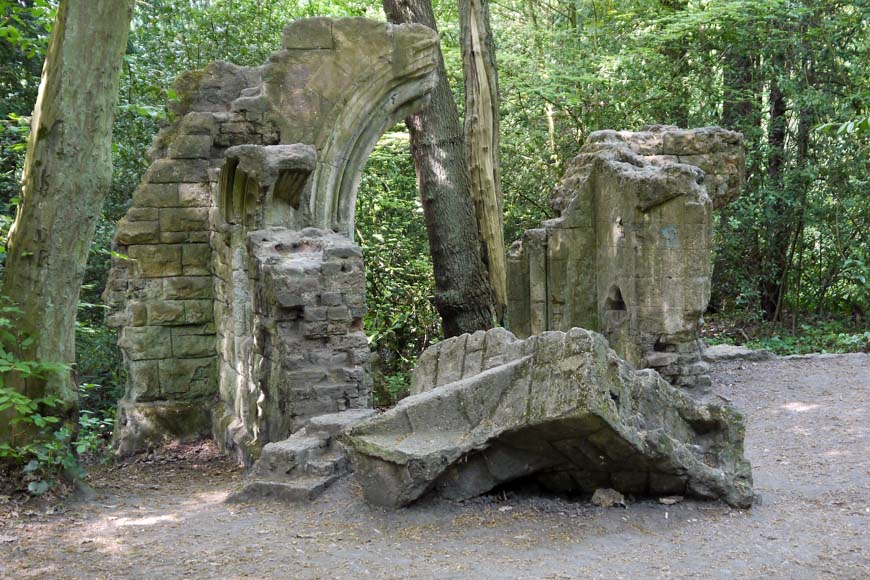
Alderman David Henry Stone, Lord Mayor of London in 1874, built this architectural mish-mash on what was his Fairwood Estate. Now the remains of an archway, rockery and ornamental stream can be seen near Sydenham Golf Course, via muddy paths that snake through Dulwich Woods.
A timely reminder that nature will always reclaim what humans leave behind.
Whitby Abbey, Yorkshire
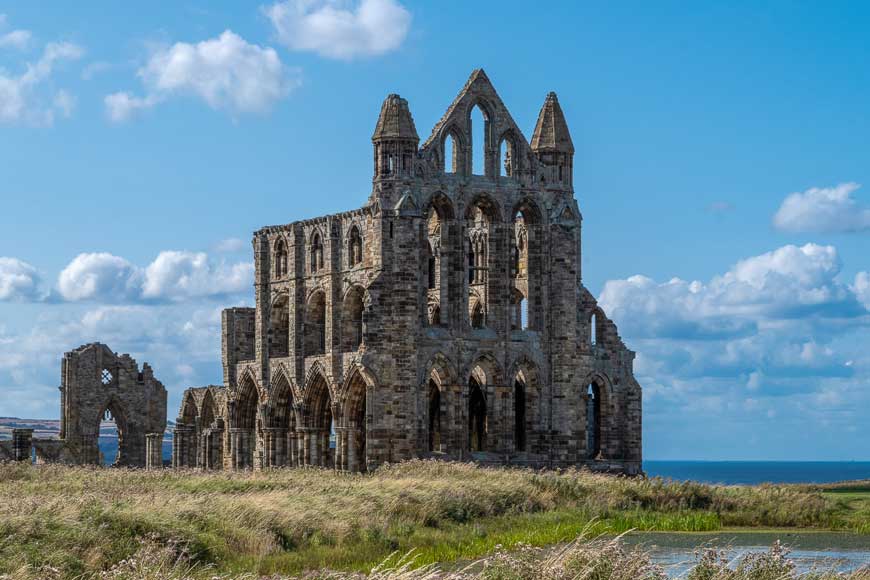
Ruins that inspired Bram Stoker’s Dracula still stand on the rocky clifftop, a dramatic silhouette against the skyline. They’re now more famous for their goth association than the original monastic building, which was destroyed during the reign of Henry VIII.
A stiff climb up from the seaside town rewards you with wonderful views and bracing, fresh air.
The Real Greenwich Meridian, London
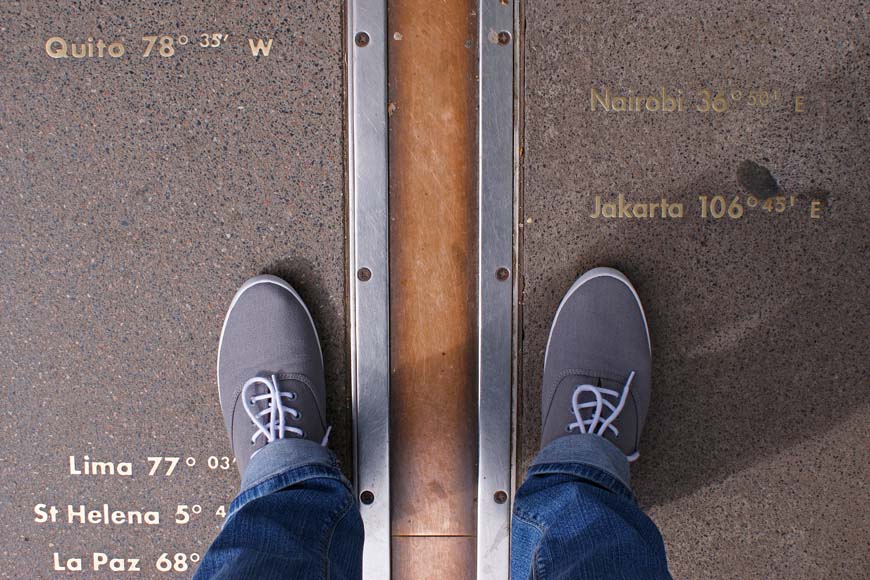
Every year thousands of people flock to the Greenwich Observatory to pay homage to Sir George Airey who established the Meridian Line as the navigational standard in 1851.
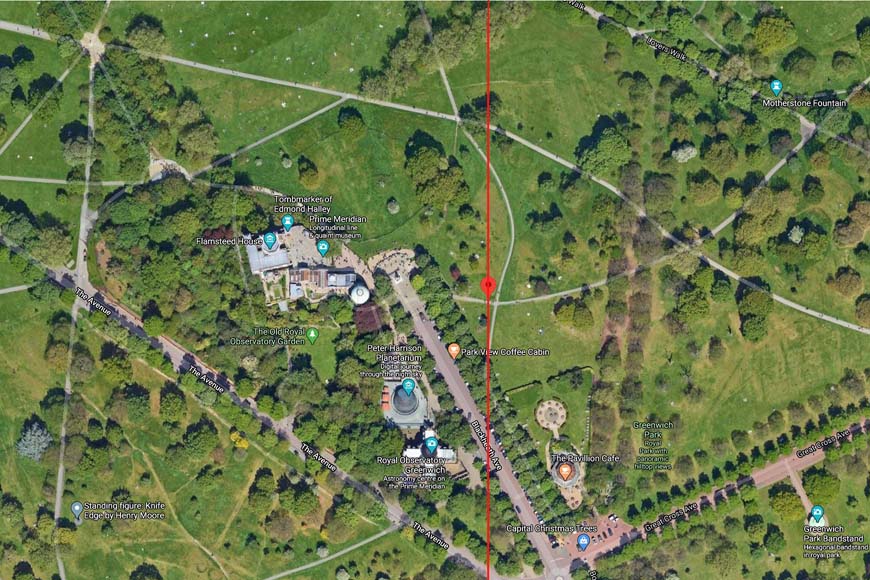
But those in the know, and with GPS wizardry, will note that the meridian line everyone rushes to photograph is, because of understandable inaccuracies in the equipment that was around in those days, a few feet west of where it actually should be.
So don’t follow the crowds. Instead, stroll in nearby Greenwich Park and take a picture there instead!
Fairy Rock, Whitehaven, Cumbria
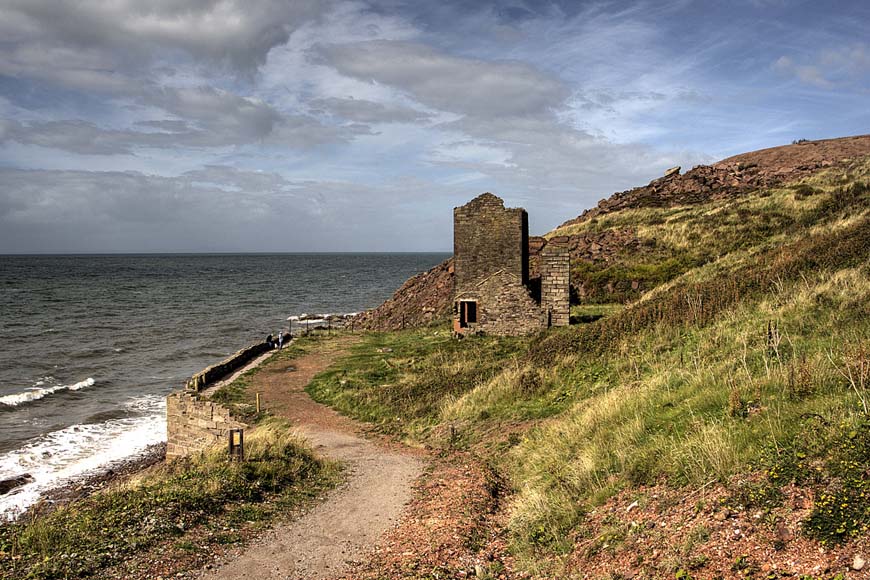
The engine room of deserted Saltom Pit at the foot of Fairy Rock is under threat, some say because rainfall is slowly eating away at its shale and coal base, others that a grieving fairy is exacting revenge for the loss of her lover.
The grottoes in Fairy Rock were said to be home to human-sized fair-folk who wore white robes and would invite handsome young men to their dances. One such man pledged his undying love to the Queen of the Fairies, but when he tried to visit her on a moonless night he was killed and his body washed out to sea. Legend says the fairy’s moans can still be heard when storms lash the coast.
What is certain is that much of Fairy Rock fell into the sea during a storm in 1872, but it can still be seen, even if the fairies cannot.
Stanton Drew Stone Circles, Somerset
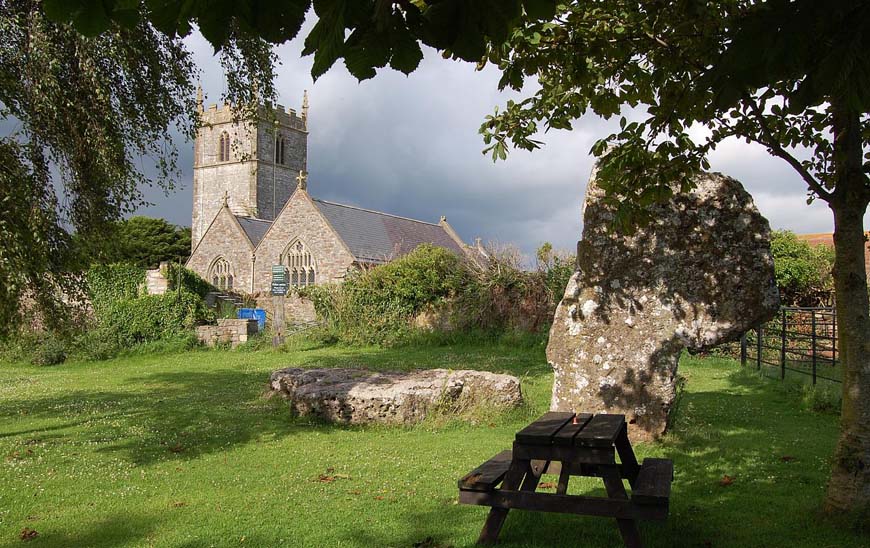
A group of prehistoric megaliths, a few miles south of Bristol, have a bittersweet legend attached to them. A wedding was being celebrated when an unknown fiddler, dressed all in black, started to play. The party-goers danced till dawn, and as the sun rose they were all turned to stone. In the nearby garden of The Druid’s Arms pub is a group of three smaller stones – supposedly the bride, the groom and the drunken clergyman lying at their feet.
Those last three stones, known as The Cove, have been dated to as far back as 2,000 – 3,000 BC. That’s a mighty long time to be waiting for the Devil to come back and play again.
Let us know if you have any unusual destinations on your list.
Not based in the UK? Don’t worry, Atlas Obscura has an amazing list of strange, and often haunting, places to visit all around the world.
Some images reproduced under Creative Commons licence
Where to next?
• Island Life – Orkney
• Seaside stroll – A History Walk
• 13 beautiful and inspiring ghost towns around the world