
It’s been a long time coming, but demand for holidays in the UK is soaring with trips abroad often working out cheaper than staying at home.
But travel regulations are always changing, so before you grab the passport, you’d better do your homework. Don’t rely on your memory of ‘how it used to be’, this is your ultimate travel checklist of the most important things to be sure you have covered.

And the best place to start is always the UK government’s foreign travel advice section on their website.
Passports
Broadly speaking, wherever you go, you need an up-to-date passport, issued less than 10 years before the date you enter the country, with three to six months left to run.
This means that if you plan to stay in a country for two weeks, your passport may need to be valid for at least six and a half months from the date you arrive.
Some countries ask for more leeway and may have other restrictions, such as requiring a certain number of blank pages, so always check.
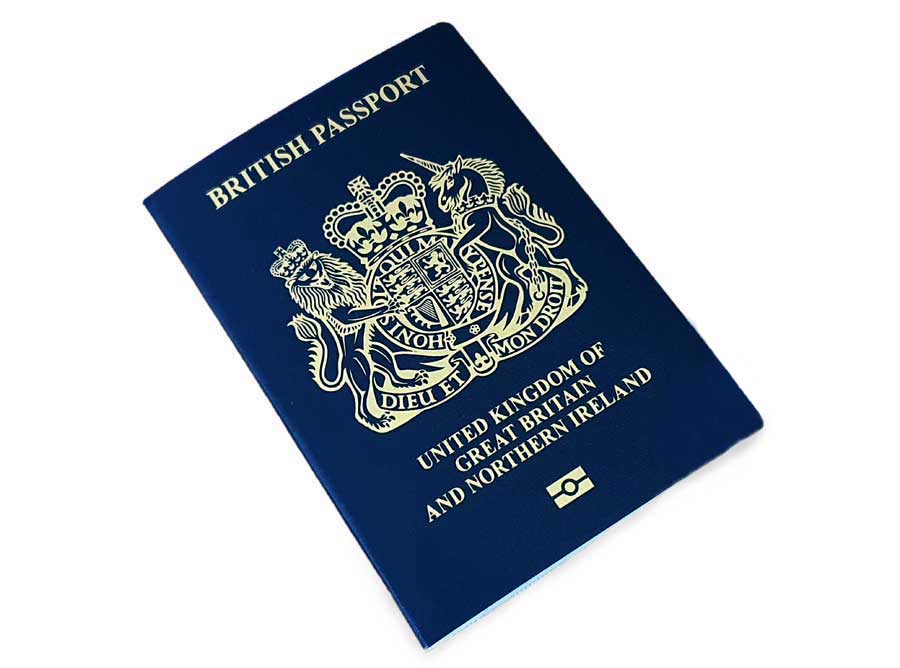
If you have dual nationality, it’s advisable to travel with both passports. It’s not a legal requirement but you may hit delays when you return to the UK if you don’t have your British passport with you.
Visas
Visas, or visa waivers, are required for America and many other countries around the world.
And the situation for UK holidaymakers in Europe has become a little more complicated since Brexit.
You don’t currently need a visa for holidays to the EU or countries in the Schengen area, as long as you stay for 90 days or less in a 180-day period. This is plenty for most of us, but an issue if you like taking longer breaks!
You can travel to more than one country in that 180 day period but the 90 day rule applies to ALL the following countries:
Austria, Belgium, Bulgaria, Croatia, Czech Republic, Cyprus, Denmark, Estonia, Finland, France, Germany, Greece, Hungary, Iceland, Italy, Latvia, Liechtenstein, Lithuania, Luxembourg, Malta, Netherlands, Norway, Poland, Portugal, Romania, Slovakia, Slovenia, Spain, Sweden, and Switzerland.
Make sure your passport is stamped at the border, at every country you visit, as this is how you can prove you’re within the rules. A new Entry Exit System (EES) is due to be introduced in the autumn of 2024 which will replace stamping with biometric scanning.
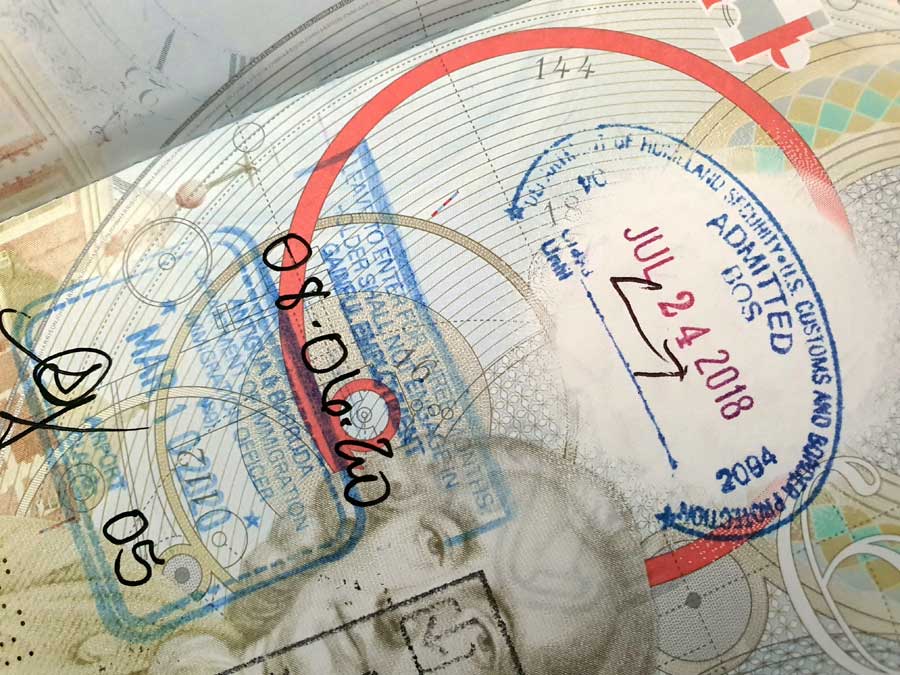
Sometime in 2025 the European Travel Information and Authorisation System (ETIAS) is to be introduced. After this, UK travellers will need to have a ETIAS waiver to travel to an EU country, even for a short trip.
It’s expected to be a simple, online process that you complete before you travel, but the exact details and costs are yet to be confirmed.
Vaccinations
Don’t mess with your health!
Even the most popular destinations, with similar public health and safety protection in place as at home, can throw up a few surprises.
Always check any possible health alerts before you go and take all the necessary, preventative steps.
If Covid did one good thing, it’s made us all more aware that the health of one is the health of all.
Insurance
At the risk of repeating ourselves, always:
• Buy the best you can afford
• Check the small print of what is and isn’t covered
Restricted items
All countries have en extensive list of things you can’t bring in, most of which are obvious (firearms etc).
But don’t be caught out by some of the more unusual ones. For example, you can’t take meat and milk, or any products containing them, into EU countries and many countries have limits on fruits and vegetables.
There are some exceptions for baby food and medical diets, and it’s not a major issue for most of us but make sure you don’t bring a pork pie for a picnic!
Liquids in hand luggage
And finally a bit of good news. The longstanding limit of just 100mls of liquid in carry-on bags, is slowly being removed at airports around the world. In the UK, London City and Teeside have already scrapped it and others will follow as new scanning equipment is installed.
But for now, stick to it. Even if the airport you fly from doesn’t require it, the one you’re heading to may still have it in force.
Hang on to those clear bags and mini containers for a little bit longer!
So where will you be travelling this year?

It’s likely you’ll be heading for one of the seven most popular holiday destinations for UK travellers, so here’s our handy guide for the magnificent seven.
Spain

Passport
Schengen area rules apply. Your passport must be:
• Issued less than 10 years before the date you enter the country
• Valid for at least 3 months after the day you plan to leave
At Spanish border control, you may need to:
• Show a valid return or onward ticket
• Show you have enough money for your stay.
• Show proof of accommodation for your stay. If you are staying with friends or family, the “carta de invitation” is one option to provide this proof. The form is available through the Spanish Ministry of the Interior
Travel between Spain and Gibraltar can sometimes be delayed because of border checks, but there is no charge to do this. You should not hand over money if you’re approached by anyone claiming that there is a charge!
Visa
You may stay up to 90 days in any 180-day period without a visa.
Visitors to Spain from the UK are advised to use the desks staffed by border officers. If you are aged 18 and over, airport staff may instruct you to use the E-gates, but if you do, you need to make sure you still get your passport stamped by a border officer.
France

Passport
Schengen area rules apply. Your passport must be:
• Issued less than 10 years before the date you enter the country
• Valid for at least 3 months after the day you plan to leave
At French border control, you may need to:
• Show proof of where you intend to stay, for example, a booking confirmation or proof of address if visiting family, friends or your own property
• Show a return or onward ticket
• Prove that you have enough money for the duration of your stay.
Visa
You may stay up to 90 days in any 180-day period without a visa.
Insurance
At the border, you may have to show proof of insurance for your trip.
Other requirements
Travellers, even holidaymakers, are subject to the current limits on certain goods that you can bring into France. Check out the full list here
Greece

Passport
Schengen area rules apply. Your passport must be:
• Issued less than 10 years before the date you enter the country
• Valid for at least 3 months after the day you plan to leave
At Greek border control, you may need to:
• Show a return or onward ticket
• Prove that you have enough money for the duration of your stay.
Visa
You may stay up to 90 days in any 180-day period without a visa.
Other requirements
According to Greek law, a visitor can bring up to 5 different prescribed medicines for personal use, with a maximum of 2 boxes of each medicine.
Some prescribed and over-the-counter medicines available in the UK, including medication containing codeine, are considered controlled substances in Greece.
A doctor’s prescription is required in these cases, and you may even need to get permission from the Greek National Organisation of Medicines.
Portugal

Passport
Schengen area rules apply. Your passport must be:
• Issued less than 10 years before the date you enter the country
• Valid for at least 3 months after the day you plan to leave
At Portuguese border control, you may need to:
• Show a return or onward ticket
• Prove that you have enough money for the duration of your stay.
Visa
You may stay up to 90 days in any 180-day period without a visa.
On arrival and departure you can use the staffed immigration booths or, if you are aged 18 and over, the E-gates, but make sure you hand your passport for stamping to the border officer after you have passed through the E-gate.
Italy

Passport
Schengen area rules apply. Your passport must be:
• Issued less than 10 years before the date you enter the country
• Valid for at least 3 months after the day you plan to leave
At Italian border control, you may need to:
• Show proof of your accommodation
• Show a return or onward ticket
• Prove that you have enough money for your stay
Visa
You may stay up to 90 days in any 180-day period without a visa.
Make sure your passport has been stamped appropriately for any previous visits to Schengen countries.
If relevant entry or exit stamps are not in your passport, Italian border guards may presume that you have overstayed your visa-free limit. But if you can show evidence of when and where you entered or exited the Schengen area, with tickets or boarding passes, you can ask the border guards to add this date and location in your passport.
Insurance
You may be asked to show proof of insurance for your trip when you enter Italy.
Other requirements
If you are visiting a healthcare facility such as a hospital ward, care home, or doctor’s office, you must wear a FFP2 mask. Although you do not need a negative COVID test to enter the country, you may be asked to provide one when visiting a medical facility or similar building.
Under Italian law, under-18s cannot check into hotels or holiday accommodation without an accompanying adult.
USA

The rules of entry to America have always been challenging, and we’ve spent many long hours in immigration queues at US airports!
Passport
Your passport should be valid for the proposed duration of your stay, you don’t need any extra period of validity.
If you travel to the USA a lot, you might like to know the US Customs and Border Protection programme Global Entry gets pre-approved travellers through border control faster at some US airports.
If you’re a British citizen you can register to get a UK background check on GOV.UK and if you pass, you’ll be invited to apply for Global Entry.
Visa
You will need to get a visa or an Electronic System for Travel Authorisation (ESTA) visa waiver to enter or transit the USA as a visitor. ESTA waivers cost $21 and must be paid for online, by credit card. They last 2 years or until your passport expires.
Check the official US Homeland Security website for up-to-date information.
But if you have travelled to Iran, Iraq, Libya, North Korea, Somalia, Sudan, Syria and Yemen anytime since 2011, or have visited Cuba, you are not usually eligible for the ESTA and will need to apply for a visa instead.
If you do need a full visa, be aware that there are limited apppointments available at the US Embassy in London, so you need to apply well in advance.
For current advice for British citizens, check the UK government website
Republic of Ireland

Passport
Ireland, along with the UK, is a member of the Common Travel Area so British nationals travelling from the UK don’t need a passport to visit Ireland, BUT immigration officers will check the ID of all passengers arriving by air from the UK and may ask for proof of nationality, particularly if you were born outside the UK.
So it’s best, and easiest, to take your passport with you anyway.
If you’re using a passport to enter Ireland, it should be valid and in date, but British and Irish citizens do not require any travel documents when crossing the land border on the island of Ireland.
So, where are you heading and have you got all your paperwork ducks in a row?
Disclaimer:
information correct at the time of writing but we are not immigration experts, so please check the relevant, official sources.
Image credits: rosemaryandporkbelly, Pixabay, Unsplash
Where to next?
• Tips for getting the best flight deals
• Questions to ask yourself before you travel
• Odd things people can’t live without on holiday
Thank you for all the information on entry into EU countries, good to know.
Hi Valerie, Glad you found it useful. The picture keeps changing, and we do our best to update when new rules apply!