
For decades, Spain has been near the very top of holidaymakers’ wish list.
And why not?
It’s the perfect blend of sun, sea, and civilisation.
But some places are suffering a backlash, with increased tourist taxes, protests against overtourism and limits on cruise liners and accommodation.
But does that make Spain the least tourist-friendly European destination?
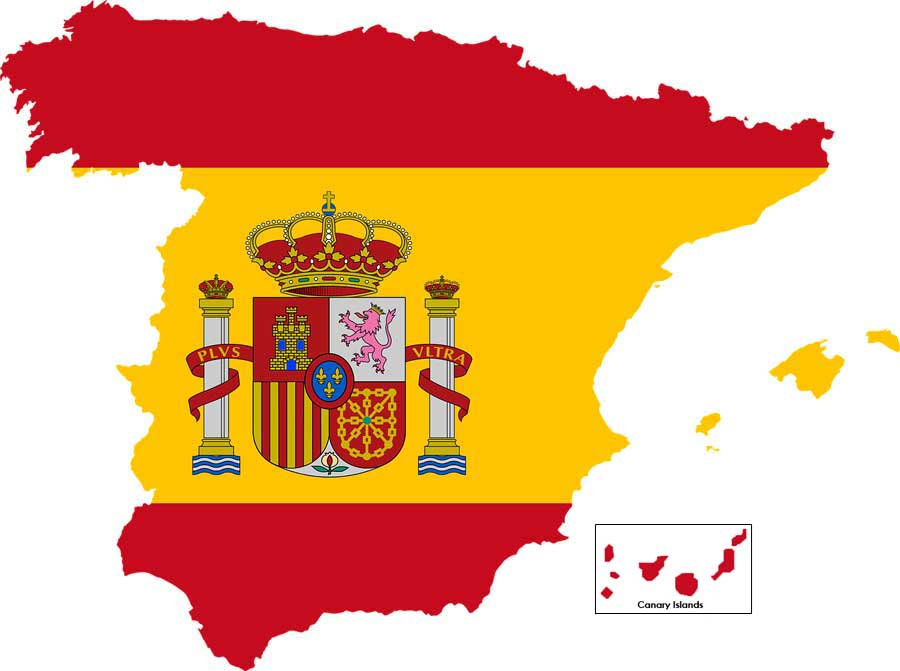
Just how popular is Spain?
In 2023, Spain was the second most visited country in the world, with more than 85 million tourists, with over 17 million coming from the UK alone.
Madrid and Barcelona are the biggest draws, with Ibiza, Majorca and Tenerife close behind.
So what’s the problem?
In recent years the effects of over-tourism, and concerns amongst local people about the impact of holidaymakers, digital nomads and ex-pats, have led to a change of mood in some regions of the country.
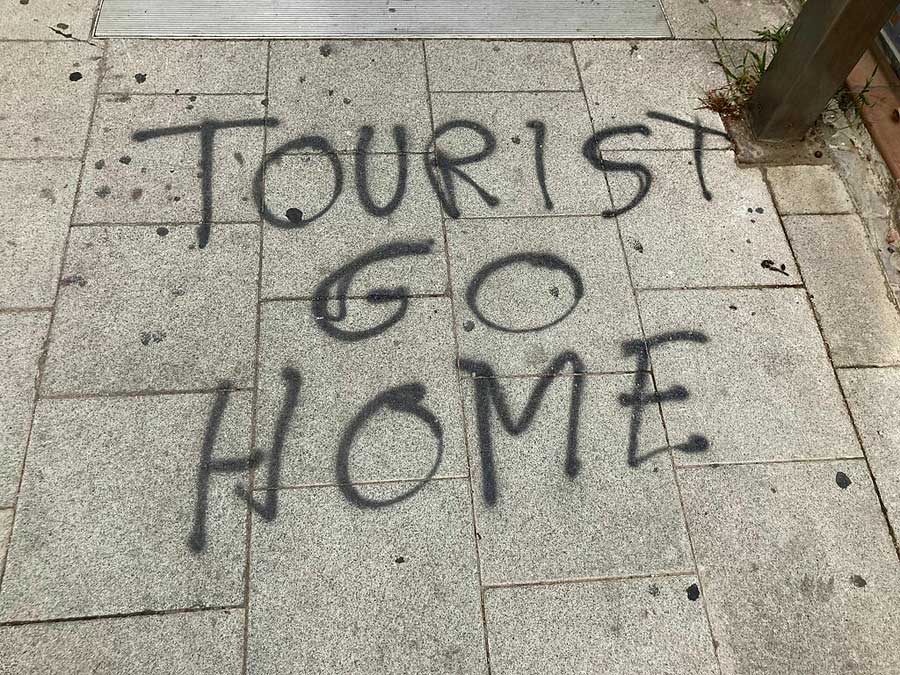
Locals are feeling frustrated by overcrowding, disruption from short-term rentals (like Airbnb), and excessive partying and street drinking. Anti-tourism graffiti has appeared in cities like Barcelona and Cádiz.
There’ve been marches in the Canary Islands, Seville and San Sebastián and tourists in Barcelona were squirted with water pistols.

Then came the six-drink rule for party hotspots in the Balearic Islands, and now Malaga, which already limits Airbnbs in some districts, is looking to reduce short-term lets in areas it describes as ‘over saturated’ with tourists.
Malaga is also about to launch a review of its ban on any new bars and restaurants opening in the Acoustically Saturated Zones, a ban which came into force in 2019. If the measure has been successful in reducing noise in these bustling districts, it could be extended for longer.

So is Spain no longer a desirable holiday destination?
Spain is still unbeatable for many UK travellers.
It’s accessible, affordable and has amazing natural wonders, architecture and history.
Whilst some tourists say they’ve felt unwelcome due to protests, others continue to visit without encountering any hostility. This mixed reception indicates that anti-tourist sentiment is not universal across Spain.
Many locals emphasise sustainable tourism rather than outright opposition. They’re asking their own authorities for regulations that encourage responsible visitor behaviour and fair housing policies to keep the balance.
Despite challenges, Spain recognises the benefits to its economy of tourism, which contributes around 12% to its GDP. Authorities are trying to strike a balance by encouraging higher-quality tourism, prioritising longer stays over short, high-volume visits, boosting local spending while reducing strain on resources.
But, as travellers, surely it’s up to us to make sure we are welcome in any country we visit, not just Spain, and we should be taking into account a whole range of factors when planning where to spend our hard-earned holiday money.

Head for the less well-known areas, and you’re guaranteed a warm welcome.
Learn a bit of the language and understand the local culture and customs, and you’ll fit in just fine.
If you’re going all-inclusive, because it is great value, think about taking a few side trips for activities, meals and shopping outside the complex, to spread your spending money wider.
And if you’re self-catering, shop as local as you can – you’ll discover amazing dishes and ingredients, and maybe a recipe or two to bring home.
In short, don’t strike Spain off your holiday list just because of a few rumbles.
Tread lightly, and you’re sure to have a wonderful time.
Before you travel, find out more:
Check the latest advice for travellers with the UK Government and go for it!
Spain’s Official Tourism Website: Spain.info is the official site for the country, offering extensive resources on destinations, events, gastronomy, and travel tips.
Andalusia Tourism: The regional portal Andalucia.org provides information on cities like Seville, Granada, and Malaga, covering cultural events, natural parks, and culinary experiences.
Barcelona Tourism: Visit Barcelona is the official guide for the city, offering details about attractions, cultural activities, and practical travel advice.
Madrid Tourism: esmadrid.com is the go-to resource for Madrid, with information on events, museums, dining, and more.
Visit Valencia: The official website Visit Valencia includes guides to events, museums, gastronomy, and sustainable tourism options.
Welcome to Seville: Focusing on this Andalusian city, Welcome to Seville provides travel tips, itineraries, and detailed guides on monuments and experiences.
Hello Canary Islands – The official tourism site for the Canary Islands provides comprehensive information about all the islands. Hello Canary Islands includes info about Tenerife, Lanzarote, Gran Canaria, and others. It covers activities, events, and travel tips.

Where to next?
• Overtourism and Golden Visas
• Wanderlust in your 50s and beyond
• Protests against tourists grow