
From Sun, Sand, and Sangria to Slow, Sustainable Sojourns …
It was while listening to an article about the turn of the new millennia on BBC Radio 4 that got me thinking about how travel has changed in the last 25 years.
Picture the year 2000. We were all drinking alcopops, listening to Oops!… I Did It Again, and buying package holidays with gusto. Back then, a British holidaymaker’s life was simple. You went to a high street travel agent, picked up a glossy brochure filled with images of pristine beaches and turquoise pools, and booked a week of sun, sand, and all-you-can-eat buffets in Benidorm or the Costa del Sol.
Ah, simpler times.
But the travel landscape has shifted dramatically since then. So let’s dust off our passports, buckle up, and take a journey through the last 25 years of British holiday habits, from the heyday of package deals to the rise of sustainable travel, quirky trends, and the not-so-warm reception we’ve received in some corners of the globe.

2000s: The Era of the Package Holiday
In the early 2000s, package holidays were the bread and butter of British travel. The formula was foolproof: fly to a sunny spot, plonk yourself by the pool, and make the most of the hotel’s all-inclusive bar. Resorts in Spain, Greece, and Turkey were bustling with us Brits soaking up the sun, sporting lobster-red tans, and indulging in a daily round of karaoke. The Canary Islands became a sort of unofficial British embassy in the Atlantic, with Tenerife leading the charge.
But as the decade wore on, something changed. Low-cost airlines like Ryanair and easyJet made it cheaper than a Friday night kebab to fly across Europe. Suddenly, we weren’t just sun-seekers; we were intrepid explorers. Okay, maybe “explorers” is pushing it, but we did start piecing together our own DIY holidays. Why let a travel agent have all the fun when you could book your own flights and choose an Airbnb with a view? Some even embraced the odd “mystery holiday” trend, where you booked a package without knowing the destination. Thrilling or reckless? You decide.
2010s: Wanderlust, Overtourism, and the Offbeat
The 2010s ushered in the age of wanderlust, fuelled by Instagram envy and the irresistible allure of budget travel. Everyone was desperate to be the first to discover the next ‘hidden gem’ – though, ironically, these gems were often only hidden for about five minutes before becoming the subject of every influencer’s feed.
Cities like Barcelona, Venice, and Amsterdam saw an influx of British tourists keen to tick them off their bucket lists. But not everyone was thrilled about it. Residents started grumbling about overcrowding, skyrocketing rents, and streets clogged with selfie sticks. Anti-tourist sentiment boiled over, with graffiti cropping up that read “Tourists go home” and, in Venice, gondoliers struggled to navigate canals filled with more humans than water.
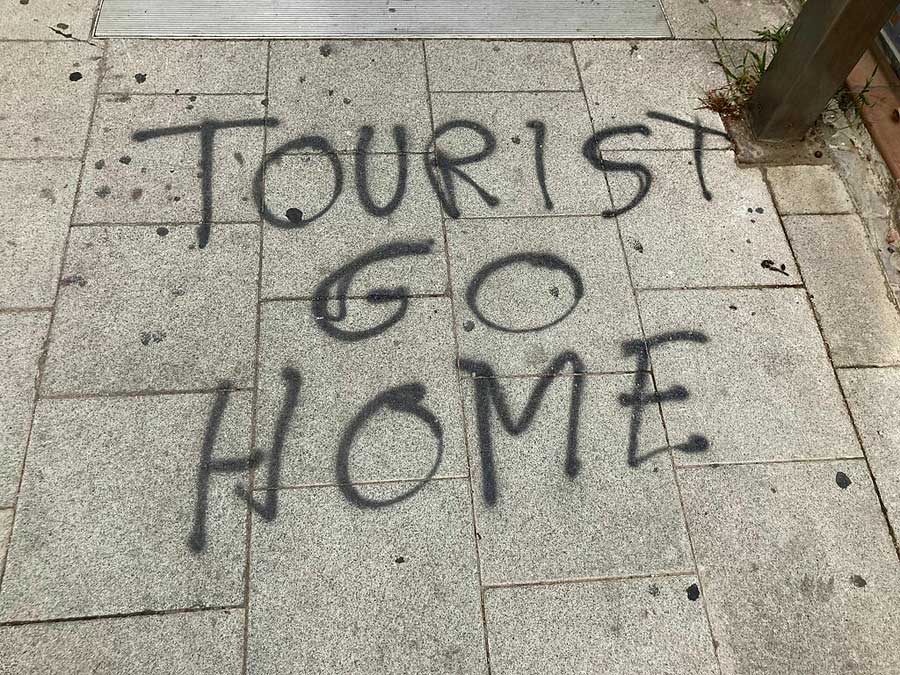
We Brits, for the most part, didn’t take it personally. We simply started spreading out. Instead of jamming ourselves into Barcelona’s Gothic Quarter, we ventured to Portugal’s Algarve, Croatia’s Dalmatian Coast, or lesser-known gems like Puglia in Italy and Albania’s Riviera. Reykjavík became a hot destination for Northern Lights hunters, while Budapest’s ruin bars attracted hipsters in droves. Quirky trends like “voluntourism”, combining holidays with volunteering, also emerged, giving us a chance to feel virtuous while taking selfies with orphaned elephants.
The Rise of Sustainable Travel
As the 2010s rolled on, we began to notice a niggling problem: our holidays weren’t exactly helping the planet. The realisation that flying halfway across the world to snorkel in coral reefs might be a tad hypocritical when those reefs were bleaching due to climate change, hit home.
Enter sustainable travel. Suddenly, it wasn’t just about where you went, but how you went. Eco-friendly lodges, carbon-offset flights, and slow travel became all the rage. The concept of ‘flight shame’ started to catch on, and some of us swapped the airport for the Eurostar. Cornwall, with its breathtaking beaches and smug abundance of local seafood, became a viable alternative to jetting off to the Med.

Destinations that championed sustainability, like Costa Rica, Bhutan, and Slovenia, saw an influx of UK visitors keen to explore without guilt. Closer to home, the Scottish Highlands, Northumberland, and Wales’ Snowdonia National Park enjoyed a renaissance, proving you didn’t need to leave the UK for epic landscapes and the chance to post an #adventuregram. And for those feeling adventurous, ‘glamping’ – luxury camping with proper beds and flushing loos – became the ultimate eco-chic getaway.
For true pioneers of sustainable travel, however, we might take a leaf (literally and figuratively) out of Robert Louis Stevenson’s book. In 1879, long before carbon footprints were a thing, he trekked across the Cévennes mountains with only a donkey, Modestine, for company, documenting his journey in Travels with a Donkey in the Cévennes. Stevenson’s slow, reflective approach to travel – where the journey itself was as important as the destination – feels almost prophetic today. His choice of transport was as eco-friendly as it gets, and his story serves as a reminder that you don’t need luxury or speed to have an unforgettable adventure.
2020s: The Pandemic Pivot and Beyond
And then, just as we thought we’d cracked the perfect balance of travel indulgence and eco-consciousness, the pandemic happened. Suddenly in March 2020 our wanderlust was reduced to pacing around the living room. The idea of hopping on a plane felt as far-fetched as finding loo roll in Tesco.
But if there’s one thing we excel at, it’s resilience (and complaining about queues, but let’s focus on the resilience). When lockdowns eased, staycations became the new normal. Campsites, holiday cottages, and seaside towns like Margate and Whitstable enjoyed a boom. And let’s be honest: there’s something deeply nostalgic about eating fish and chips in the drizzle while a seagull hungrily hovers.
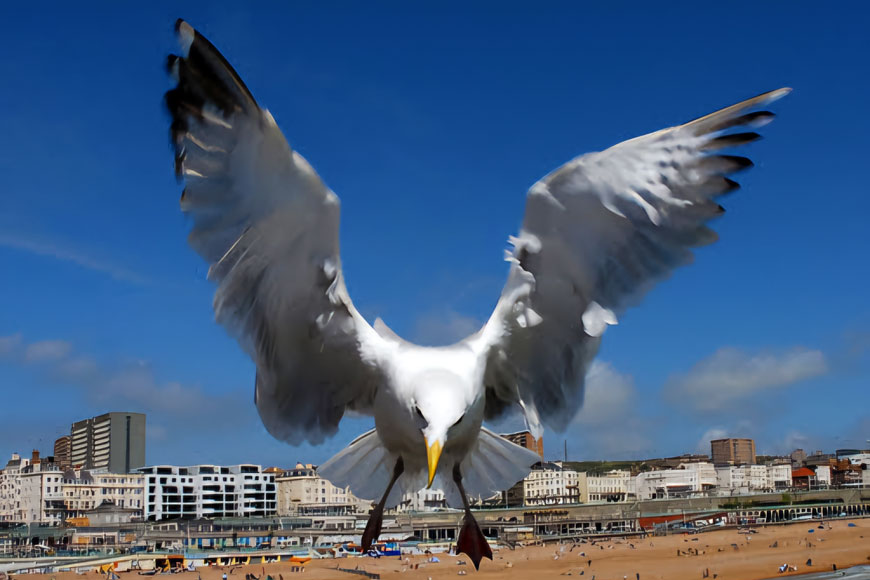
As international travel re-started, our habits had shifted. There’s been a marked return to the safety net of package holidays, but with a twist. Tour operators have wised up to our changing tastes, offering more flexible, bespoke options. Whether it’s a yoga retreat in Bali, a foodie tour of Italy, or a wildlife safari in Botswana, there’s a package to suit every persuasion. Meanwhile, quirky trends like “microcations” – short, ultra-focused trips – and trips to far-flung, Instagrammable and TikTokable spots like Svalbard or Patagonia have gained traction.
2025 and Beyond: Where Are We Headed?
Looking ahead, it seems we’re not done evolving. In 2025, predictions suggest the average Brit will take five holidays a year – a fact that will make your nan’s “We only had a week in Blackpool in my day!” speech all the more eye-roll-worthy.
Long-haul travel is on the rise, and will see us venturing to places like Japan, South Africa, and New Zealand in search of culture, adventure, and bragging rights. Sustainability will remain a key focus, with even more emphasis on offsetting carbon footprints, supporting local communities, and choosing destinations that prioritise conservation. Meanwhile, the backlash against overtourism will likely mean continued interest in quieter, under-the-radar destinations, from the Azores to Georgia (the country, not the state).
Final Boarding Call
In the last 25 years, we’ve gone from sunburnt beach bums to globe-trotting eco-warriors (albeit with the odd sangria-fuelled relapse). Travel has become more than just a chance to escape the daily grind; it’s a way to connect with the world, broaden our horizons, and share the occasional awkward mime with someone who doesn’t speak English.
Wherever the next 25 years take us, one thing’s certain: we’ll always be searching for the perfect blend of adventure, relaxation, and that oh-so-elusive Instagram shot.
So, here’s to the journey whether it’s by plane, train, or a very sustainable donkey.
Where to next?
• Two Get Lost in Normandy
• 5 destinations where UK tourists are welcome
• Island Life – Isle of Wight