
It begins, as so many modern pilgrimages do, with a drone shot. A turquoise lake, a couple in matching fleeces, the captions #wanderlust, #secretspot, #hiddenuk. Within hours, thousands tap “like”, a few plan weekend getaways, and by Saturday, a car park in the Lake District is full of well-meaning adventurers armed with reusable water bottles and, apparently, a curious reluctance to use a bin.
Over the last five years, Britain’s most photogenic places have faced a new kind of invasion – the travel influencer pilgrimage. From the glittering coves of Cornwall to the mirror-calm tarns of Cumbria, all have become social-media celebrities in their own right. TikTok travel reels, Instagram carousels and day-in-the-life-of-an-adventurer vlogs have lured millions to beaches, waterfalls and hilltops once known only to locals.
But not everyone’s leaving these places quite as lovely as they found them, and the resulting litter problem isn’t quite as Instagram-ready.
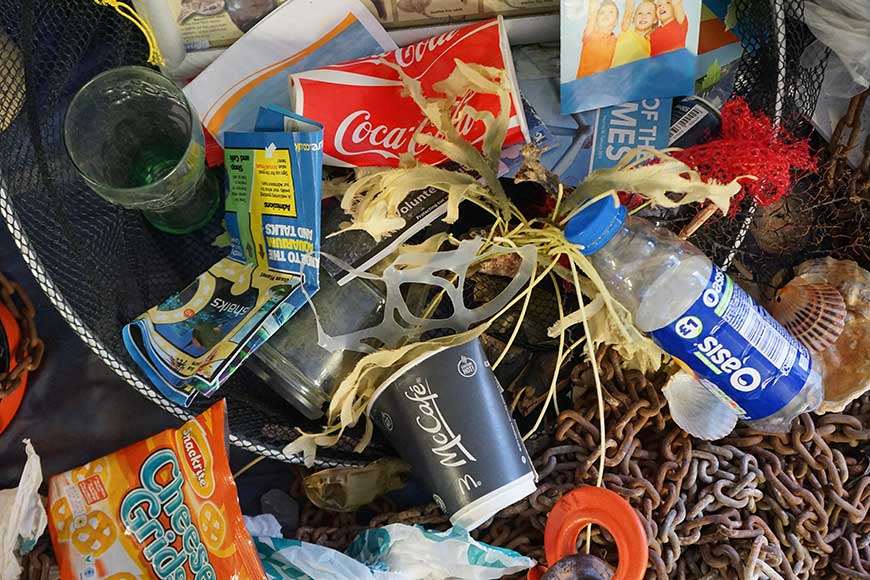
The rise of the “Plastic Picnic”
According to the Marine Conservation Society’s 2024 State of Our Beaches report, volunteers cleared more than 760,000 litter items from UK shores last year. That’s a 9.5% rise in plastic items compared with 2023. Plastic caps, bottle tops, vapes and wet wipes were among the top finds, all tell-tale signs of what you might call the plastic picnic – that cheerful but messy marriage of snacks, selfies and single-use packaging.
In fairness, beach litter did see a drop after its 2016 peak, thanks in part to carrier-bag charges and growing awareness. But since the boom in domestic tourism and staycations during the pandemic, those numbers have been creeping back up.
Scotland’s west coast hasn’t escaped either. According to Keep Scotland Beautiful, litter remains visible on the vast majority of beaches they monitor, and plastics continue to dominate. On the Isle of Skye, where viral “fairy pool” videos attract thousands, Access Rangers and OATS (Outdoor Access Trust for Scotland) staff now patrol the car park and paths, monitoring litter, maintaining toilets, and helping keep the access route clean and safe.
Lakes, likes and litter
A survey commissioned by Friends of the Lake District, carried out via YouGov, found that 26% of visitors to the Lake District since May 2020 admit to leaving litter behind, while local authorities reported surges in fly-camping, barbecues and “bin overloads” whenever the sun came out. It seems the more a site trends online, the more it struggles offline.
Perhaps the issue isn’t that people love nature less; they might love it too much, and, over the last 4 years, places like The Yorkshire Dales National Park have been gently reminding visitors to “leave no trace” and “take nothing but photos, leave nothing but footprints.”

Blame the bins or blame ourselves?
Here’s where the debate gets juicy (or sticky, depending on the contents of your picnic bag). Are people leaving litter because they can’t find bins, or because they think someone else will deal with it?
It’s tempting to blame the infrastructure: Too few bins in too many beautiful places. Local councils in hotspots like Cornwall and Devon say the answer is a bit of both. During the pandemic years, councils reduced bin numbers in some rural locations to stop wildlife scavenging. Meanwhile, tourist numbers skyrocketed, spurred by social media’s #hiddengem trend. You don’t need a PhD in Environmental Science to see how that equation ends, too many picnics, not enough bins.
In Wales, Keep Wales Tidy’s street-cleanliness and public spaces surveys record frequent presence of fast-food packaging, drinks litter and wet wipes. Meanwhile, beauty spots like Bannau Brycheiniog (the Brecon Beacons) report visibly more footfall, waste and overflow bins, particularly following viral content online.
Northern Ireland’s Causeway Coast, already famous for Game of Thrones, now battles its own litter saga. Over 10 tonnes of rubbish was collected along the Giant’s Causeway and nearby beaches during the 2023 peak season.
The advice to visitors? “If you can carry it full, you can carry it empty.”
A fair point and one that social media could actually help spread, if the same influencers who attract visitors also show themselves cleaning up afterwards #LeaveNoTrace could be the next big trend.
The £1 billion clean-up nobody posted about
Behind the jokes lies a hefty price tag. Keep Britain Tidy and Planet Patrol estimate the UK spends nearly £1 billion annually on litter and street cleaning. That’s a lot of public money that could, arguably, be better spent making the countryside more accessible or, at the very least, buying bigger bins.
Yet, there’s hope in the data. Beachwatch figures show that public campaigns do make a difference; plastic bags, for instance, dropped dramatically after the 5p (now 10p) charge came in. Change, it seems, happens when habits shift – not just hashtags.
So, what now?
Is the solution as simple as a mindset reboot? Take your selfies, tag your location, chase that algorithmic glory; just don’t leave the crisp packets and beer cans behind.
Maybe all UK towns and cities should follow Edinburgh’s plan to make tourists contribute. From July 2026, Scotland’s capital plans to introduce the UK’s first official tourist tax, a 5% charge on overnight stays. The idea is to turn those pennies from hotel bills into pounds for the public good. Around 40% of the expected £50 million a year will go toward keeping Edinburgh clean, green and safe and that should mean more bins, shinier streets, and fewer plastic cups fluttering around the Castle Esplanade.
Or perhaps we need a few creative nudges – bins shaped like seagulls that squawk “thank you”, or influencers pledging a litter-free code of conduct. If social media can make an obscure waterfall famous in a week, perhaps it can make tidiness fashionable too. The countryside might not mind the attention; it just minds being left with the crap.
In the meantime, we must face one truth; while the filters might fade, the plastic certainly won’t. Well, not for a few hundred years, at least.
Want to help out?
CPRE – the countryside charity with projects, activities and campaigns all across the country to reduce litter and waste.
Keep Britain Tidy – inspiring people to eliminate litter now and for future generations.
Clean Up UK – supporting local communities to create cleaner spaces.
Clean Up Britain – working to change the behaviour of the 20 million people who drop litter.
WWF-UK – thinking global, acting local.
Planet Patrol – transforming the landscape of environmental action.
The Wombles Community Charity – tips and information about litter picking.
BHASSEXPLORE – Beachy Head and Seven Sisters litter removal between Eastbourne and Cuckmere Haven in East Sussex.
Sources & acknowledgements
• Marine Conservation Society – State of Our Beaches 2024 (released Sept 2024).
• Keep Britain Tidy – Lake District Litter and Visitor Behaviour Study (2020–2023).
• Planet Patrol and National Trust – Litter Data Review reporting on litter composition and costs (2023–2024).
• Keep Scotland Beautiful – Public Perceptions of Litter (2024).
• Keep Wales Tidy – How Clean Are Our Streets? (2022–2024).
• Outdoor Access Trust for Scotland (OATS) & Highland Council – Glen Brittle / Fairy Pools Action Plan.
• National Trust & National Trust for Scotland – Leave Nothing Behind Campaigns (2020–2024).
• Friends of the Lake District & Keep Britain Tidy Joint Study (2020)
Figures and findings correct as of publicly available UK data and verified environmental reports (2020–2025).
If you’ve enjoyed browsing our website, learned something new, or just had a smile because of what we do – we’d love your support to keep the good stuff brewing!
Where to next?
• The Essential Guide to UK Holidays with Small Pets
• A vintage day out at Crich Tramway Village
• Bletchley Park, the sound of secrets