
Say ‘Camembert’ and you think of soft, creamy, runny-ripe cheese, a true taste of France.
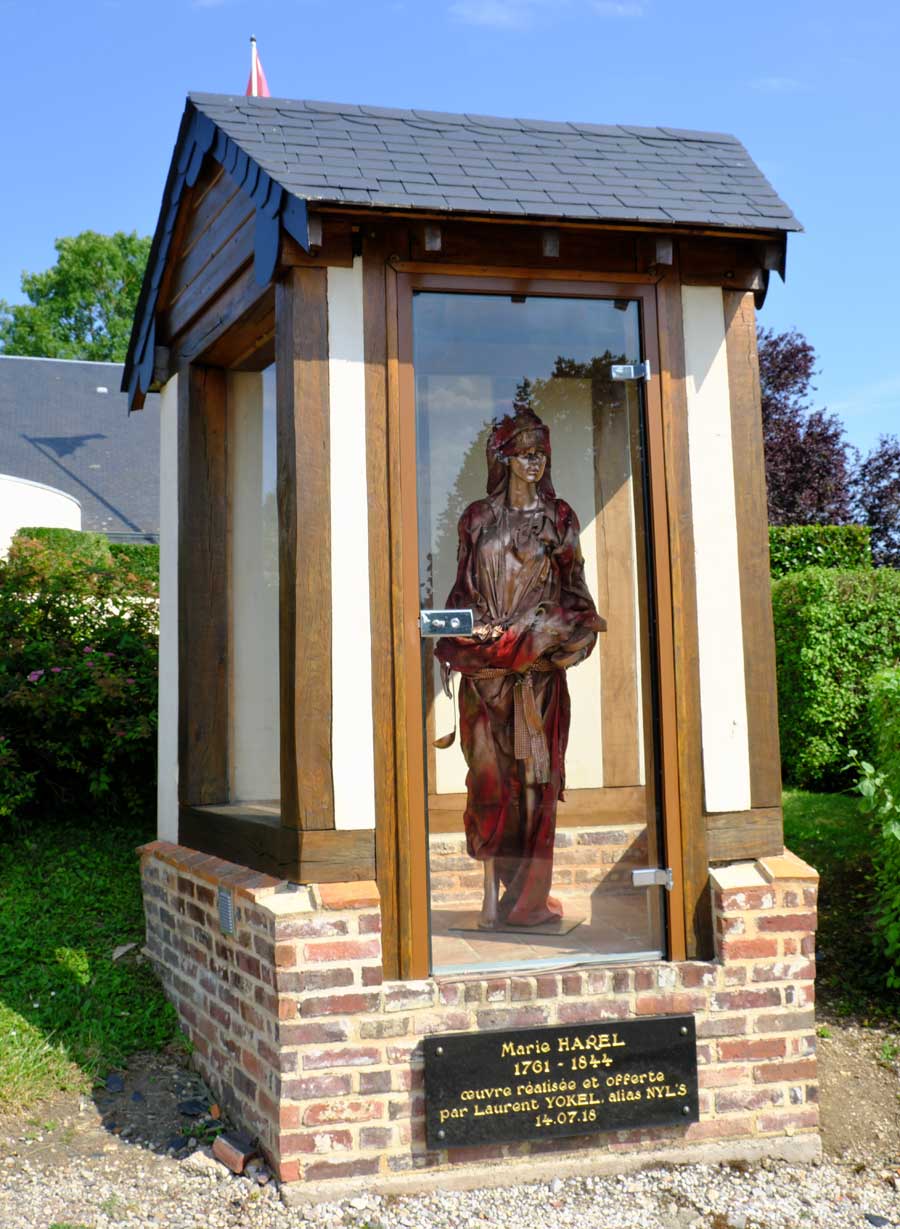
Famous since Marie Harel first made the raw milk delicacy at her farm in Camembert Normandy in 1791, it’s recognised internationally, as much a part of French life as baguettes, garlic and wine.
And in its native region of Normandy, Camembert cheese is celebrated with not just one, but two museums, attracting visitors from around the world.
But which one offers the true Camembert experience?
History of Camembert
Marie Harel ran a small farm in the village of Camembert in the Orne region of Normandy. Already a practised cheese-maker, she is reputed to have learned the secrets of how to make it even better from a monk, Abbot Charles-Jean Bonvoust from Alençon.
Question: Why is a wandering cleric always responsible for these discoveries? Dom Pérignon for champagne near Reims and, allegedly, Blanquette de Limoux in the Languedoc (he clearly got around a bit!). Then a monk fleeing the French Revolution reportedly gave his elixir recipe to Alexander le Grand, inventor of Benedictine and Carthusian monks apparently created Chartreuse.
But I digress, so back to Marie and her cheese.
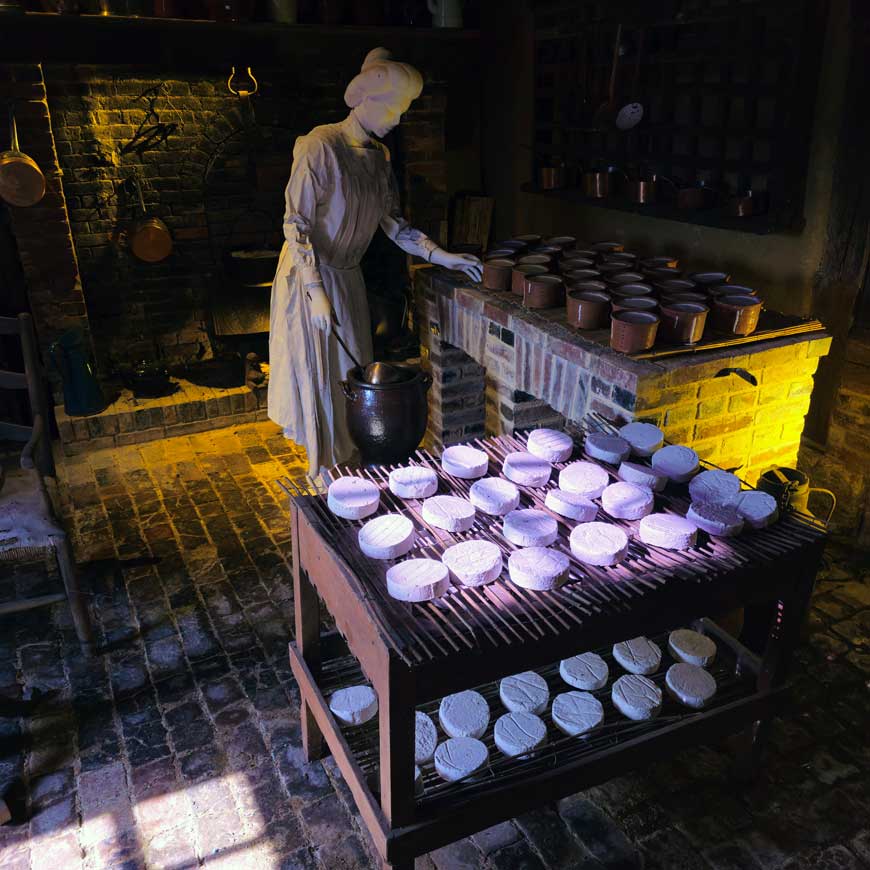
Abbot Bonvoust showed Marie how to ensure extra creaminess and taste for the soft rind cheese, and her fame grew until Farm Beaumoncel became known for the best cheese around.
In time, Marie passed the secret on to her daughter and a family firm was established.
The truth is probably much simpler – that similar cheeses were made on Normandy farms all over, and the industrialisation of the process in the early 19th century and a heck of a lot of clever marketing, made the cheese a national treasure.
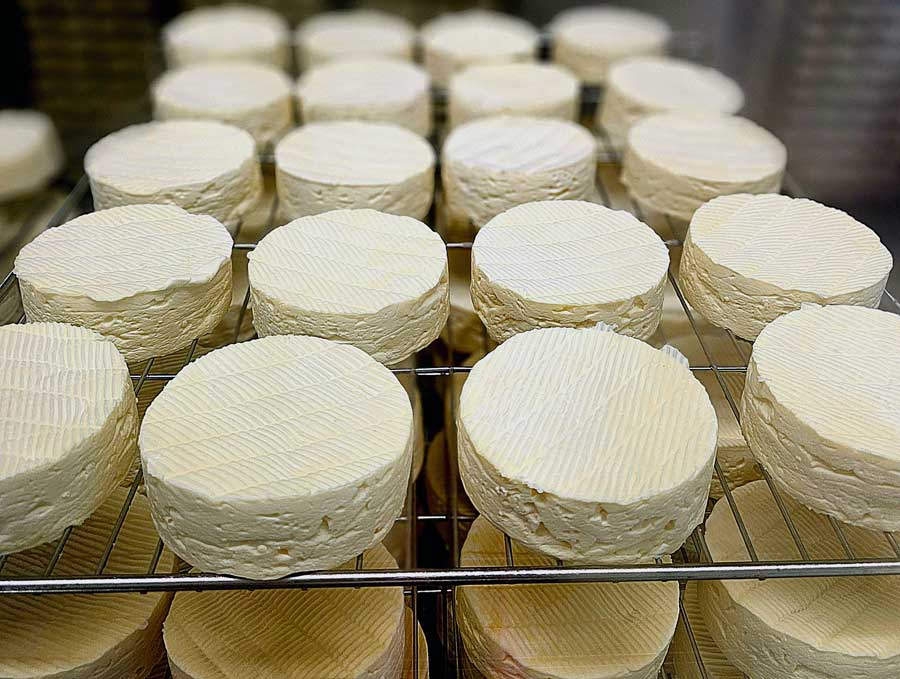
Nevertheless, Beaumoncel farm still exists and is now a factory at the heart of the village, producing around 6,000 organic Camembert each week.
Maison du Camembert
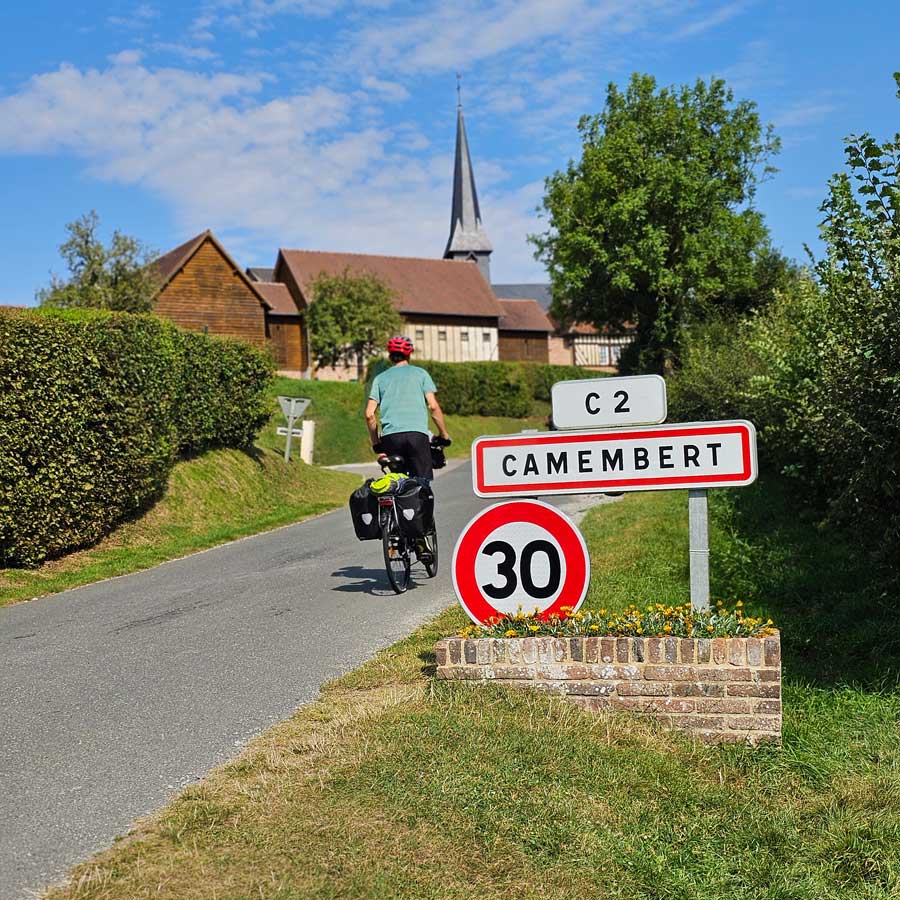
We started our cheesy explorations in the village that gave birth to Marie Harel and her cheese, Camembert itself.
A small, friendly and slick operation, the price of admission gets you a tour of historical displays, a viewing of the Beaumoncel factory where the cheese is still made mostly by hand, and a taste of three different Camembert at the Tourist Office.
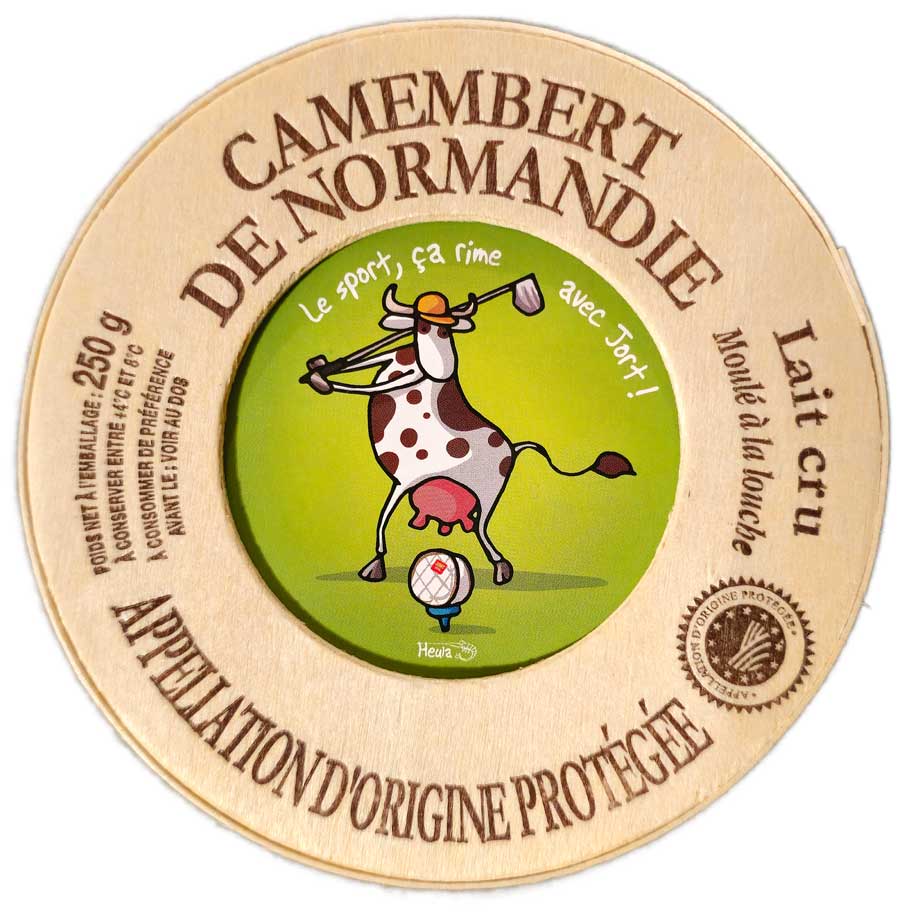
A true Camembert, worthy of the AOP designation of Camembert de Normandie, has to be made from raw, unpasteurised cow’s milk, not the pasteurised versions sold in most countries, including the UK.
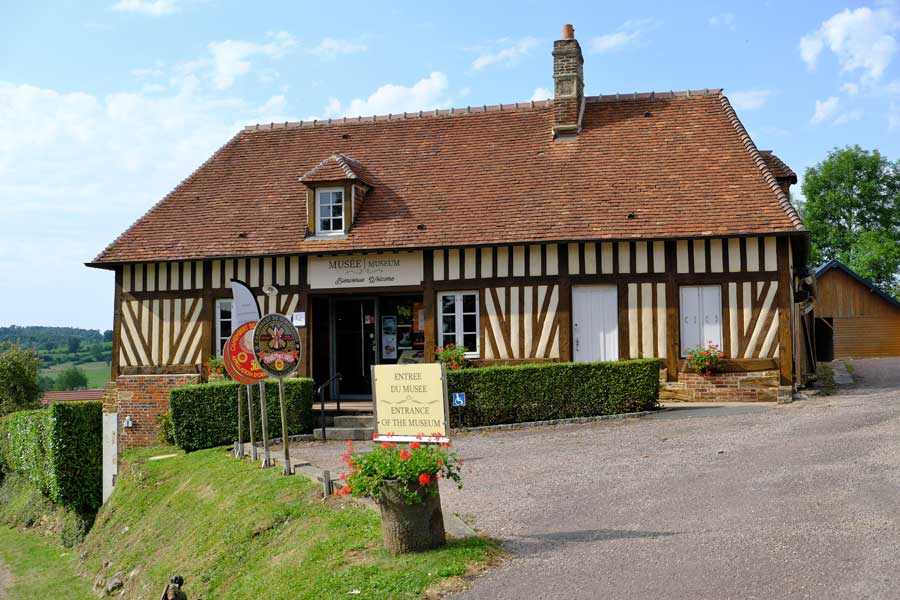
And Pork Belly assures me you really can taste the difference. All three samples were good, with the Beaumoncel one right up there for taste, texture and quality. But it was just pipped for creaminess and tang, in his opinion, by another brand produced a few kilometres away.
After lingering in the sunshine, Pork Belly full of cheese, paying our respects to the statue of Marie Harel, and breathing in the cheesy aroma on the breeze, we headed for Camembert Museum Number Two.
Musée de Camembert, Vimoutiers
This is a smaller, state-funded museum in the town of Vimoutiers, about 5 kilometres away.
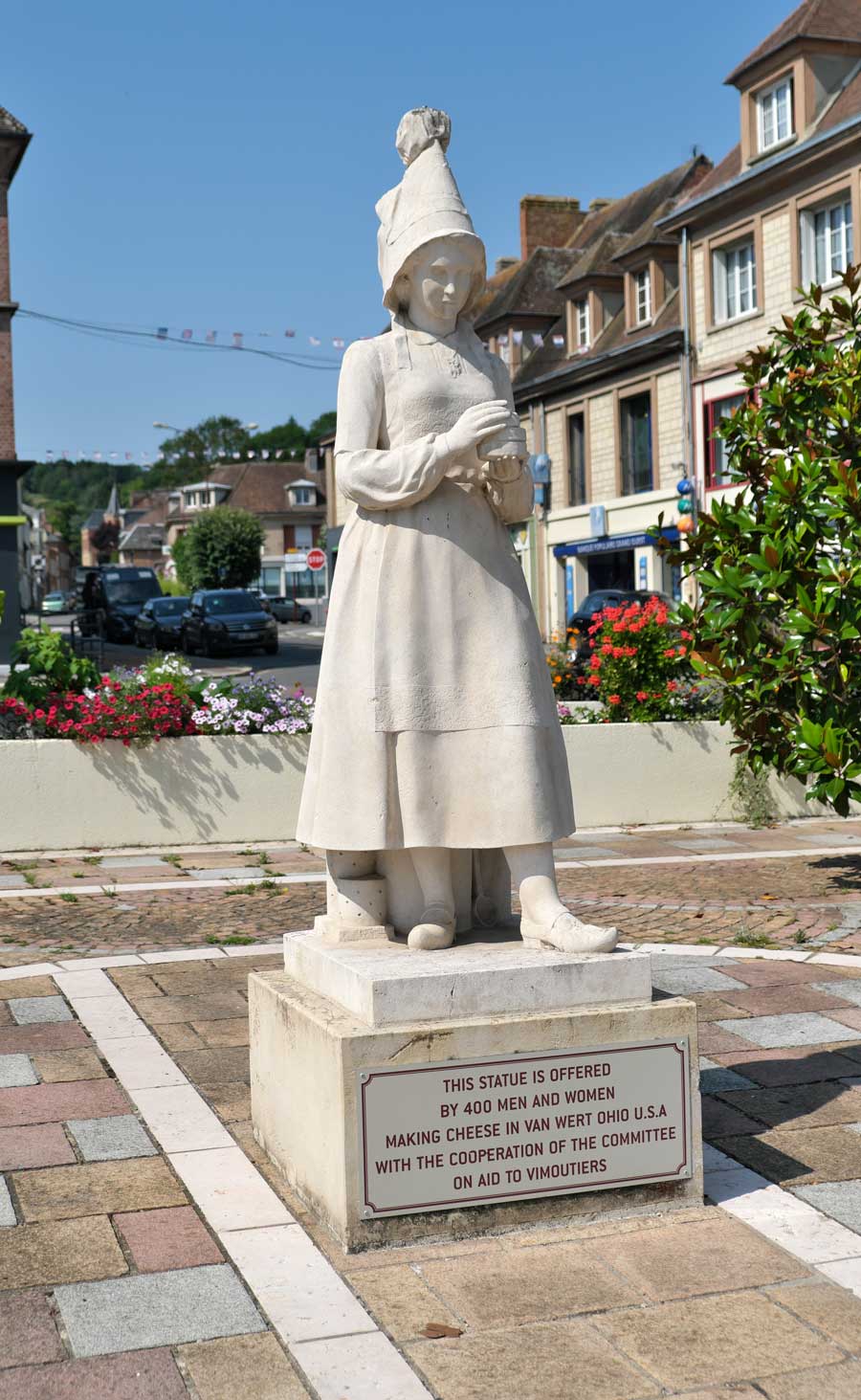
Why Vimoutiers? Because this is where Marie died and was buried, and a statue raised in her memory.
Sadly, that statue lost its head during a bombing raid in 1944, but there is a modern version in the main square, given by the workers of an Ohio cheese factory, in recognition of, and apology for, the destruction.
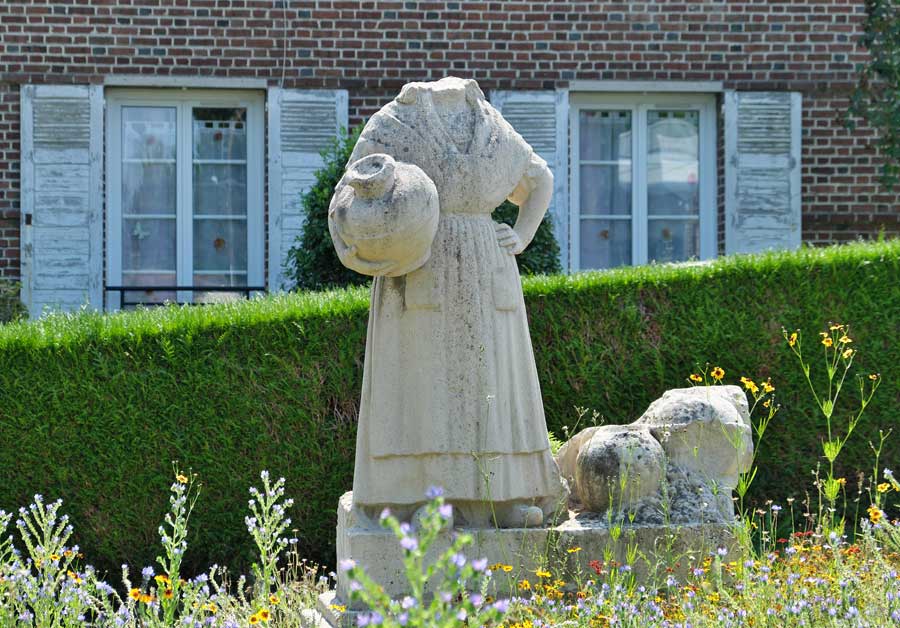
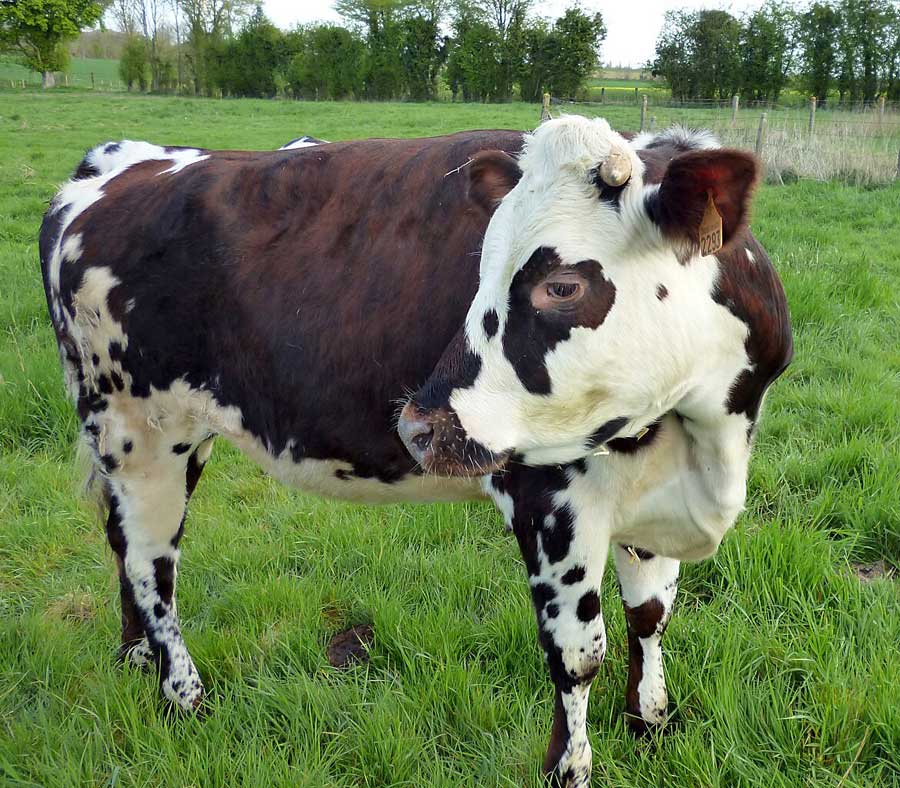
Covering the same ground as Maison du Camembert, without the cheese tasting unless you pay a little extra, it offers a few different artefacts plus a statue of the delightful Normande Cow, famous in the region for its rich milk and cute, bespectacled face markings.
Another audiovisual film – available in French and English – retells the story of Marie Harel, the wandering cleric and the night they invented Camembert!
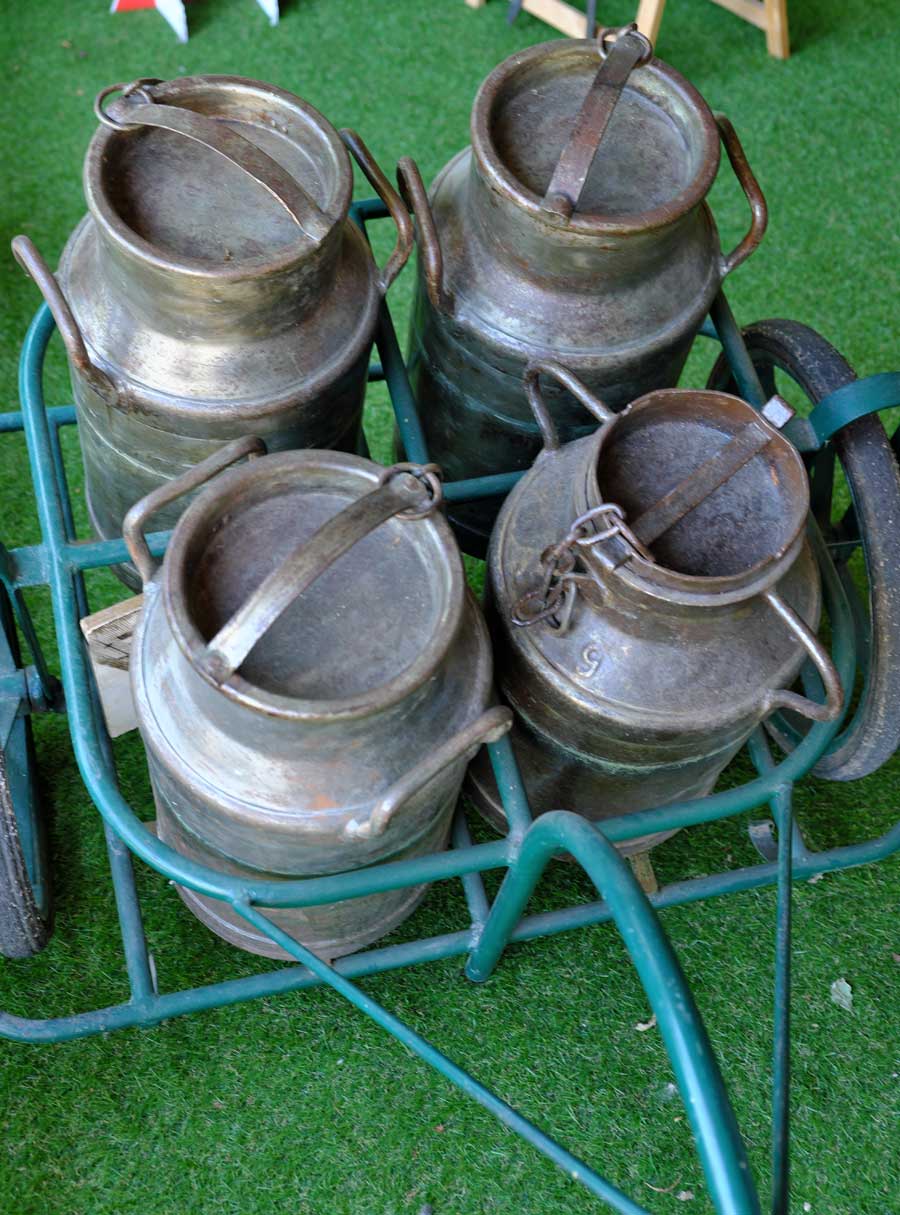
There’s a display of old machinery here, and a potted history of all the great Camembert makers throughout the years.
Even if you prefer the slicker Maison approach (and the free cheese!) we really liked the smaller museum, run mainly by volunteers. As an added bonus, you can buy a combined ticket for a visit here and the tiny apple and calvados museum in the nearby medieval village of Sap-en-Auge.
Which is exactly what we did – and spent another warm, sunny summer day strolling through an orchard of heritage apples, learning about presses and distilling methods, drinking the local cider and eating fresh produce at the on-site restaurant, Chez Louisette.
Delicious and unusual dishes with plenty of plant-based alternatives – a rarity in this region of meat and dairy!
Cheese, veggies and cider – what more could you want?
More about the two Camembert Museums of Normandy
Maison du Camembert is in the tiny village of Camembert, just over an hour’s drive from Caen or Rouen.
It’s open daily from May to September and Wednesday to Sunday in March, April and October. Admission in 2024 is 4.50 euros for adults, 2.50 for children. You can watch videos of the hand-made cheese production in the factory Clos de Beaumoncel next door, and some elements of the preparation and packing through glass screens.
Musée de Camembert is a few miles away in Vimoutiers. It’s open every day from 10am to 6pm in July and August and from 2pm to 6pm March to June and September to October. In 2024 a museum visit costs 3.50 euros, but a combined ticket to the rural Calvados Apple Museum is just 5 euros.
More about the Ecomusée de la Pomme au Calvados in Sap-en-Auge.
Photograph of Normande cow by Stanzilla/Wikimedia Commons
Where to next?
• Two get lost in Normandy
• Weird and wonderful France
• Machines of Nantes