
This summer sees us taking our first proper trip to Italy – apart from one quick dip over the French border for a look around a rain soaked Bordighera market which can’t be said to count.
So I’ve been desperately trying to learn a bit of Italian to help me get by.
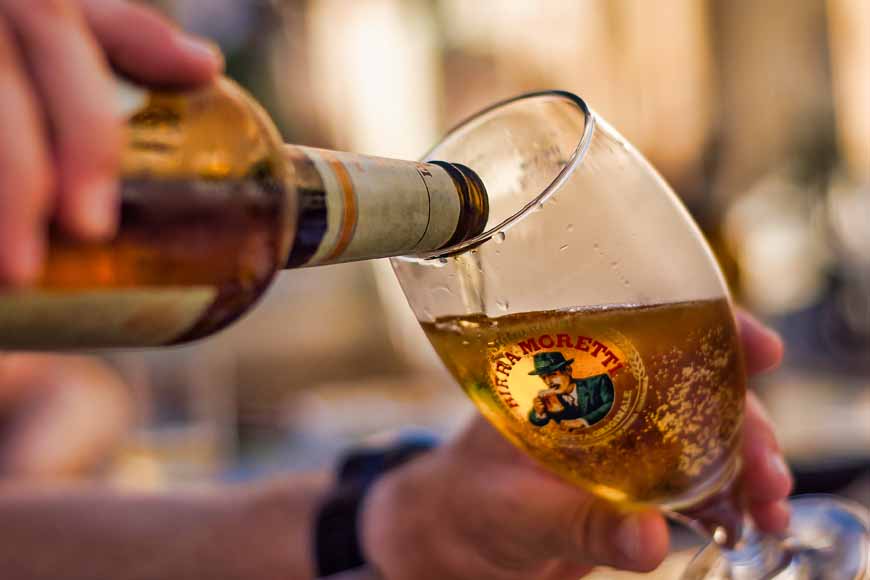
Thanks to a popular language app, I know lots of random words about reading, men and women cooking and boys and girls eating, but am still struggling to master the essentials like ‘A beer for him please and a sparkling water for me’ or ‘Which way to the prosecco?’
So I’ve been looking into those all important non-verbal cues that show you are travelling respectfully.
Greetings
Entering a small shop, it’s polite to say hello to the staff, not mooch around silently until you are at the counter. A brief ‘Buongiorno‘ or ‘Buonasera‘ will go a long way.
If you know someone well enough, they might expect the traditional two light kisses on the cheek, right and left.
But if they know you’re British, a handshake will do both on arrival and departure.
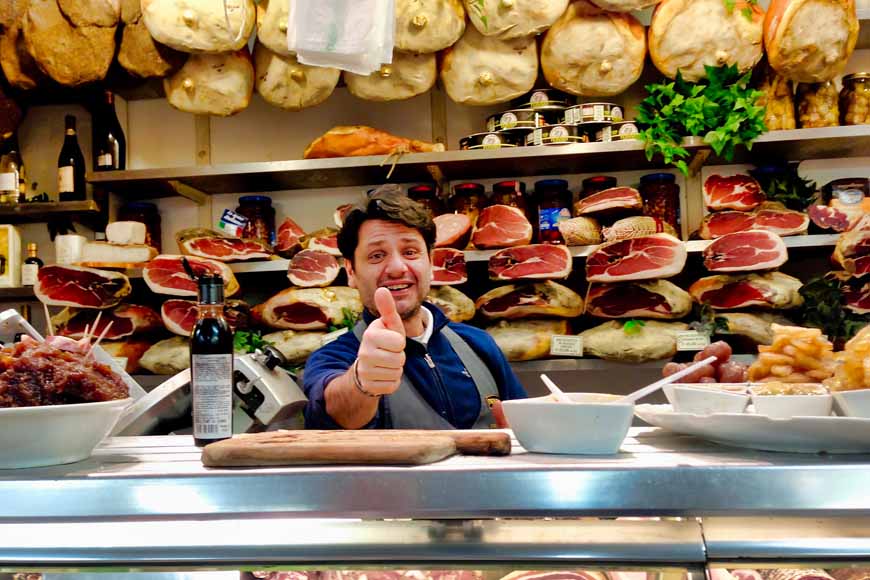
Of course, this means even chance encounters can take a long time, so do not show your impatience to be off.
Relax, slow down, smile and enjoy the experience.
Shopping
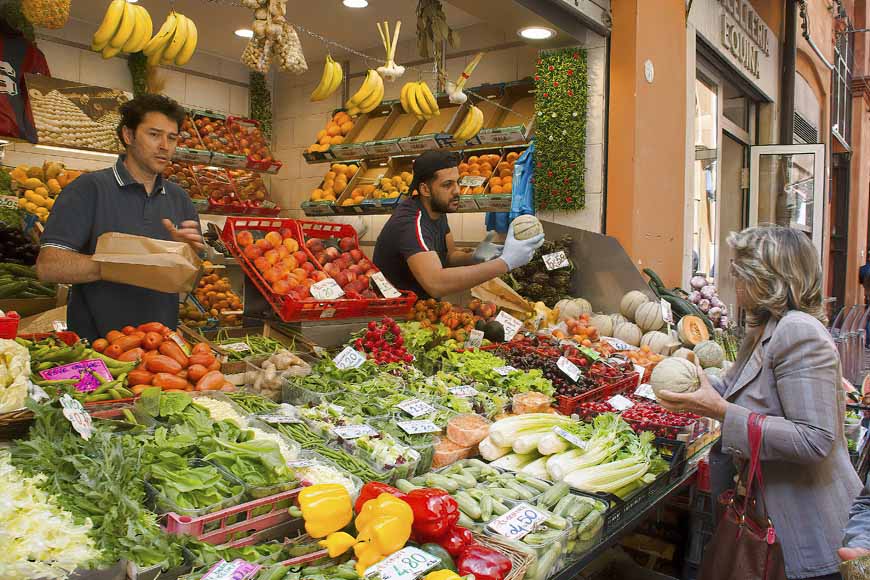
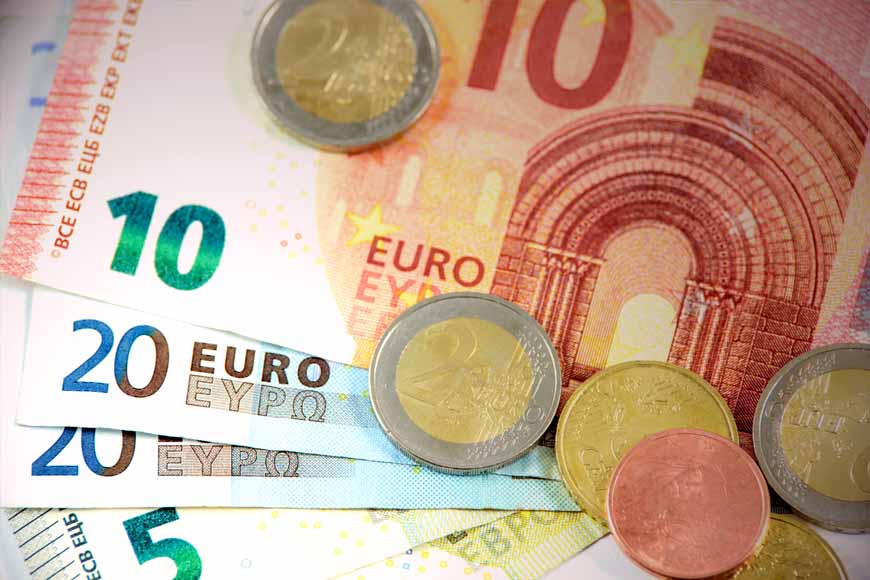
The days of card-is-king has made a difference in Italy but if you are paying cash, particularly in a small independent shop, you should put the coins and notes down on the counter or in the little dish provided, not hand the money directly to the assistant.
Any change will be returned the same way.
What to wear
Neither Pork Belly nor I would call ourselves fashion icons, and there’s no doubt that locals in Italian cities, towns and even small villages look much smarter than the average Brit abroad.
Some popular tourist destinations like Venice have become vigilant on the subject of respect and tourists can be faced with a fine for anti-social behaviour including inappropriate clothing.
The decrees are known as Daspos – an acronym for Divieto di Accedere alle Manifestazioni Sportive – which are usually used on misbehaving sports fans but are increasingly being levelled against travellers who walk around shirtless or in swimwear, dive into the canals or behave inconsiderately in public places.
And when in Rome, definitely don’t sit on the famous Spanish Steps – or you could be fined.
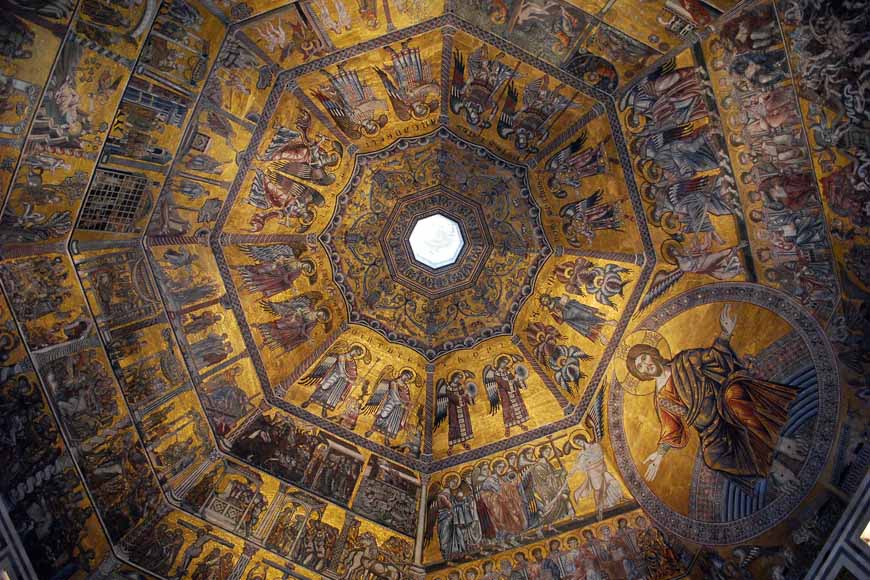
By all means dress for comfort, but be as neat as possible. And be ready to cover up shoulders, legs, arms and sometimes even your head if you’re visiting a church or other religious building.
Café culture
Bars and cafés are an important part of Italian life and there’s not much difference between them, both sell hot and cold drinks, light snacks and alcohol and have long opening hours.
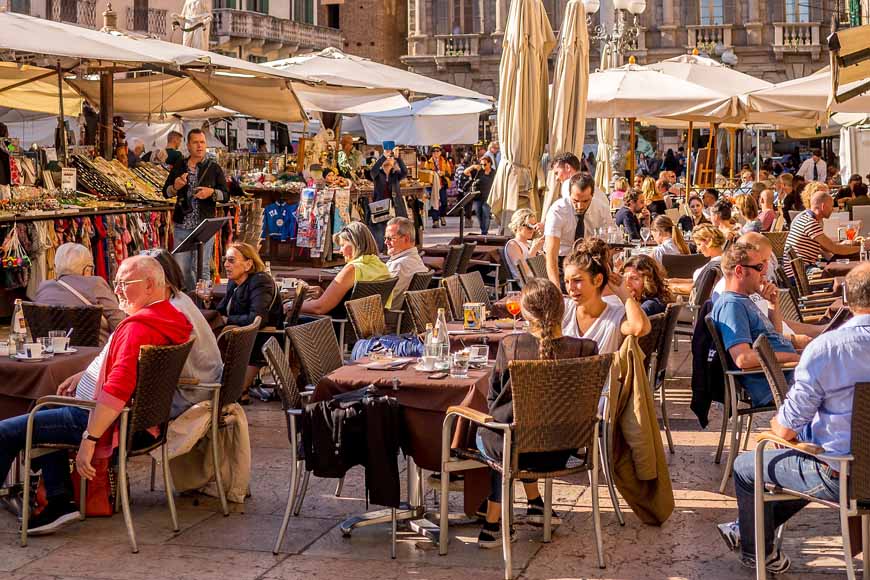
But it’s very important to know these places operate a sliding scale of charges. If you sit at the outdoor tables of a café (tavolo), there is almost invariably waiter service, and you will pay a slightly higher price than if you choose to drink on your feet at the bar (banco).
By law bars should show the different prices for table and bar service, if you’re not sure ask for the listino prezzi.
In the most touristy areas, the cover charge for sitting outside can be extortionate!
Indoor seats may or may not be a bit cheaper, but as with all cities the further away you get from the popular areas the better value. The cheapest thing to drink will be almost certainly be the house wine.
How to order a coffee in Italy
On now to the question of coffee. The first coffee house was Italian as was the first espresso machine, so they obviously know a few things about… coffee.
You can order it like a local with this handy guide.
- Caffè: Literally means ‘coffee.’ It’s a single shot, no water or milk added. Sometimes called an espresso.
- Caffè lungo: A ‘long’ coffee, made with more water and a slower brewing process.
- Cappuccino: An espresso but topped with hot, foamed milk. Only drunk in the morning.
- Caffè macchiato: A coffee with a splash of milk. You might get asked ‘Latte caldo o freddo?‘, hot or cold milk.
- Latte macchiato: ‘stained milk’ basically milk with a dash of espresso.
- Caffè corretto: This one’s a shot of espresso with added alcohol like grappa or sambuca.
- Caffè shakerato: The closest thing to a frappuccino you’ll find.
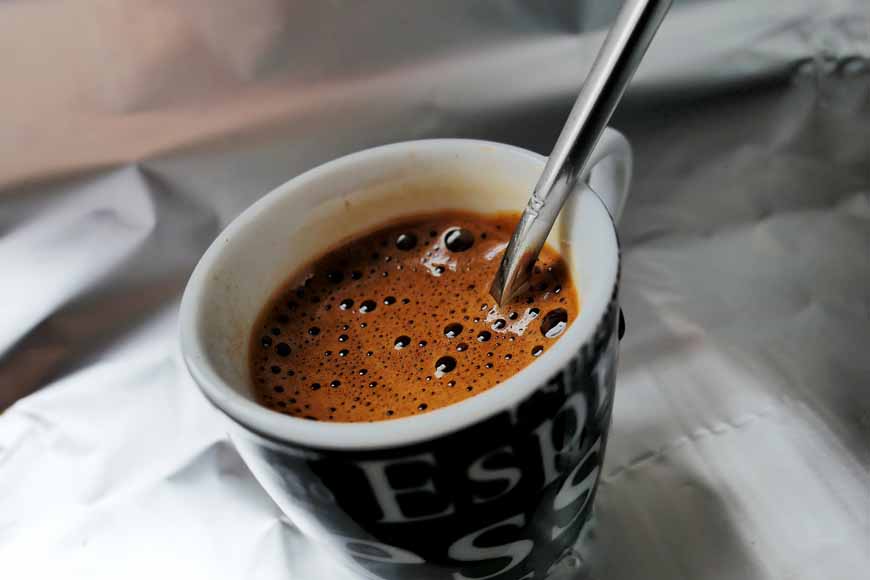
Italy is not just the home of great coffee, it can also lay claim to gelato. Sadly the mass-produced ‘factory fresh’ stuff has crept in, but there are many artisan gelaterie across the country still making it in small batches the traditional way.
And the good news is a real gelato is lower in fat than other frozen desserts, so why not have a double scoop?
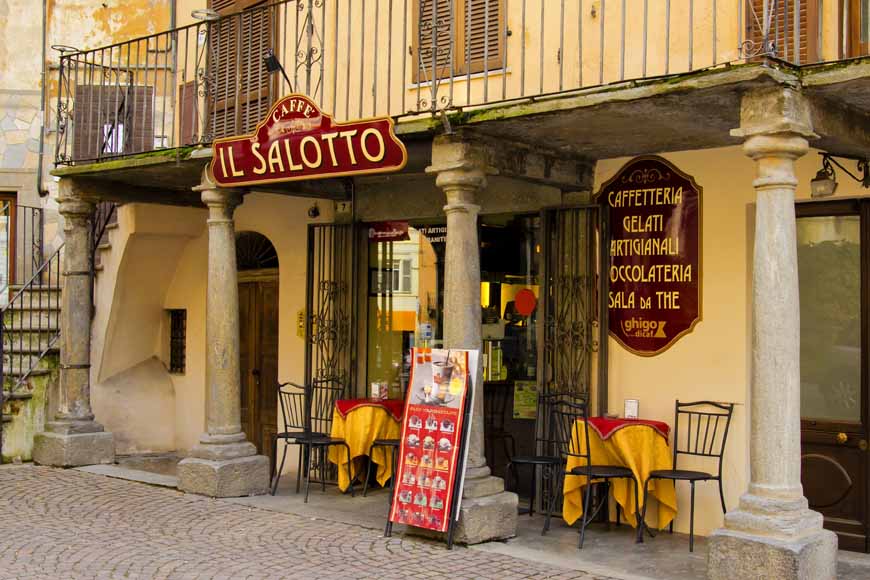
Food, glorious food
Is there a better place for food than Italy? Well we can argue about it all day but it’s certainly up there with the great classic cuisine countries.
Restaurant dining is a pleasure but there are some things you need to know to make sure you get what you’re paying for.
Although you can ask for a tourist set menu, watch out for the hidden charges. Ordering from the regular menu gives you more choice and probably works out much the same price even if you indulge in that extra gelato – you are on holiday after all.
Water for the table is not provided free. Most restaurants expect you to pay for sparkling or still bottled water.
You can ask for tap water, but it’ll raise an eyebrow or two and might not be served very quickly. Bread is also not free but charged per head and will appear on the bill as ‘pane e coperto‘.
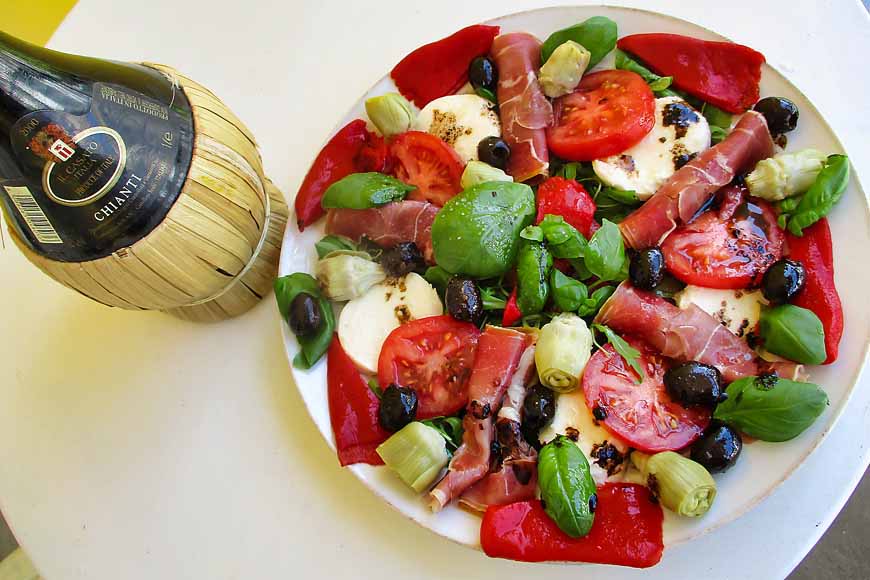
Watch the antipasto. The waiter will probably suggest you have some, and it is usually delicious with local meats and cheeses, but they often supply way too much and you wind up paying for more than you really wanted.
So better to choose specific items from the menu rather than leaving it to the restaurant to bring you a selection.
Fish (and sometimes meat) is charged by weight, so a little difficult to judge how much you’ll spend unless you’re a fisherman and can accurately assess the weight of the average catch!
In Italy, it is illegal not to be given an itemised receipt when you ask for the bill, ‘il conto dettagliato‘, so don’t be too embarrassed to ask what you are paying for.
To digest or not digest
Some restaurants offer a free digestivo like limoncello at the end of the meal, but most charge.
If they ask before you’ve paid, then it will be added to your bill. Sometimes if you’ve paid the bill you’ll be offered one as a little ‘thank you’ but don’t expect it.

Tipping
Oh, such a thorny issue, especially for embarrassed Brits. Most restaurants in tourist areas will have ‘servizio‘ added to the bill, usually 10 or 20% and this should be written somewhere on the menu.
If service has been good feel free to leave a few loose coins or round the bill up but if you feel the meal’s been just okay, nothing special, don’t worry. You’re already tipping more than most Italians do!
Have you travelled around Italy? Share your tips and help us all be welcome travellers and not in any danger of getting a Daspo!
Where to next?
• Going underground at Château de Brézé
• Cyprus road trip
• Chateau du Rivau – a garden for all ages