
On the south coast of England lies a holiday resort with a long history. Sandwiched between bigger, brasher Brighton and Butlin-famous Bognor, it’s often overlooked by day-trippers and tourists alike.
Even its own publicity machine is low-key.
Yet Jane Austen quite liked it, Oscar Wilde found it inspirational and generations of holiday-makers have succumbed to its quieter, calmer atmosphere.
And as with so many places, when you dig a little deeper, you’ll find something intriguing, unusual and if not exactly breathtaking, at least a little curious.
So let’s bang the Worthing drum and celebrate Seven Wonders of Worthing.
Or, as we like to call it – Seven Quite Interesting Things to see in and around Worthing!
Sistine chapel ceiling
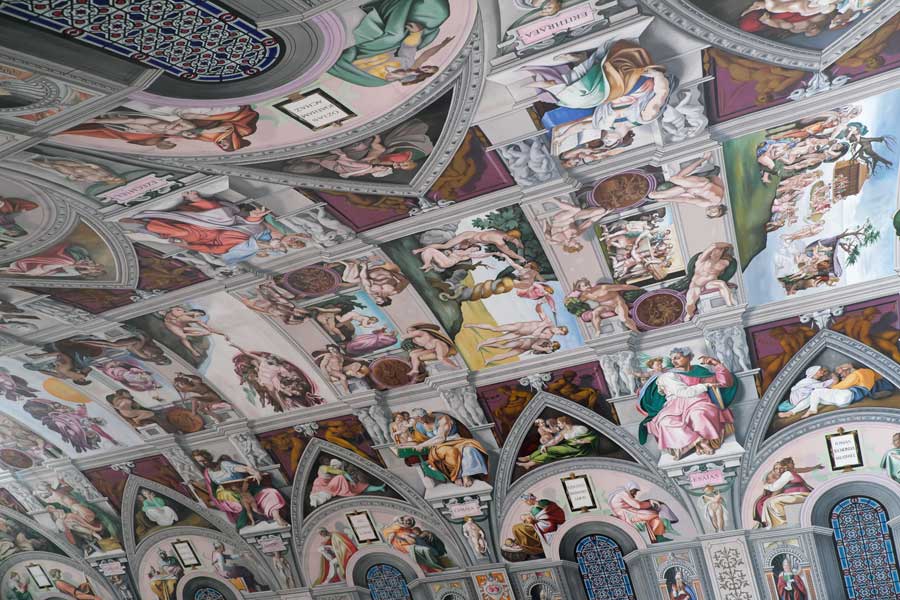
Can’t get to Rome to see the original? Then drop in to the English Martyrs Catholic Church in Goring a little way along the coast, and see the magnificent, and beautifully hand-painted 2/3 replica.
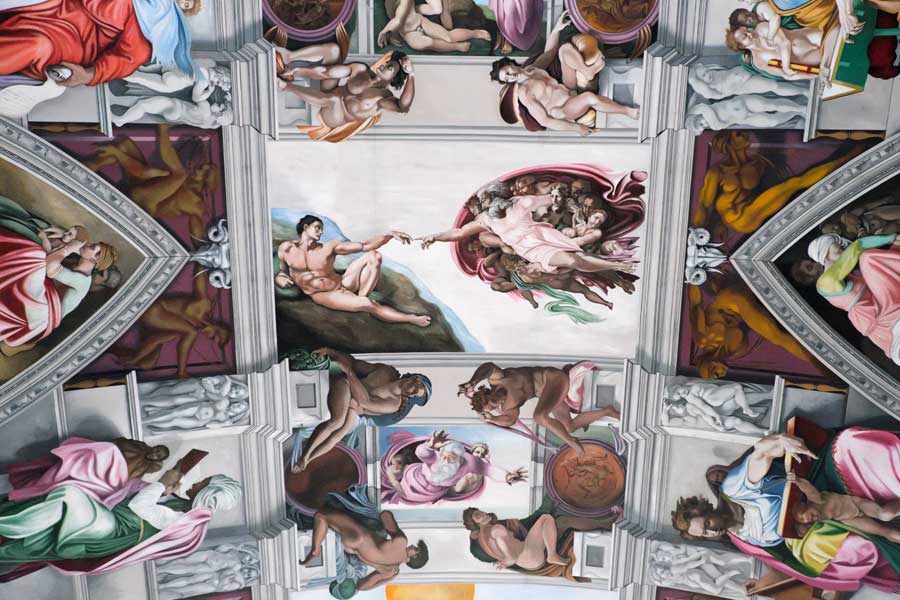
Gary Bevans, a sign-writer from the parish, went on a pilgrimage to Rome in 1987. Finding the ceiling so inspiring, he felt compelled to create his own version back home. After discussions between his church and The Vatican, permission was given to create the world’s only hand-painted replica of Michelangelo’s masterpiece.
And it is amazing!
It took Gary five and a half years, working evenings and weekends, to complete and is exact in every detail. He even had to paint in the windows and arches from the original chapel onto the plain ceiling of the 1960s church.
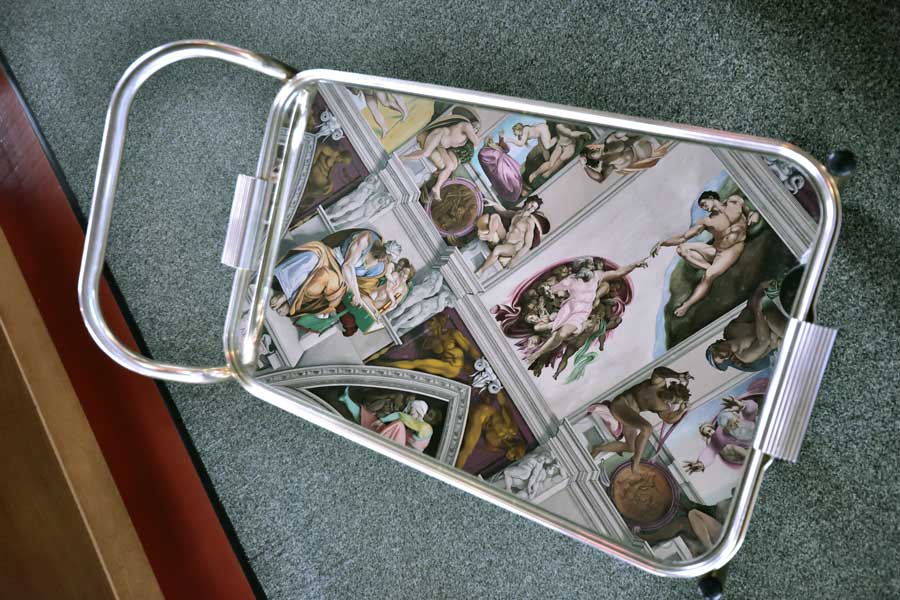
It’s free to visit (donations welcome) and friendly volunteers are on hand to explain its history and any specific details. They even provide mirror trolleys, so you don’t get a crick in your neck gawping overhead!
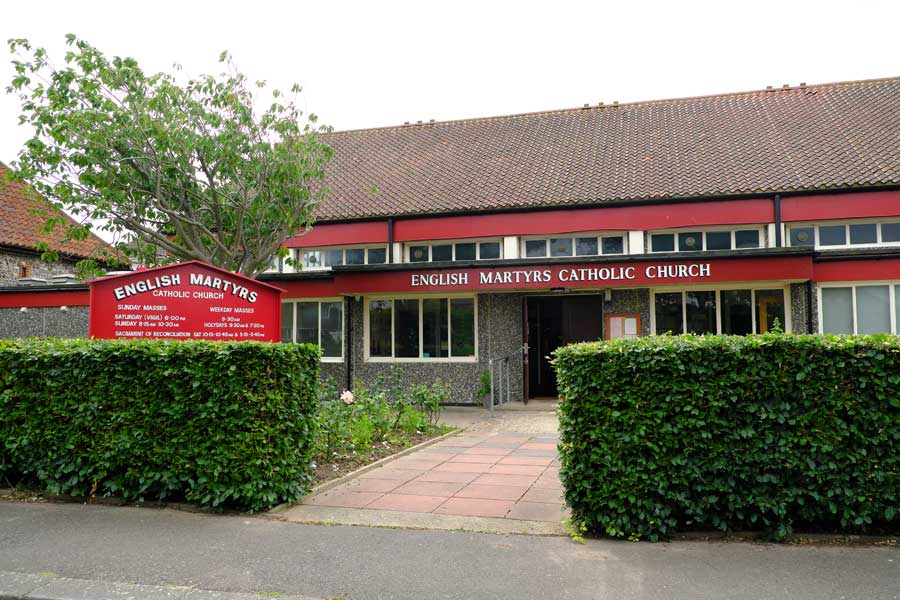
Check their website for opening times and any restrictions, as it is an active place of worship.
The tomb of an eccentric miller
Who was John Olliver, and why did he buy a coffin and erect his own tomb 27 years before he died?
The stories about this colourful character are all apocryphal, but there’s no doubt he was an original.
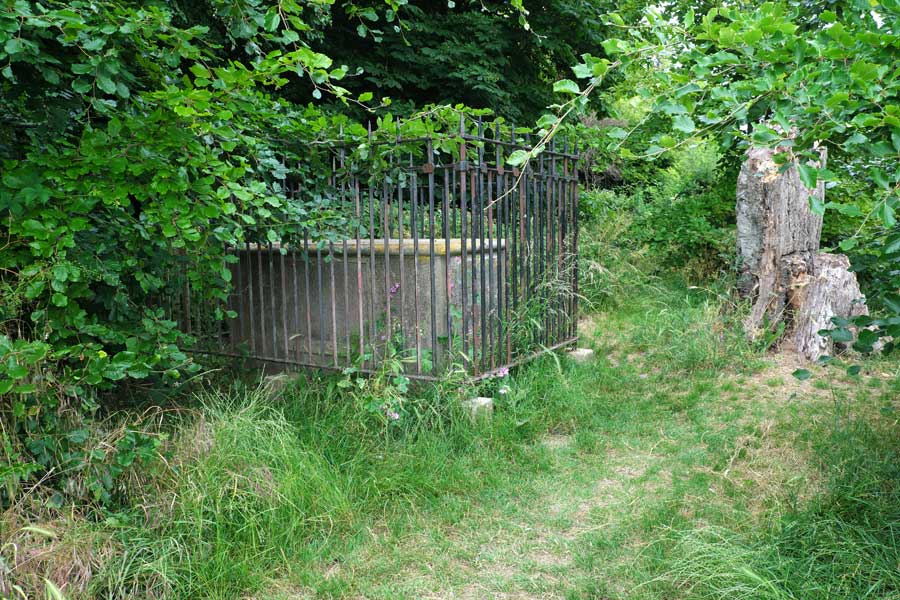
Olliver was born in 1709 and became the miller at the now-vanished Highdown Mill. In 1766 the landowner, William Richardson, gave Olliver permission to build an ornate tomb on the hill overlooking the Downs and the sea.
Why did he want a tomb so soon?
Why did he want to be buried high on a lonely hill instead of in the local graveyard?
And why did Mr Richardson grant him this odd request?
Locals say Olliver was hand-in glove with smugglers, using the sails of his windmill to signal the all-clear and stashing contraband in the empty tomb.
He’s rumoured to have asked to be buried upside down, so he’d be the right way up when the world ends, and there seems no doubt he kept his own coffin on wheels under his bed.
He eventually died in 1793 aged 84, and his funeral was a grand affair.
After his death, the stories continued to grow. It’s said if you run around the tomb seven times (a bit difficult now the trees have grown up around it!) his ghost will jump out and chase you.
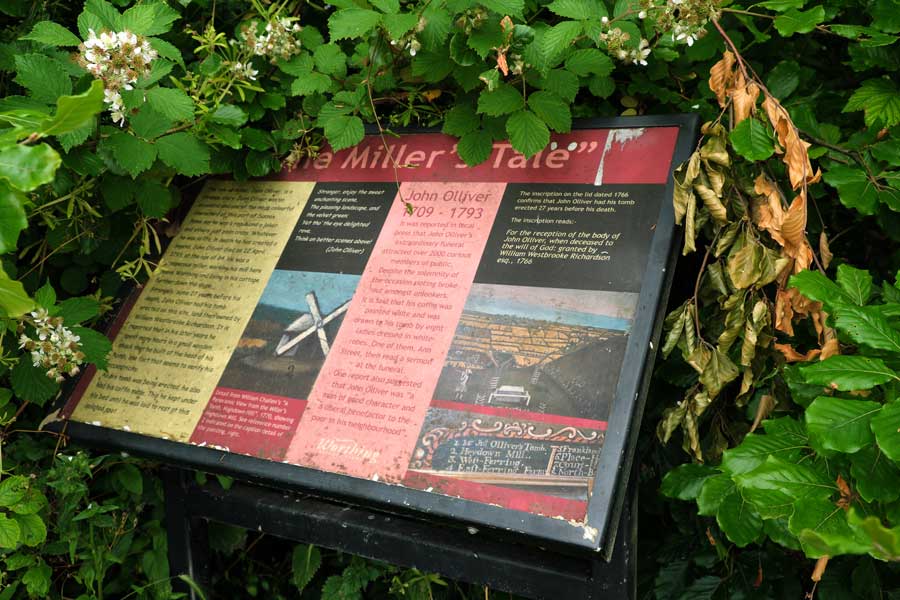
The inscriptions on the tomb are mostly too worn to read now, giving rise to even more stories, but there is one you can still just make out. Under a carving of death, it says:
Why start you at that skeleton?
‘Tis your own image that you shun;
Alive it did resemble thee,
And thou when dead like that shalt be.
Thank you, Mr Olliver for that reminder of mortality!
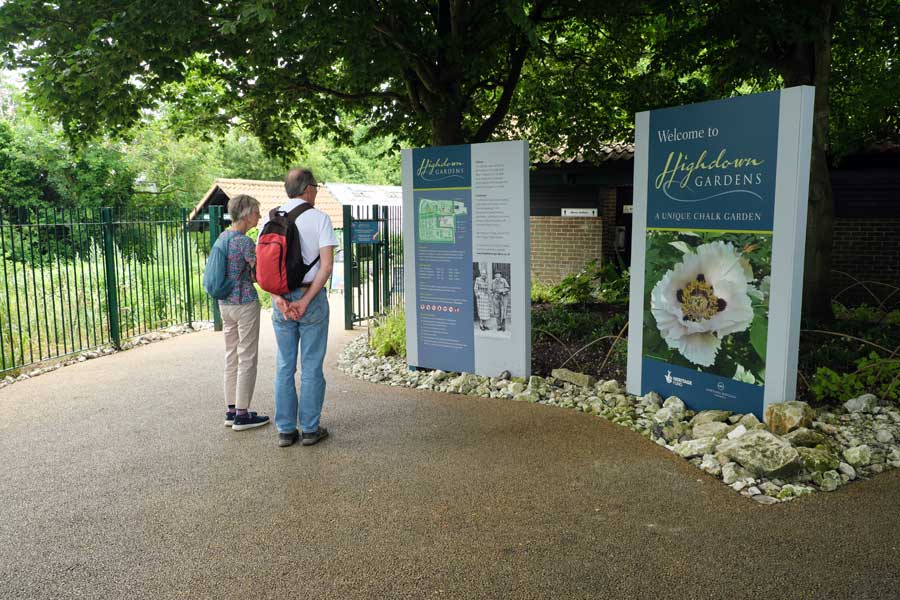
And while you’re up on Highdown Hill, pondering the miller’s tale, take a moment to drop in to Highdown Gardens. Open every day from dawn til dusk and free to enter, it’s a family-friendly, fascinating collection of rare and local plants. Full of snowdrops in spring, roses in summer and trees, birds and wildlife all year long.
Snack attack
Highdown tea rooms, just outside the gardens, do a nice cuppa and a menu of light bites including several vegan choices.
A War memorial – for pigeons
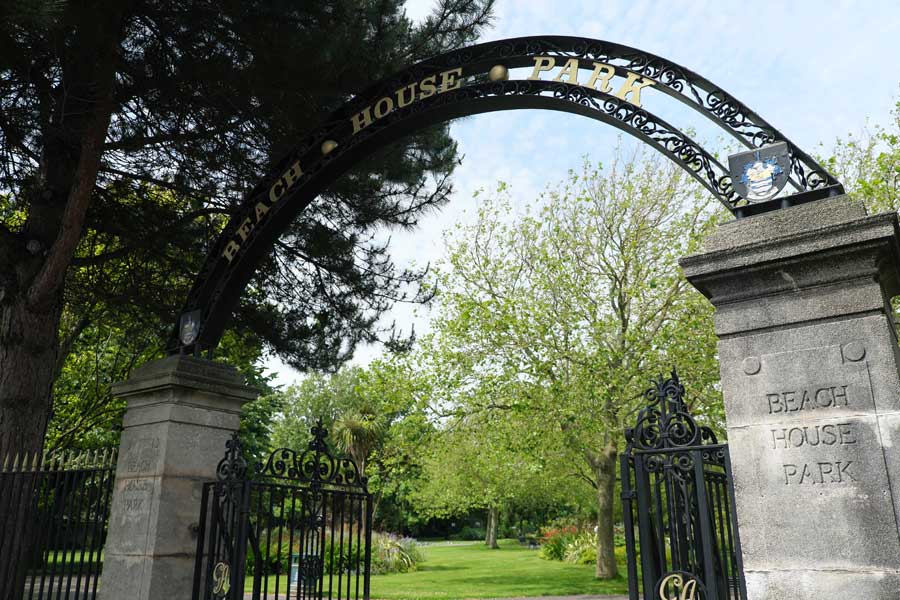
A short stroll from the town centre, just back from the seafront is Beach House Park, with its peaceful paths, pretty flowers, a bee-and-butterfly area and a bowling green.
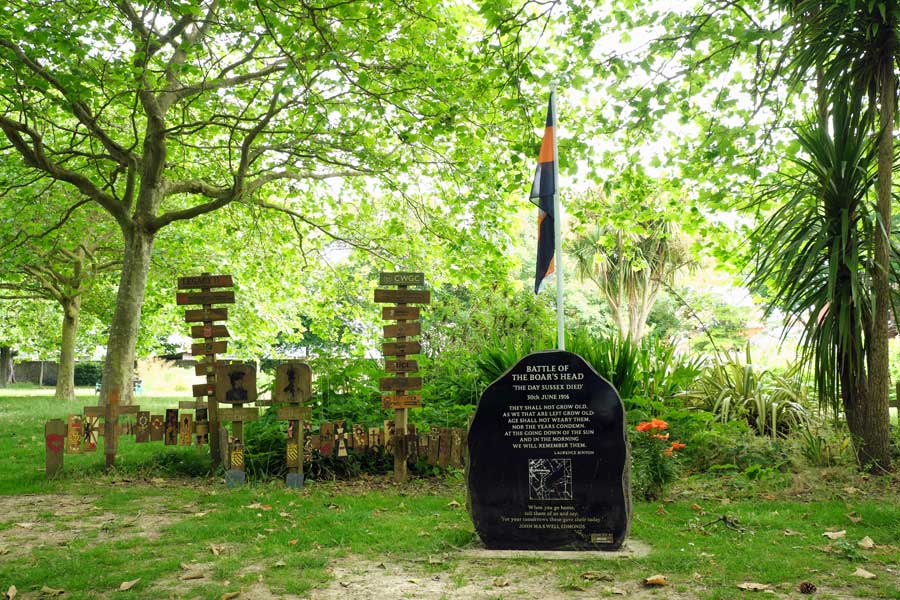
There’s an historic monument to what’s known as The Day Sussex Died – a disastrous WW1 campaign that culminated in the Battle of Boars Head on 30 June 1916 when in just over 5 hours the Royal Sussex Regiment suffered huge losses.
Pause there. Reflect on the tragic loss of life in the fight for freedom.
Then turn around and consider the birds.
Right behind you, on a little mound that sits behind a metal fence, is the Warrior Birds memorial. Built in the 1940s, it commemorates the carrier pigeons who were killed or wounded during active service in both World Wars, taking messages to and from the allied troops.
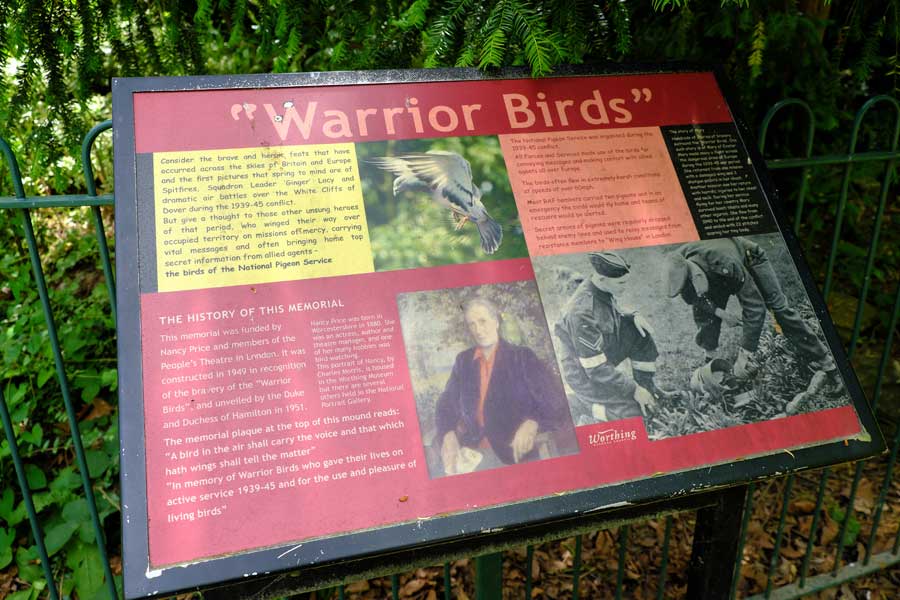
Homing pigeons were used extensively by French, British, Belgian and American forces to deliver top-secret messages by land and sea, but many were killed by snipers or by falcons trained to dispatch and bring them down.
Today there is a small garden, birth bath and stone with an inscription commemorating their bravery. You can peer through the greenery, but the mound is off limits for humans.
It’s strictly for the birds.
Snack attack
We’ve watched the little pavilion café in Beach House Park grow and mature over the years. It’s now a very nice bistro style eatery, with a large outdoor seating area.
Worthing Pier
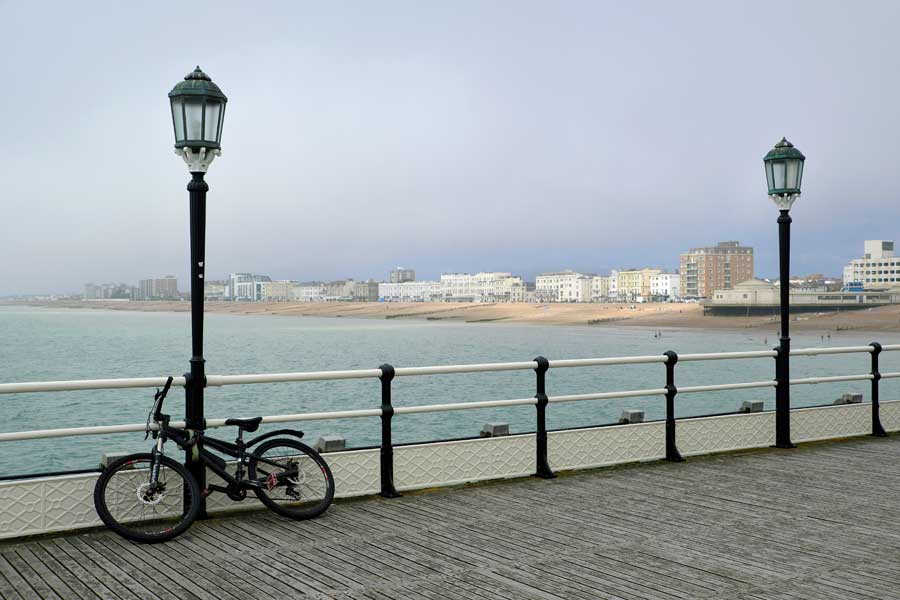
Oh, I do like to be beside the seaside … and stroll along that most British of structures, The Pier.
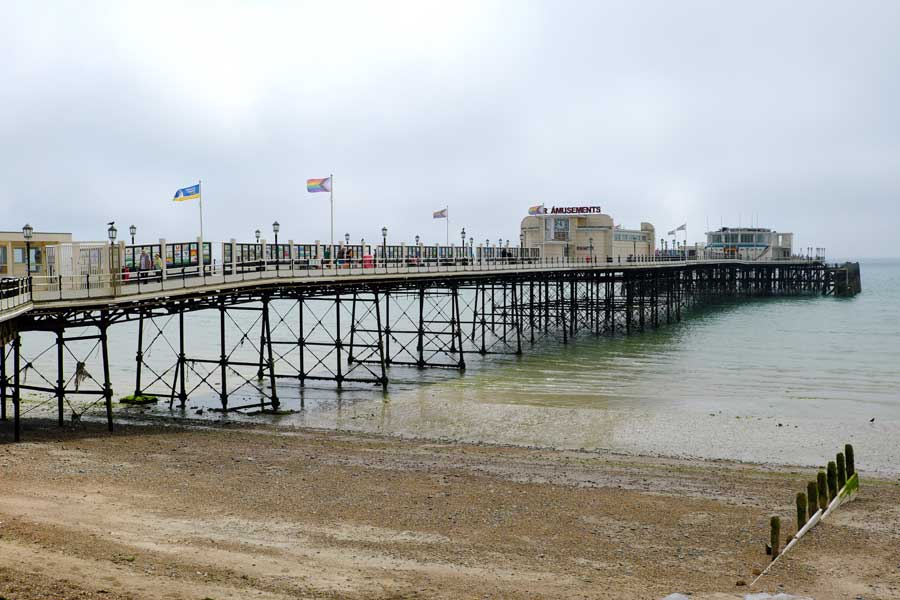
Worthing Pier dates from 1862 but has never been quite as famous as any of Brighton’s piers, but is just as elegant and has also withstood its fair share of storms and fires.
There’s an amusement arcade at the sea end, and the Pavilion shore-side hosts regular shows and events. Don’t expect today’s hot headliners, but the entertainment’s good, if you’re in to tribute bands and old rockers.
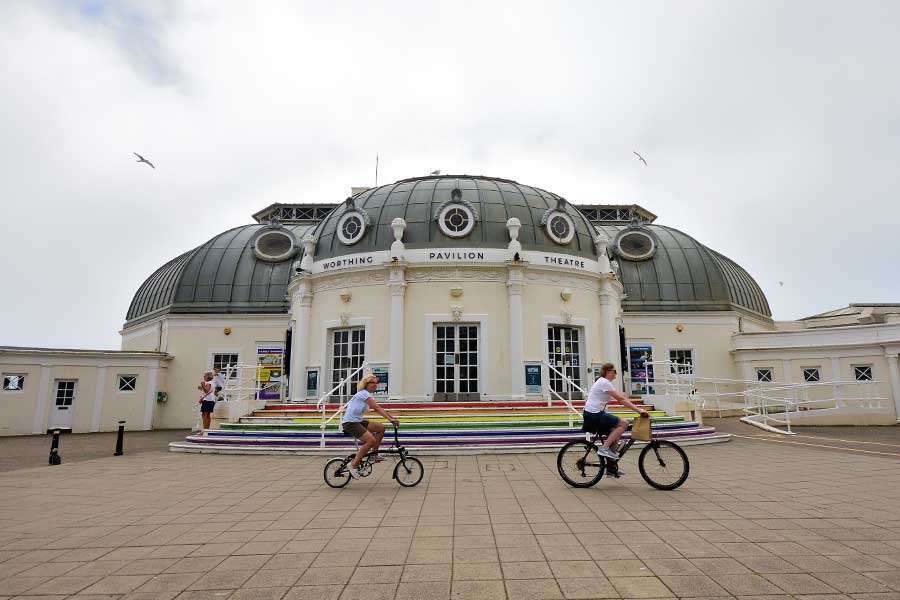
ABC’s singer Martin Fry’s still got it, as far as we’re concerned! And ticket prices are a fraction of what you’d pay in London or Brighton.
Dome cinema
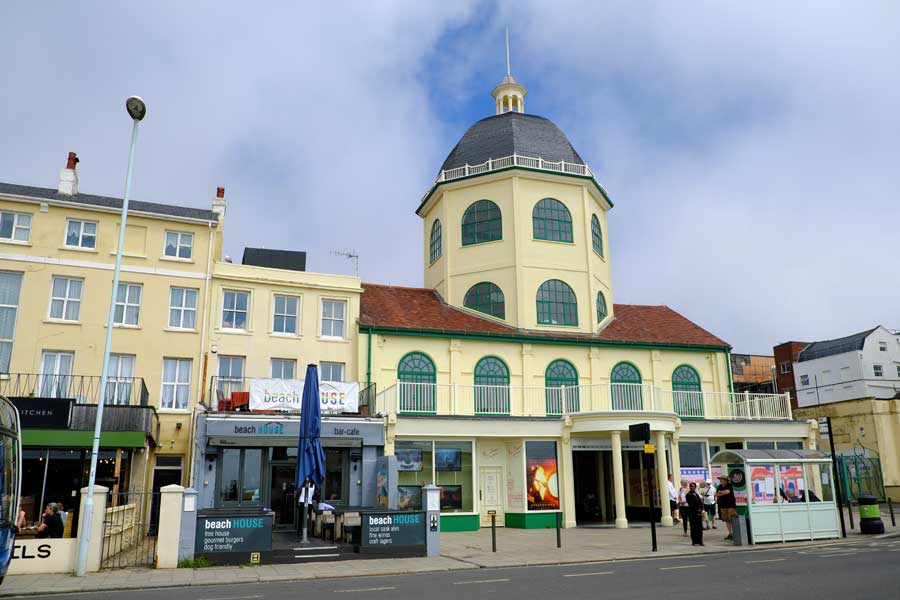
Another blast from the past, preserved and still in use today.
It’s a fully restored Edwardian cinema, first opened in 1911 and, despite several threats to its survival over the years, still going strong.
In 1987, The Dome featured in the hit film “Wish You Were Here”, starring Emily Lloyd and Tom Bell, and by 2018 it was one of the busiest 2-screen cinemas in Europe.
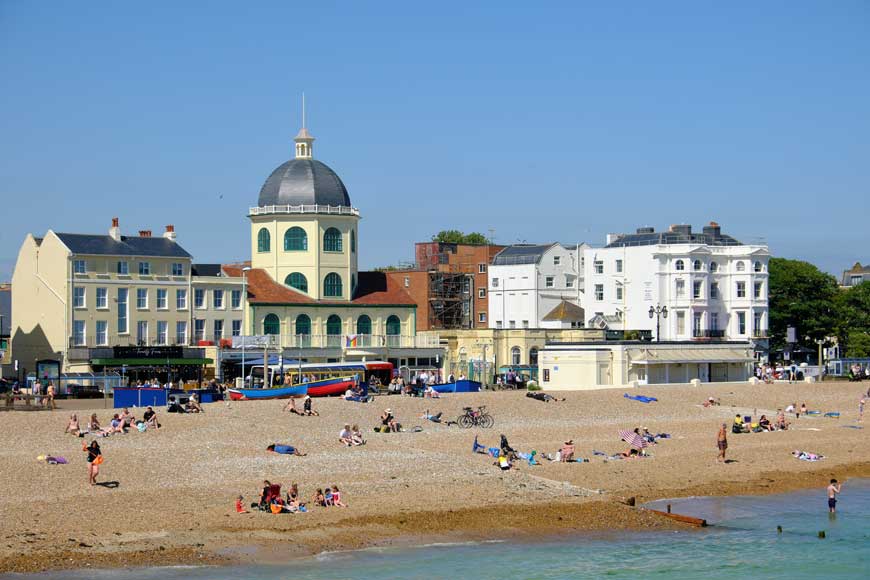
Since then, they’ve added a third screen with just 41 seats, and a double sofa seat on each row, perfect for date nights! You can even hire it for your own, personal film night.
Snack attack
Of course there’s the usual ice-cream, chips ‘n’ doughnuts on offer (beware seagulls!) but Pork Belly prefers the sausage rolls and pies from Magpies, just beside the entrance to the pier.
Salvington Hill Windmill
John Olliver’s mill is long gone, but this one still stands on the Downs above the town.
Built sometime around 1756, the mill kept Worthing folk supplied with flour for nearly 150 years, until it closed in 1897. For years, it stood empty until a violent gale in 1976 damaged it and a trust was set up to restore this slice of baking history.
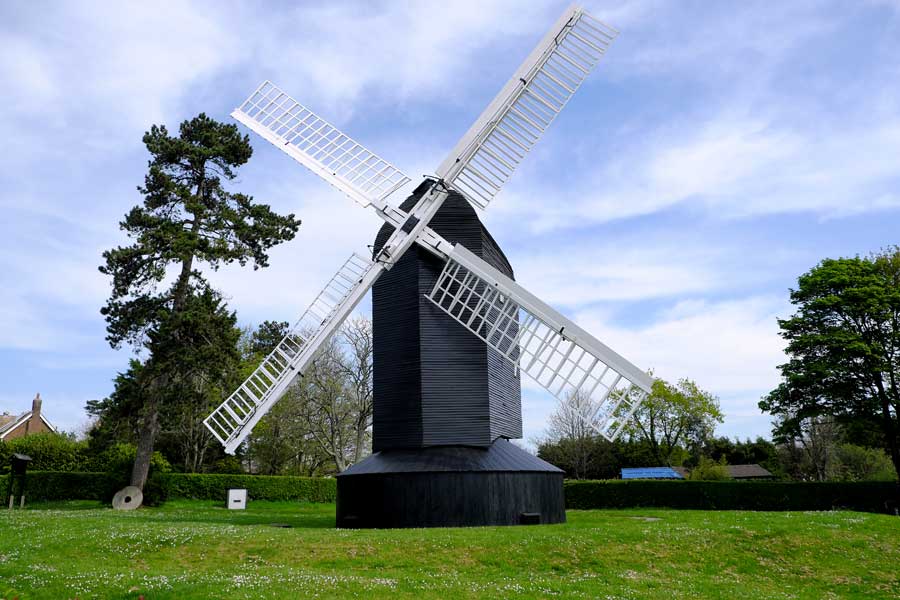
It now grinds grain again and is open to visitors on the afternoon of the first and third Sunday of every month from April through to September.
For more information, see their website.
Jane and Oscar, literary giants in Worthing
Sadly, the Haven Hotel where Oscar Wilde wrote The Importance of being Ernest in 1894 (and named a character Jack Worthing after the town) has been demolished and is now a garage and office block. So nothing to see there, sorry.
Typically, Oscar was witty in his praise of Worthing.
‘It has beautiful surroundings and lovely long walks – which I recommend to other people, but do not take myself.’
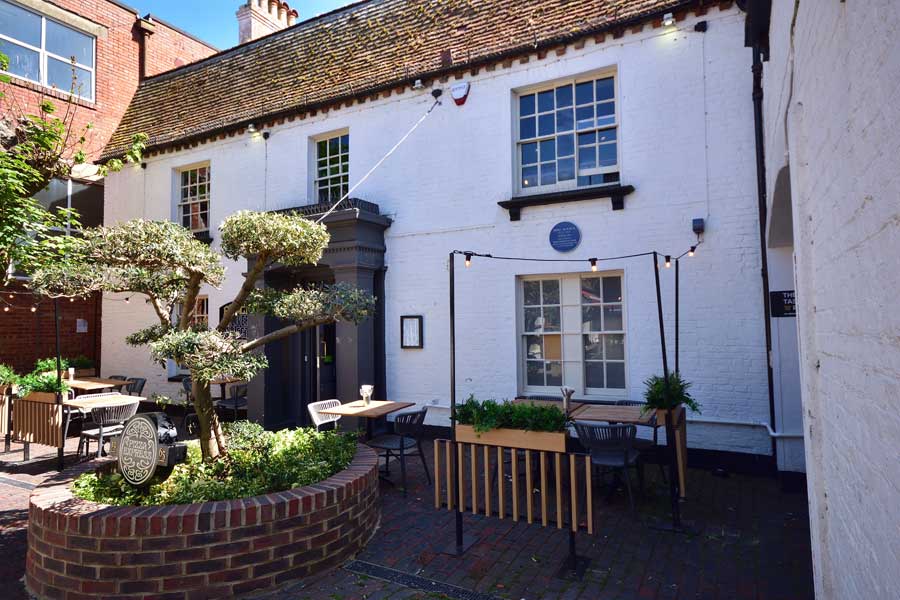
Fortunately, the house where Jane Austen stayed in 1805 is still around. Stanford Cottage, now a Pizza Express, is just off the main shopping area of Warwick Street, but in Jane’s day it would have been a much quieter location.
At the time Jane was writing, but was not yet published, but it’s entirely possible that she based her unfinished novel Sanditon on Worthing and the drive of her friend Edward Ogle to turn it into a fashionable resort.
As with the fictional Sanditon, the campaign was doomed to failure, and Worthing never quite managed to rival its neighbours.
But still, quite interesting!
Getting to Worthing
If you’re coming from abroad, Worthing has good road and rail links from both Gatwick and Heathrow airports. For cross -channel arrivals, Dover, Newhaven and Portsmouth are also within easy reach, via the A27.
Train services from London Victoria take around 80 minutes and the station is only a little way from the centre and the seafront.
Where to stay in Worthing
As you’d expect from a well-established seaside resort, there are dozens of guest houses and small hotels.
Find out more about Worthing on the Time for Worthing website.
Of course Worthing has other wonders like the Art Deco Connaught Theatre, originally built as the Picturedrome cinema in 1914, and its tenuous link to Star Trek, the original Worthing station built in 1845, and The Worthing Wurlitzer. Maybe we’ll write about them when we return for more quite interesting things to see in Worthing.
All images copyright © rosemaryandporkbelly
Where to next?
• 6 quirky things to see in Bognor Regis
• Weird and wonderful things to see in France
• Agnes Marshall, queen of the Victorian ice-cream scene