
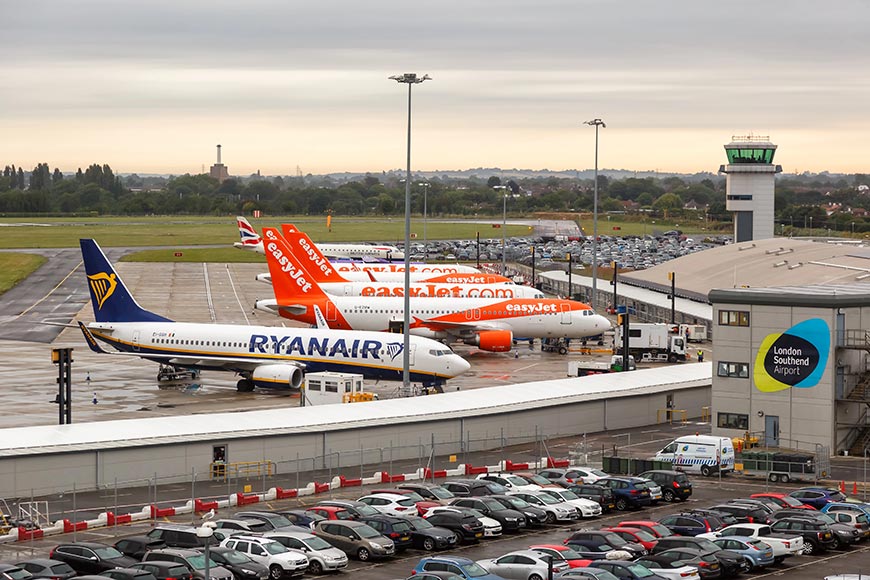
Michael O’Leary stood in front of reporters in London this week and told them, with the total confidence of a man who has said this before, that flight prices are going up. Oil prices are the culprit, he said, driven higher by the ongoing Iran war, and the rise heading into summer 2027 will be a proper one.
Before anyone quietly redirects next year’s holiday fund into a savings account they’ve promised not to touch, a bit of context is worth having. O’Leary has delivered some version of this warning roughly once every eighteen months for as long as most of us have been renewing our passports.
In 2022 it was Russia’s invasion of Ukraine putting an end to the tenner flight. Later that same year he was back blaming Brexit staffing shortages for exactly the same thing. Fares did go up both times. They also go up most years regardless. A budget airline boss predicting higher prices isn’t much of a scoop, it’s closer to a weather forecast.
None of which makes him wrong this time. Oil is genuinely expensive at the moment. As of 24 September, Brent Crude spiked to $108 a barrel after fresh strikes in the Gulf, though talks on reopening the Strait of Hormuz were reportedly underway the same day, so don’t be surprised if that number’s moved again by the time you’re reading this.
Airlines burn a lot of fuel, and pricier fuel tends to show up on the ticket eventually. But “will probably edge up” and “dramatically” are carrying very different weights in that sentence, and Ryanair has a habit of reaching for the second one at press conferences.

Here’s the bit O’Leary didn’t mention at the podium. Airlines buy their fuel months or years ahead through hedging contracts, locking in a price now for fuel they’ll burn later. Ryanair did exactly that early, and reportedly has around 80% of its financial year 2027 fuel needs locked in at roughly 67 dollars a barrel, well below where oil is trading today.
Wizz Air and easyJet aren’t as comfortably covered and are more exposed as their older, cheaper contracts run out. So the airline making the doom-laden prediction is, for the moment, sitting on the best insurance policy in the business. Make of that what you will.
It’s also worth remembering that nobody, including O’Leary, actually knows what oil will cost by next August. Trump has suggested the war could wind down shortly after the US midterms in November, with prices falling sharply once it does. Forecasting fuel a year out is closer to guesswork, but that hasn’t stopped quite a few airline bosses from doing it this year.
What about autumn and Christmas this year?
October half-term flights are always pricier than term time, war or no war, so don’t mistake ordinary seasonal pricing for something new. That said, this year the two are stacking. Airlines have already been trimming schedules over the summer to manage fuel costs, and a handful, including KLM, cancelled European routes outright citing the same pressure.
The reassuring part is that none of the big UK names have followed through with an actual fuel surcharge on your ticket. Jet2 ruled one out for all bookings, and easyJet and TUI followed within a day of each other, with easyJet holidays going as far as promising no surprise extra payments on existing or new bookings.
Ryanair and Wizz Air say fuel costs are baked into their pricing model already rather than bolted on as a separate line. Whether that holds through Christmas and into next summer is the thing to watch, but as of now the household names are choosing reassurance over rhetoric, which is more than can be said for the press conferences.
Is anyone else in trouble?
Yes, though “in trouble” covers a wide range of company sizes here, and it’s worth keeping that in proportion. A run of smaller UK operators have gone under: Gold Crest Holidays after more than 30 years running coach trips to Paris, along with Regen Central, Asiara UK and Simply Florida, all within a few weeks of each other in January and February.
More recently, Barnes Worldwide Travel folded after 19 years trading, Golf Villa Rentals stopped trading in August, and Frasers Travel, a family firm in Scotland, closed after more than 40 years in business. Worth saying plainly, these are small and specialist operators rather than household names, and several were struggling with problems that had nothing to do with oil prices. Barnes Worldwide was a travel agent rather than a holiday operator, which matters because it means bookings made through them are still protected by whichever tour operator is named on the ATOL certificate. That’s the whole point of the scheme.
So, the actual advice?
Book as you normally would. Check your package is ATOL protected, because that costs nothing and saves a great deal of grief if a smaller operator does go under. And don’t let one press conference talk you into overpaying now on the theory that everything will cost more later, because that’s precisely the reaction O’Leary is hoping for. If his track record holds, this time next year we’ll either be nodding along to a nearly identical warning about summer 2028, or quietly booking a perfectly reasonable flight to Faro and not thinking about any of this again.
Sources:
O’Leary’s fare warning and quotes: The Journal, “Michael O’Leary says he has ‘no doubt’ air fares will increase next year”
Oil price figures: Current price of oil as of September 24
Early 2026 travel firm collapses (Gold Crest, Regen Central, Asiara UK, Simply Florida): The Business Investor, “All the UK travel firms collapsing and cancelling holidays in 2026”
More recent collapses (Barnes Worldwide Travel, Golf Villa Rentals, Frasers Travel): AOL, “UK travel firm collapses after 19 years, advice issued for customers with booked holidays”
Airline fuel hedging positions: Holiday Extras, “Airline Fuel Hedge Tracker”
No-surcharge commitments from Jet2, easyJet, TUI, Ryanair and Wizz Air: TravelMole, “Leisure and low-cost airlines in the UK refuse to impose fuel surcharges”
This post reflects reporting and figures available as of late September 2026. Oil prices, airline pricing policies and company trading positions can all change quickly, so treat the forecasting elements as informed opinion rather than guaranteed outcomes. It isn’t financial or travel advice. Always check a holiday’s ATOL or ABTA protection and confirm current prices directly with the airline or operator before booking.
If you’ve enjoyed browsing our website, learned something new, or just had a smile because of what we do – we’d love your support to keep the good stuff brewing!
Travelling soon? Things to do and attractions not to miss with Get Your Guide …