
With so many exotic travel locations off limits right now, home-grown tourism is the answer. But did you know you can visit Moscow without crossing Russian borders, drive overland to sunny California, or explore Egypt without boarding a flight?
Placenames are duplicated all across the world, and some are very obvious namesakes. But there are others, tucked away in unexpected places, and the UK has dozens of them!
Here are 14 places in the UK which will take you around the world, without leaving the country.
Boston
This small town in Lincolnshire is the forebear of the historic Massachusetts city, and locals are called Bostonians, just like their American counterparts.

Boston was a hotbed of religious dissent in the 17th century and in 1612 John Cotton, Vicar of St Botolph’s, encouraged those who demanded religious freedom to join the Massachusetts Bay Company and emigrate.
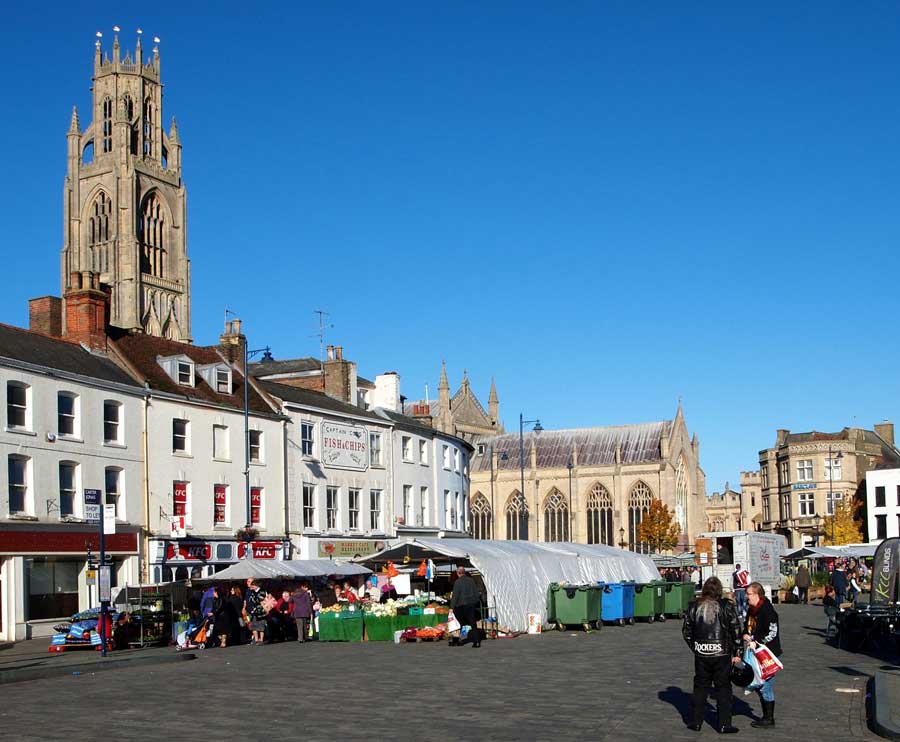
Boston, UK hasn’t grown as much as its US counterpart, but it is home to the largest parish church in England, St Botolph’s Church, known as The Stump for its tall towers which on a clear day can be seen from as far away as Norfolk.
New York
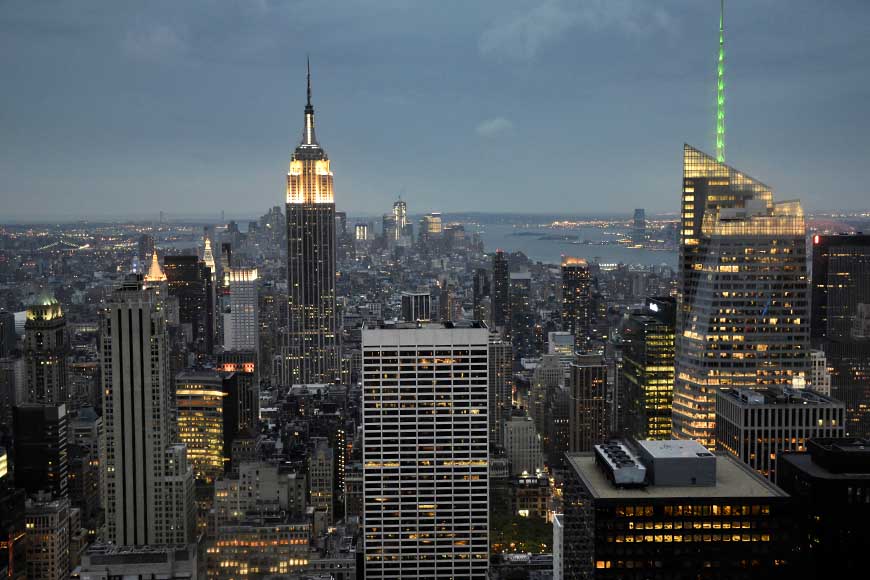
New York, New York, so good they named it – once! Well, the one on Tyneside anyway.
The English hamlet was just a dot on the map, established in Anglo-Saxon times, but it didn’t have an official name until the Brits captured New York in 1776 during the American War of Independence. So it became New York to celebrate the victory.
Today it’s not so much The Big Apple, more The Little Seedling.
New York UK. Photo credit: Google Maps
Fun fact
Boston, Mass is just over 3 hours drive away from New York City.
Boston, Lincs is about 3 hours drive away from the Tyneside New York.
Philadelphia
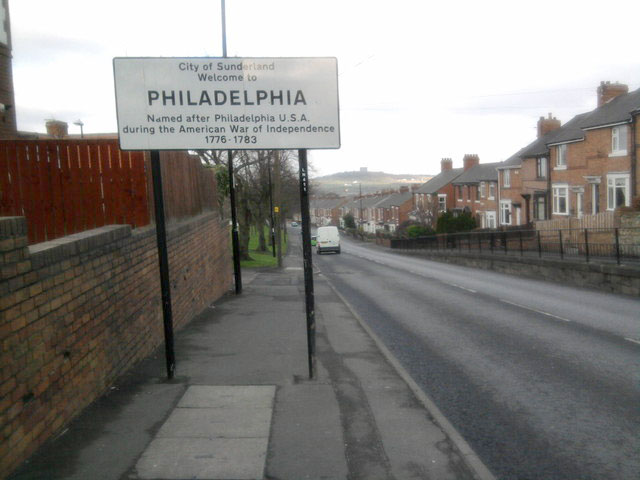
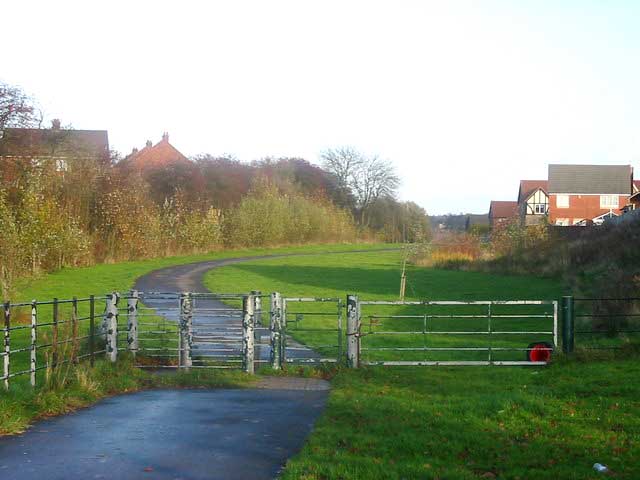
It’s a similar story for this village just south of Sunderland, where the local colliery owner decided to rename the hamlet when the British captured Philly.
Clearly he was very patriotic, and wealthy enough for no-one to object.
The village cricket field is named Bunker Hill after the famous battle.
Woodstock
‘By the time we got to Woodstock
We were half a million strong ..’
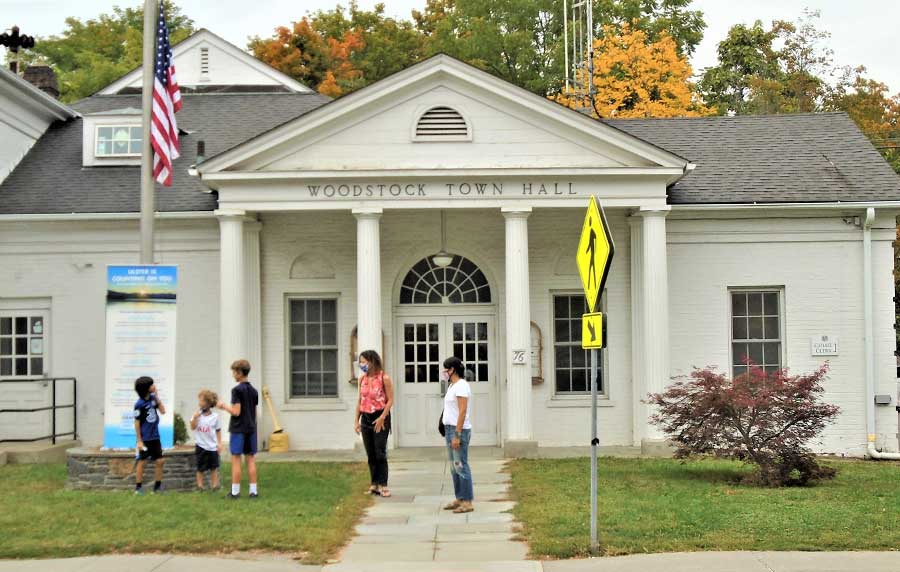
This ancient town in Oxfordshire, established by Royal Charter in 1453, has its fair share of visitors, but half a million music fans?
Definitely not!
Instead, it’s a great spot for history lovers, Chaucer’s House, Blenheim Palace and Sir Winston Churchill’s grave are all nearby.
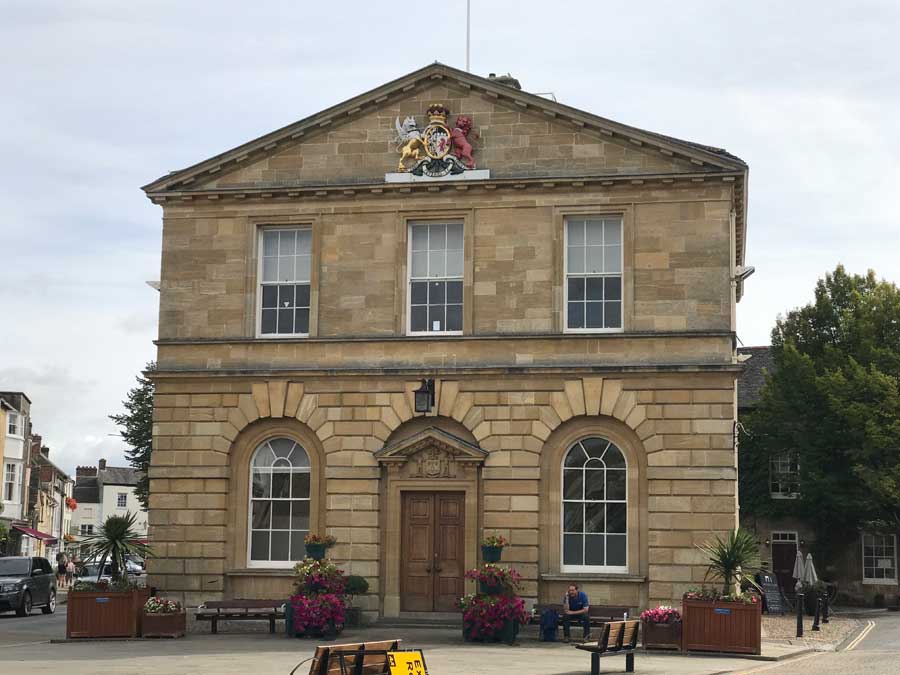
It’s a typical English town, with market square, town hall and unusual stocks with five holes instead of the usual three.
All the better to secure the local miscreants!
Holland
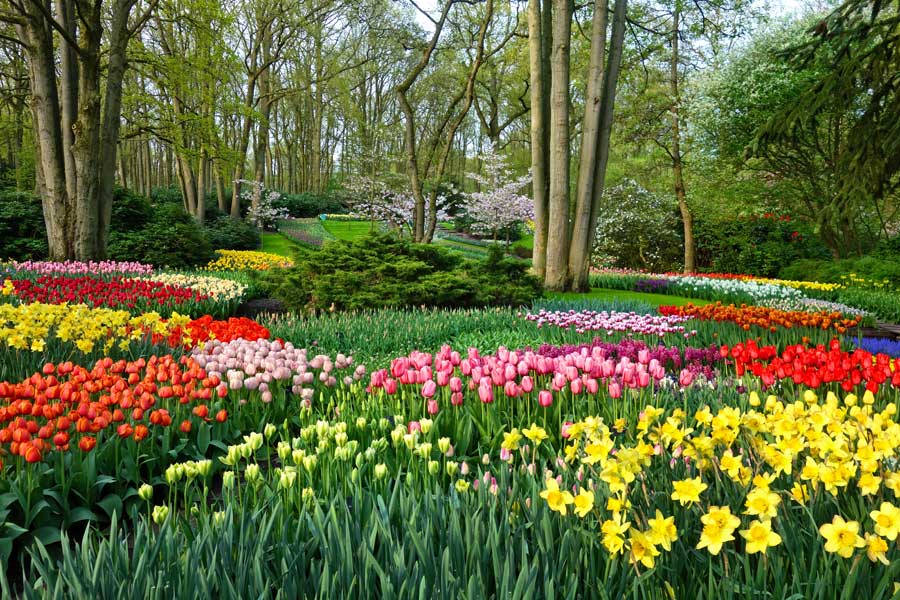
Don’t expect a large tulip garden or a Gouda museum in this Surrey town, it’s a purely residential area in London’s commuter belt.
Situated just off the M25, it’s part of Oxted, which was mentioned as a settlement in the Domesday Book, but little remains of Holland’s medieval past.
However, nearby you’ll find The Old Barn, once a concert hall for cellist Beatrice Harrison. She was famous for a moment of radio history, as on the 19th May 1924 she played live in the venue’s garden while nightingales sang all around.
Bermuda
This might be a bit of a disappointment if you’re expecting turquoise seas, palm trees and a rum swizzle.
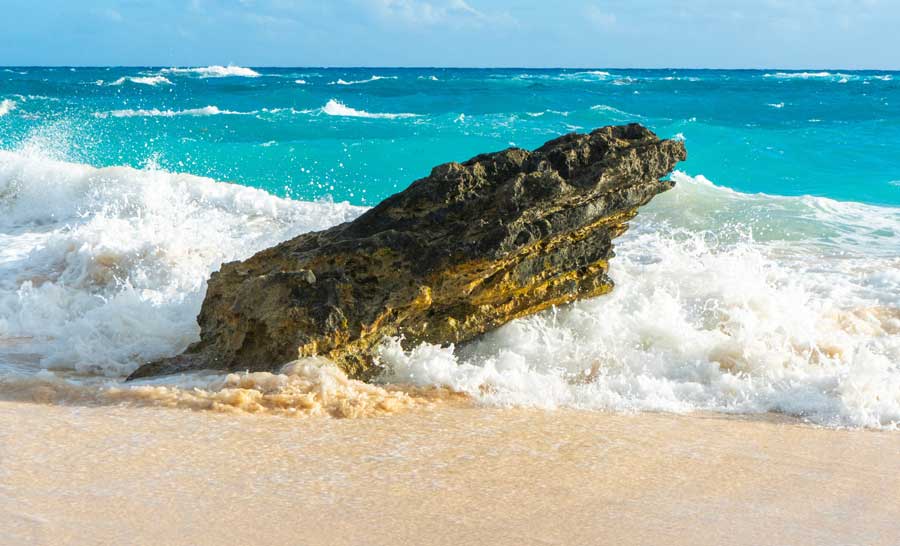
Now a suburb of Nuneaton in Warwickshire, the village was originally built in 1893 to house workers in the Griff Colliery, and named after landowner Edward Newdegate a former governor of Bermuda.
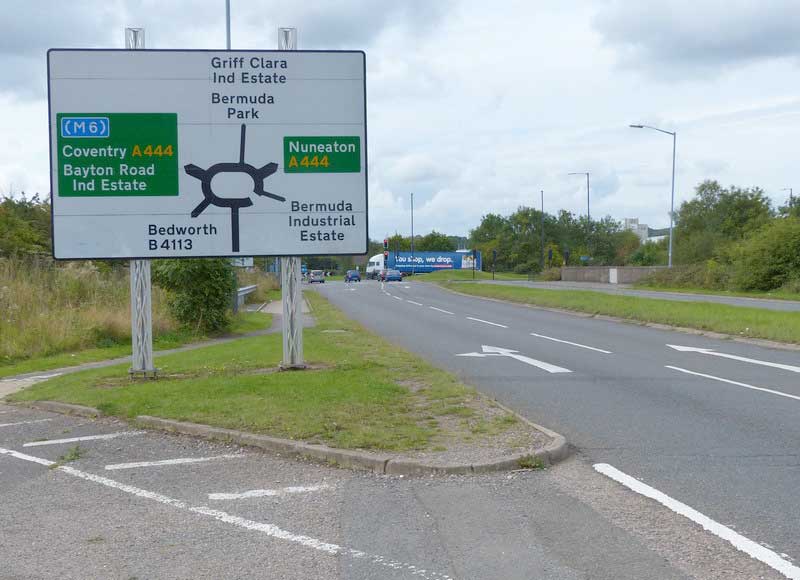
Sadly no pink sand beaches or luxury yachts, but you can cruise the Coventry Canal which passes close by.
California
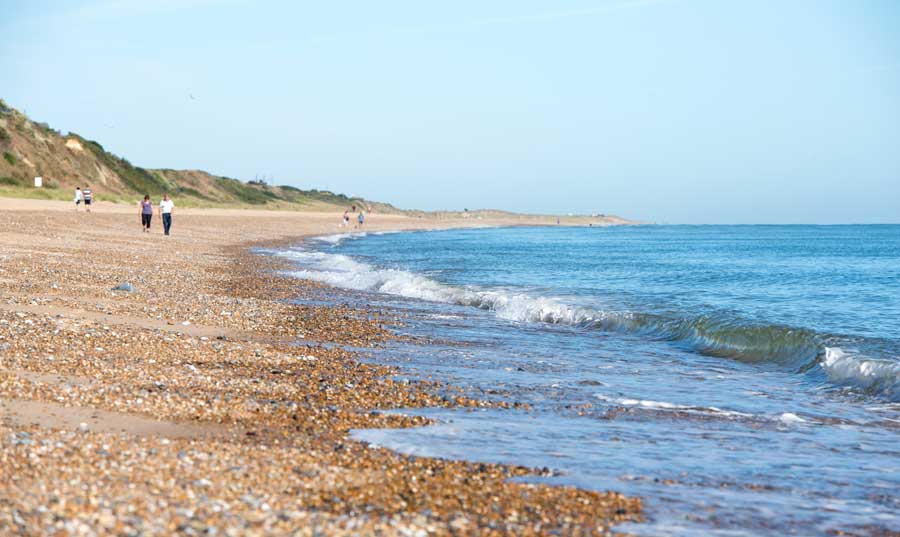
That’s the sunshine coast of Norfolk for sun, sea, sand and a bucket of chips, of course.
It has something in common with its American counterpart, being named for its very own mini gold rush.
A few 16th century gold coins were unearthed on the beach in 1848, just as the American Wild West was gripped by gold fever.
Gibraltar
The road to Gibraltar, UK. Photo credit: Google Maps
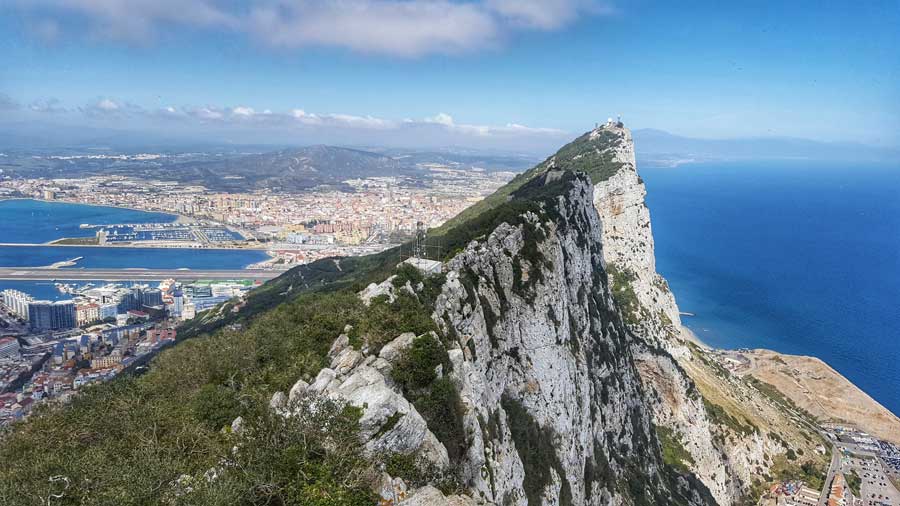
No, not the famous rock off the Mediterranean coast of Spain, but a tiny hamlet in Buckinghamshire.
It was originally known as Little Worth, but legend says it was renamed when a local sailor returned from Gibraltar in the 17th century, bringing with him a bout of cholera.
Nice!
Egypt
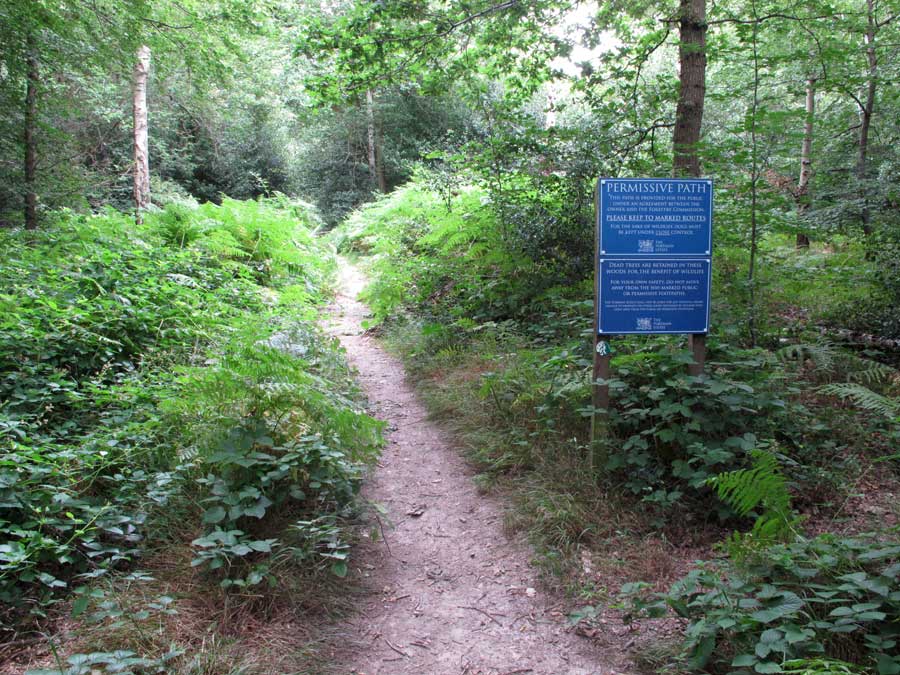
The English Egypt is a hamlet tucked away in Buckinghamshire, and it’s possible the name comes from the fact it was once a common settling point for Romani travellers.
The term ‘gypsy’ for travellers derives from a Greek word which means Egyptian. It was once a common belief that Romani people originated in Egypt.
Today most travellers will miss it, as the A355 between Slough and Beaconsfield runs right through it and there’s not a pyramid in sight.

Moscow
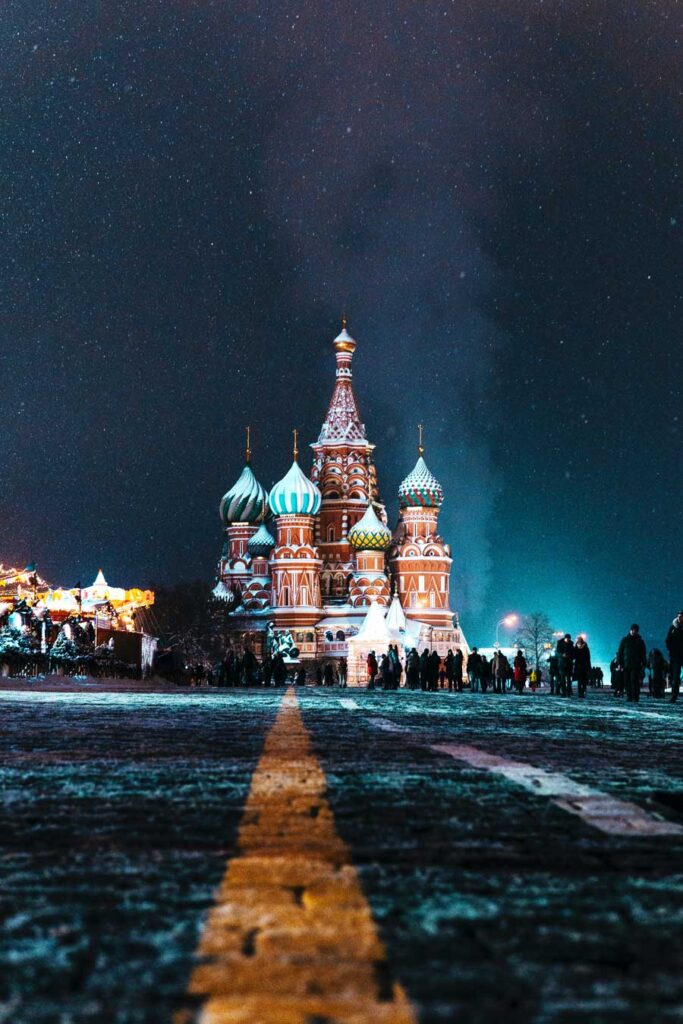
Certainly not one of the largest cities in the world, and not home to the Ostankimo Tower or Saint Basil’s Cathedral.
The town of Moscow in Ayrshire, Scotland was probably originally called ‘Moss-haw’ or ‘Moss-hall’, but was always being misspelled.
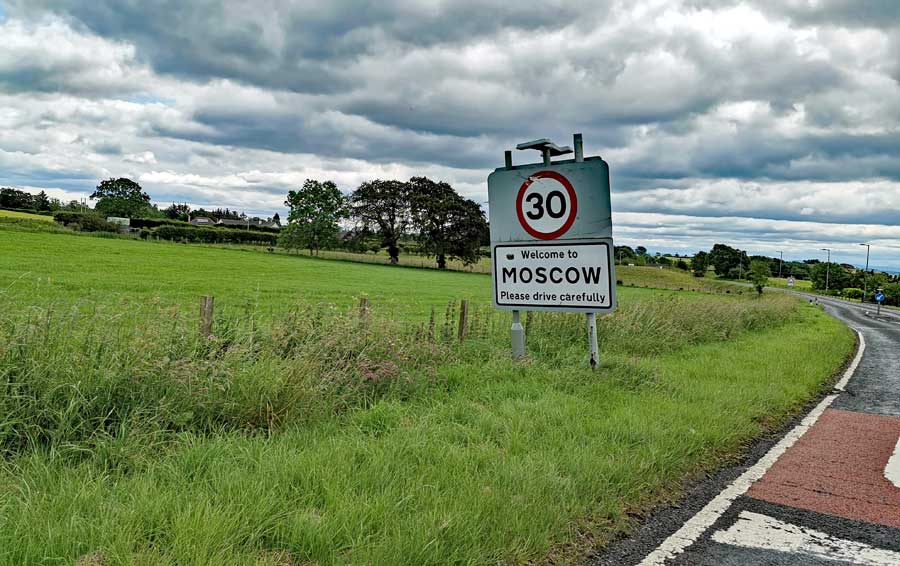
They formally adopted its new name in 1812 to mark Napoleon’s retreat from the Russian capital.
Locals still refer to the nearby land and forest as ‘Little Russia’.
Florence
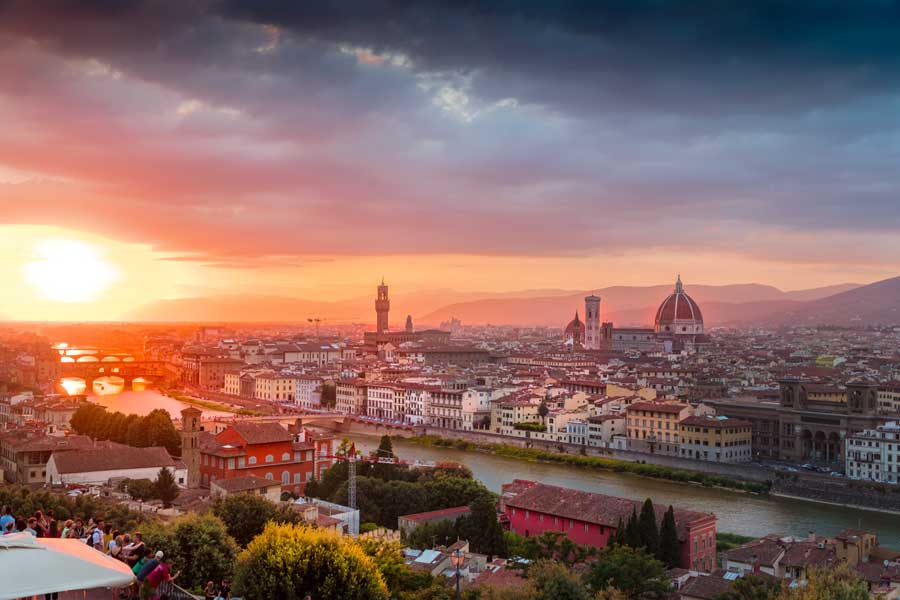
Actually not far from Dresden and with no known links to its Italian counterpart, this Staffordshire town is a suburb of Stoke-On-Trent.
The 3rd Duke of Sutherland opened a colliery here in the 1870s, and named it after his eldest daughter. The pit, one of the most productive in the area, closed in 1990, but the name has stuck.
Palestine
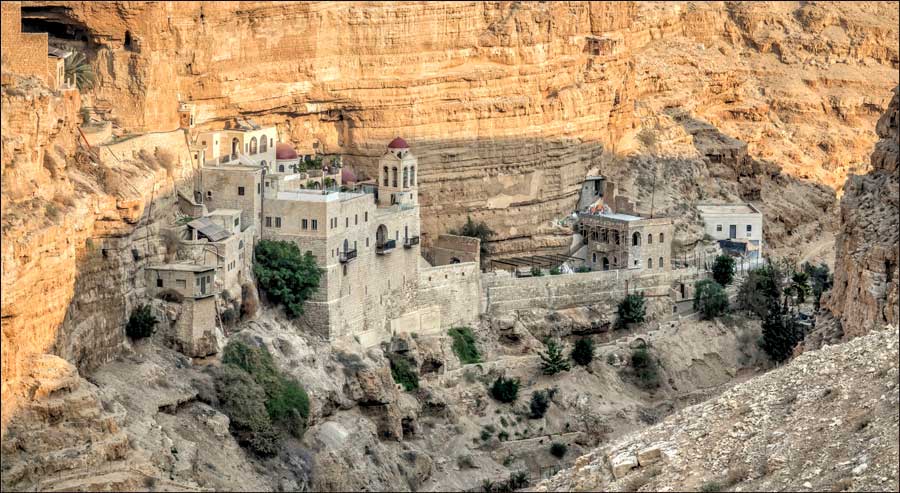
You’ll need to dust off the passport if you want to visit Palestine in the Middle East.
However, there was once a scheme in Hampshire known as ‘Land fit for Heroes’ which was aimed at helping former First World War soldiers resettle at the end of hostilities. It’s thought that the name was chosen to reflect the fact that many of them served in the Middle East.
Perhaps not the most tactful choice.
It’s a small country hamlet in the civil parish of Over Wallop near Andover with lots of great walking and cycle routes through the Test Valley.
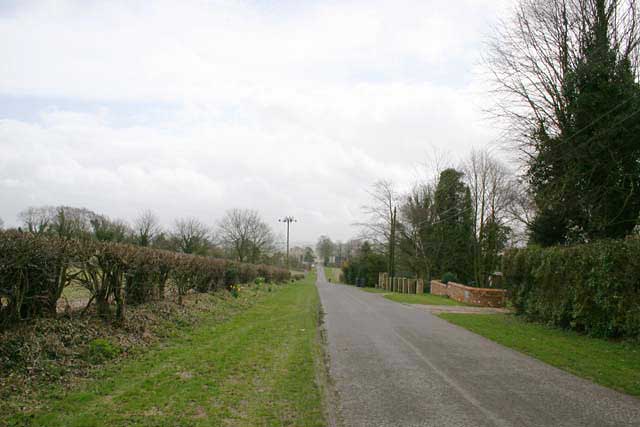
Take the train from the nearby station, and you can travel from Palestine to London in an hour and a half. No passport required.
Hollywood
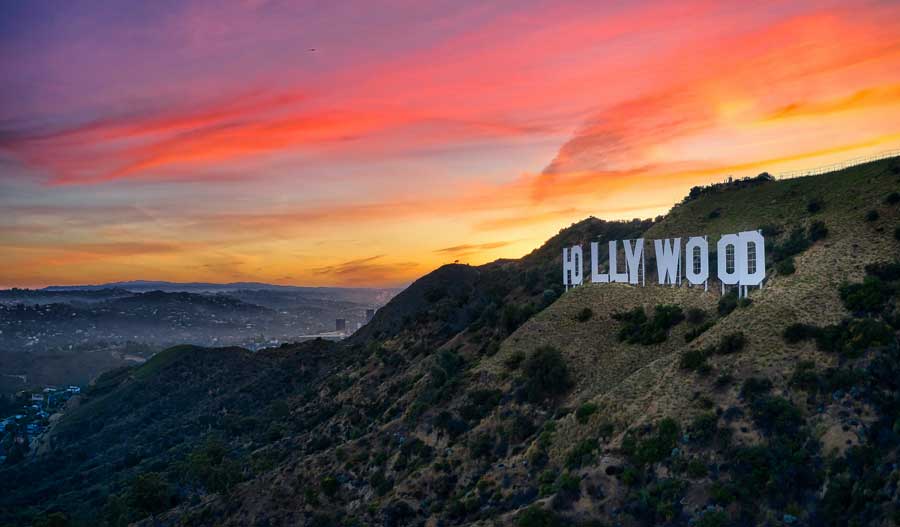
Just south of Birmingham you’ll find a tiny village which is not home to the stars, although Alan Dedicoat, Voice of the Lottery, is said to have been born there.
Hollywood UK. Photo credit: Google Maps
It probably owes its name to areas of woodland nearby which were once full of holly bushes.
The place has been around a lot longer than its American namesake, being mentioned in documents as far back as 1250.
Fun fact:
In 1862 Birmingham resident Alexander Parkes patented his discovery of celluloid which later made its way to Tinseltown!
Botany Bay
And finally there’s Kent’s very own beautiful Botany Bay, with its stunning chalk cliffs, smooth sandy beach and fascinating rock pools.
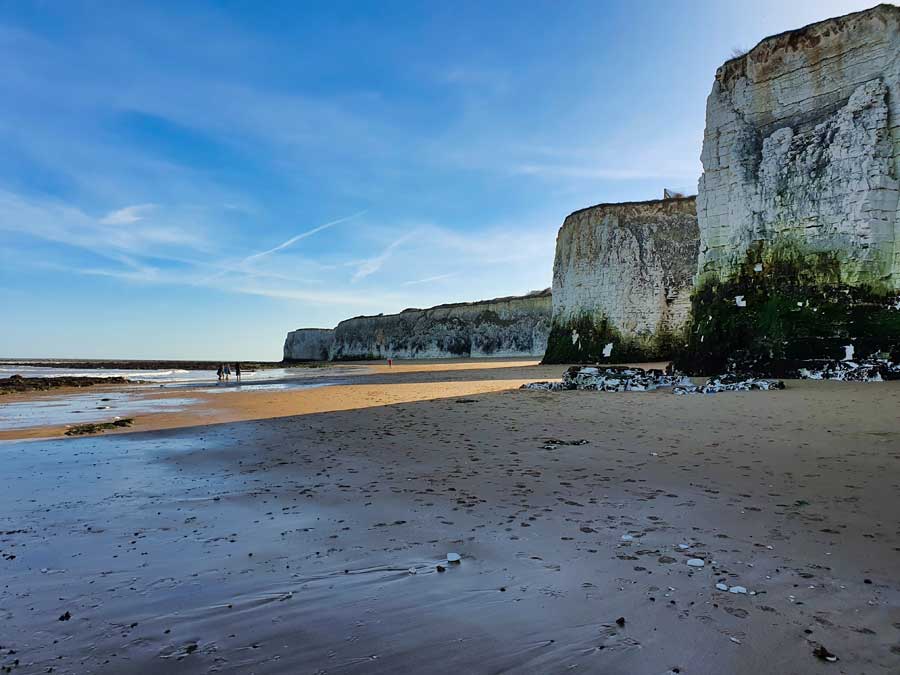
Once a landing spot for smugglers, it’s thought it got its name from those who were captured and sentenced to transportation to the infamous penal colony Down Under.
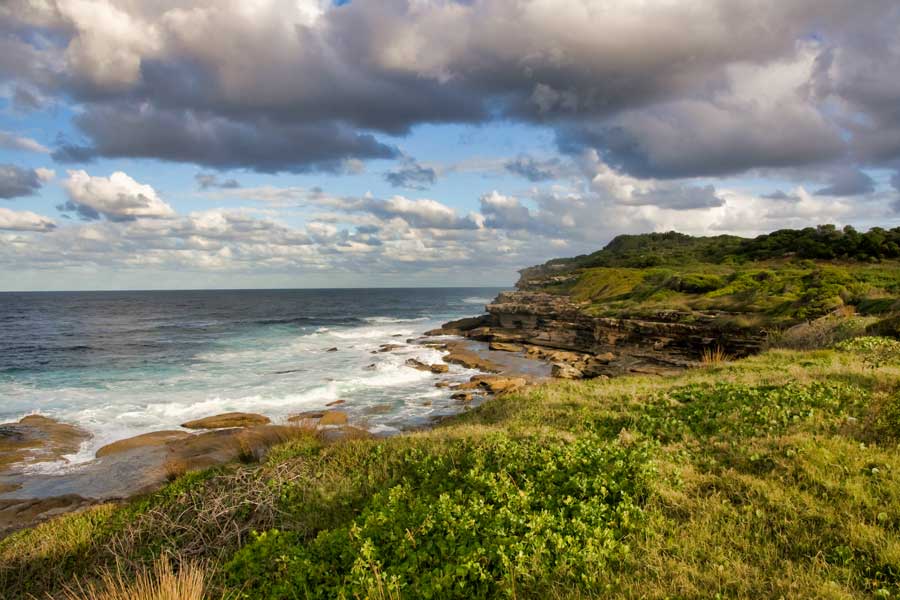
James Cook’s initial landing place on the Australian continent, was first named Stingray Harbour, but he later changed it to Botany Bay because of the variety of indigenous plants they documented.
The prison wasn’t actually built at the bay, but at Port Jackson in Sydney, a few miles further north.
But the name stuck.
‘Now all my young Dookies and Duchesses
Take warning from what I’ve to say
Mind all is your own as you toucheses
Or you’ll find us in Botany Bay’
Where to next?
• Following Boston’s Freedom Trail
• Shakespeare in the Snow
• 5 things we love about Philadelphia