
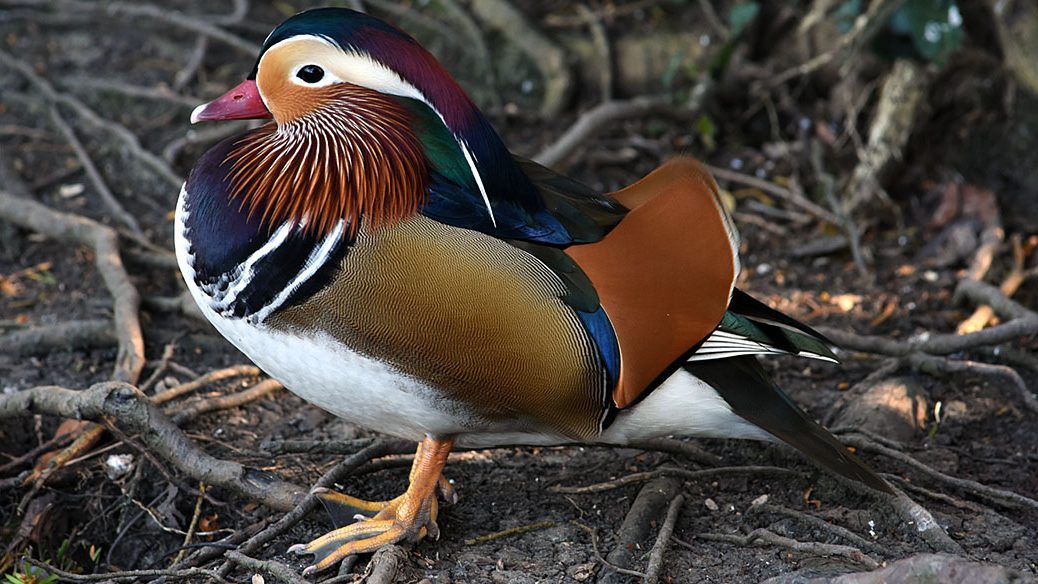
The Wildfowl and Wetlands Trust centres across Britain have long been favourites of ours.
When the children were very small, we became members, so we could enjoy numerous days out at our local one in Arundel.
On every visit, our little ones would stomp the wooden walkways, go pond dipping and hurl seed willy-nilly at any passing bird.
Later, when they became a tiny bit more dignified, it still remained high on the ‘good day out’ list.
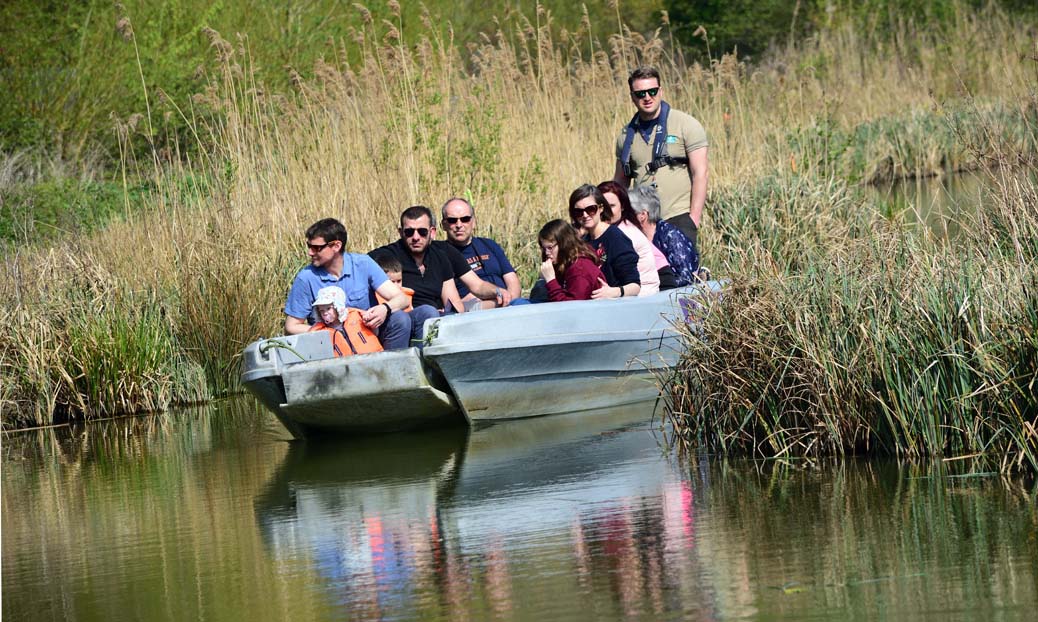
Sitting quietly in the flat-bottomed boat cruising the reed beds, hoping for a glimpse of cute little water voles.
Being mugged by hordes of hungry magpie geese so greedy for the seed they rip the bag right out of your hands.
Now, as visiting adults, we’re pleased to say its appeal is still as strong.
Spring at WWT
Spring is the perfect time for spotting tiny bundles of fluffy feathers nestling under broody duck-mothers or trailing behind both parents, cheeping sweetly, as they move through the waterways.
But here’s a little warning for the sensitive. The centre may be a refuge for all types of birds, but Mother Nature remains red in tooth and claw.
We watched a sleek peregrine make repeated efforts to swoop and seize little ones, only to be warned off by the noisy cries of a nesting lapwing.
With time and determination, it was clear she’d soon get lucky and an unfortunate duckling would meet a sticky end.
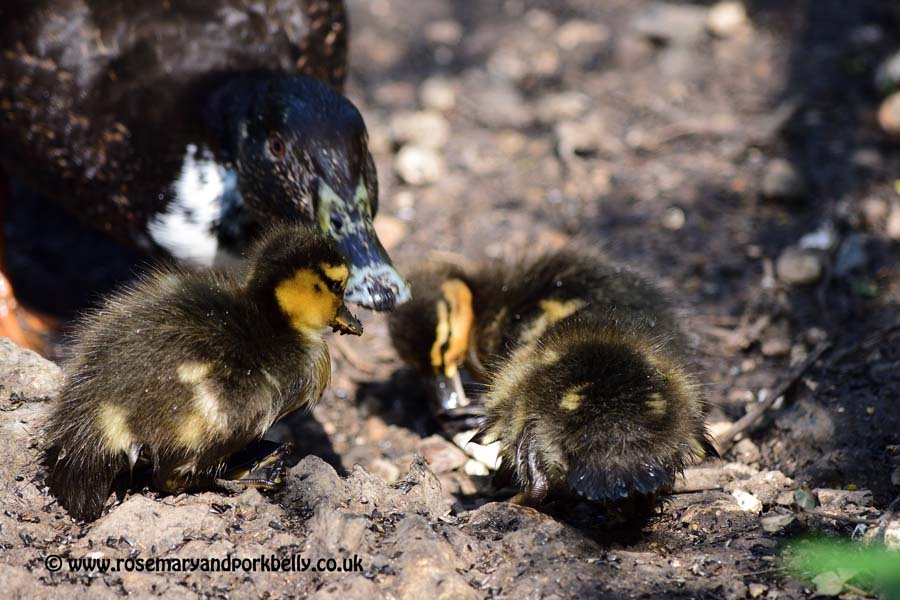
So spring is a raucous and dramatic time of year to visit.
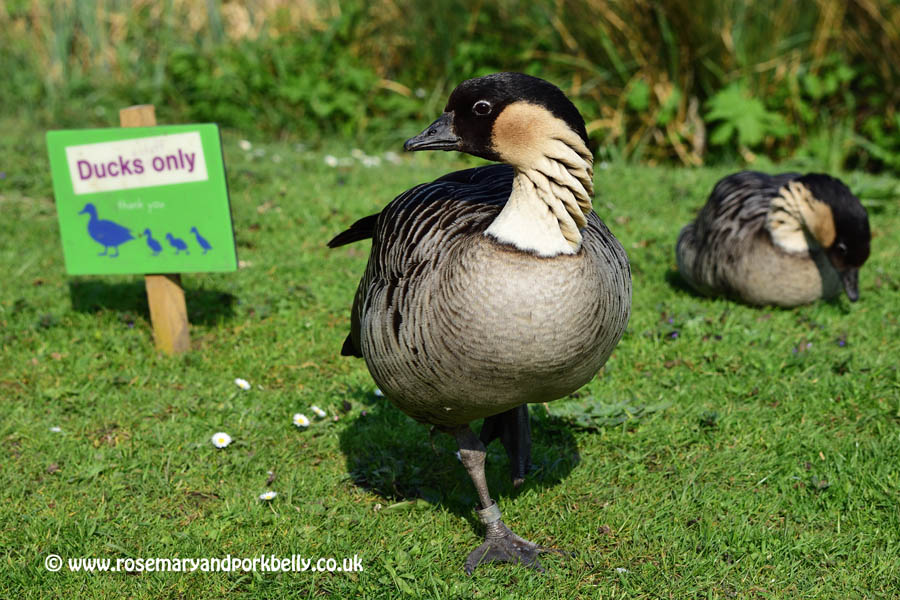
Hand-feeding is sometimes restricted and Pork Belly’s favourites, the aforementioned magpie geese, were tucked away on our last visit, as they can get a bit aggressive at nesting time.
But there’s still plenty to see and do.
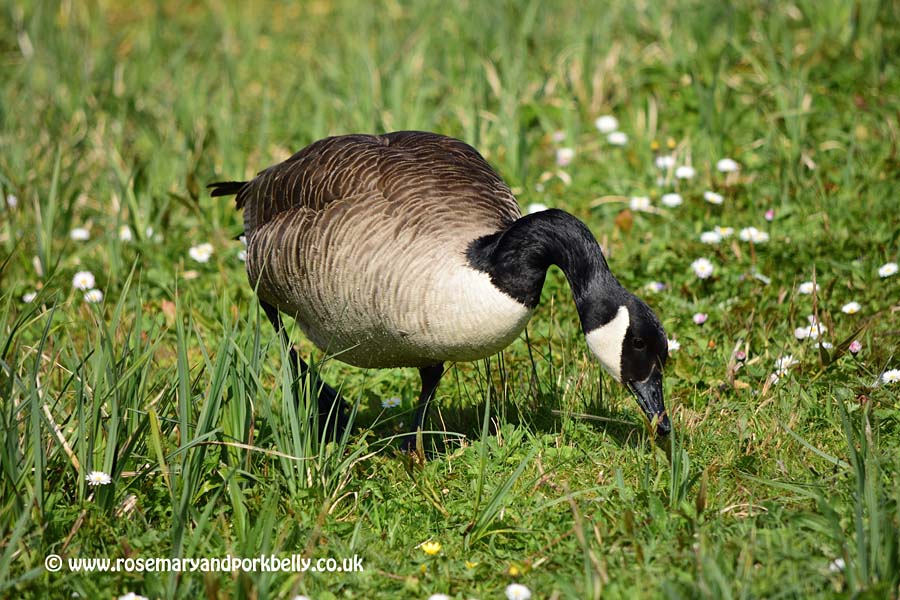
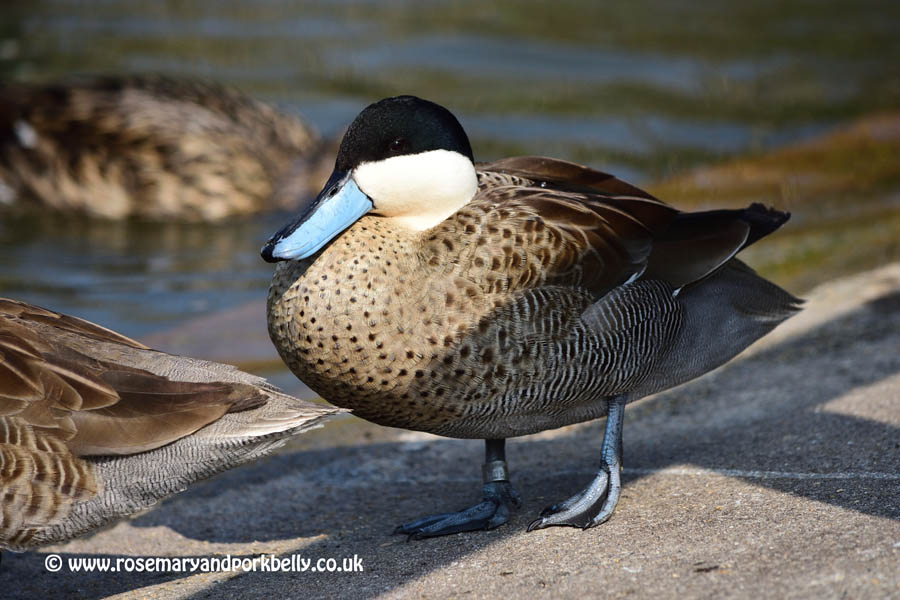
Pond dipping starts around Easter-time and the woodland play areas re-open.
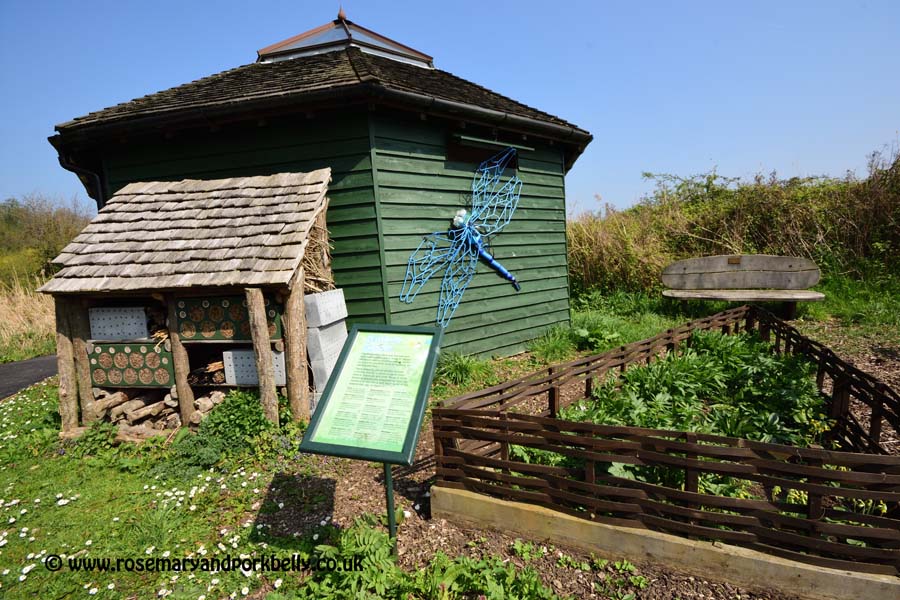
There are insect hotels dotted all around the site including a huge woodpile designed to attract stag beetles – complete with giant replicas of these mighty beasts.
Woodland secrets
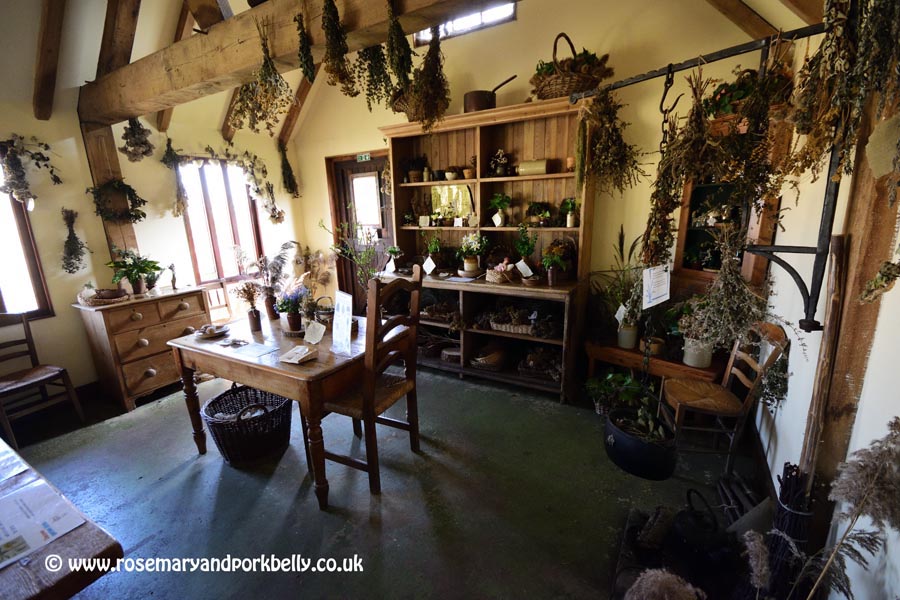
On a less dramatic scale, the Woodland Secrets trail is a lovely addition.
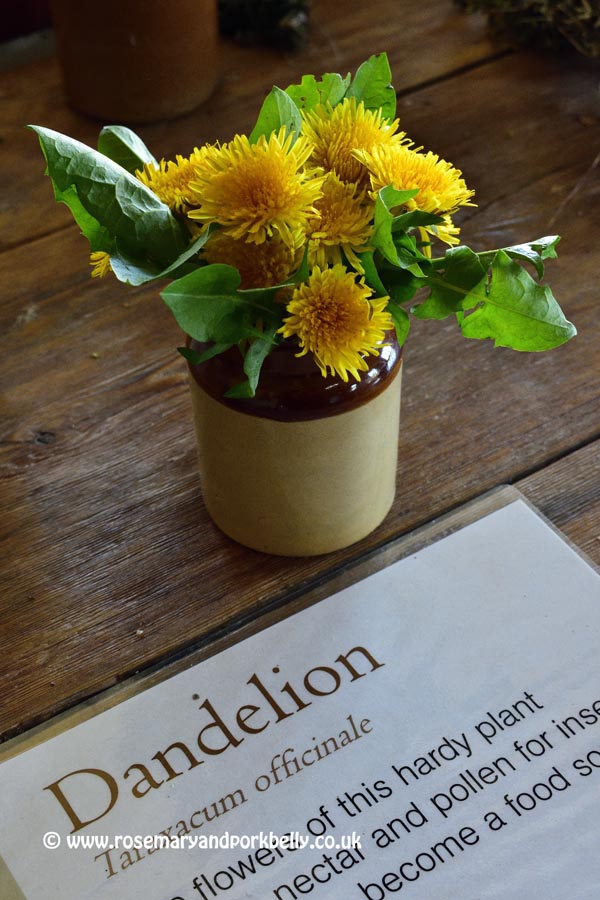
I’ve always loved the little hut where bunches of dried herbs, plants and flowers are displayed, each with handwritten signs explaining their nature and their uses throughout the ages.
Cooking, medicine and even witchcraft.
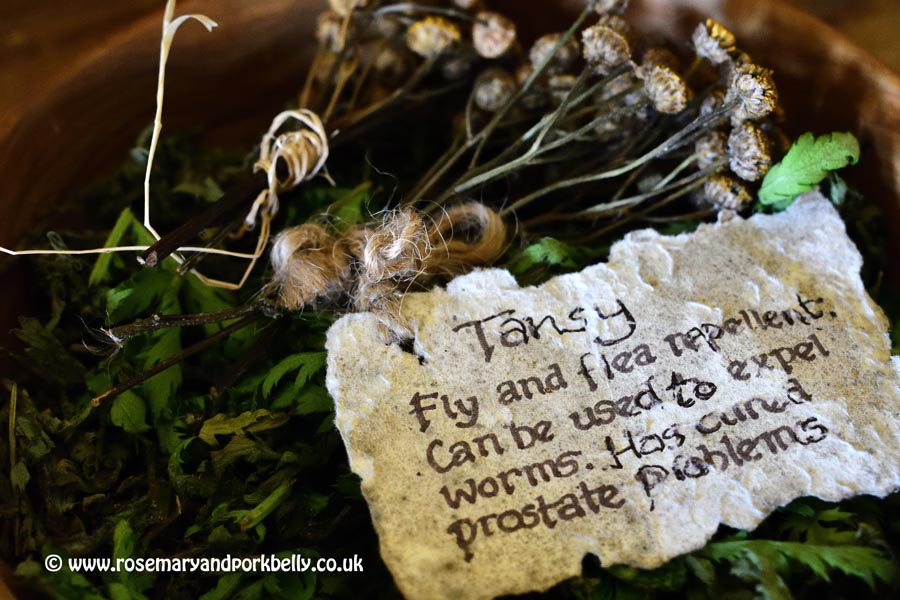
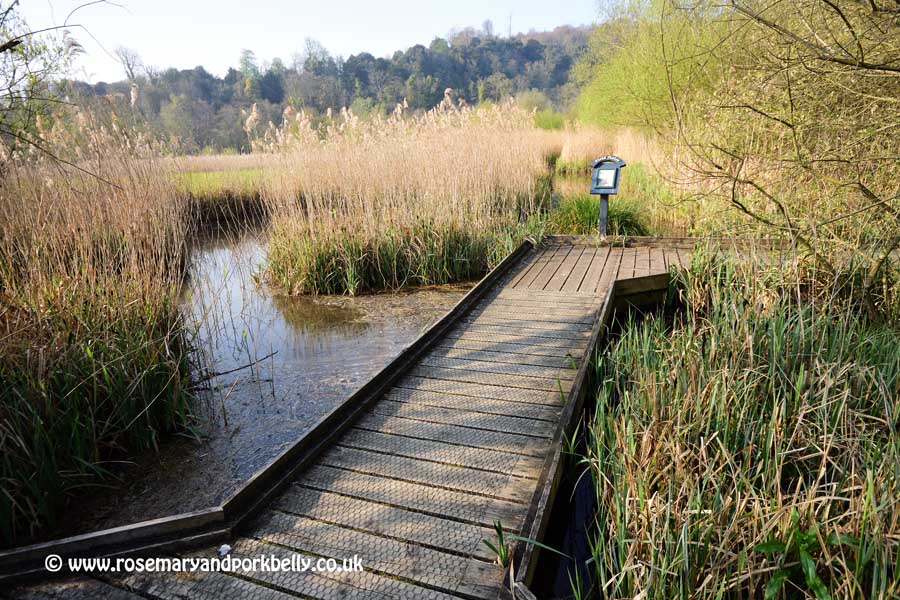
The display has been updated and amplified by the addition of little tags on trees, hedgerows and bushes giving bite-sized information about the flora all around.
Bird-watching at Arundel
The bird spotting boards are constantly updated and the Discovery Hide, perched at the side of the main lake, is well kitted out with information boards, bird books and small binoculars.
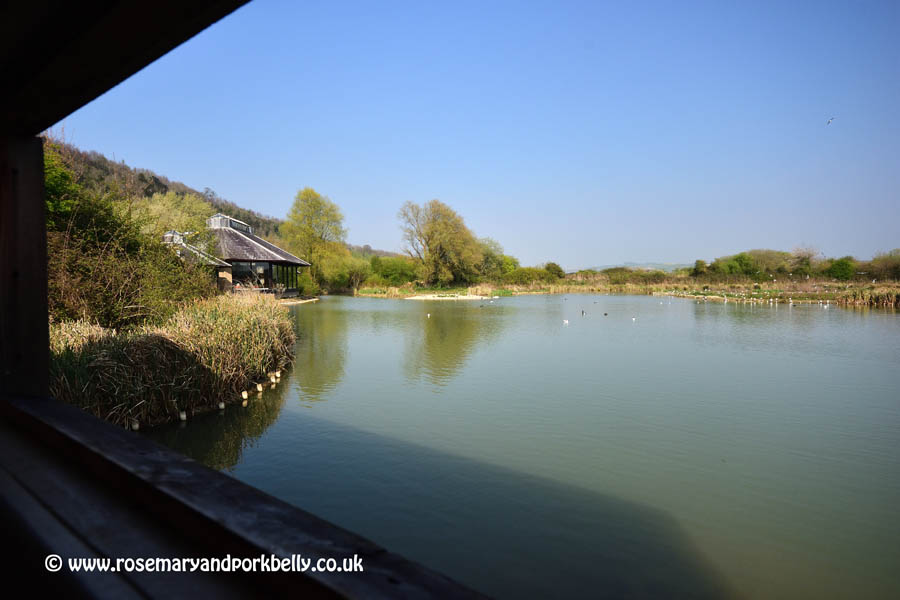
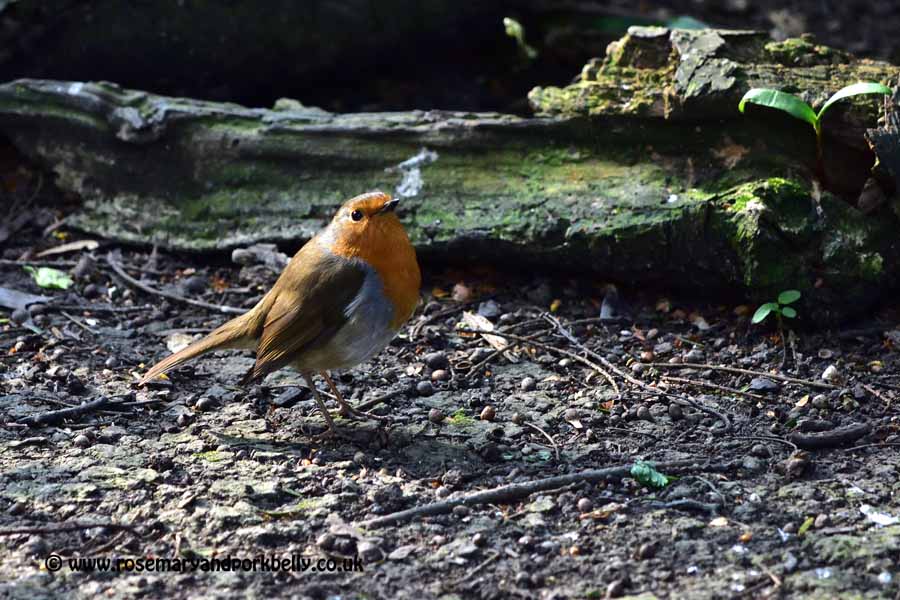
Serious bird spotters bring their own equipment and a trip round Arundel does give Pork Belly a touch of lens envy as wildlife photographers stand or sit for hours while they expertly spot and snap.
We’re just amateurs but we did hear chiff-chaff and kingfisher amongst the honking of geese and cries of gulls, and the bird stations in the woodland areas revealed cheeky robins and noisy chaffinches.
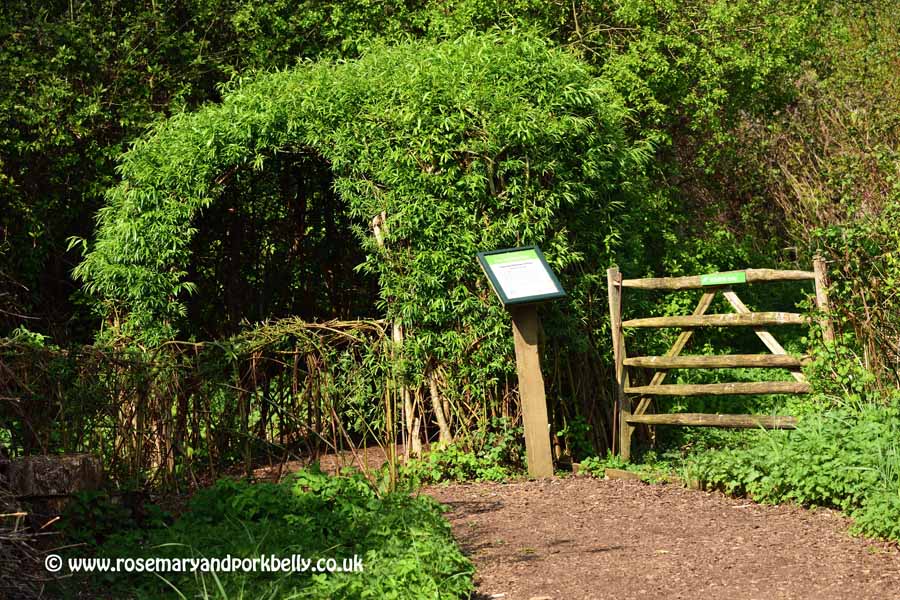
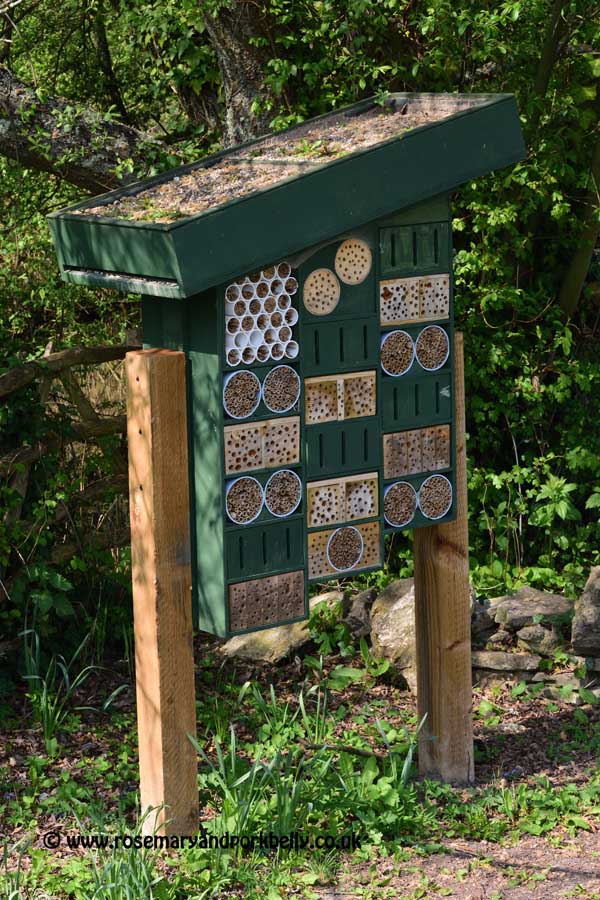
In spring, you’re more likely to hear water voles chomping on the reeds than actually see them, but you may get lucky, especially on the water boat safari which takes you to some of the quieter areas of the wetlands.
We’ve seen a few voles on previous visits but the best time to catch them is in late summer or early autumn when their numbers rise – unless there’s a stoat about.
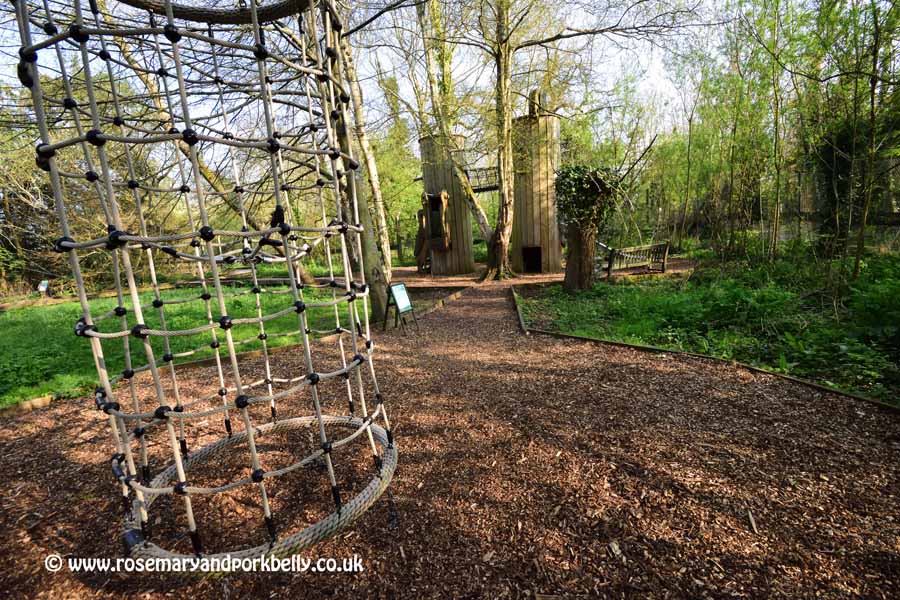
If the weather’s not too kind, there’s plenty of indoor fun to be had with displays and art and craft activities for children.
WWT Arundel is always extending and updating its displays, so there’s something new to see every time you go.
More information about WWT Arundel
Membership is the most cost-effective way to go if you’re thinking of being a regular. And of course you’re helping to support valuable conservation work so you can have a fun day out and feel a bit smug as well.
• Wildfowl and Wetlands Trust website
Accessibility at WWT Arundel
The team at Arundel take accessibility very seriously and all areas can be reached by paths that are pushchair and wheelchair friendly. There are a few gates, but staff are on hand to help, if required.
There’s also free accessible car parking and toilets, and step-free access to the hides with viewing windows for wheelchair users.
The boat safari can take up to two manual wheelchairs per trip, and trained assistance dogs are welcome.
Where to next?
• Free Chichester
• East Ruston Old Vicarage Gardens
• Les Machines de L’ile, Nantes
