
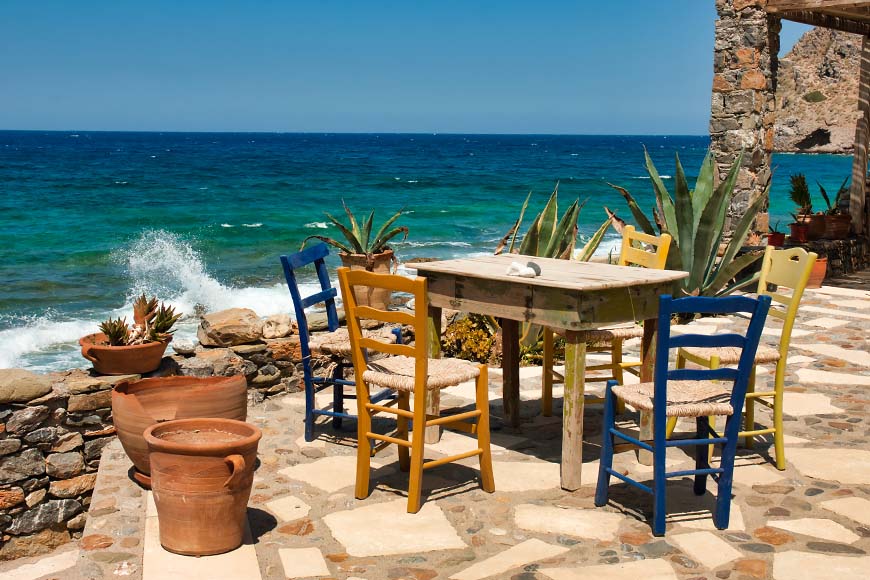
Sandy beaches, fantastic food, ancient ruins, spectacular views, friendly people, wild mountain scenery and clear blue seas – seven reasons to visit Crete that you probably already know.
But wait.
There’s more, much more, to discover on this beautiful Greek island, which has its own, unique history and identity.
Join us as we head to Crete to uncover seven more reasons to visit this wonderful island.
1. The weather
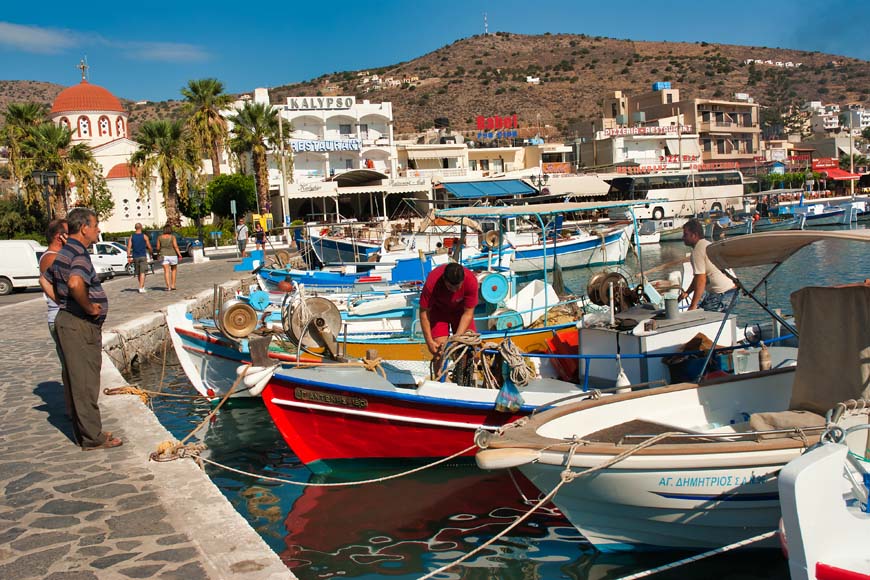
Crete is almost a year round holiday destination and each season has something to offer.
There’s snow in the mountains in winter, but the island has around 300 days of sunshine across the year and the sea is warm enough for swimming from Easter right through until November.
July and August are extremely hot; often hitting 40 degrees C (100F).
Spring, when wild-flowers burst into bloom, lasts from April to June and the autumn months of September and October are ideal for avoiding the extreme heat of summer. These so called ‘shoulder seasons’ offer good value for money and the island is much less crowded.
Winter travel is still possible, for the determined, but it can be wet and windy. Crete hunkers down from January to March, and most attractions close. Flights from the UK are few and far between, and most travellers prefer to wait for spring!
2. The Myths of Crete
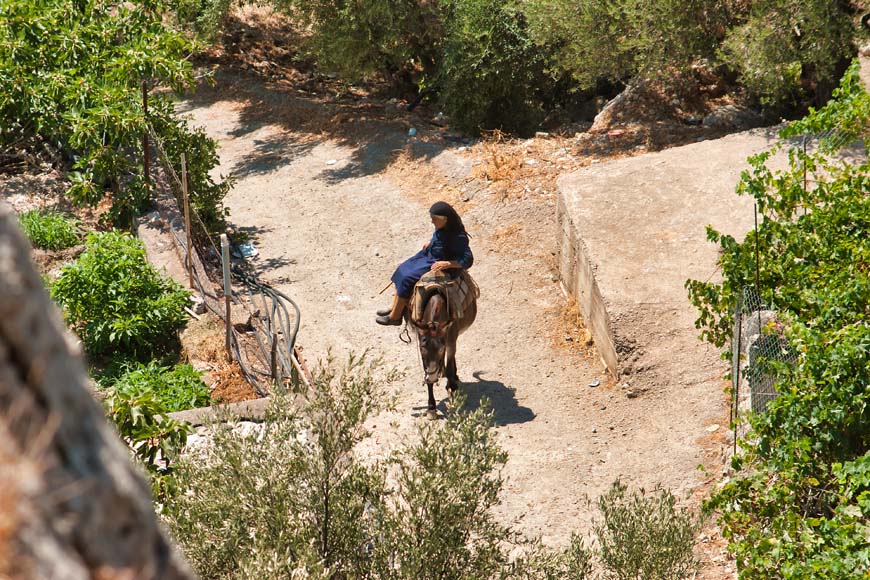
Myth-informed, myth-named and myth-sterious Crete is famously the playground of the gods!
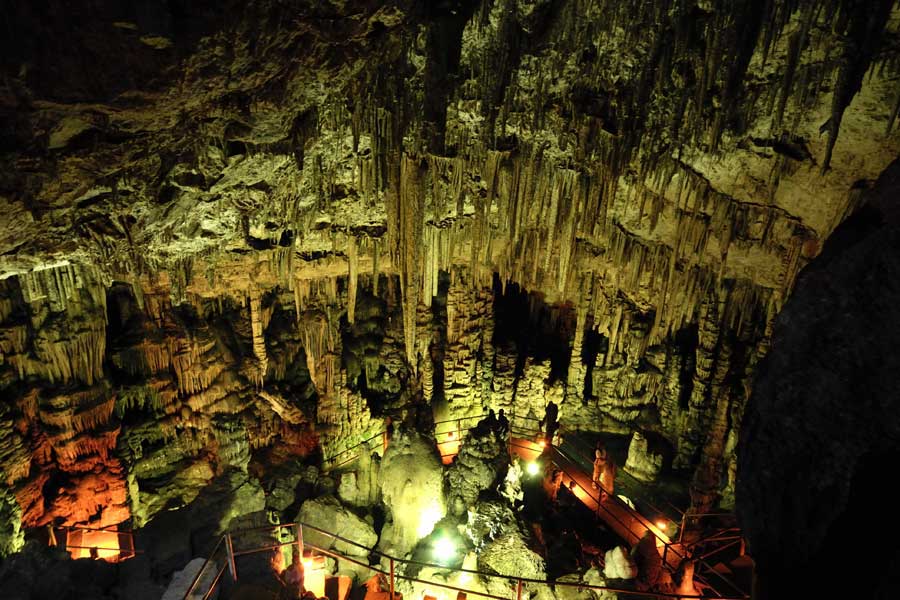
On the eerily wind-blasted Lasithi plain, with its dozens of ancient windmills, you’ll find yourself in the foothills of the Dikti mountains. Here, the goddess Rhea hid the newborn Zeus in a cave, so that Cronus wouldn’t eat him.
The exact location of the cave is a bit vague in the ancient texts, but Dikteon Cave (or Dikteon Andron) on the slopes of Mount Ida, is a prime candidate for the honour. And it’s well worth visiting.
The path is softly illuminated as you take 200 steps down (and of course 200 back up!) into the depths, so it’s quite a workout. The road to the entrance is also long and winding and a bit slippery if there’s been any rain. There are sad looking donkeys available to take tourists up, but that’s not what we like. Plodding on under your own steam is best.
Rhea’s trick worked of course and later Zeus, disguised as a bull, dallied with the beautiful Europa. Their union produced a son, Minos, who ruled Crete and turned it into a mighty island empire of the seas.
Or something like that!
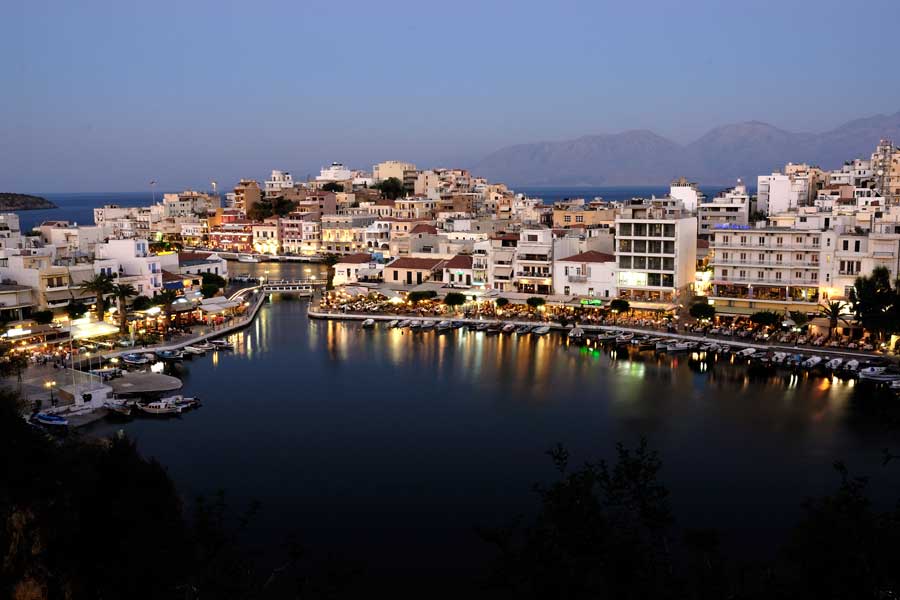
You’re never far from an ancient tale in Crete. Our favourite was the one about the deep and mysterious Lake Voulismeni in Agios Nikolaos
It’s rumoured to be bottomless, and legend says at sunset the goddesses come down to wash their hair in its unfathomable depths.
We spent a long time sitting on a hill above the lake, watching and waiting.
No goddesses were spotted, but the evening sky was glorious.
3. The history of Crete
The myths are amazing, but the reality is just as extraordinary.
Crete was once the heart of a huge, trade-based civilisation of the Minoans.
By around 2500 BC, these early Cretans had mastered boat building and navigation. There’s evidence they travelled all across Europe and achieved an Empire long before the Romans hit their conquering stride.

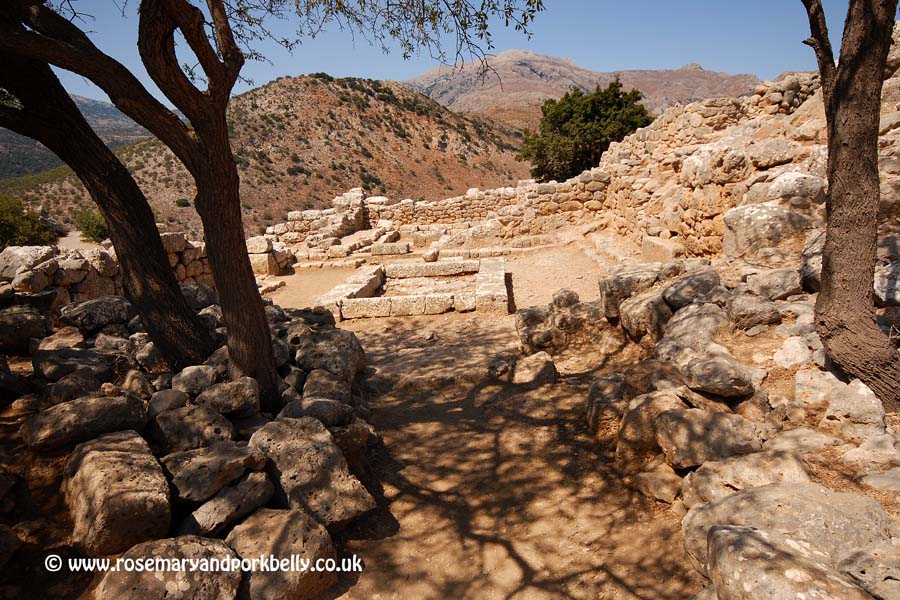
But in 1450 BC and again in 1400 BC their homeland was devastated, probably by a volcanic eruption, and things went rapidly downhill.
In the wake of this devastation new settlers came – first the Dorians then the Romans, Byzantines, Arabs, Venetians and Turks.
Crete finally became an independent state again in the late 19th century, joining officially with Greece in 1913.
What does this long and rich history mean for travellers today?
Quite simply, the whole of Crete is dotted with ancient ruined towns and villages, close to the roadside, just waiting to be discovered by more than passing goats.
We spent hours scrambling over the sunken streets and tumbledown walls of Gournia, once a seaport, now a landlocked site on the hillside above Istro. You can follow the streets, see the remains of homes and businesses and even uncover pots, troughs and shards of pottery. Many of these sites are free to enter and wander around as you like, as long as you leave things undisturbed.
Another lovely place to explore is Lato, a short drive from Agios Nikolaos, where you’ll need a full day to uncover all its secrets. An authentic archaeological site where, for just a few euros, you can get incredible views across the island and out to sea.
Best to arrive early to get the place to yourself, and before the sun gets too hot, and be prepared for it to close mid-afternoon in off season.

The beautiful and lonely island of Spinalonga, just off the coast near Elounda is another perfect place to discover how Crete’s chequered past has left its mark.
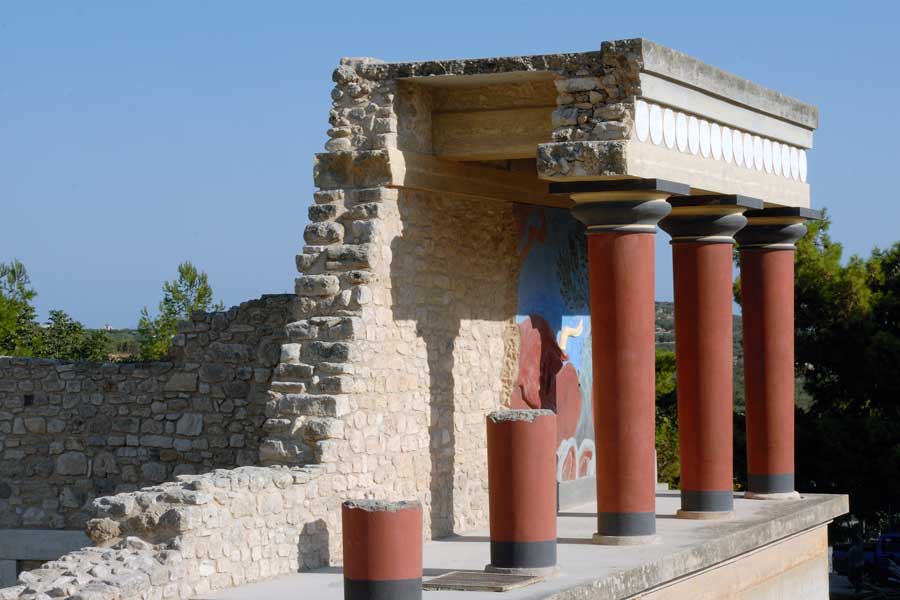
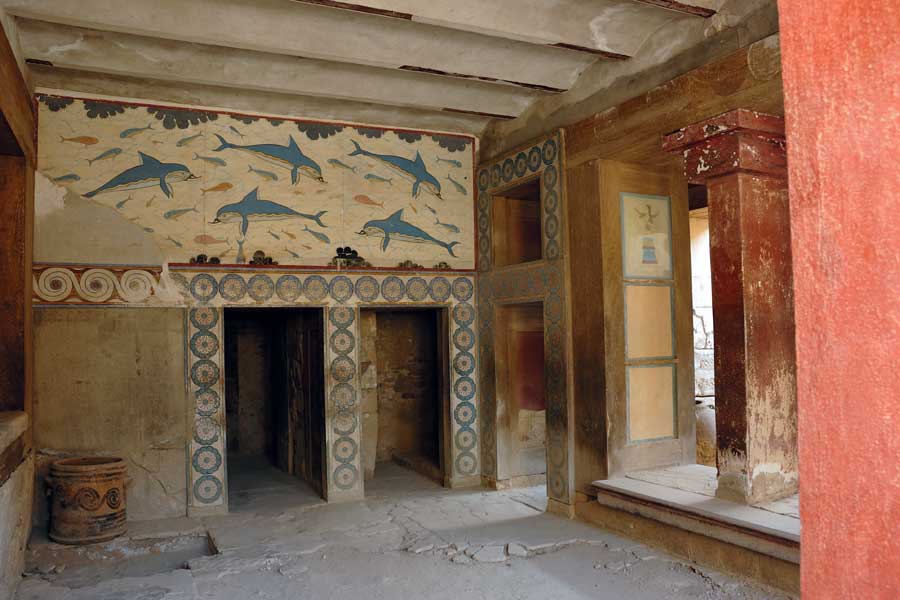
And of course there’s the Minoan treasure of Knossos, the legendary home of the Minotaur, and an archaeological gem dating back to the Bronze Age.
This is, not surprisingly, a very touristy place, which gets overrun with coach tours in high season. Again, best to go early in the day if you want to avoid shuffling around in a pack!
That said, it is a must-do for anyone interested in Greek history and myths, and, if you can afford it, we’re told the tour guides are excellent and add value to the visit.
4. Crete’s beautiful beaches
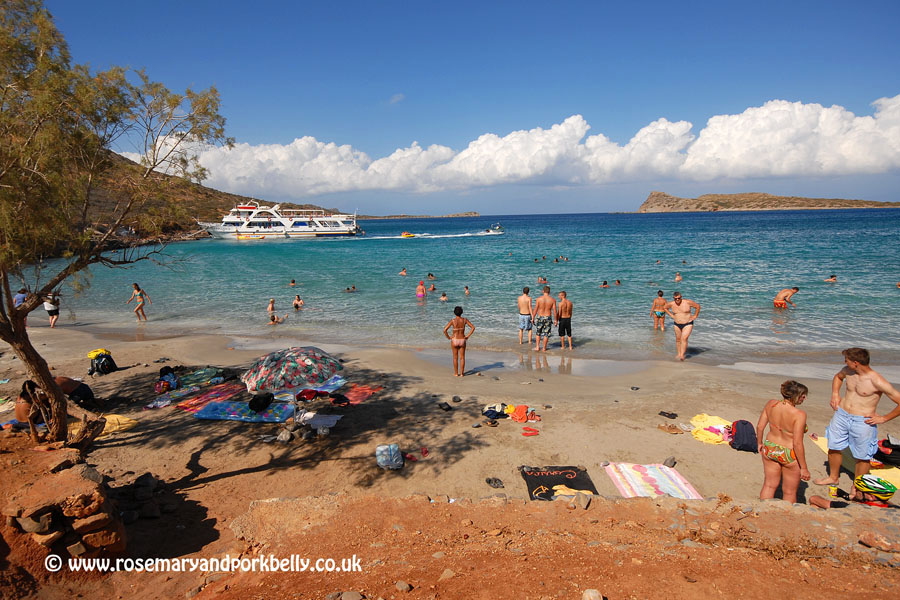
Clear, blue-green waters surround Crete and you have the choice of well-kept sandy strips in major resorts and hundreds of tiny remote bays, accessible only by boat or a steep climb down a rocky path.
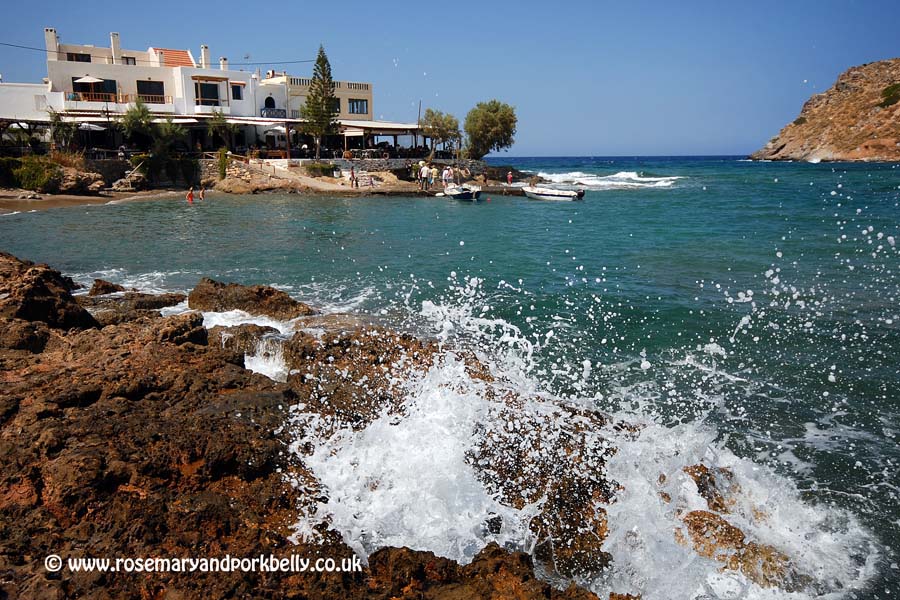
From the black sand at Ierapetra on the southern coast, to the tiny fishing village of Mochlos where the waves crash endlessly on rocky promontories, you’re sure to find a place that suits you.
5. Amazing Cretan hospitality
Cretans are proud of their island and love to show it off to visitors.
Even in the most touristy towns, we found the locals to be welcoming. Off the beaten track, you’re made to feel like a long-lost family member returning home.
In one sleepy village, a lady saw our family group looking lost, tired and thirsty and hammered on the local taverna’s door, rousing the owner from her afternoon siesta.
Un-phased she came down and served us drinks and nibbles with a wide smile.
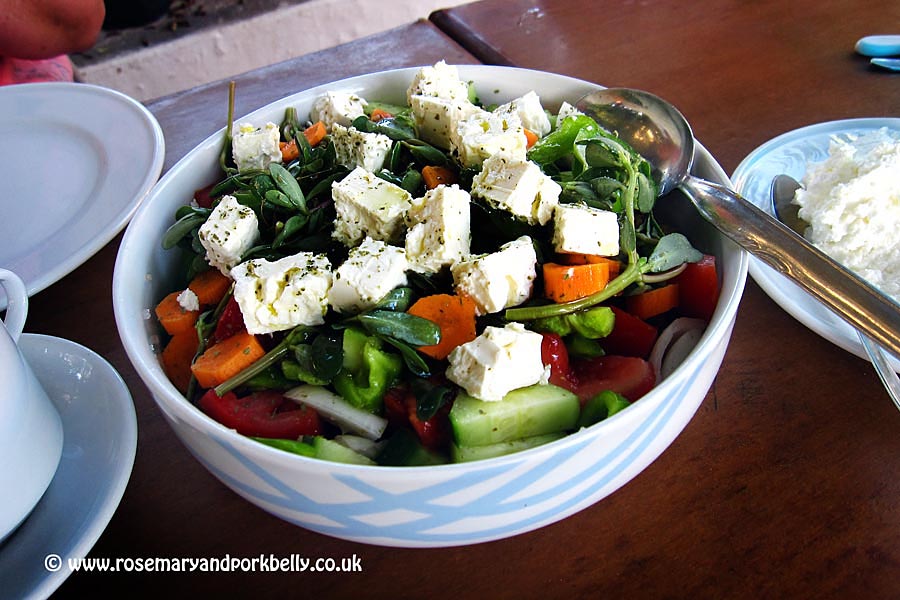
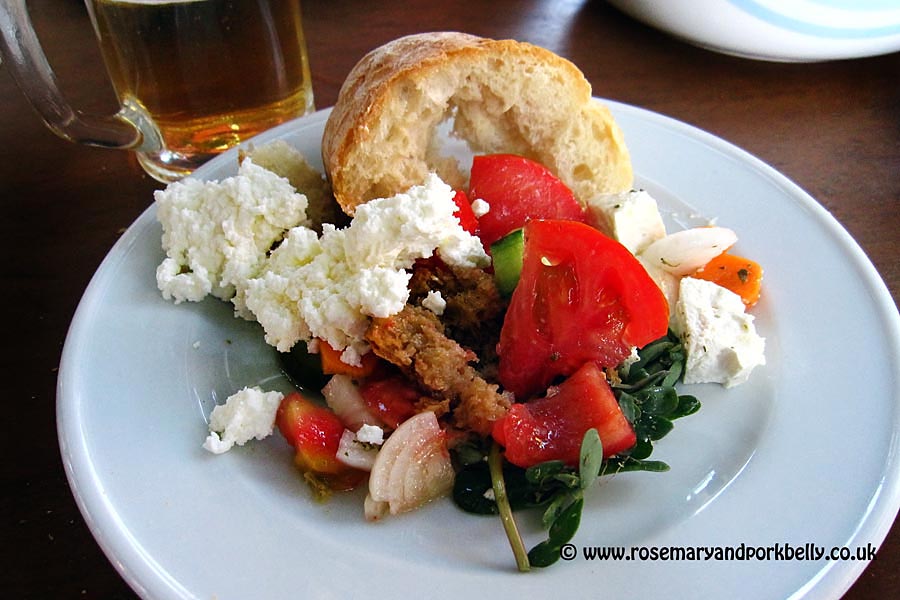
At another village restaurant the owner, baffled by my attempts to explain in phrase-book Greek about my food allergies, simply waved us into her kitchen showed us all her dishes bubbling away and let us choose from the pots.
Then there was the taverna near our villa in the tiny village of Prina, where the owner ran food-and-dance evenings. He’d proudly show off the oven where he slow-cooked the meals, talk about gathering herbs on the mountainside, filled our glasses with home-brewed raki and taught us to dance. All in a mix of Greek and a few English phrases.
On nights when he had no customers, we’d look down from our villa and watch as he and his friends continued to dance and play under the trees.
6. Walking in Crete
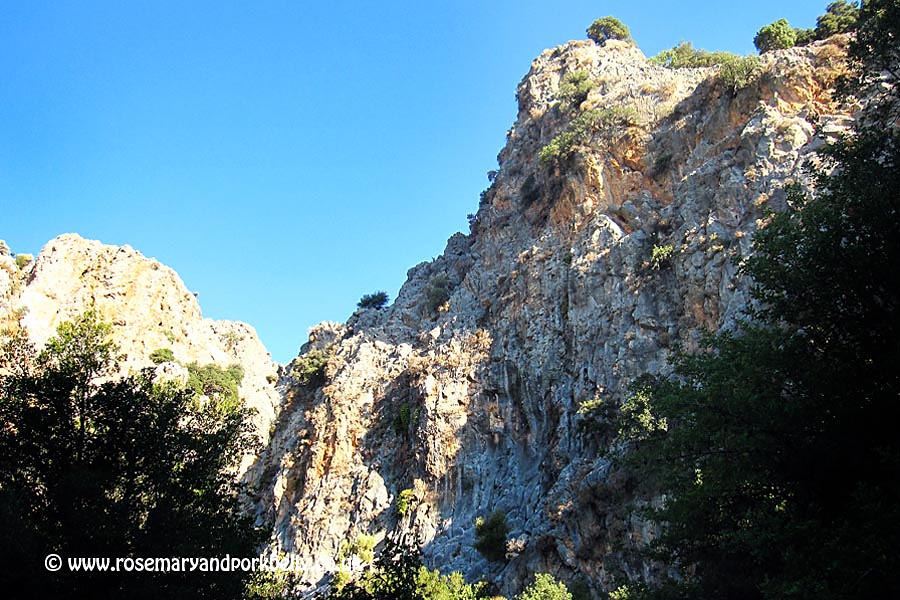
It doesn’t have to be a mythic Odyssey, Crete is perfect for walking holidays.
If you’re reasonably fit, hike the beautiful Samaria gorge (open from May to October, depending on the weather) on the eastern side of the island. It’ll take about 6 hours, and you’ll need to be well-prepared.
But there are plenty of less challenging walks all over the island. We had great fun scrambling through the Kritsa Gorge, on the western side, even though we did it in the heat of full summer. It took about three hours, with plenty of rock scrambling involved. Not suitable for anyone with mobility issues, and you definitely need to take water with you.
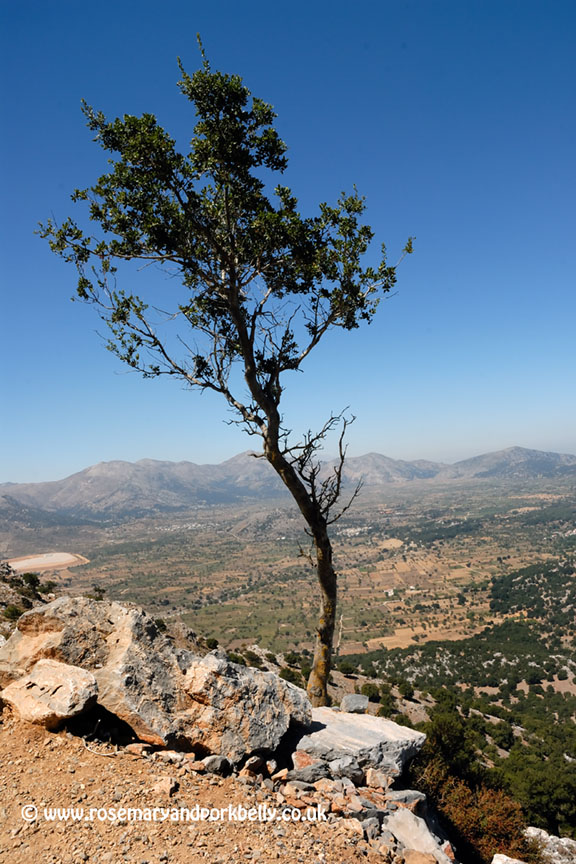
One thing you can be sure of – no matter where you go, or how challenging the terrain, a herd of mountain goats will be there before you, sure-footed and curious.
7. Find your peaceful in Crete
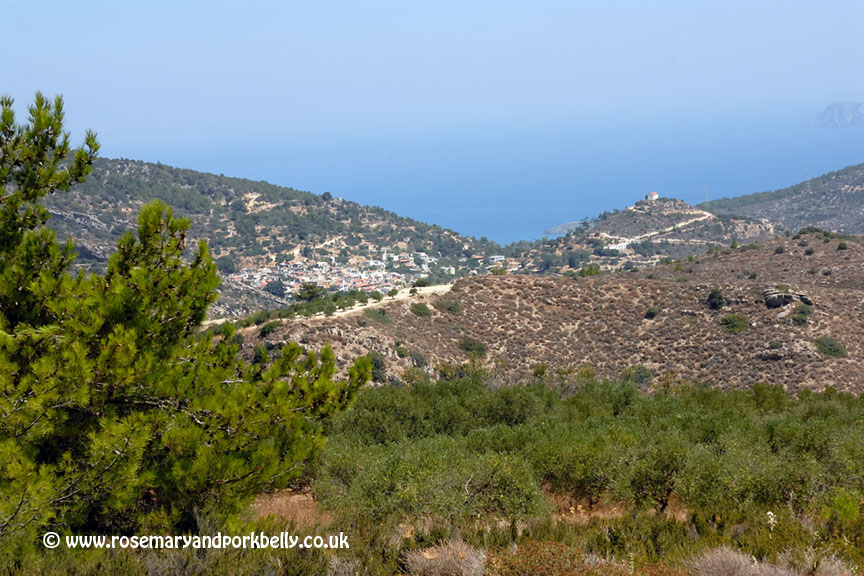
Away from the beaches, world-famous attractions and popular towns, Crete is a haven of peace and quiet, even in the height of the summer season.
If you want to escape the crowds, head towards the less well-known eastern part of the island or the southern coast.
On our last visit, we based ourselves in the tiny mountain village of Prina – no shops, no tourist attractions, just mountains, birds, insects and stunning views.
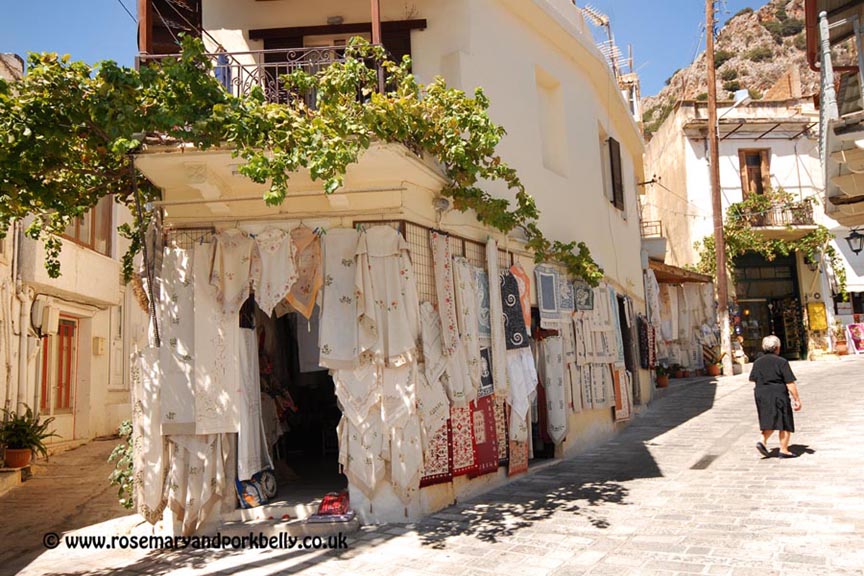
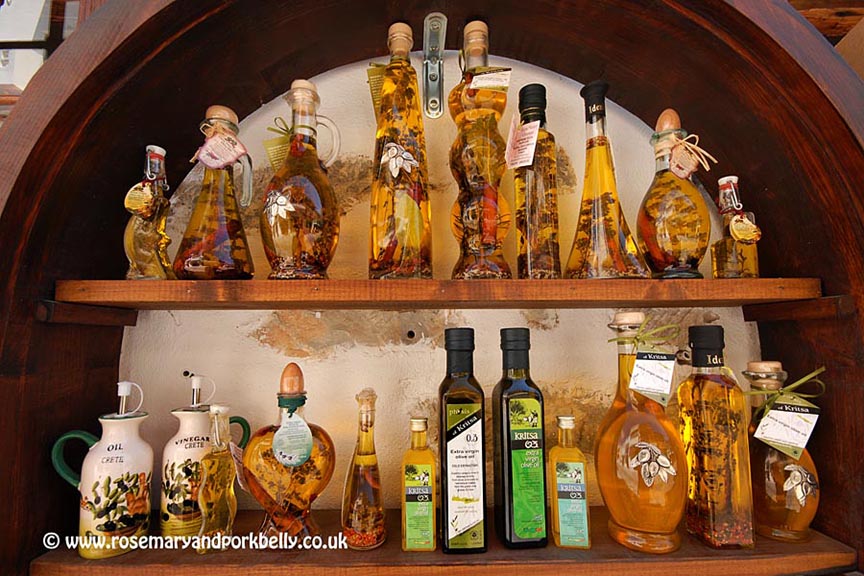
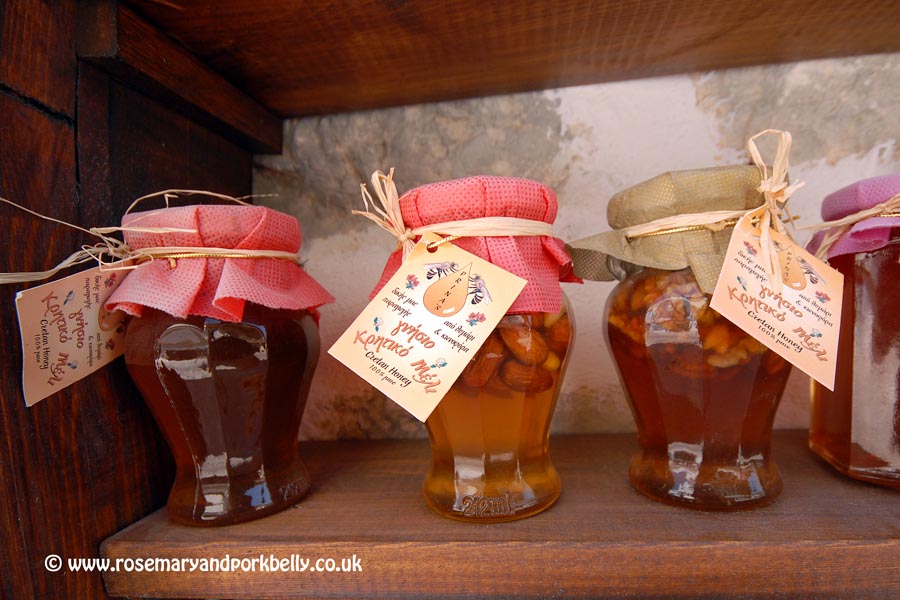
So many reasons to visit Crete.
Visiting Crete
Unless you are basing yourself in the party-towns like Malia and are only planning a beach holiday, a car is a must.
We chose a fly-drive self-catering package to give us the flexibility to go where and when we wanted. It meant we could stop off among the olive groves and vineyards and taste local dishes in tiny tavernas.
For more information, see the Visit Greece website
Where to next?
• 15 top tips for holiday car rental
• Island Life – Orkney
• Anjou delight – Plantagenets, castles and wine