
Shoreham-by-sea nestles between the South Downs and the English Channel, bridging the gap between Brighton and Worthing.
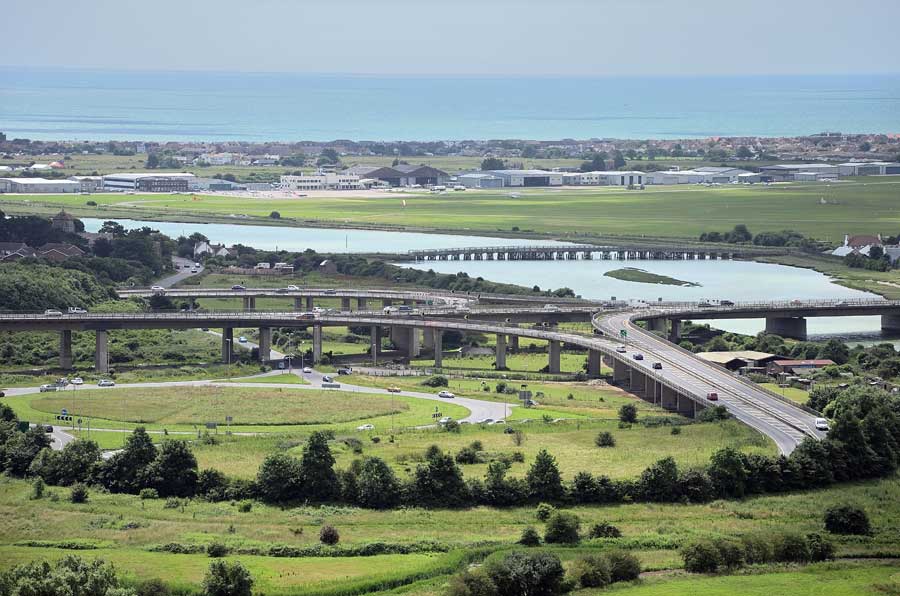
Take the A27, and you’ll sail right on by. But turn off at the flyover (Shoreham’s mini spaghetti junction) and you’ll discover a coastal gem with a rich maritime history.
Pork Belly is Norfolk born and bred and proud of his roots. Mine are a little more tangled, but a good swathe of my childhood was spent in Shoreham.
So here are 9 reasons why I think you should turn off the A27, and stay awhile.

1. Shoreham, a town of two halves
My family, like the town itself, was divided by the River Adur into two distinct parts – town and beach.
Most of my days were spent ‘town side’, in the local shops, parks and playgrounds, but it was always an adventure to roam across the footbridge, whose wooden slats with glimpses of the river below were the stuff of childhood nightmares.
My footbridge-of-fear is long gone, replaced in 2013 by The Adur Ferry Bridge, all glass and steel and not a rotten plank in sight. With magnificent views up and down river, the bridge runs from the heart of the town.
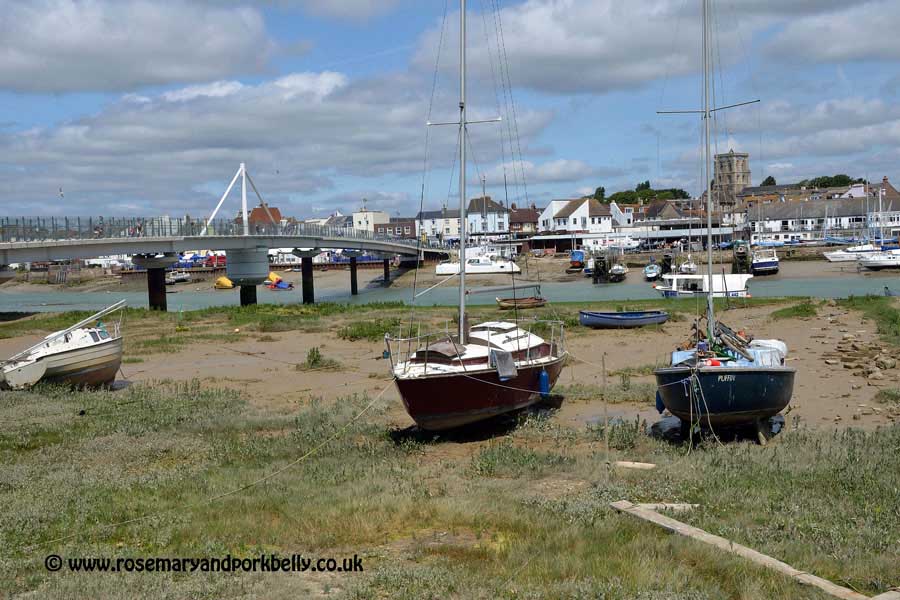
And on the far side lies Shoreham Beach with its reputation for being determinedly different, laid-back and more than a little bit Bohemian.
2. It was once home to the stars
It’s hard to imagine now, but Shoreham Beach was once known as Hollywood-by-the-sea. Pioneers of the early film industry were attracted by the soft light, open skies and clean air on the Sussex coast.
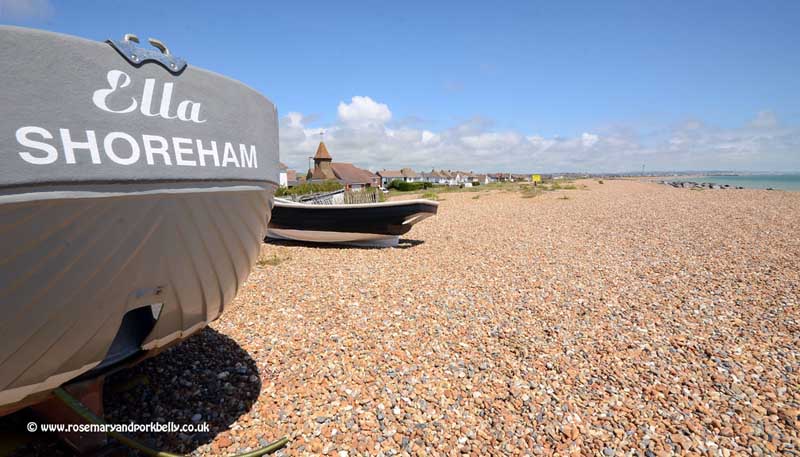
Francis L. Lyndhurst (grandfather of the actor Nicholas Lyndhurst) was a real trailblazer, founding the Sunny South Film Company in 1914 and Shoreham Fort at the harbour arm became the site of the first film studio in the town.
The most famous film made at the Fort was ‘The Showman’s Dream’ and Lyndhurst shot another five or more films at the Fort before he built the Glass House Studio at the other end of the beach, near the Church of the Good Shepherd.

3. Quirky Bungalow Town
Where the stars went, the rest of the world soon followed, and a whole community sprang up around the studios.
Many of the homes were old railway carriages, pulled by horses across the narrowest part of the river and simply parked wherever the owner wanted. Extended and improved on a whim, they became the location for elegant and daringly decadent parties.
The silver screen era didn’t last, but people stayed, until at the start of World War Two all the residents were given just a few days to pack up their homes and leave. Almost every house was destroyed, blown up to make way for essential defences.
Today just a couple of the original bungalows can be seen, tucked in among the modern and eclectic housing, a tiny reminder of the star-studded days of Bungalow Town.
4. The funky houseboats of Shoreham
Further upriver from the bungalow-beach community, you’ll find the strangest collection of houseboats, marooned at low tide on the Adur’s mud banks.
Barges, tugs and even an old minesweeper are pressed in to service as homes for river-dwellers.
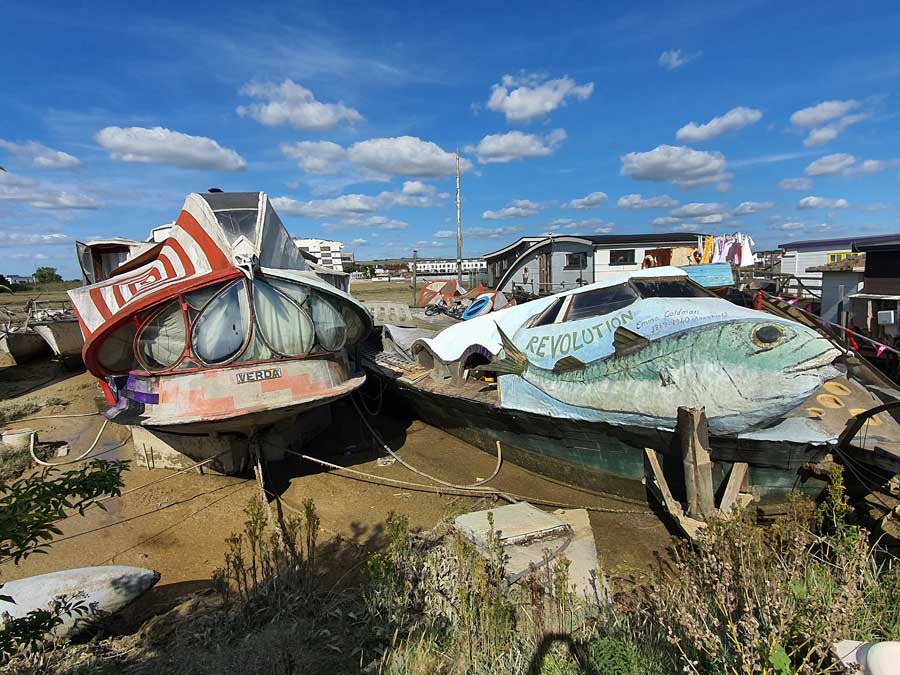
Bits of cars, buses, odd furniture, bike wheels and all the flotsam and jetsam of life are pressed into service.
5. Crusader graffiti
Scratched deep into the pillars of St Mary de Haura church in the centre of town are the traces of soldiers ready to set sail as part of the King’s Fleet on a crusade to the Holy Land.
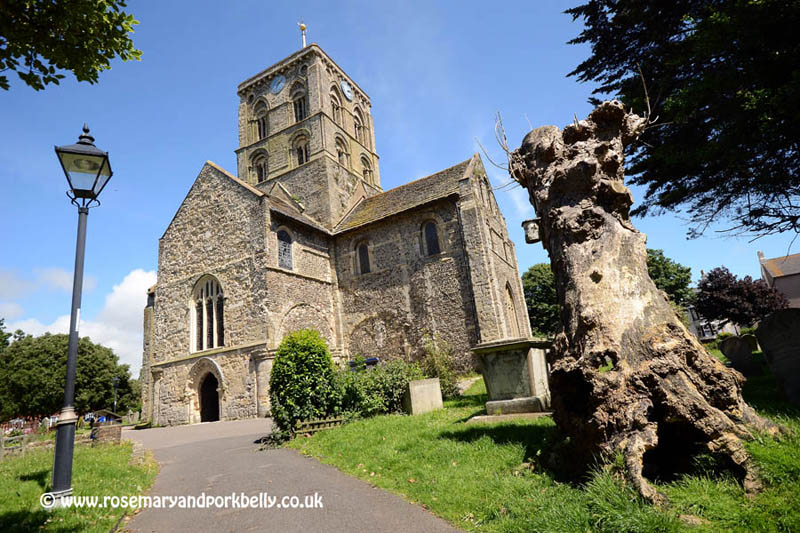
Whiling away the days before boarding, the soldiers amused themselves with a little bit of graffiti. Those seeking divine protection on the long sea voyage used the points of their swords to carve the crusader cross.
Others, perhaps more concerned by what they were leaving behind, scratched out images of hunting and shooting.
A rare and poignant mark of ordinary people, not their kings, queens and overlords.
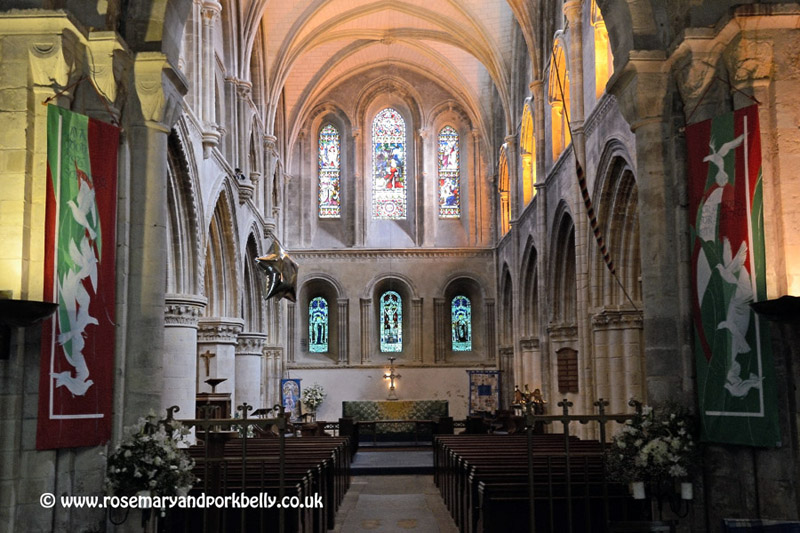
The rest of the church is packed with traces of its past and is well worth a visit, especially if you can catch a guided tour on one of the Friends of St Mary’s events.
6. Shoreham harbour, always on the move
There’s not much left of the original harbour the crusaders would have used when heading for battle. Back in the 11th century, when the Normans settled the area, the sea was much further inland and the River Adur didn’t even exist.
Early attempts to establish a port at Bramber a few miles to the north failed when the coast began to silt up, so they tried again further south at Shoreham, where the sea inlet was narrow.
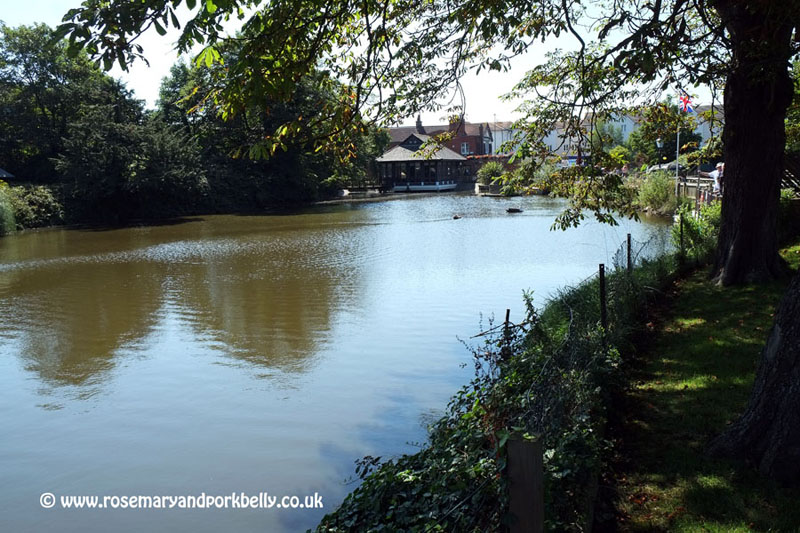
Over time that too got silted up, and the only bit that remains is a splash of water at the Swiss Cottage pub.
Built on the site of an old Victorian pleasure garden, which once attracted hundreds of day trippers from far and wide, the pond is now a refuge for rescued ducks and swans.
7. Shoreham Fort
With two thousand years at the forefront of coastal defences, there’s plenty for amateur enthusiasts and local historians to discover at Shoreham Fort.
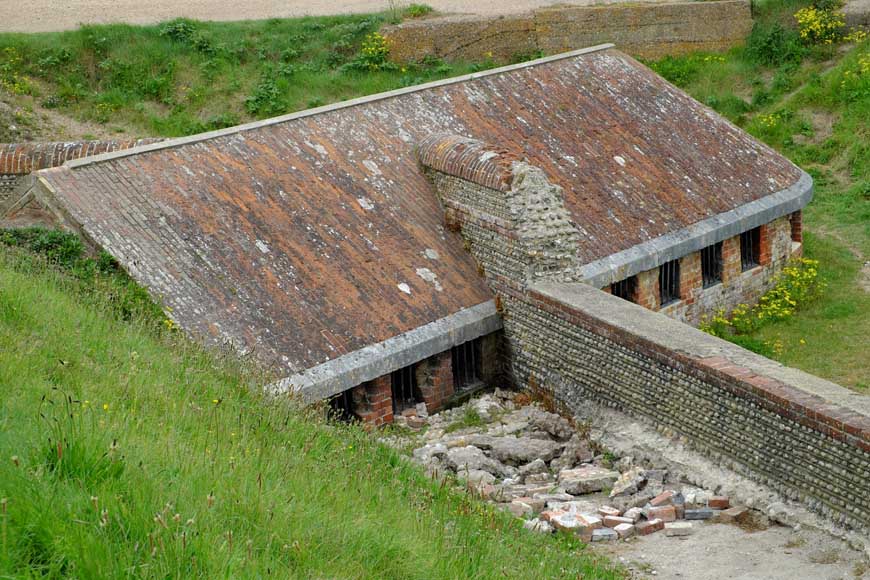
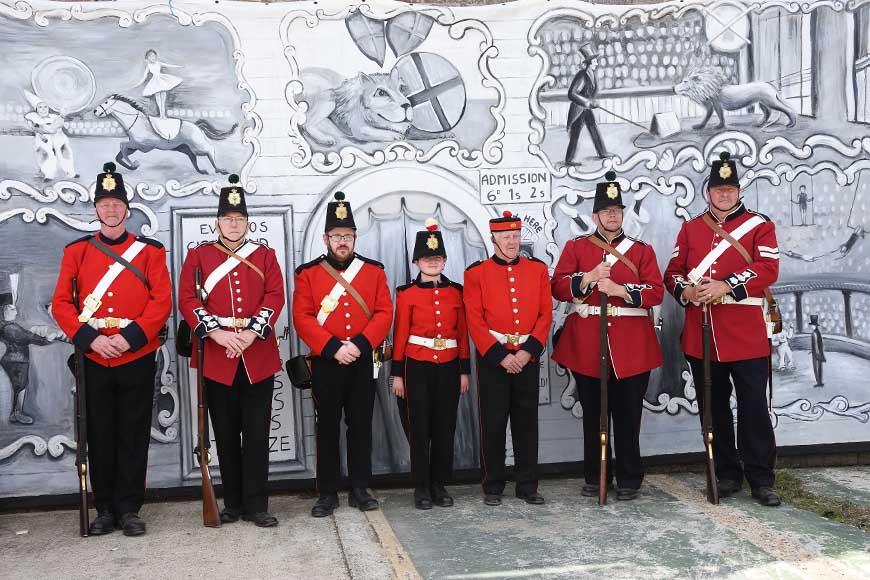
If you love castles and ramparts, you’ll thrill to the sight of red-coated soldiers marching to the beat of a drum. You might even see (and hear!) a firing demonstration at one of their Heritage Events.
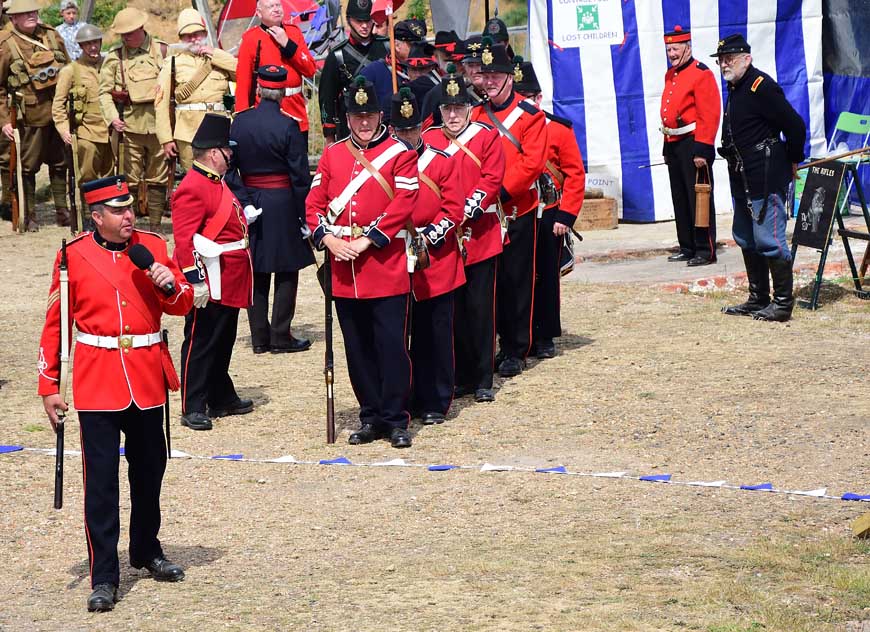
Shoreham Fort was built in 1857, when Britain became more than a little anxious that the French navy might invade, and was staffed almost entirely by volunteers.
Constructed on the wide shingle spit immediately to the west of the harbour opening, the huge gun batteries were designed to defend the harbour and the beach from a seaborne attack, which never came.
The story is that Napoleon III sent a spy to check out the Fort’s defences. He reported back that England was too well protected, and so Napoleon turned his attentions inland to Central Europe instead.
So bloodshed was spared on that occasion, but the world was soon in flames once more.
The most recent, and very moving, addition to Shoreham Fort is the WW1 Memorial Trench, a labour of love and respect from the Fort’s modern-day volunteers.
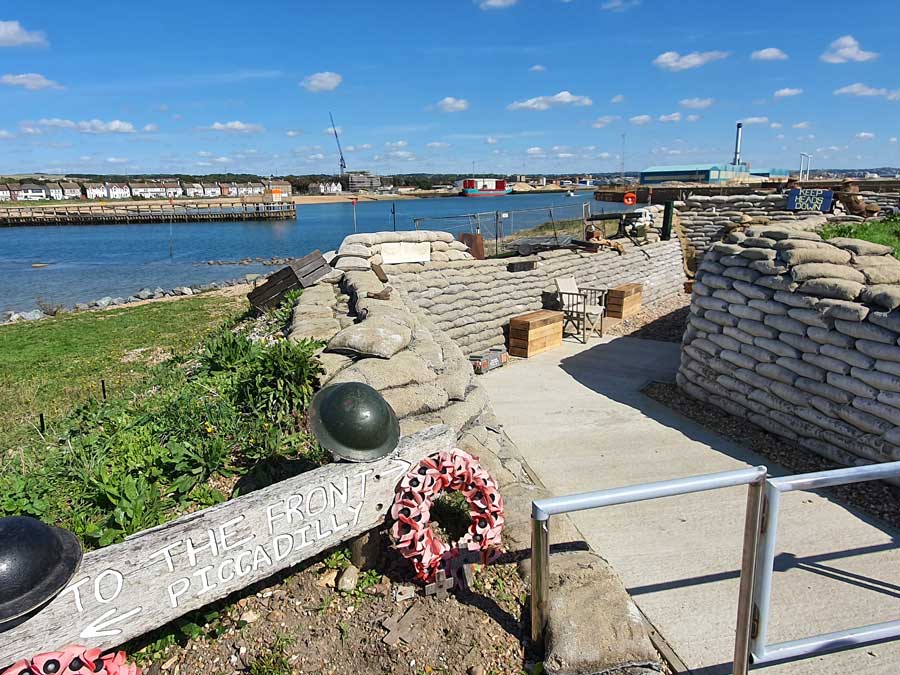
The walkthrough experience gives visitors a glimpse of what life was like for those fighting in the Great War, and again in WW2, when the Fort was once more at the heart of the country’s defence.
8. An Art Deco airport
Don’t be misled by maps that say ‘Brighton City Airport’, locals have always known it as Shoreham Airport and probably always will.
The airport’s been in commercial use since 1911 and is now the home of pleasure flight operators, charter flights, and small aircraft owners.
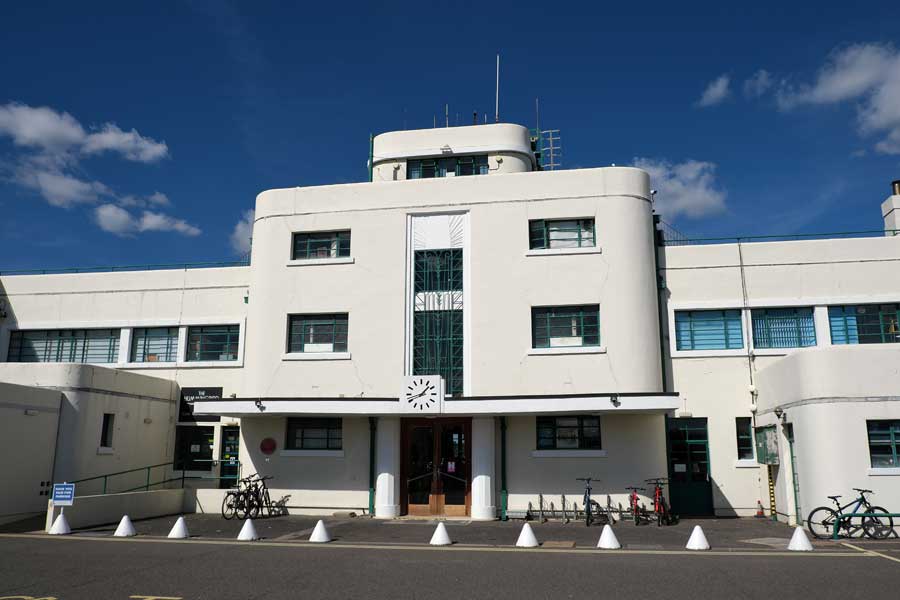
The tragic events of August 2015 at the Shoreham Airshow have left a long shadow, but the terminal building is beautiful.
Its classic good looks make it popular with film-makers, and it’s been a location for films and TV shows, including Poirot, the Da Vinci Code – where it masqueraded as a French airport – and The Crown.
9. It has the last tollbridge in Sussex …
… and probably the only one of its kind in the whole world.
In the aftermath of the airshow crash it became known as the Bridge of Flowers where floral tributes were laid in memory of those who died.
Now only open to pedestrians, it was used by vehicles including double-decker buses up until 1971.
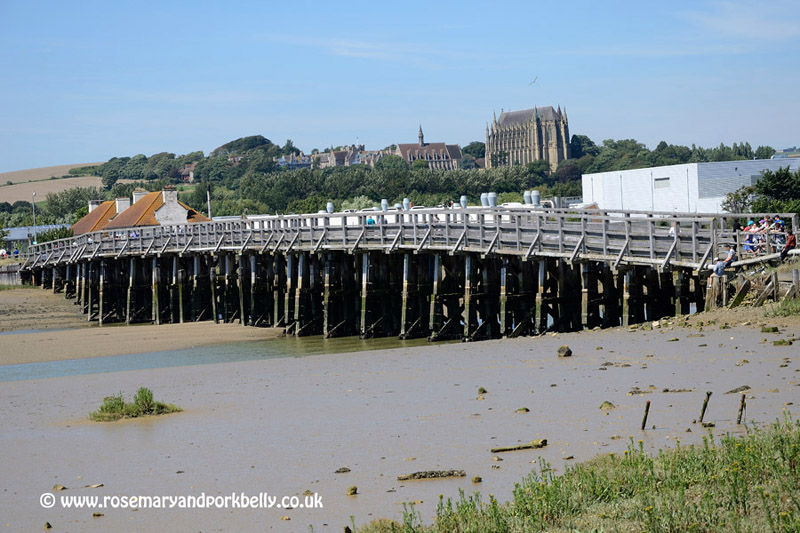
Crossing the bridge was a delicate operation, cars having to squeeze into narrow passing bays to avoid collision.
Every time I stroll across it, memories come flooding back of the hair-raising journeys of my childhood.
But there was always the honour of being allowed to hand over a shiny sixpence to pay the toll.
More about Shoreham today
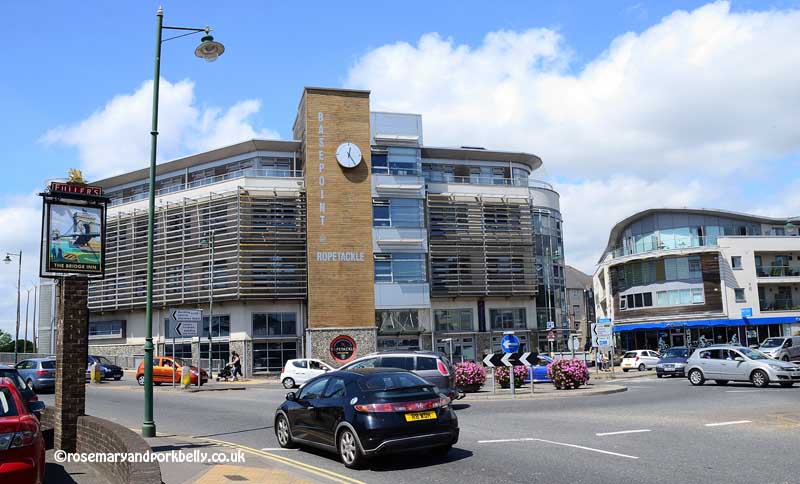
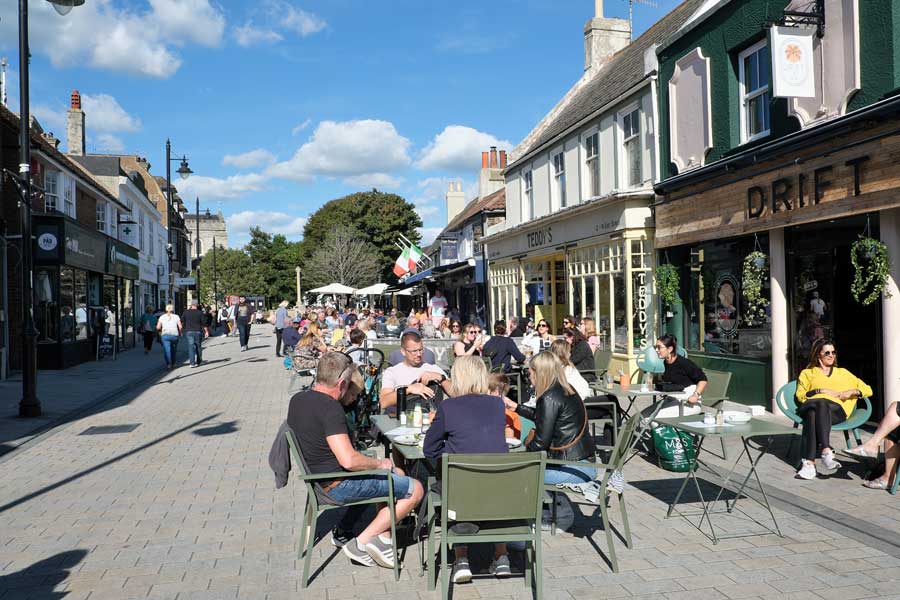
With a pedestrian-friendly centre packed with cafés and restaurants, Shoreham is a busy little seaside town, without the brashness and bustle of day-trippers.
There’s a market on the second and fourth Saturday of every month and plenty of independent shops.
The Ropetackle Arts Centre puts on shows at a fraction of big city theatre prices.
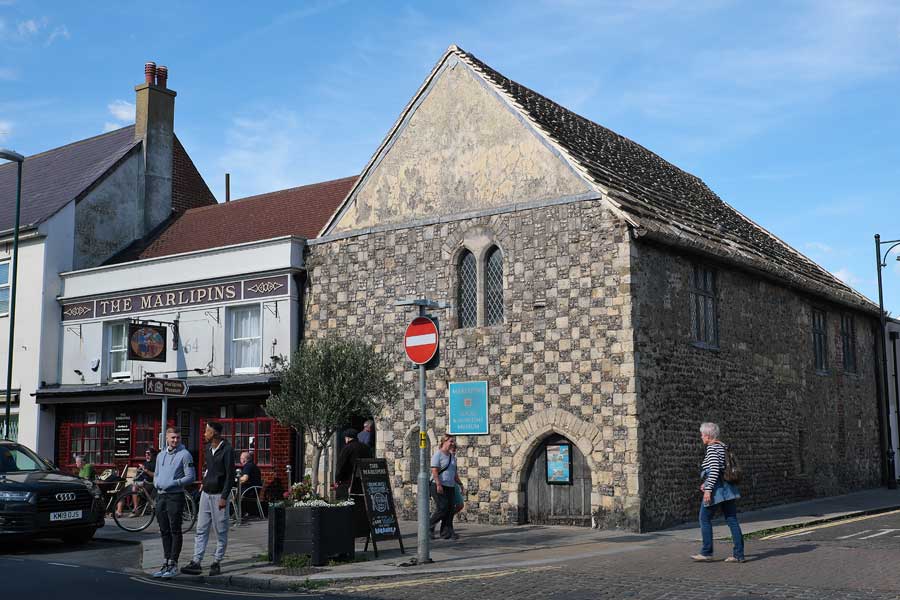
Check out Hove Museum, Marlipins Museum and Shoreham Fort if you’re interested in finding out more about the town’s history.
All photographs copyright ©rosemaryandporkbelly
If you’ve enjoyed browsing our website, learned something new, or just had a smile because of what we do – we’d love your support to keep the good stuff brewing!
Travelling soon? Things to do and attractions not to miss with Get Your Guide …
Where to next?
• Rottingdean, home of mystery, music and murder
• Going underground at Château de Brézé
• 7 unmissable things to do in Bath