
Spring is a great time to start thinking about holidays, and what better than a trip across the English Channel to France.
The UK’s love of France never seems to wane, in fact out of the 100 million international tourists who holidayed there last year, around 8.5 million of them were British. 8,400 of them liking it so much they took out first-time residency permits!
The most popular destinations in France include Paris, the Côte d’Azur, Normandy, and of course the Loire. But being popular means that it’s hard to find the less visited places.
But read on and find out about Château de Brézé, one such place we both enjoyed, and you might do too…
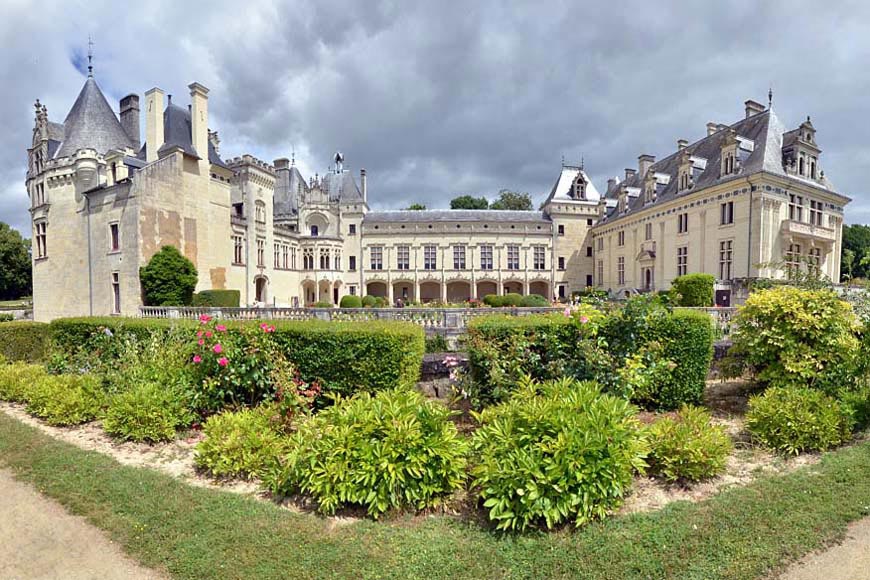
A Château with a Twist
One hot and stormy August day a fair few years back, Pork Belly and I drove towards Brézé, just a few miles south of Saumur, to visit for the second time one of the most intriguing châteaux in the Western Loire region of France.
No holiday would be complete for me without at least one trip around a château or castle. There are so many to explore.
Fighting forts emerge, battle-scarred and gaunt, from the hard rock that bears them.
Royal palaces, hinting of romance and mystery, are spun out of light and crystal-white stone. Some seem to float on air, whilst others are clearly designed to shelter a sleeping beauty.
Then there are the iceberg castles, serene and beautiful on the surface, with a whole world lurking underneath.
That’s the amazing fortress castle of Château de Brézé.
Château de Brézé history
Nestled in the heart of the Loire Valley, Château de Brézé is a French gem that’s part grand manor, part medieval fortress, and part underground labyrinth straight out of a fantasy novel.
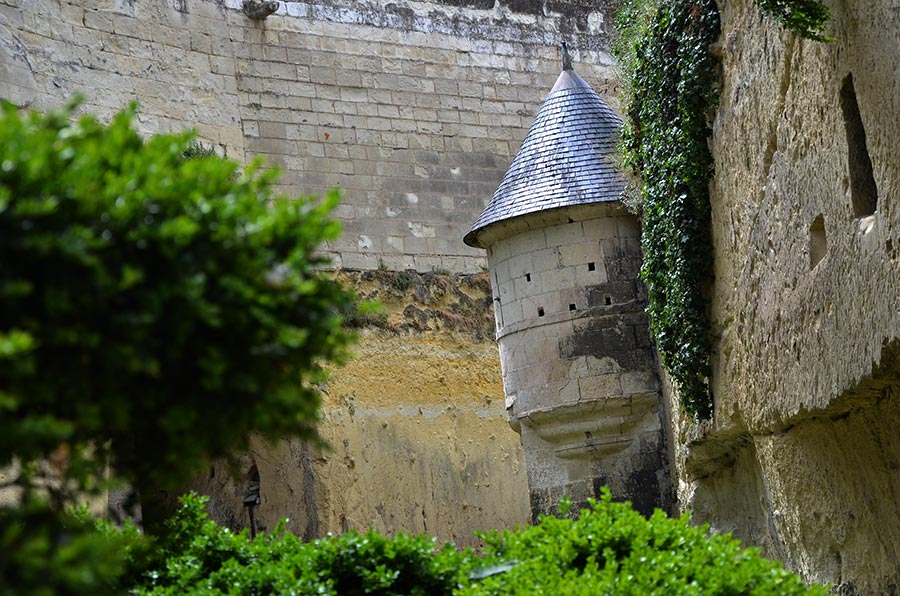
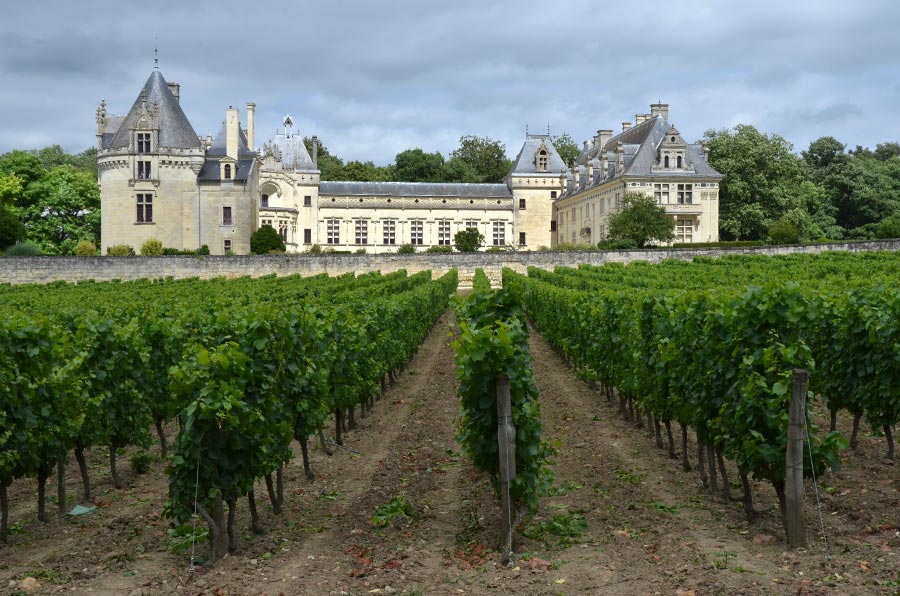
The château, set among its own vineyards, stands elegant and proud just outside the village it grew up to protect. Built over the years from the 11th to the 19th century, its turrets, courtyards and moat speak of battles long gone and families at war.
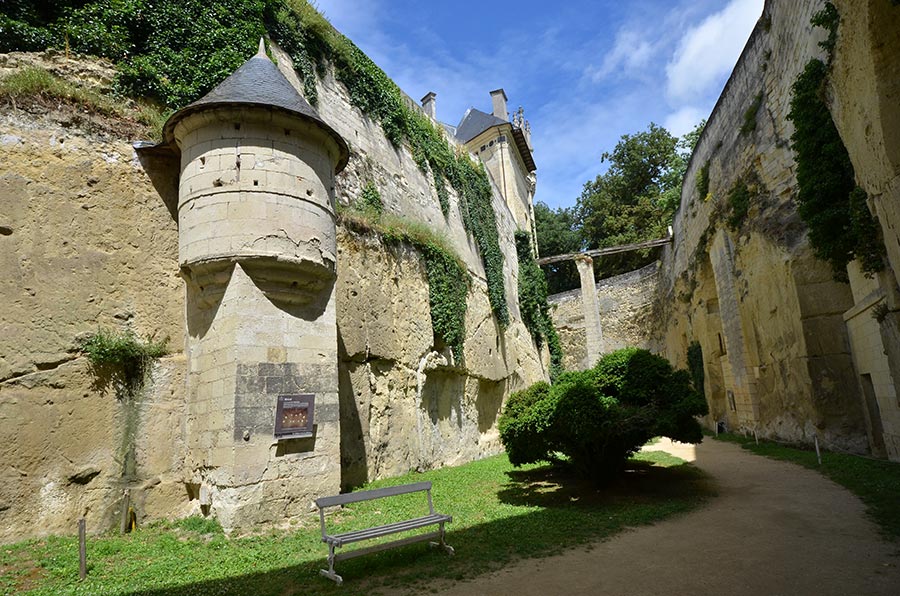
The château’s history dates back to at least 1063, when it was mentioned in a document from the Abbey of Saint-Florent.
Over the centuries, various noble families, particularly the Dreux-Brézé clan, have added their own flourishes, from medieval fortifications to Renaissance elegance and 19th-century neo-Gothic embellishments (because apparently, a giant moat and underground city weren’t quite enough).
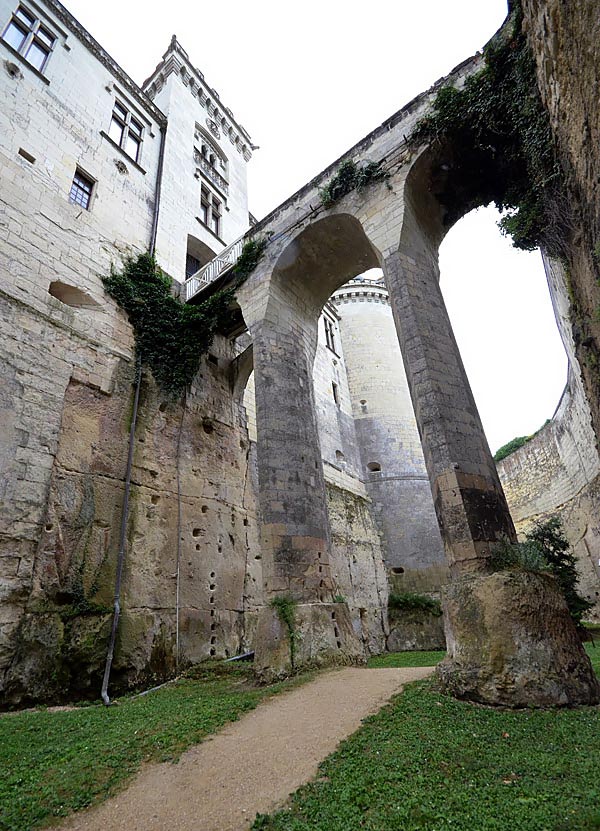
Deepest moat in Europe
Unlike your average French château, Brézé boasts one of Europe’s deepest dry moats, a dizzying 18 metres deep, which makes it look as if the castle itself is sitting in a vast, hand-dug canyon.
And as if that weren’t impressive enough, underneath the grand Renaissance façade lies a sprawling network of troglodytic tunnels, chambers, and even an underground village. Yes, you read that right, people actually lived under the château, complete with kitchens, stables, and even a silkworm farm.
Take that, ordinary wine cellars!
Inside the château, the rooms are furnished in Renaissance and neo-Gothic styles, reflecting the whims and fashions of when the Maillé Brézé family held court for more than 300 years.
But descend the steep and narrow staircase to one side of the gatehouse, and you enter a completely different world.
Going Underground at Château de Brézé
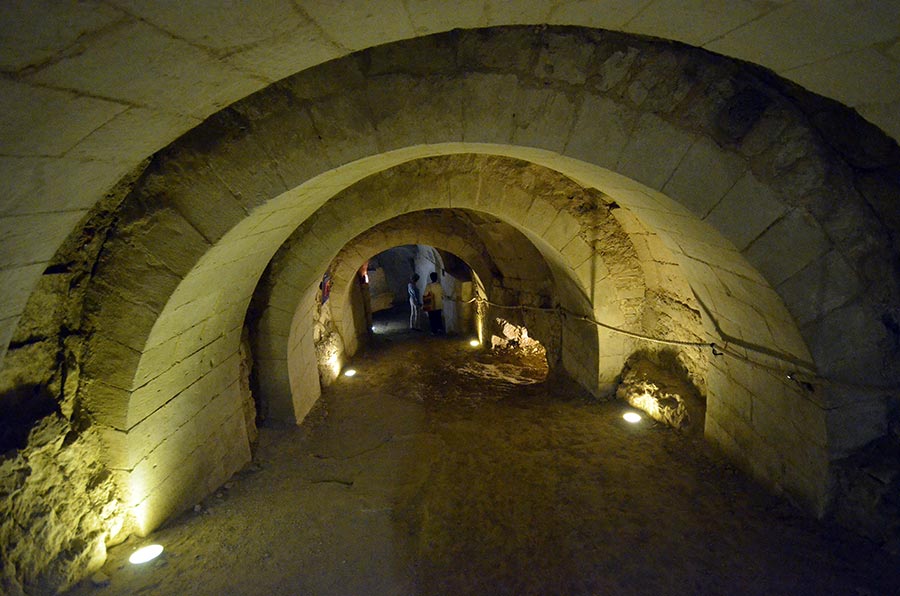
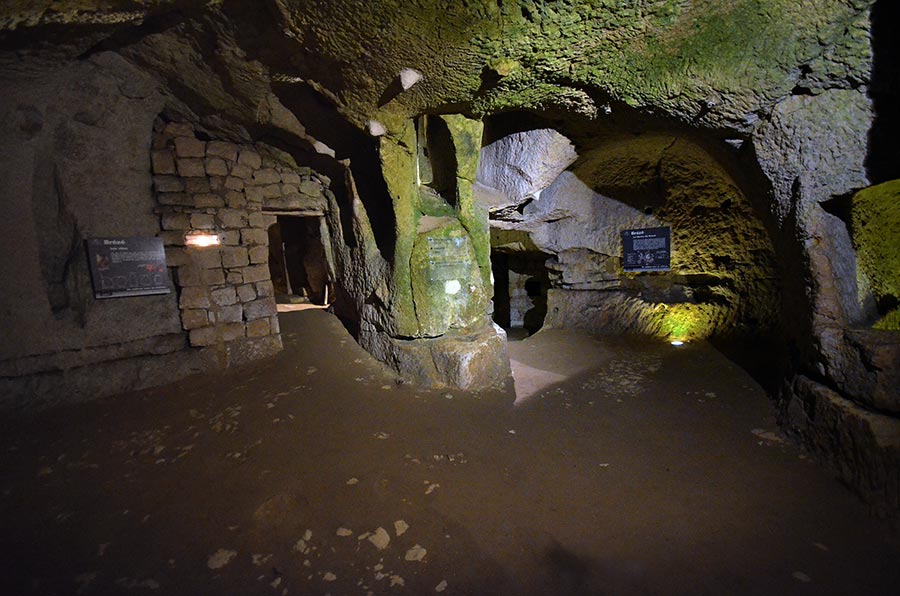
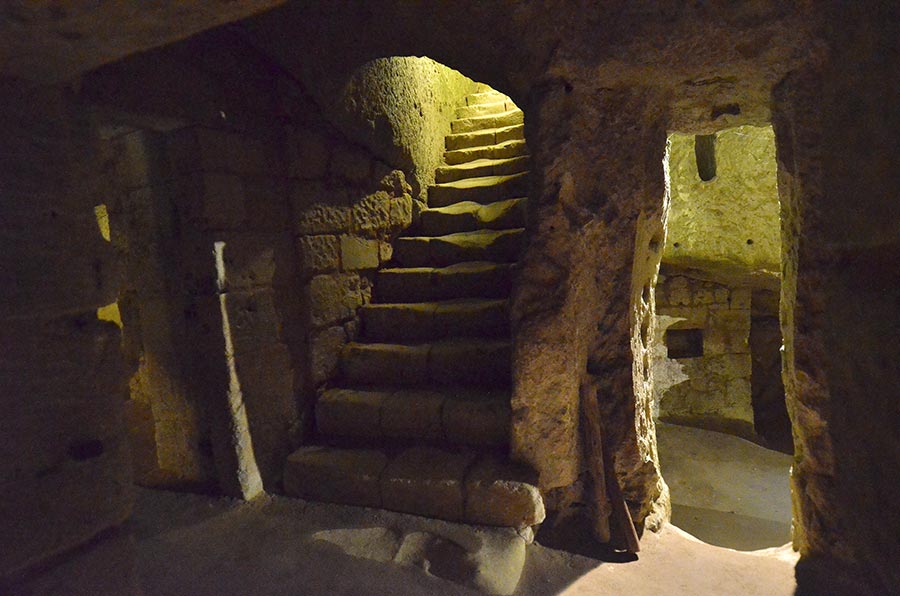
Deeper and deeper you go, exploring over half a mile of underground troglodytic tunnels cut into the tufa limestone, to provide shelter in time of need for the whole village.
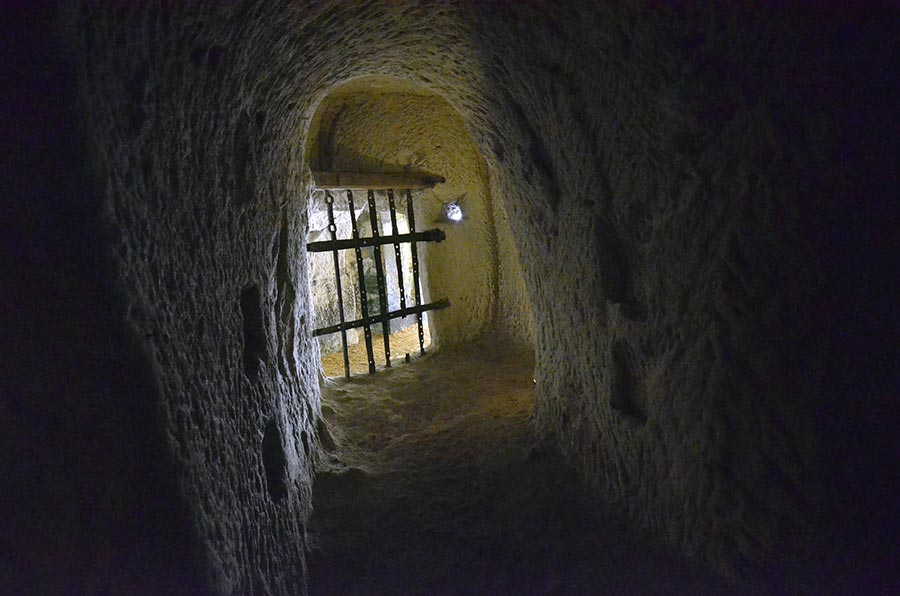
There are animal stalls and mangers hewn from the rock face, communal meeting chambers, a room for worship and guard points with narrow slit windows giving the defenders a clear view if the outer-walls were breached.
Underground medieval bakery
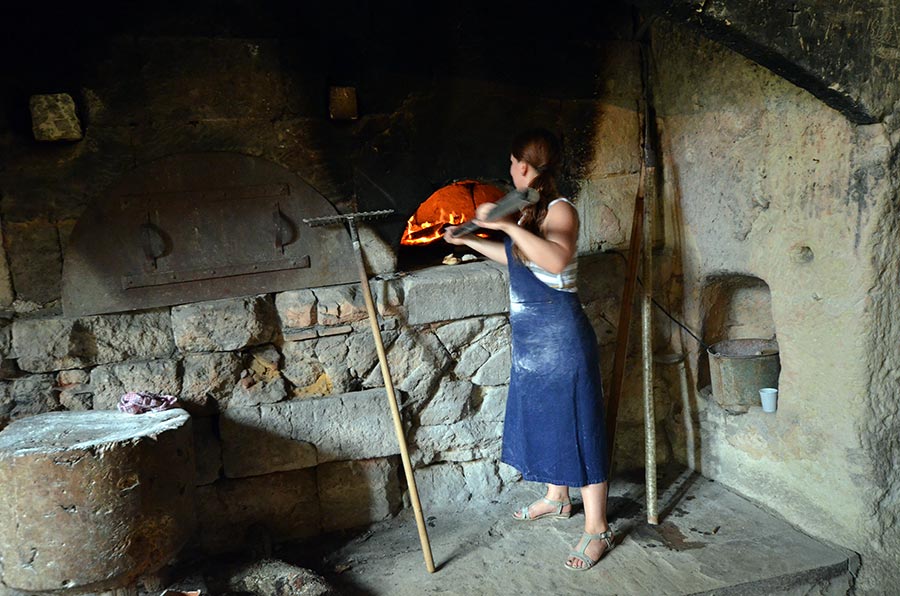
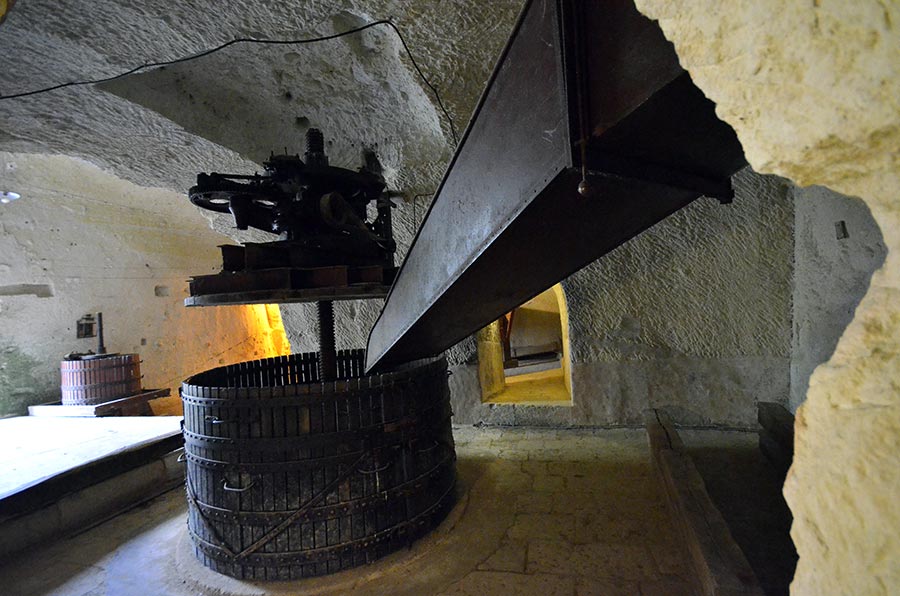
The moat walls house yet more troglodytic delights – stables, an ice house, wine press and one of the largest known underground medieval bakeries in France.
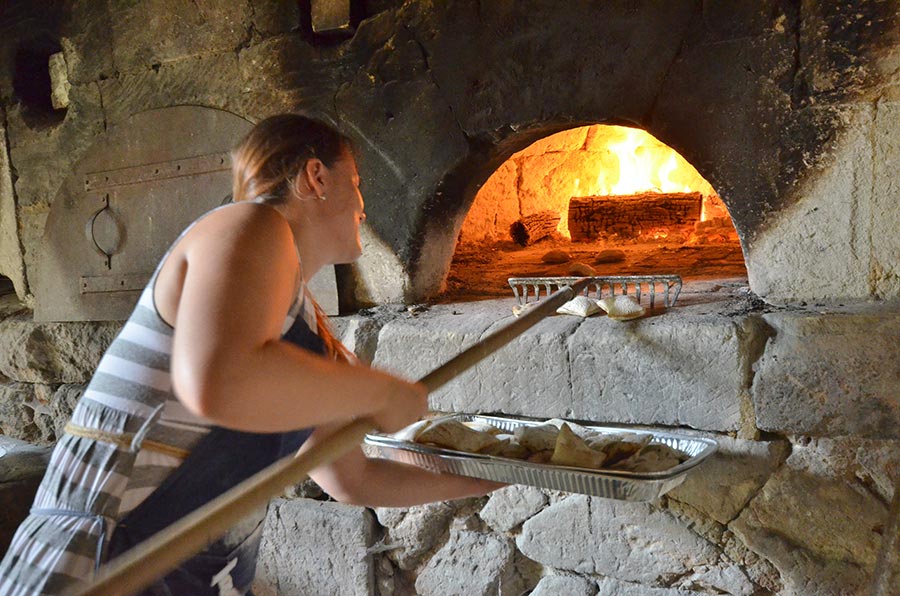
In high season you might, like we did, get to visit this ancient bakery with it’s wood-fired ovens and enjoy demonstrations of the regional bread speciality ‘fouaces’, oven-baked dough balls which you open up and fill with whatever takes your fancy.
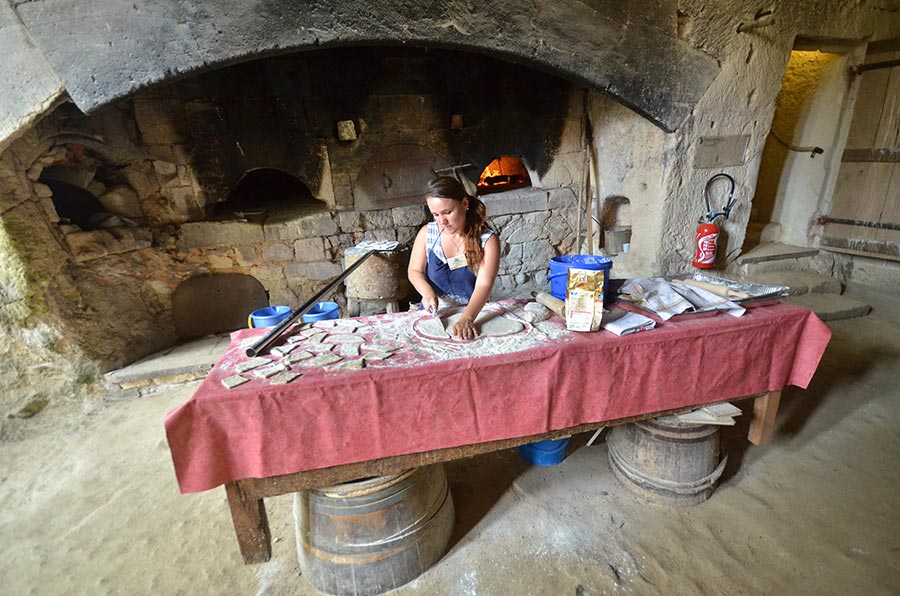
Traditionally this would have been something savoury like mushrooms, sausage or roasted meats, but we tourists are offered jam, peanut butter and chocolate spread.
Getting to Brézé from the UK
Reaching Château de Brézé is a straightforward affair. The easiest way is to hop on the Eurostar to Paris, then take a TGV to Angers or Saumur. From there, it’s a scenic drive or a bus ride to the château.
If you’re feeling particularly leisurely, a road trip through the Loire Valley, stopping for a few indulgent wine tastings along the way, is highly recommended.
A Taste of Brézé
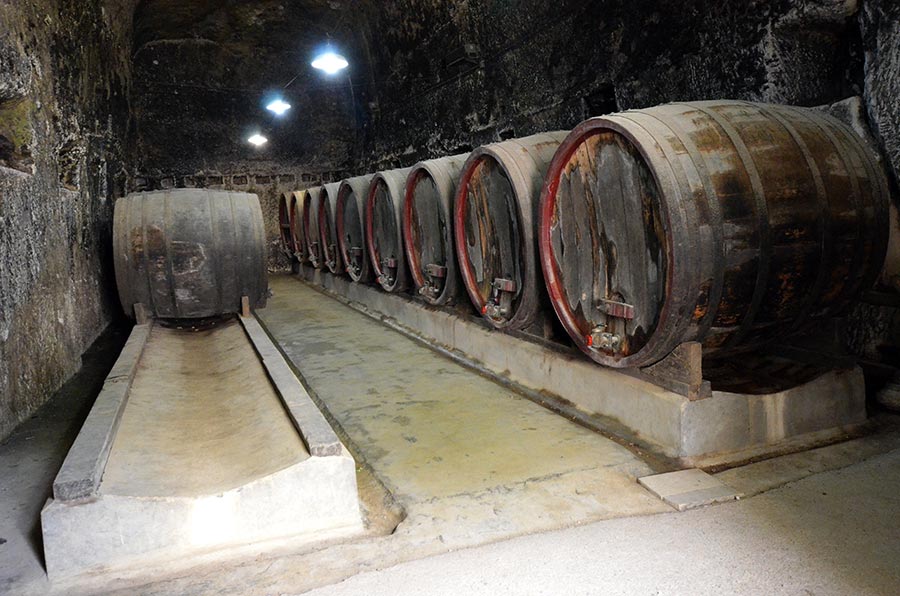
If you thought Château de Brézé’s underground tunnels were impressive, wait until you try their wines. The estate’s vineyards, sprawling across 10 hectares of prime Loire Valley terroir, have been producing wine since the 15th century.
Specialising in crisp, mineral-rich Chenin Blancs and elegant Cabernet Francs. Visitors can sample these delights in the château’s tasting cellar, open from Wednesday through Sunday, from 10:00 till 13:00 and from 14:00 till 18:00.
More information
The château is open most of the year, with extended hours in the summer months. Last entry is usually an hour before closing, so no dawdling if you want to get the full experience! As always, check the official website before your visit to avoid any surprises.
It’s pretty chilly in the caverns, so bring something warm to wear even on a hot day, and going underground might be difficult if you have physical disabilities or suffer from claustrophobia.
You’ll find Château de Brézé at 2 Rue du Château – 49260 Brézé – Maine et Loire
or visit the Château de Brézé website for the latest information
Photographs copyright: John Heinrich
Where to next?
• Island Life – Isle of Wight
• Blue Waters Resort, Antigua
• Trench cake