
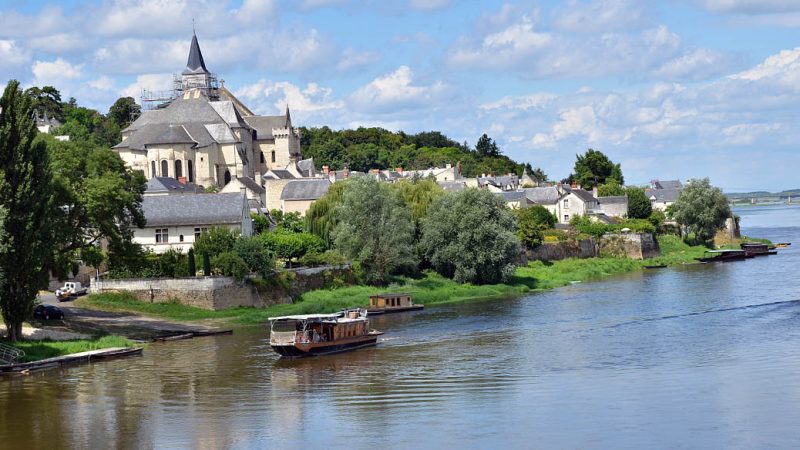
Pork Belly and I love to travel, either at home or abroad, but one place we keep returning to is Anjou in France.
The real voyage of discovery consists not in seeking new landscapes, but in having new eyes
Marcel Proust
In the carefree days BC (Before Children) we took off every September in a small car, with notebook and camera. All in the days before the internet.
We’d look up the weather forecast and simply head for anywhere that took our fancy. Now we’ve travelled through most of France we’ve decided on the three areas we love best – Languedoc, Auvergne and Anjou.
Five reasons why you should travel to Anjou in 2025
Anjou keeps calling us back, with its landscape, history, culture and zest for good living.

Anjou is a land of plenty
Anjou bursts with life. An abundance of fruit, vegetables, flowers and vines, all gently watered by the sweeping River Loire.
Self-catering breaks here are a delight, with dozens of local markets providing the ingredients for everything from a casual picnic to a three-course evening meal.

A leisurely drive through the countryside in high summer rewards you with views of rolling hills, wide open fields full of sunflowers and, of course, grape vines.
Red, white and rosé wines of Anjou
Say Anjou, and most people think of rosé, and of course there are some excellent ones, from sweet to dry, to tempt every palate.
But there are 32 appellations d’origine contrôlée in the area for reds, whites and sparkling too.
Chenin Blanc is the grape variety that dominates white wine production, while Cabernet rules in the reds and rosés.
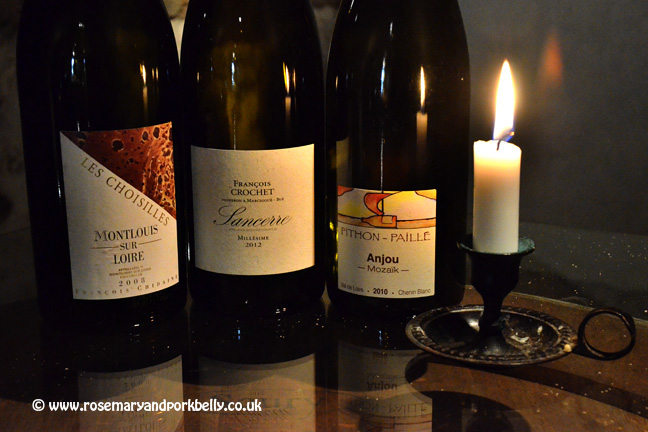
Most vineyards are found close to the Loire and south of Angers, around the Layon and Aubance valleys. Layon is familiar to UK wine-lovers, but the coteaux-de-l’aubance wines aren’t so widely known.
North of the Loire, beside Angers, the lovely old stone walls surrounding the wine properties of Savennières mark out one of the smallest appellation areas producing fine dry white wines.
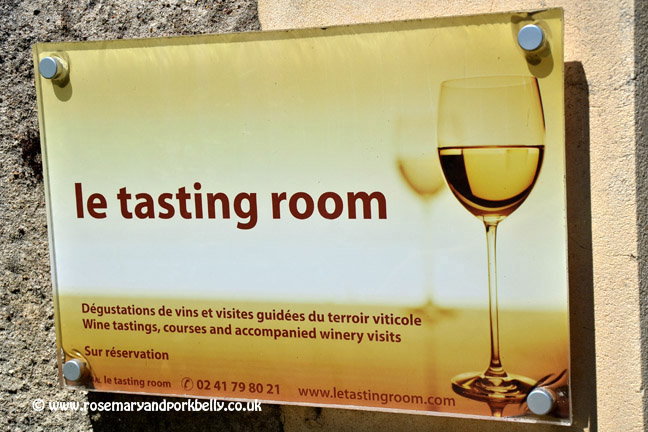
Baffled by all this grape-talk?
So were we, until we’d spent a day at le tasting room where we learned so much that has increased our confidence and pleasure in tasting wines.
But even without this expert knowledge, don’t be afraid to have a go – you will be made very welcome as long as you follow a few simple courtesies.
Anjou land of history
If churches and castles are your thing, Anjou has some of the finest in Europe.
France and England have always been closely entwined – either fighting each other or forging alliances. That shared history is evident throughout the region.
We’ve seen the famous Bayeux Tapestry but the Apocalypse Tapestry in Angers Castle is equally awe-inspiring.
The tapestry is over 100 metres long and depicts a terrifying battle between good and evil.
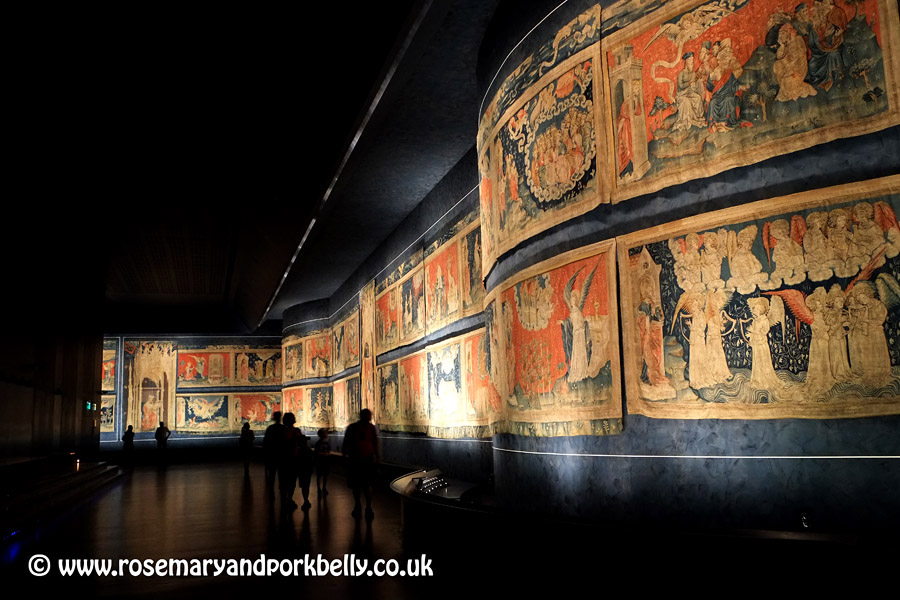
While it was being woven in the mid 14th century, the Hundred Years War was in full swing. Experts say you can make out the helmets of English troops among the evil warriors.
So the tapestry was part biblical story, part propaganda and part satirical cartoon!
Ironically, some of the troops depicted as villains were descended from local Angevins. The links between Anjou and England run deep, thanks to the Plantagenets, a dynasty that spanned the two countries for centuries.
Geoffroy the fifth of Anjou was the first to unite the kingdoms. His name comes from his habit of putting a sprig of broom in his helmet when going into battle – genêt is French for broom.
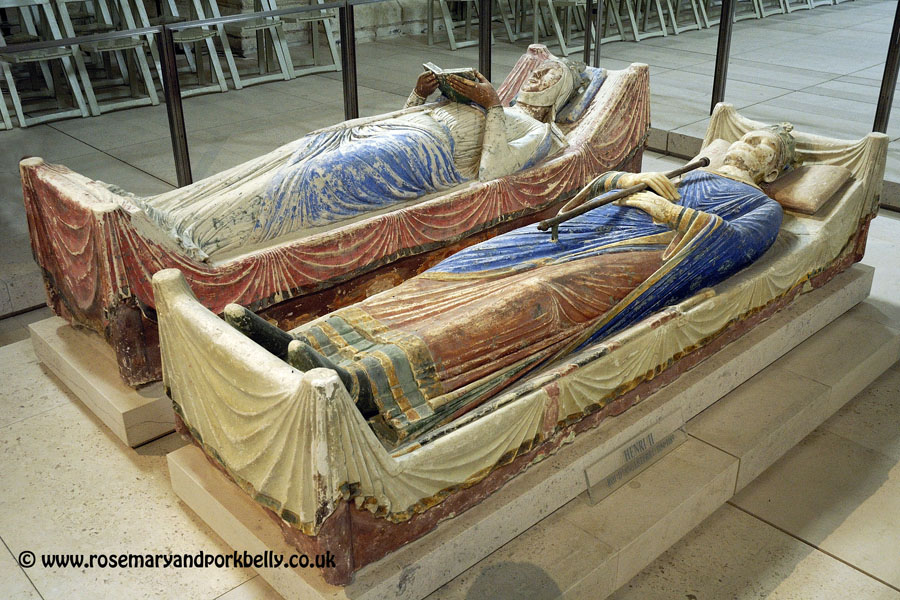
Geoffroy married Matilda, daughter of King Henry I of England and their son Henry kept the nickname, even when he went on to be crowned King of England in 1154.
He, his French wife Eleanor of Aquitaine and their son Richard Coeur de Lion all
have their final resting places in Anjou, at Fontevraud Abbey.
Anjou’s underground life
Around the white-stoned town of Saumur, the countryside is peppered with spectacular caves and quarries which are put to a multitude of uses – homes, wine cellars, garages and art galleries.

At Doué-la-Fontaine even the zoo is partially underground.
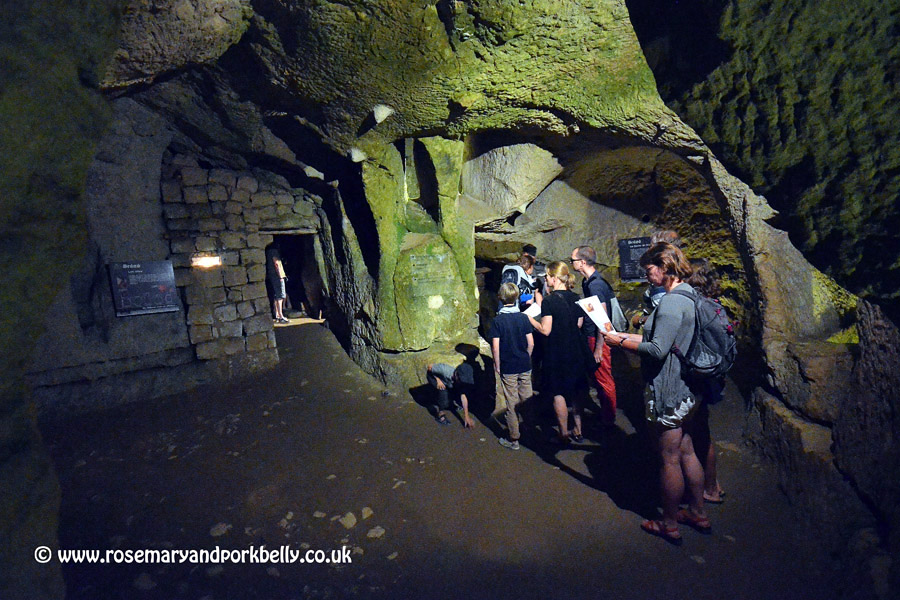
The “sous-terrain” life is also demonstrated at the château de Brézé which has a whole underground castle – fortifications, kitchens, living areas, chapel – as well as the more traditional historic apartments up above.
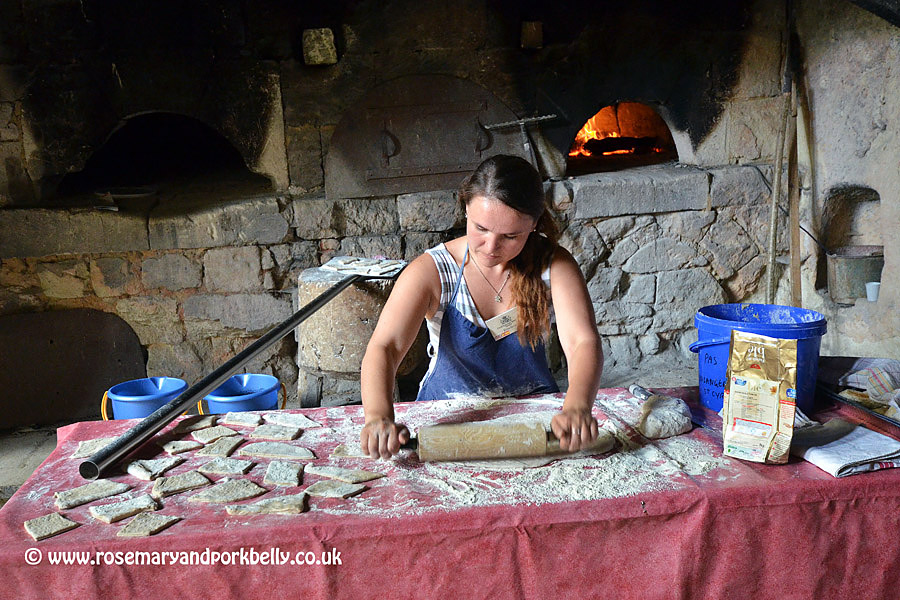
On some days they fire up the ancient kitchens and make the regional bread speciality “fouaces”, oven-baked dough balls which you open up and fill with a variety of ingredients.
I took a jam one, Pork Belly opted for chocolate spread. Delicious!
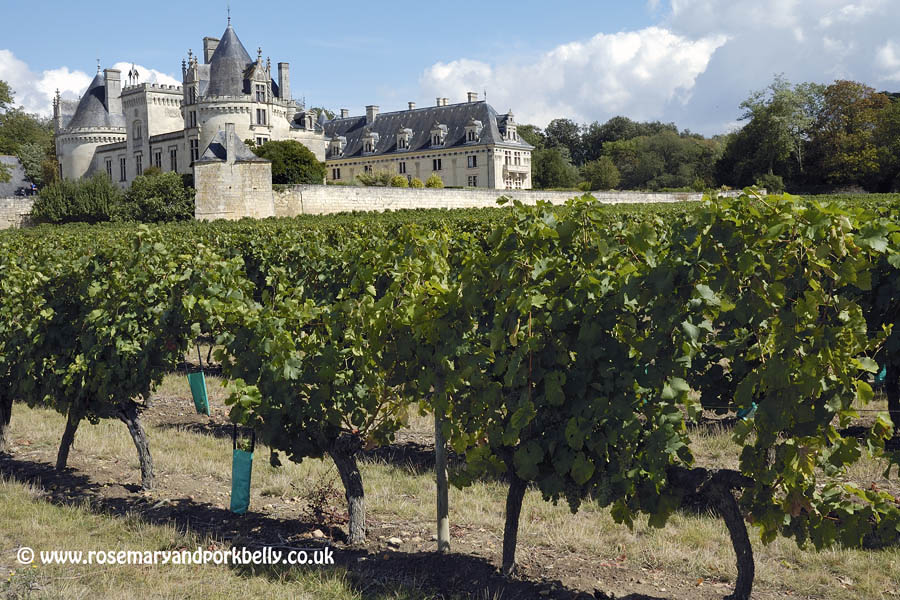
The local limestone is used right across the Loire to provide the stone for the stunning castles you see at almost every bend in the river.
The Angevin quarries also produced over the centuries vast quantities of black slate which is used on the majority of Anjou roofs.
The gardens of Anjou
But for me, it’s the beautiful gardens that really stand out in the region.
Go early enough in summer and the roses are in full bloom – all heady scent and pale petals.
The climate in Anjou is a little warmer and dryer than other parts of the Loire so some of the more exotic species bloom well here too.
Terra Botanica – a theme park devoted to all types of horticulture – is a great day out and in Chemillé, the public garden Camifolia focuses on medicinal and aromatic plants.
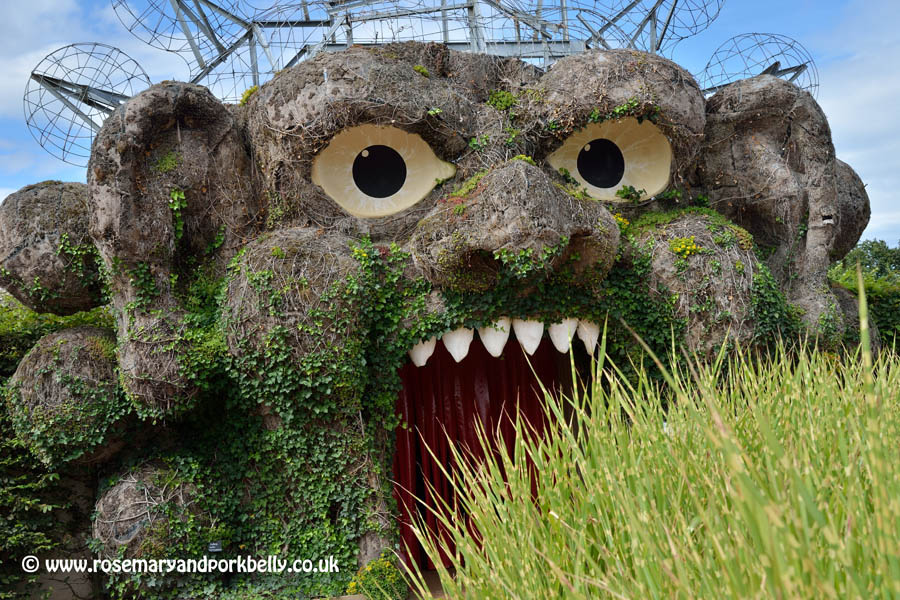
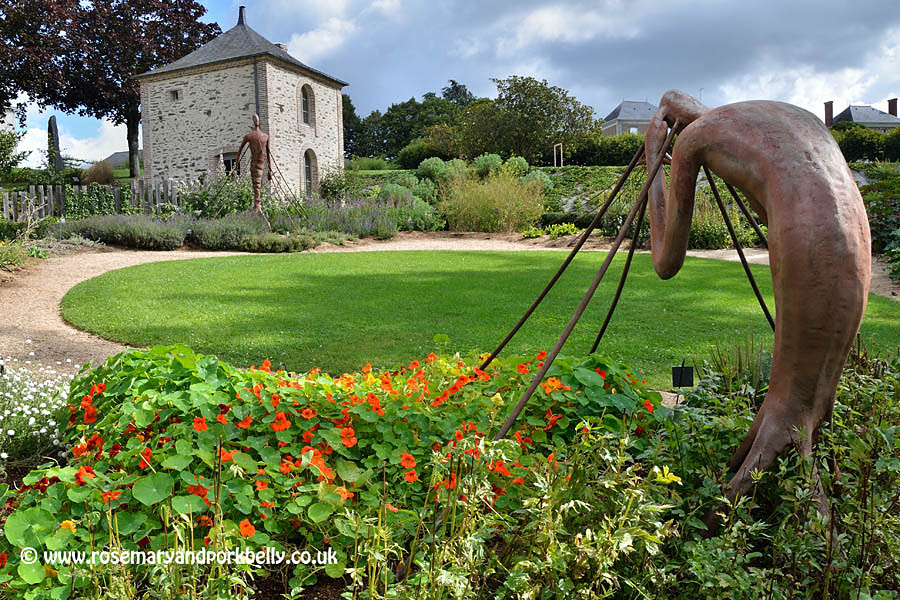
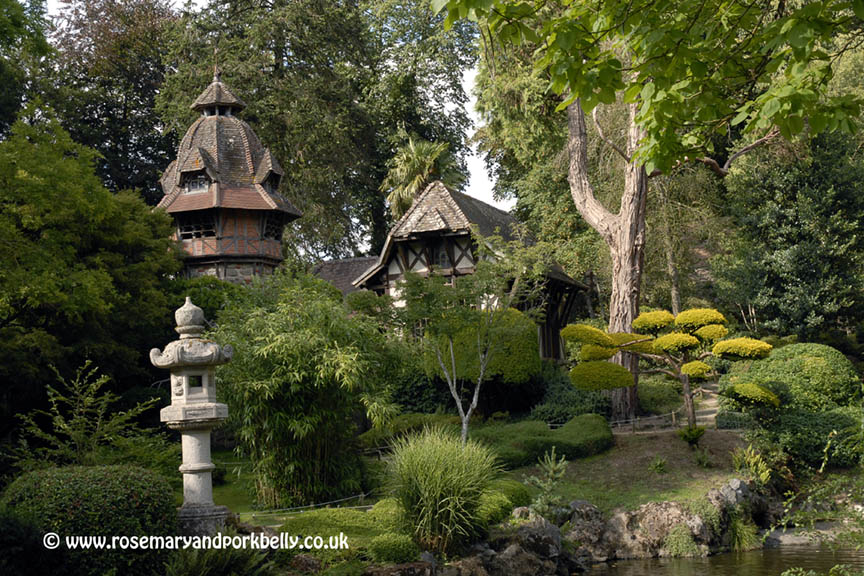
Way down south is the region’s most exotic garden, the Parc Oriental in Maulévrier, designed in the Japanese style.
Beautiful by day, it’s also well worth an evening visit for the Jardin de Nuit events.
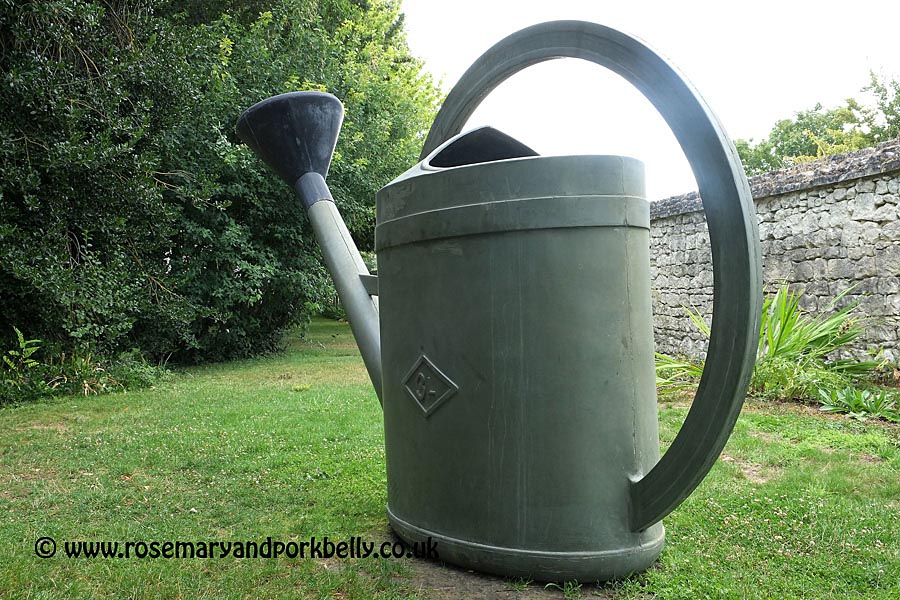
Every château you visit has a garden, mostly a formal cultivated space, but many also have the riotous colour and heady scent of a kitchen garden.
If you are into fairy-tales, Chateau du Rivau is one of the best, especially for young children.
More information
For more info, take a look at The Anjou tourism agency website.
Where to next?
• 10 things to do in Anjou
• 7 unmissable things to do in Bath
• Global Convoy – on the road to adventure