
There is something properly alluring about an island holiday. You get that delicious, slightly guilty feeling that you have actually escaped, and not just shuffled along to the next postcode. Off England’s south coast, less than two hours from London (if trains behave) and a short hop across the Solent from Portsmouth, Southampton or Lymington, you can discover the Isle of Wight a compact world of chalk cliffs, beaches, odd little villages, a smidgen of royal drama, and dinosaurs.
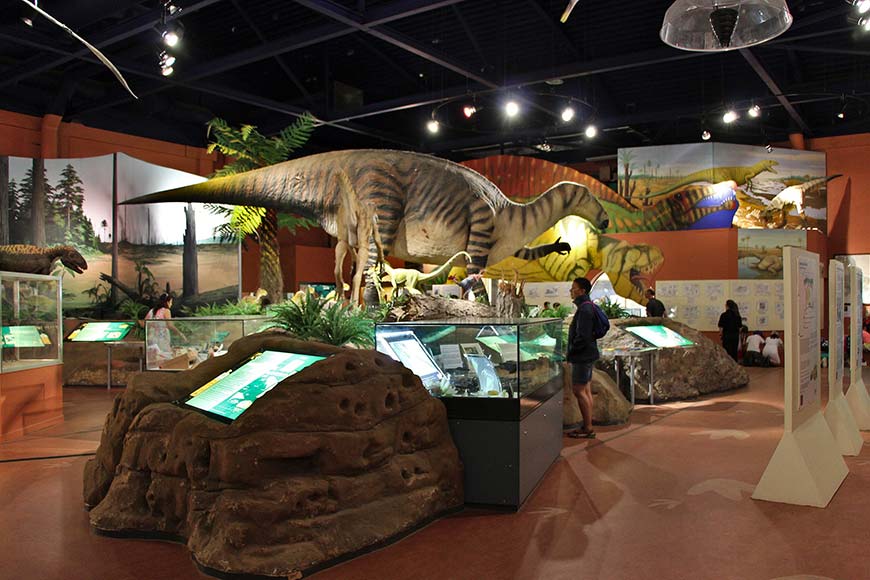
Yes, before we go any further, this is Britain’s Dinosaur Capital. Over 25 different species of dinosaur have been discovered here, including the spinosaurid Ceratosuchops inferodios (that’s “horned crocodile-faced hell heron” to you and me). The beaches around Compton Bay and Yaverland are fossil-hunter heaven, and if you fancy upping your geek game, the Dinosaur Isle Museum in Sandown (closed until 2026) is the UK’s first purpose-built dinosaur museum. You’ll know you’ve arrived when you see a building shaped like a giant pterosaur.
A few useful facts up front
The Isle of Wight is home to roughly 140,000 people and was designated a UNESCO Biosphere Reserve in 2019. That means the place is not only lovely, but recognised for the way people and nature try to live together sensibly.
Ventnor, on the south coast, enjoys a genuine microclimate that allows plants more at home in sunnier latitudes to get on with life outdoors.
Why bother going?
Because variety, that’s why. In a single day you can clamber along towering white cliffs, fossil-hunt on pebble beaches, wobble on a chairlift down into Alum Bay to see the Needles, then end the evening by peering at the Milky Way from a hilltop. The island’s landscapes are compact and dramatic; it often gets called “England in miniature” for that reason.
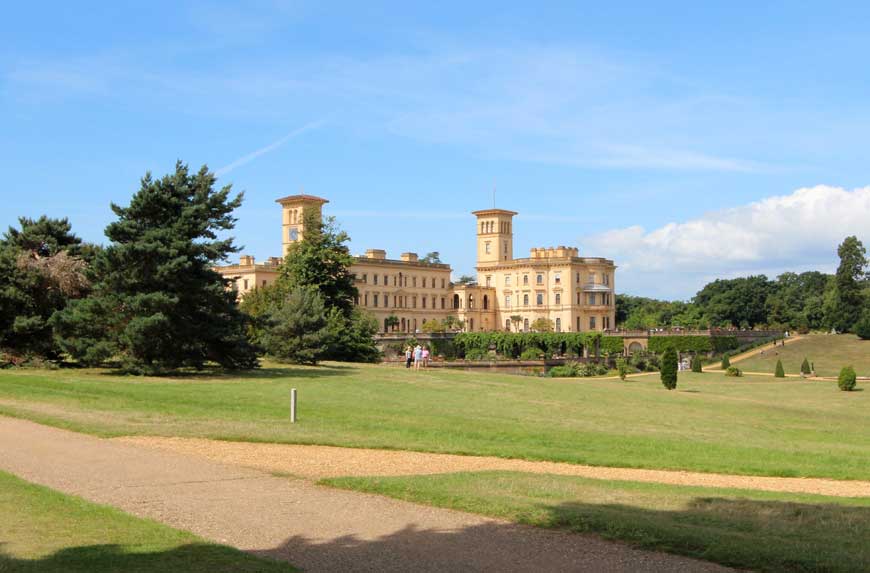
If history floats your boat, the Isle of Wight has bucketloads. Queen Victoria left a royal-sized footprint at Osborne House, and Carisbrooke Castle has a Norman keep, castle walls and the curious story of King Charles I’s captivity.

Beaches, fossils and rockpools
Shanklin and Sandown are the dependable family favourites for buckets and paddling. If you want surf and sunsets, head to Compton Bay. For rockpooling, Freshwater Bay reveals ledges at low tide and a satisfying repertoire of small marine life. Take care around caves and cliff bases; tides can be treacherous and local advice is wise.
The Needles are the island’s show-off geological moment. Those white chalk stacks that jut dramatically from the sea, and the stripey lighthouse, are products of long, slow geologies and coastal erosion, and they make for brilliant photos and a dramatic viewpoint. You can see them from the clifftop, or take a short boat trip for a closer look.

Wildlife, odd gardens and red squirrels
It’s hard to take a dull photo here. The island’s terrain seems to have been designed by a committee that couldn’t make up its mind: chalk cliffs one minute, sandy beaches the next, and a surprisingly exotic botanic garden that thinks it’s in the Mediterranean.
Ventnor Botanic Garden enjoys its own microclimate and grows succulents, palms and other sun-loving plants quite happily without a greenhouse in sight. Staff there have been experimenting with citrus and other tender species for some years.

A little more sedate is the historic Mottistone Gardens, a National Trust property near Newport set in a sheltered valley surrounded by rolling downland.
The island is a haven for wildlife lovers. Red squirrels dart about smugly, safe from their grey mainland cousins, and birdwatchers can spot everything from oystercatchers to buzzards.

Night-time: starry, spooky or simply quiet
If clubland is not your thing, the island’s skies are often gloriously dark. It is part of the UNESCO Biosphere area and has some of the least light-polluted spots in southern England, making it a decent place for star gazing.
St Catherine’s Oratory, nicknamed the Pepperpot, is a dramatic place to stand and look up. Standing on one of the highest parts of the island, the octagonal tower is all that survives of the oratory, which was built in 1328 and is the only medieval lighthouse surviving in England.
Run jointly by National Trust and English Heritage, it’s free to enter, but be prepared for a short hike up a hill and there may be cows!

Family pleasures and slightly silly fun
Blackgang Chine dates from the 1840s and is Britain’s oldest purpose-built amusement park. Gloriously eccentric; expect dinosaurs, pirates, odd castle sets and, depending on the generation of your party, either joy or a mild sense of foreboding.
Monkey Haven is a rescue centre that looks after gibbons, capuchins and other rescued creatures.
The Sunshine Trail is an easy mostly-off-road cycle route through Sandown, Shanklin, Godshill and Wroxall, ideal for families on hire bikes or gentle explorers.
Or take a trip on the Isle of Wight Steam Railway, rattling through the countryside and stopping off at each station for a glimpse of the past. The entire 10-mile round trip, which starts at Ryde, is a working museum dedicated to the age of steam.

On the island’s most easterly point you’ll find Bembridge – thought to be the largest village in England, with a population of around 4,000.
Bembridge is a thriving local community packed with independent shops and cafés. It has three beaches, a small harbour and is backed by Culver Down, the white cliffs which can be seen from Sandown Bay all the way to Shanklin.
A quick myth-bust
You will often read that you can drive around the Isle of Wight in less than an hour. That is optimistic if you want a leisurely visit with any stops.
Driving roughly east to west across the island can take about an hour without traffic, and a full scenic circuit or “Round the Island” drive typically consumes two to three hours at sensible speeds and without too many tea-stop interruptions.
If you plan to cram everything into sixty minutes, you will probably fail spectacularly and miss your cream tea.

How to get there – ferry ports, hovercraft and fast boats
There are several ways to reach the Isle of Wight, depending on whether you are a foot passenger, have a car, or fancy the fast option.
From Southampton to Cowes: Red Funnel runs both vehicle ferries and a hi-speed Red Jet for foot passengers. The Red Jet crossing is typically under 30 minutes, while vehicle ferries take about an hour. Book ahead in summer.
From Portsmouth to Fishbourne or Ryde: Wightlink operates vehicle and foot passenger ferries. The Portsmouth to Fishbourne vehicle crossing is around 45 minutes. There are also foot passenger catamarans at peak times.
From Lymington to Yarmouth: Wightlink’s Lymington to Yarmouth ferry carries vehicles and foot passengers and takes about 40 minutes. This is often the quietest drive-on route from the west.

The hovercraft: If you want the quickest crossing, Hovertravel runs the hovercraft between Southsea (near Portsmouth) and Ryde Pier Head. Crossings are famously rapid, typically under ten minutes, and the watchable approach to Ryde Pier is part of the fun. Note that hovercraft operate subject to weather and tidal conditions.
From London: Trains run from London Waterloo and London Victoria into Portsmouth or Southampton, which connect to the ferry terminals. For the fastest foot-only route from London, combine a train to Southampton and a Red Jet crossing to Cowes. For Portsmouth connections, trains to Portsmouth Harbour link easily to Wightlink and Hovertravel services. Check timetables and book tickets in advance in high season.
Once you are on the island, the bus network, hire bikes and car options are plentiful, but always check operator websites for the latest timetables and service updates.
Visit Isle of Wight has all the latest travel info.

Slightly hidden gems of the Isle of Wight
So you’ve done the beaches, bagged the fossils, and eaten your weight in clotted cream. But before you hop back on the ferry, make sure you’ve unearthed a few of the island’s other delights.
Shanklin Chine
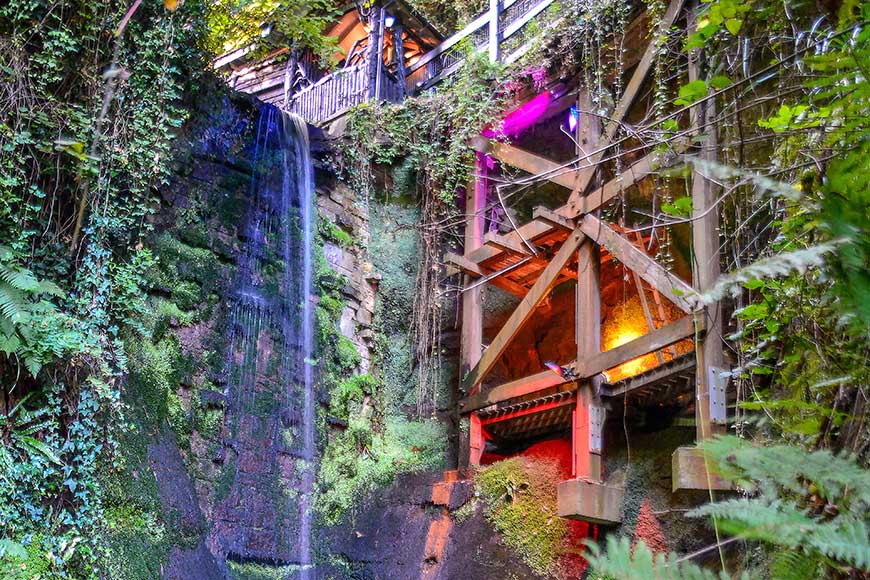
A natural historic gorge, part waterfall, part ravine, part smuggler’s hideout. Shanklin Chine is the island’s original tourist attraction, open since the 1800s and still going strong. Wander along leafy walkways, listen to the water trickle below, and imagine Dickens or Keats getting misty-eyed over the view. Visit after dark in summer when it’s illuminated and looks one part fairy grotto, one part fever dream.
The Needles Battery
Everyone queues for the chairlift down to Alum Bay, but the real magic is above it. Perched dramatically on the cliffs, the old Victorian gun emplacements of the Needles Battery are now run by the National Trust. You’ll find sweeping views, underground tunnels and, unexpectedly, a Cold War rocket testing site. It’s a bit “military museum meets James Bond”, only with better cake and fewer explosions.
The Dragon Tree at Brighstone
Move over, Middle-earth. This ancient oak near Brighstone has twisted itself sideways into such strange shapes that locals claim it was once a dragon turned to wood. More likely it’s just a tree having an identity crisis after a storm, but it’s undeniably photogenic and oddly majestic. Take a walk, bring your imagination, and maybe a sandwich. There maybe dragons and they get hungry!
The Floating Bridge (Cowes Chain Ferry)
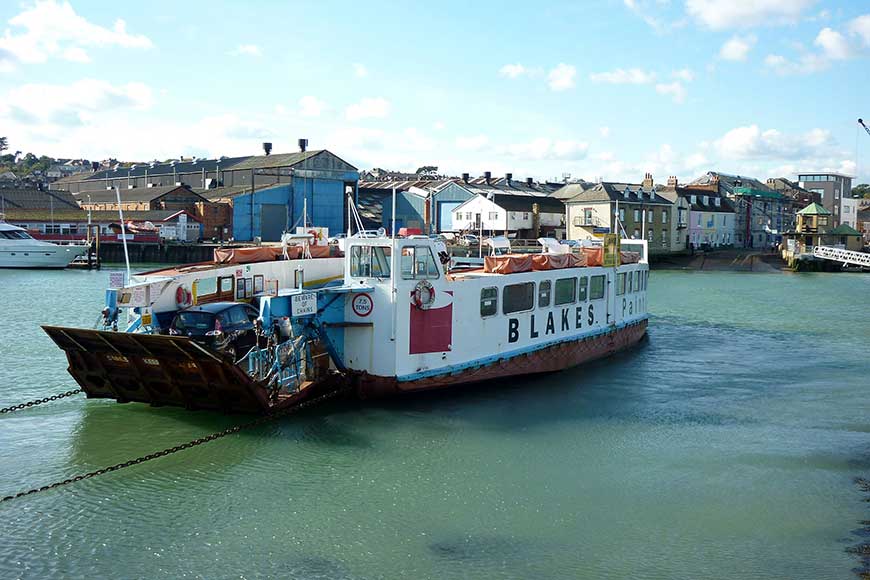
Technically a ferry, spiritually a slightly bewildered barge, the Floating Bridge has been shuttling people across the River Medina since 1859. It takes about three minutes, costs pocket change, and somehow manages to feel charmingly old-school every single time. Locals grumble about it endlessly, which is how you know it’s an island institution.
The Longstone, Mottistone Estate
Two weathered sandstone pillars stand proudly in a field, looking like a pair of Neolithic bookends. Nobody quite knows why they’re there – ancient ritual site, Bronze Age memorial, or a meeting point for St Catherine and the Devil (depends on your sources). Whatever its purpose The Longstone on the National Trust run Mottistone Estate is the sole remaining megalithic monument on the Isle of Wight and makes an excellent excuse for a ramble through rolling downland, with sea views and sheep for company.
Practical tips
Book ferries for cars and peak trains in advance during summer and festival weekends.
Tides and weather matter. Caves, rockpools and some beach routes can be cut off. Check local advice.
Parking in popular spots like The Needles can fill up; arrive early if you want the view without the scramble.
If you spot a red squirrel, consider yourself lucky and keep a respectful distance.

And finally ….
3 small cafés and a vineyard worthy of a detour
The Beach Shack is a licensed, award-winning seafood café which boasts stunning views of Sandown Bay
Chessell Pottery’s Courtyard Café, in the heart of the beautiful West Wight countryside, is famous for its ‘Ultimate Island Cream Tea’
Pedallers is a cosy countryside café strategically positioned on the Red Squirrel Cycle Trail to welcome hikers, bikers and dog-walkers.
Adgestone Vineyard claims to be the oldest continuously operating commercial vineyard in the UK. Founded in 1968, it produces the UK’s only blue sparkling wine!

So there you have it. Compact, surprisingly varied and with its own climate quirks, the Isle of Wight is one of those places that rewards slow exploration
When will you discover it?

Looking for a self catering stay? Try our affiliate friends Rural Retreats and Holidaycottages.co.uk
If you’ve enjoyed browsing our website, learned something new, or just had a smile because of what we do – we’d love your support to keep the good stuff brewing!
Travelling soon? Things to do and attractions not to miss with Get Your Guide …
Where to next?
• Beautiful places in Britain
• 9 lighthouses you can stay in
• The Manor at Hemingford Grey
I love the Isle of Wight. In fact I was on the other side of it last week as we went to Dorset and I could see it across the water. Can’t wait to go back some time soon! Great place for a UK holiday.
It’s possible to see the Isle of Wight from Sussex, but it has to be a very clear day! It’s so much more than a bucket-and-spade destination. Let’s hope you return soon.