
Malta enjoys some of the highest doses of vitamin D each year with around 3,000 hours of sunshine. That’s about 5 hours every day in December to over 12 hours a day in July.
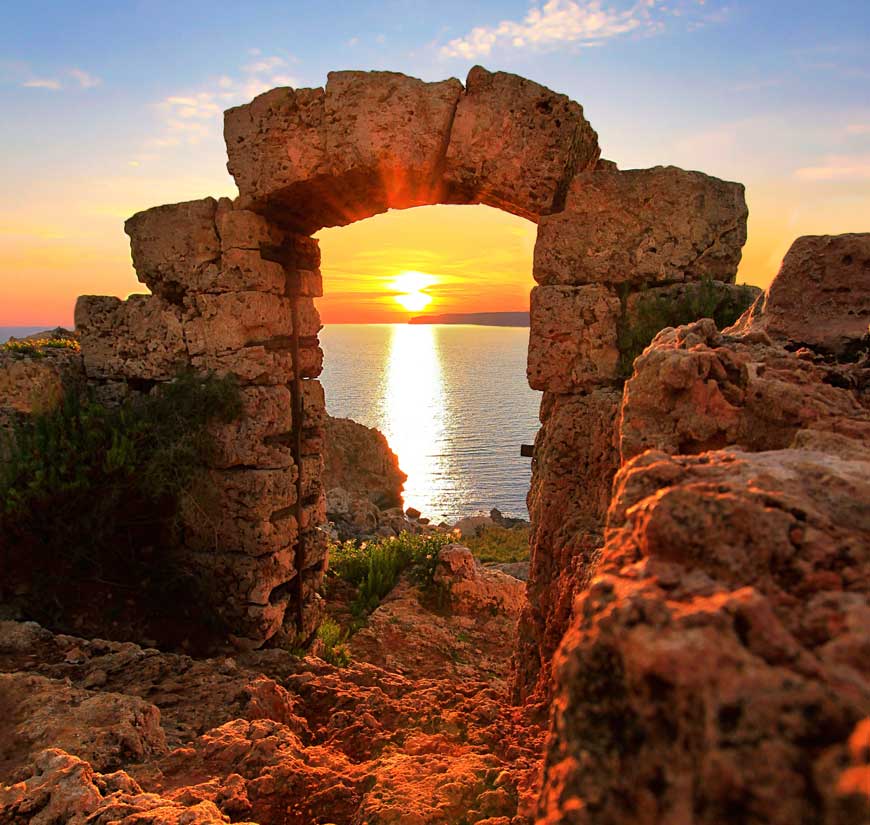
7,000 years of history
Malta has 7,000 years of history to discover in what’s been described as the world’s largest open-air museum.
And with that year round sun, stunning architecture and deep blue seas, it has something for everyone.
10 things to do in Malta
Our last visit was distinctly off season – a chilly but bright week in February, more years ago than we care to mention – but Malta remains firmly on our ‘must go again’ list.
Explore the capital, Valletta
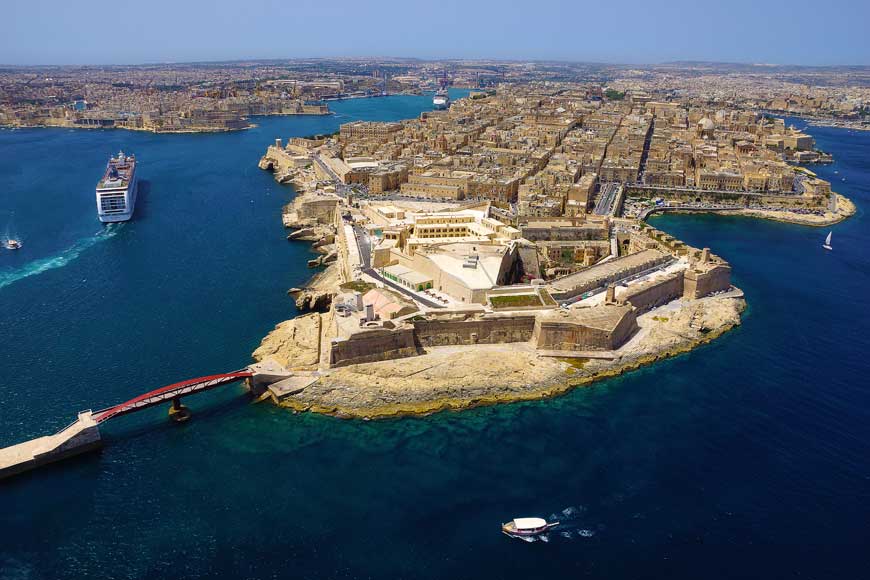
Known as The Fortress City because of its impressive walls and fortifications, Valletta was established in 1566 by the Order of the Knights of St John and completed in less than 15 years.
Making the most of the natural rocks and the two deep harbours, it quickly became a place of safety for Christians defending their faith, as well as a useful trading point.
Today its tiny streets are full of intriguing historical sights: votive statues, niches, fountains and coats of arms sculpted high up on parapets.
A walking tour is advised to make sure you have time to take in every little detail.
Marvel at the art and architecture of St John’s Co-Cathedral
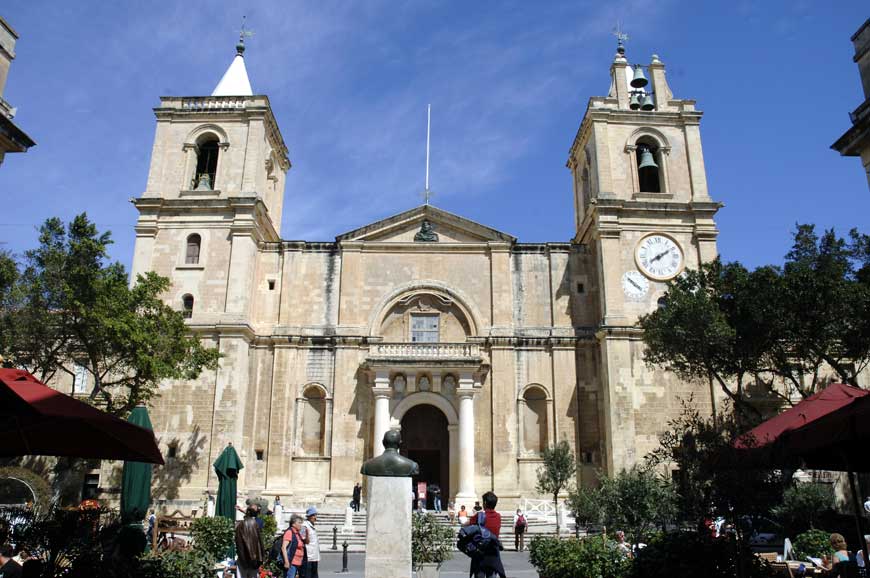
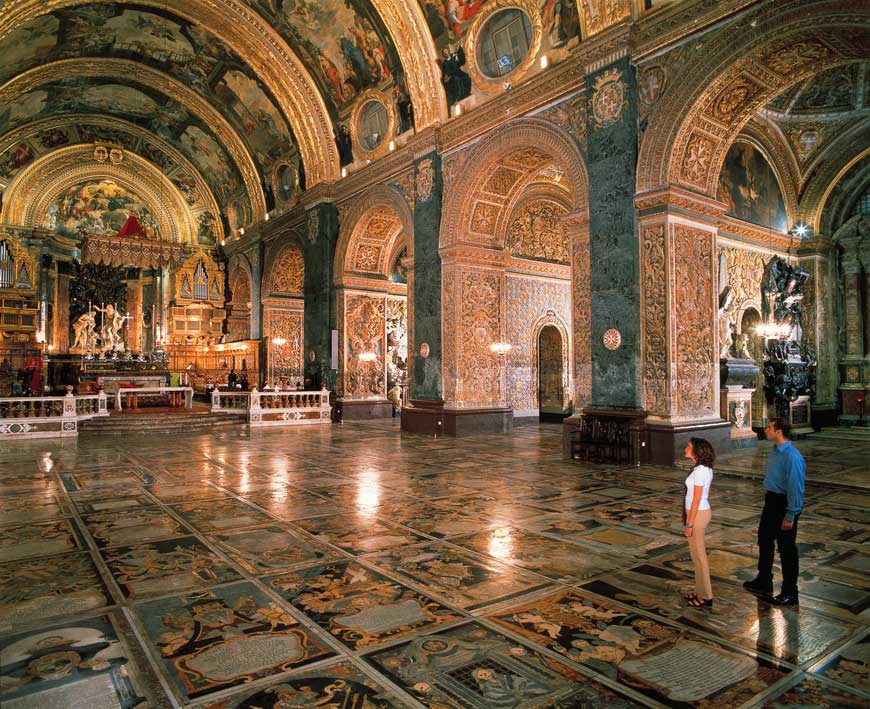
If the baroque interior doesn’t stun you, the Caravaggio paintings will make your jaw drop!
Even more impressive is the marble floor, made up of nearly 400 tombstones of Knights and officers of the Order of St John.
Each stone is inlaid with the crest, coat-of-arms and epitaph of the noble knight.
Watch colourful boats bob in Marsaxlokk Bay
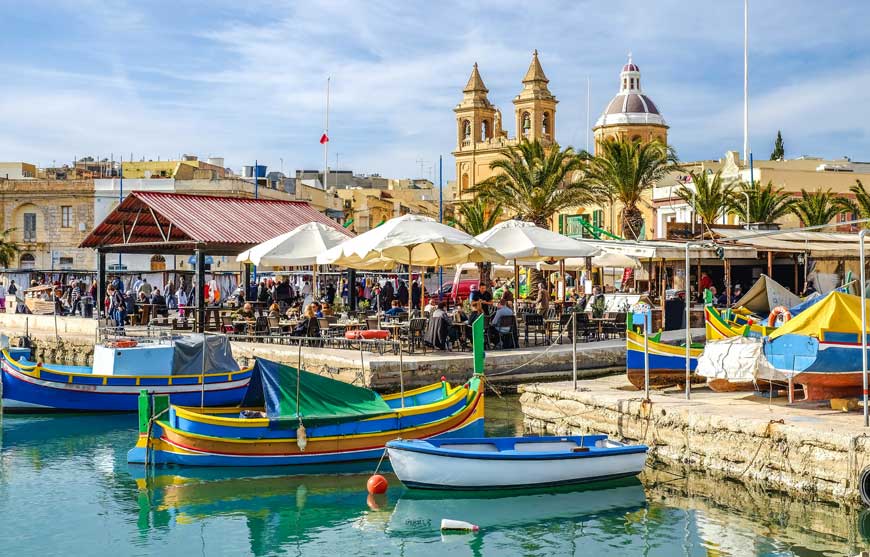
The gondolas of Venice are all black, but Malta’s boats are gloriously technicolour.
The little fishing village of Marsaxlokk is just a few miles south of Valletta.
Sunday’s are very busy with locals at the fish market, so it’s probably better to go midweek and just relax.
Take a history walk in Mdina
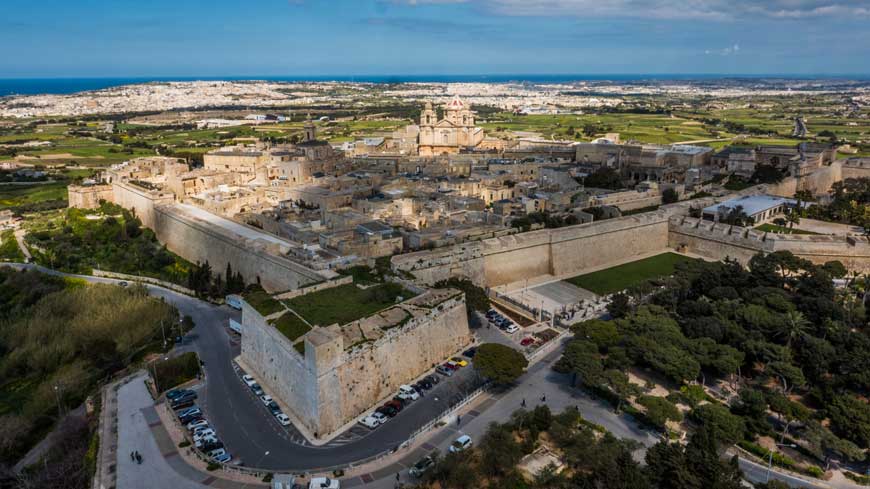
The original capital, before Valletta was built, Mdina is a medieval treasure. Quiet, narrow streets and stunning views across the island.
You can pay for a gentle horse and buggy ride, but a stroll will be cheaper and give you more time to stop and stare.
Film buffs may well recognise Mdina as a location for the 2002 movie the Count of Monte Cristo, and Game of Thrones fans will spot the gate which was used as an entrance to King’s Landing.
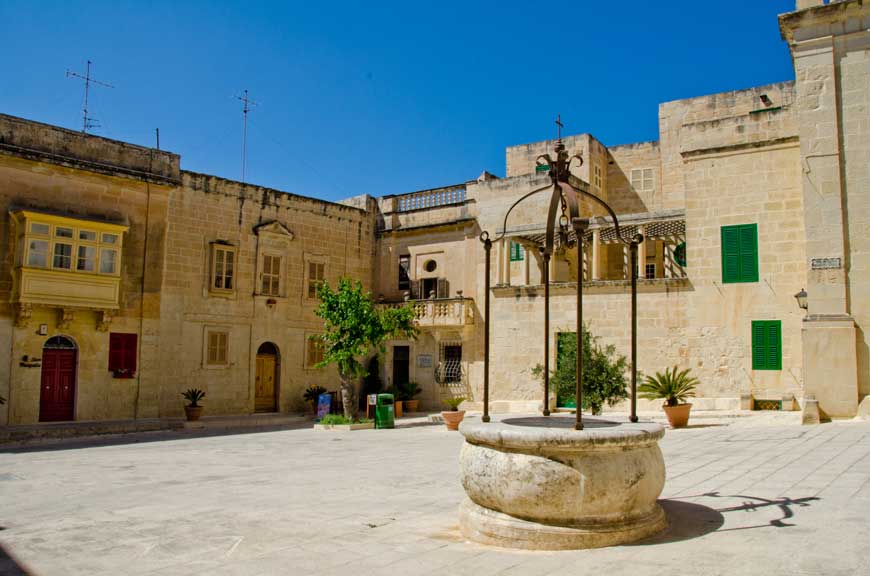
The town’s Mesquita Square was the setting for many of the scenes which led to the ultimate demise of Ned Stark in Season 1.
Several GoT scenes were filmed on Malta and Gozo, much on private land, but you can visit the stunningly beautiful St. Dominic’s Convent, in nearby Rabat, which featured as the Red Keep’s garden.
• Fabulous worldwide film locations you can actually visit
Visit Popeye’s village in Mellieha
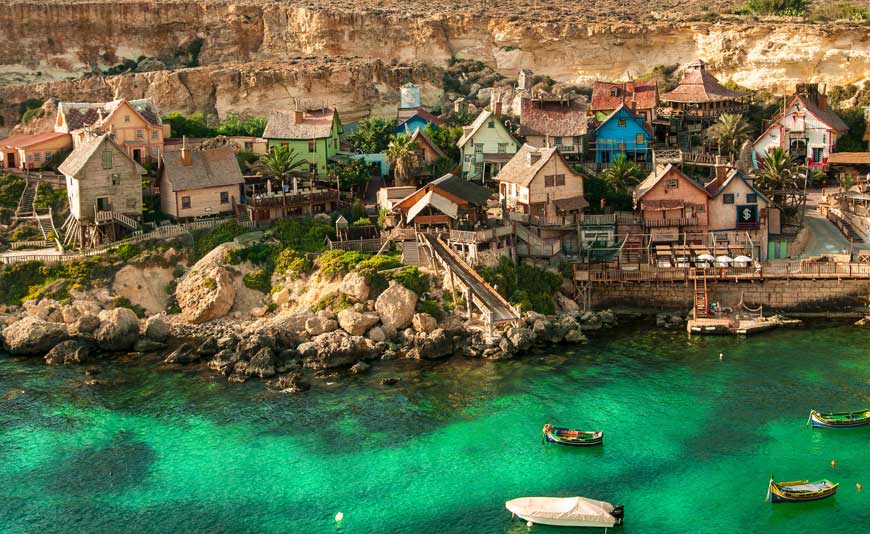
Originally built as a set for the film in the 1980s starring Robin Williams, it’s now a Popeye themed attraction where you can be a movie star for a day.
There’s Santa’s Toy Town, boat rides, a lido for sunbathing and swimming and a museum with over 100 original comics dating back to 1936.
Go island hopping
Malta is an archipelago with just three islands – Malta, Gozo and tiny Comino halfway between the two – being inhabited.
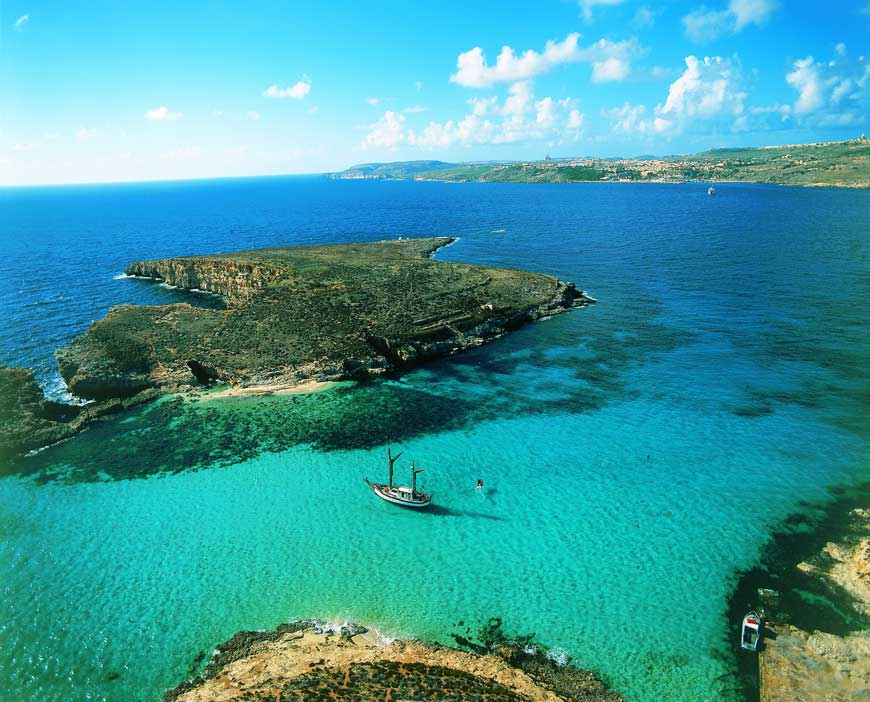
Day cruises are popular and will take in other beauty spots like Blue Lagoon on Comino or the deserted St Paul’s islands, where the apostle is said to have been shipwrecked on his way to stand trial in Rome.
If a day trip’s not your style, then simply take the ferry to the smaller and quieter island of Gozo.
Go slow on Gozo
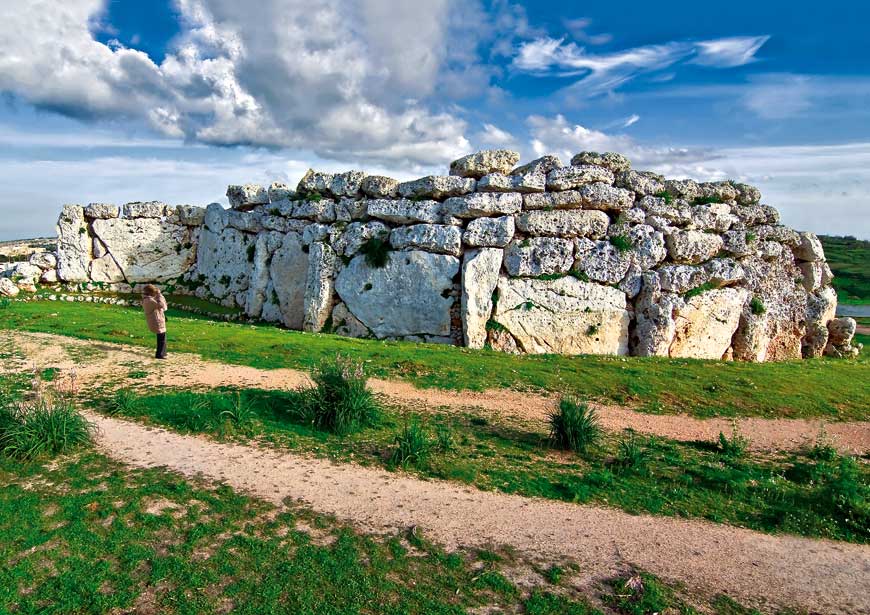
Much more rural than its big sister island Malta, Gozo is home to the ancient Ggantija megalith temples, the oldest known religious structures in the world dating back to around 3600BCE.
Ramla Bay’s orange-red sands and clear waters are great for swimming and snorkelling.
Sadly, the beautiful Azure Window rock formation (another GoT location!) collapsed in 2017, but the seascape there is still stunning.
Party on in Paceville
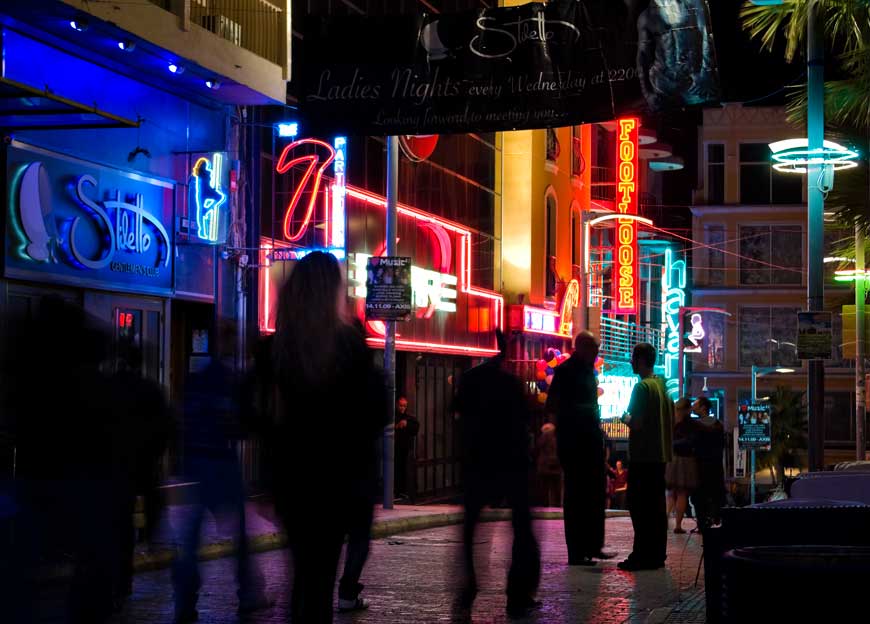
Malta’s great for slow travel, but if you’re after a neon nightlife, then you won’t be disappointed.
Paceville in the town of St Julian’s, is the place to go if clubs, non-stop parties and late night dancing float your boat.
It has the largest concentration of clubs and bars on the island and is popular with both visitors and locals.
Get sporty
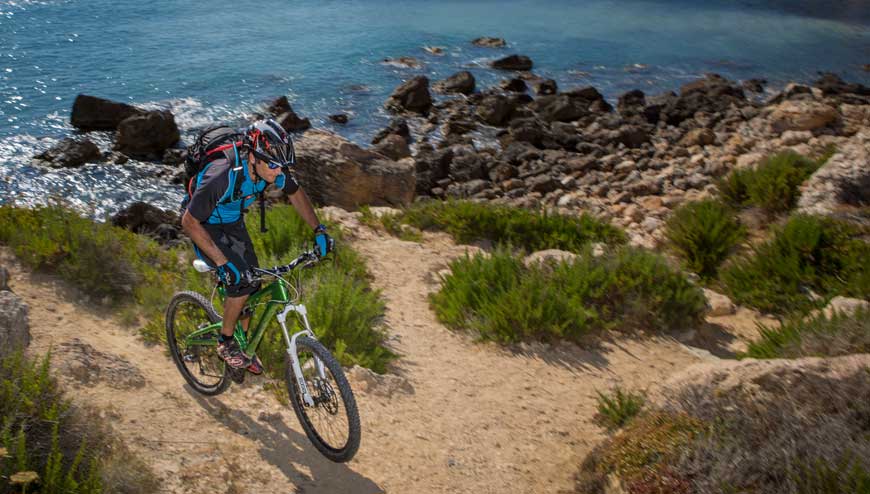
With Malta’s year-round gentle weather and a summer that can last up to seven months, there’s no shortage of outdoor activities.
Cycling, trekking, fishing and rock climbing are all available, and it has some great spots for sea sports like snorkelling and diving.
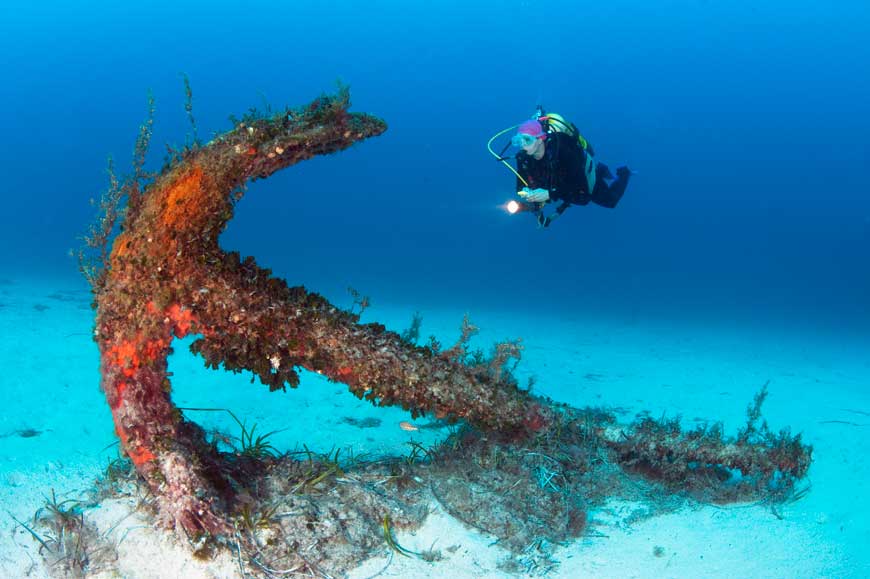
Too energetic for you? Then try boċċi, the Maltese version of pétanque or bowls.
Eat like a local in Malta
Maltese cooking is typically Mediterranean, relying heavily on local produce like tomatoes, honey and seafood.
It’s a mix of Sicilian, French, North African and British-influenced cuisines – including a proper cup of tea!
There’s a wide range of restaurants and cafés on Malta serving traditional dishes like soppa tal-arma (widow’s soup), lampuki (a local fish served fried, baked or in a pie) or the sweet treacle or honey rings served at Christmas and carnival time.
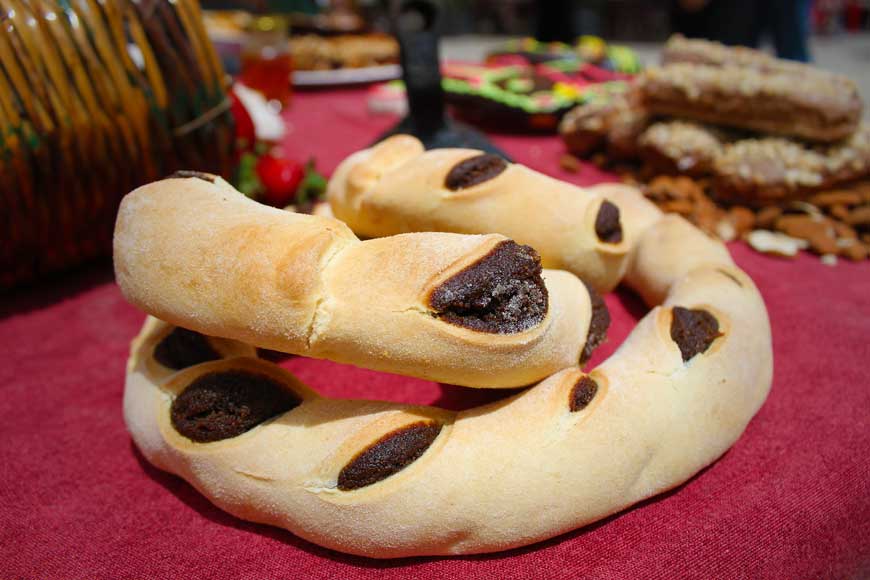
Eating out in Malta is easy, with choices to suit most budgets and tastes. Everything from fine dining to a late night supper at a side street eatery.
A recent development is Taste History, where historians and chefs come together to teach people how to recreate the tastes of 18th century Malta, from paupers’ snacks to the corsair’s celebratory banquet.
So, whether you’re seeking culture and history, foodie delights, sunshine, secret bays and beaches or vibrant nightlife, Malta has to be high on your ‘when we can travel again’ list.
Getting to Malta
Flight times from the UK are around 3 and a half hours, with direct services from several UK airports.
As you’d expect for a popular tourist destination, there’s a wide range of accommodation, from luxury hotels and spas to villas and farmhouses and low-cost hostels and guesthouses.
Getting around Malta is easy with a public bus service to most popular areas.
We rented a car during our stay. Road signs are in English, and they drive on the left – although the joke is that the Maltese drive ‘in the shade’ – so be prepared!
If you’re confident and cool-headed, you will have no problem at all. If you get stressed behind the wheel, then maybe give it a miss.
The locals have a reputation for treating the Highway Code as guidance rather than rules, and it can be a little hair-raising in congested areas.
When can we visit Malta?
For up-to-date travel information on Malta, see the Maltese government website
Where to next?
• Going underground at Château de Brézé
• Island Life – Anglesey
• Quirky Venice – 9 weird and wonderful facts