
Venice – city of romance, waterways and gondolas. But there’s so much more to the city than St Mark’s Square, cafés, canals and romantic bridges.
Here are 9 quirky things we’ve learned about Venice.
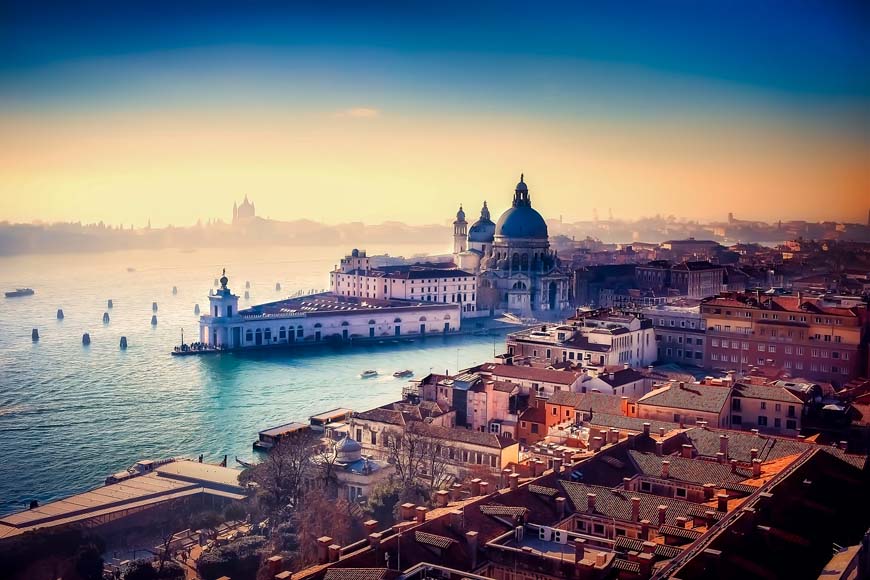
Venice is more archipelago than city
Venice is laced across 117 mini-islands sitting in the shallow waters of the Venetian Lagoon. Most of these little islets are real but a few are man-made like the Sacca Fisola, created in the 1960s by adding landfill to a saltmarsh.
Venice is built on sticks
Well wooden piles really, around 60 feet in length, driven deep into the ground. The piles were rammed into the salty marsh far enough down to reach the harder clay below.
Normally wood and water don’t mix, but because of the lack of oxygen in the water under the buildings, the rotting process was slowed. Then the sediment-filled water of the lagoon blasted the wooden pillars, petrifying them into something as hard as stone.
Venice looks like a fish
The early Venetians weren’t into any form of town planning, they just built out into the marsh anytime they needed to expand. It was only when the buildings got higher and higher that someone took an aerial view and discovered it looks a bit like the outline of a fish.
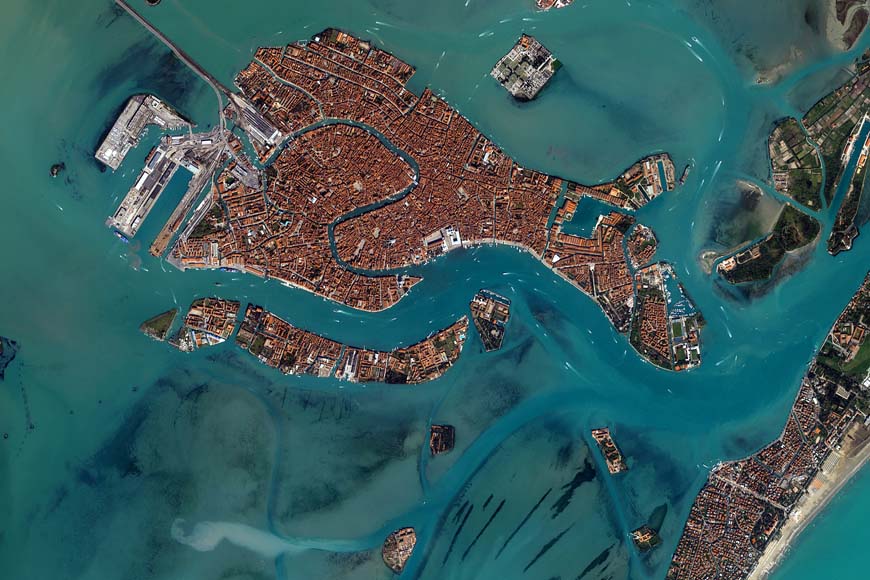
It’s true. Take a look at a map.
Venice used to be a country in its own right
More of a trade empire than right-of-conquest, the republic of Venice was a world-class powerhouse from the seventh century right up until the late 1700s.
Venetian fortifications, built to protect its economic interests, still dominate the shorelines of Croatia and Greece.
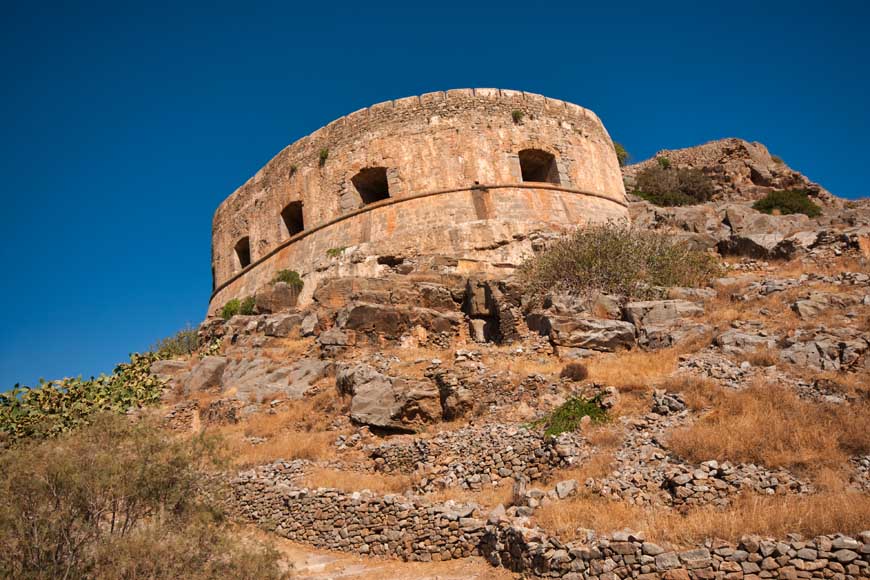
But after two centuries of war with the Ottoman Empire, Venice was so weakened that Napoleon had no difficulty in crushing any remaining resistance.
Many of its beautiful works of art are stolen
The early Venetians basically took anything they fancied from anyone, anywhere. If it wasn’t nailed down they’d lift it or trick their way in to getting it.
It was all part of the brash, open, free-and-easy trading economy that founded their empire. You have to admire their nerve.
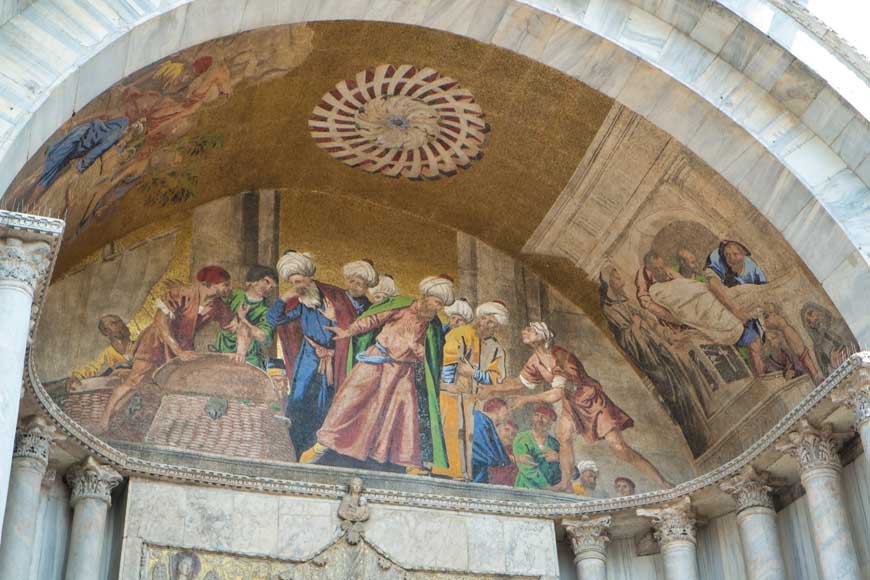
They even had the cheek to steal the body of their patron saint, Mark!
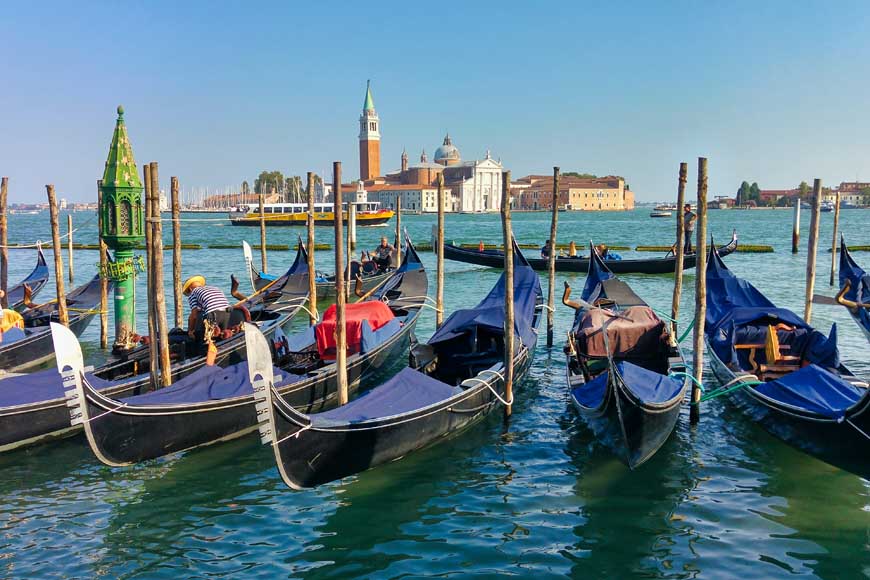
All gondolas are black
The famous Venetian water-taxis so beloved of tourists and advertisers of ice-cream used to be many different colours, with the most luxurious decked out in gold.
Competition between the noble families over the highly decorated gondolas that in 1609 the law-makers stepped in and passed a decree that all gondolas must be equal.
There is a rumour that they chose black as the universal colour to commemorate the fifty thousand victims of the black plague. But that doesn’t stack up for two reasons.
1. Red was the official colour of mourning at the time and
2. The plague occurred more than 20 years after the decree.
So they’re all black. Sleek, elegant, luxurious – but black.
Venice once had laws about what to wear
Another use of the sumptuary laws – designed to limit consumption or to keep clearly defined social order – led Venice to issue rules about the colour yellow.
Whilst other Italian cities were strict about how low a woman’s neckline could be, Venice was more concerned about being able to identify prostitutes, who were allowed to dress well to attract customers. But in the 1300s these dresses had to be yellow to avoid any confusion with high-born ladies of the city.
Nowadays Venice doesn’t mind what colour you wear but it is a city, not a beach, so even in high summer avoid shorts and bare shoulders, especially if you plan to visit any churches.
See Getting by in Italy for more tips on the Italian way of life.
Venice is home to some pretty strange weapons
Venice’s military might was based mainly around its ability to build and equip warships, but a trip to the Doge’s Palace armoury shows some odd, more personal weapons including slim daggers that were easy to conceal.
There’s also a death trap box that fired a gun when opened, a collar full of nails, an iron screw to crush fingers and an iron key which triggered a poisoned dart when turned.
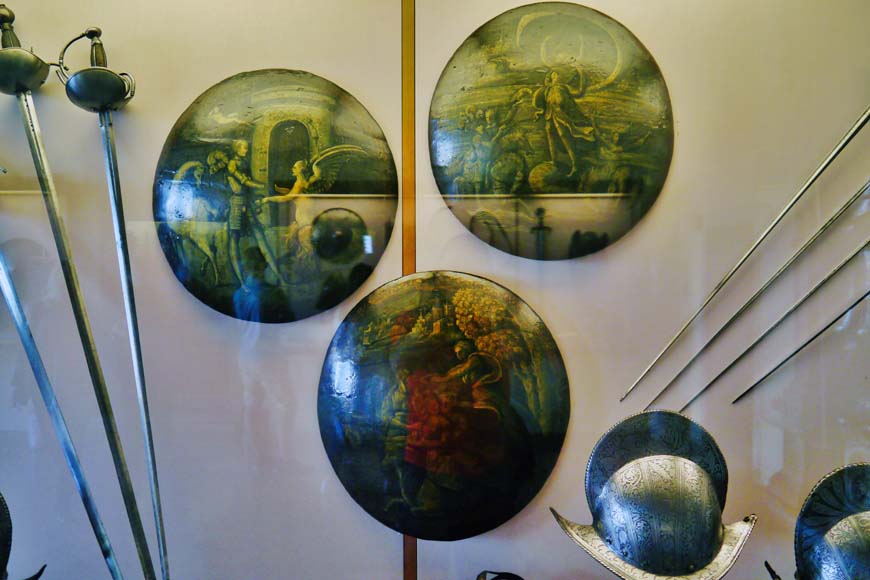
Other objects of note include the large sword used for public executions in St Mark’s Square in the Middle Ages and a chastity belt which women were allegedly ordered to wear when the enemy was at the gates so they would die ‘untouched’ by the invaders.
Venice Carnival has a dark heart
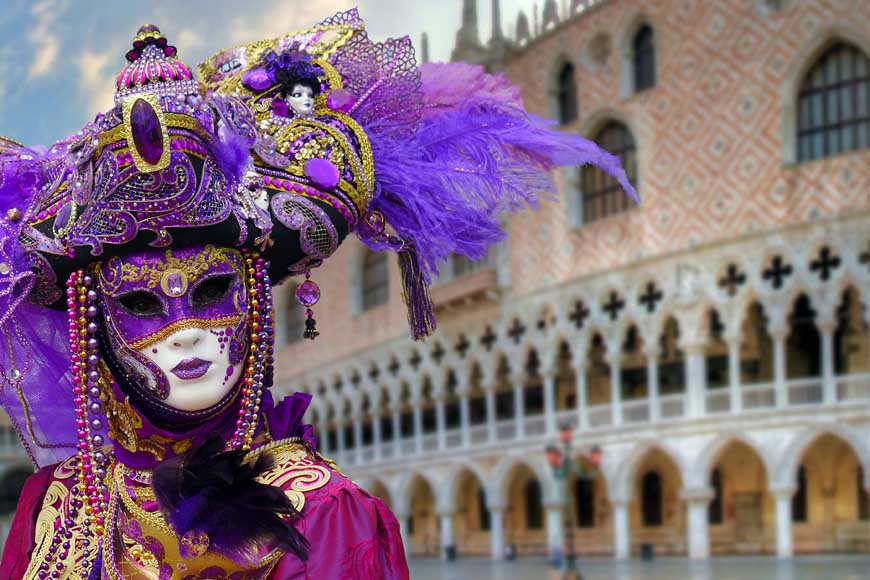
The traditional pre-Lenten celebration is all about colour, noise and dance on the surface but death and disease lurk just below.
The iconic Medico della Peste mask, a face with bird-like features and a long beak, is named as a reference to the plagues which swept the city in the Middle Ages.
It is said to have originated with the 17th century French physician Charles de Lorme, as a protection against disease with its beak stuffed with perfume and sweet-smelling spices to repel the ‘bad odours’ they believed were responsible.
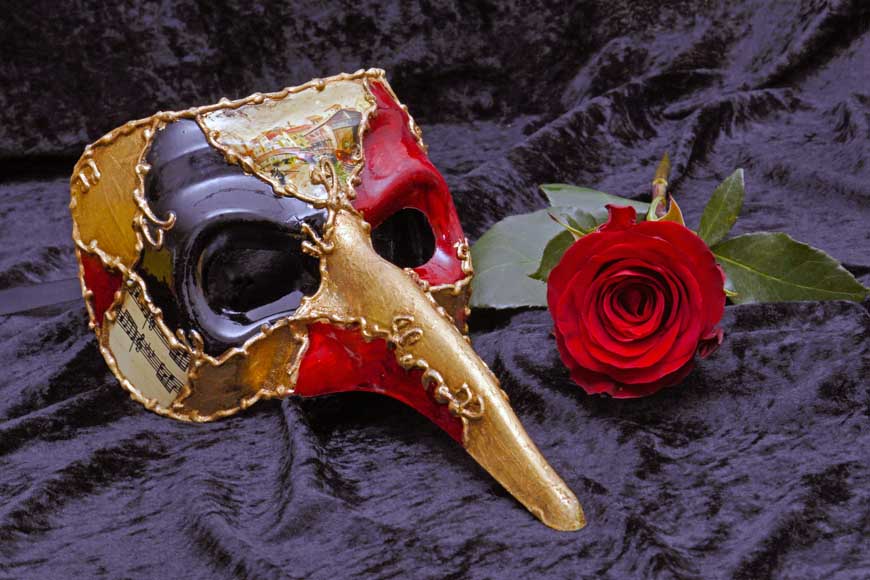
Macabre yes, but strikingly beautiful.
Staying in Venice
You can fly direct to Venice in around two hours from most UK airports and there’s a wide range of accommodation available from luxury hotels to cheap hostels. We stayed at Villa Erica on Via Gobbi, a great B&B just outside the airport with easy access to the city itself via public transport.
If you’re staying further afield the train links from towns and cities across the Veneto region are great. Our journey from Castelfranco Veneto to Venice was smooth, comfortable and stress-free.
For more nformation about venice see their official toursim website Visit Venice
Where to next?
• Veneto Italy
• Guide to the Prosecco Road
• Vegan ice-cream