
Belmont Plateau in West Fairmount Park is a great place to view the Philadelphia skyline.
Whatever the season, you’ll find cars parked up, as their occupants snatch a break overlooking acres of green space. When it’s warm, the grass is dotted with families, friends and visitors enjoying fresh air, picnics and generally chilling.
But we weren’t there for the view.
We were there to discover the bittersweet history of sorrow and hope at Belmont Mansion, the house on the hill.
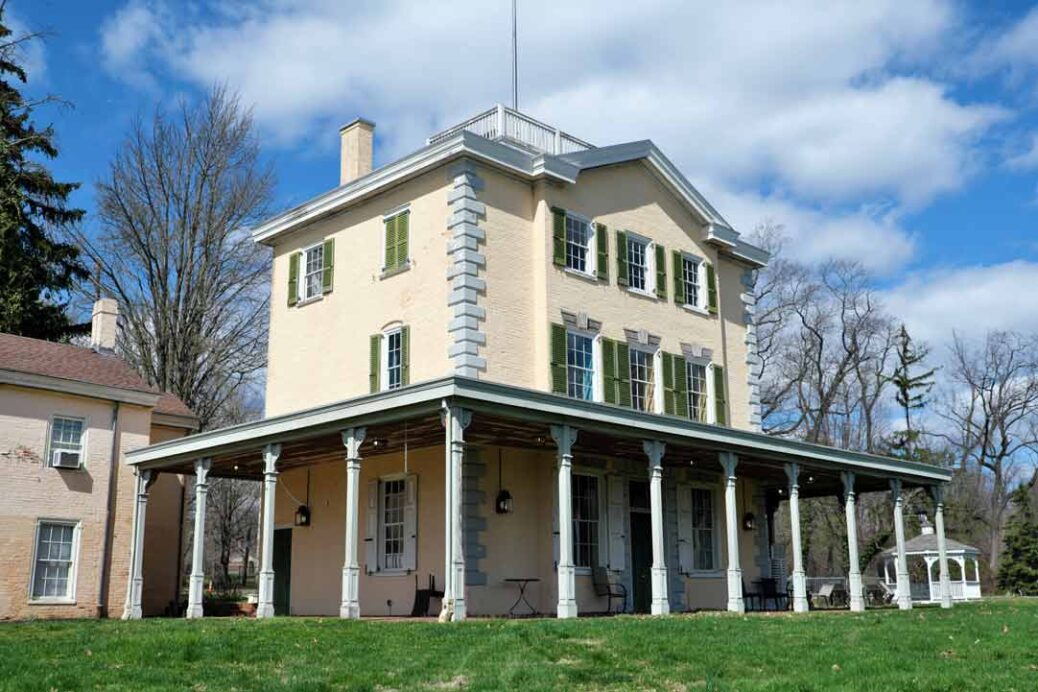
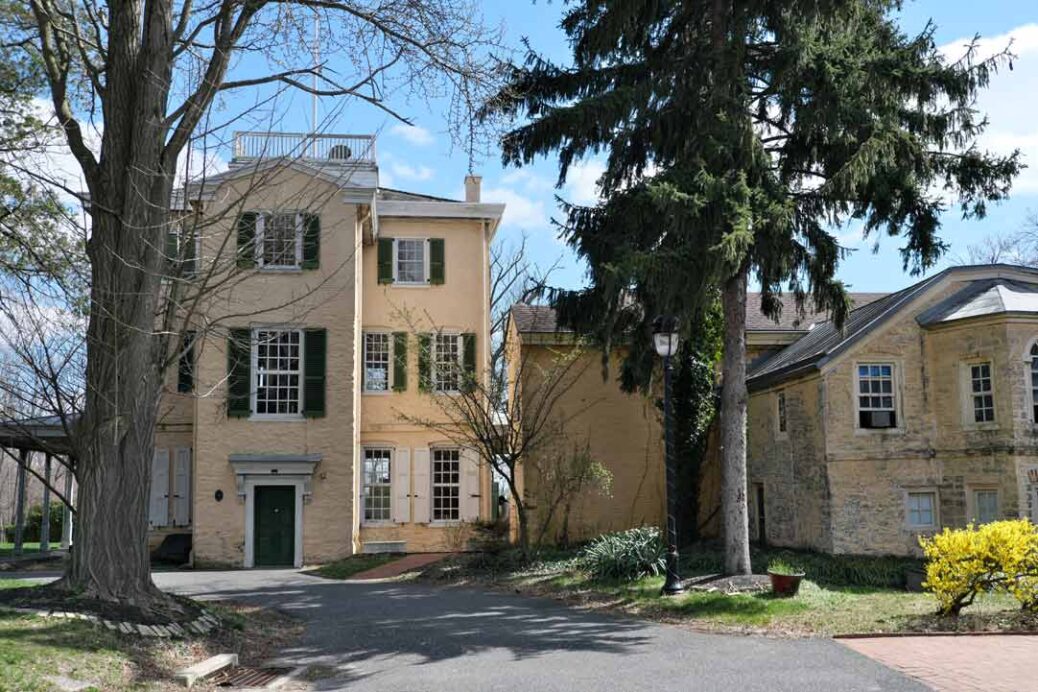
For years, the house has stood overlooking Philadelphia, one of the many beautiful homes of the rich and influential families that followed in founder William Penn’s footsteps.
But recent research has revealed that Belmont Mansion was, unknown to most of its neighbours at that time, an important stop on The Underground Railroad, helping slaves escape to freedom.
Beyond its stately façade and elegant architecture, the mansion harbours a hidden treasure. The Underground Railroad Museum offers a glimpse of the clandestine network that helped countless individuals escape the shackles of slavery.
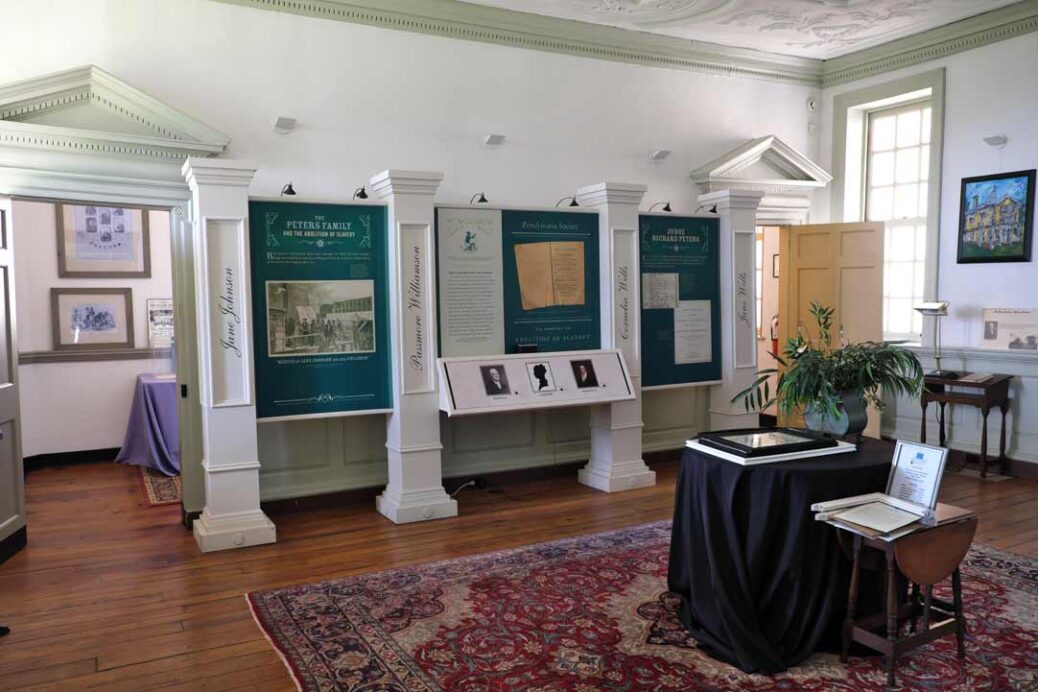
Off Philadelphia’s usual tourist route, the house stands just as it did when the rich Peters Family lived there. But now it’s filled with the images and stories of those who risked recapture, death and disgrace in the hope of a better future.
What was The Underground Railroad?
Put all visions of trains, tracks and tunnels out of your mind.
The Underground Railroad was the phrase used to describe the system of secret routes and safe houses established across America during the early to mid-19th century. It was used by enslaved African Americans to escape into free states and beyond.
Run mostly by former slaves, with the support of a few white abolitionists and others quietly sympathetic to the cause, the network helped thousands escape.
Many died en route, and even those who made it to freedom still faced the threat of recapture and enforced return.
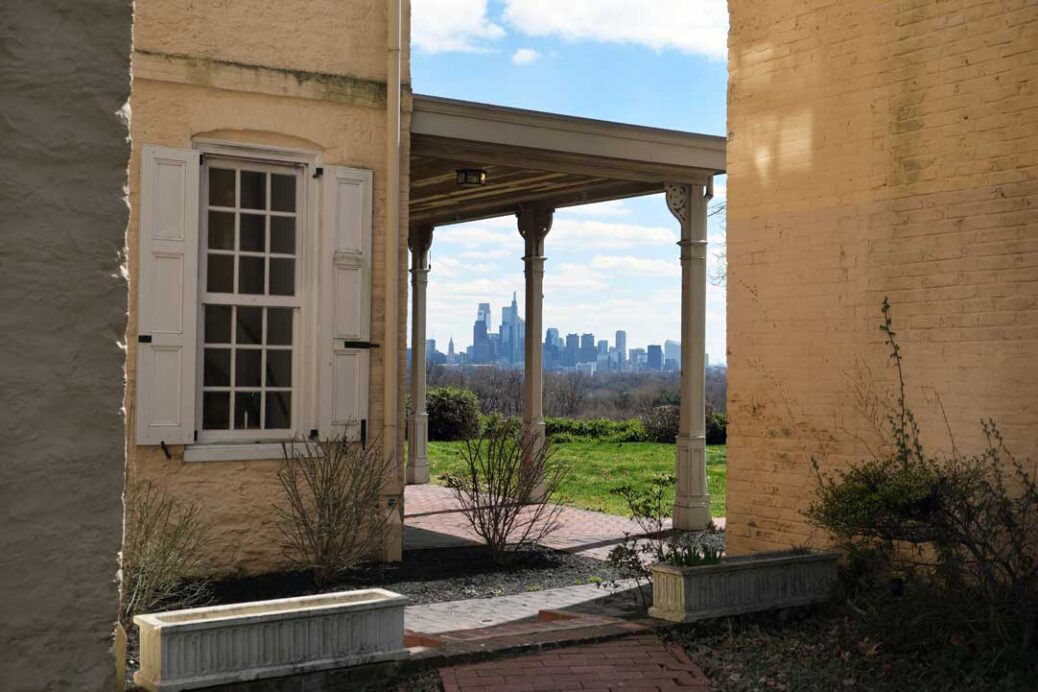
These stories, echoing down through the years, are what make a visit to Belmont Mansion both haunting and hopeful with its tales of bravery and brutality, kindness and killing.
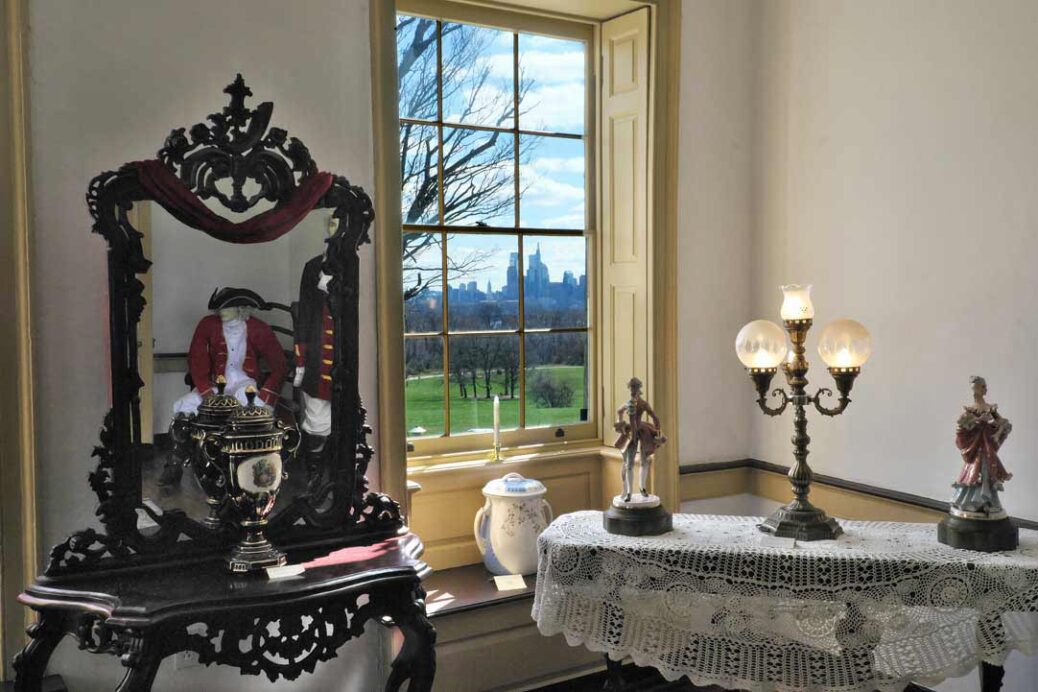
As the early spring sunshine poured through the huge windows, with sweeping views of parkland and city, it was beautiful and profoundly unsettling.
Belmont Mansion, slavery and a network of hope
Outwardly a home for the wealthy and well-connected Peters family, Belmont Mansion held a secret that only recently came to light.
English lawyer William Peters came with William Penn to establish the British colony, and gained the wealth and power of many European settlers. His 18th century summer home, still with many original features, is one of the finest examples of Palladian architecture in the United States.
But when the threat of revolution drove William back to England, he left his family behind and his American-born son Richard Peters took over the estate. Richard sided with the revolutionaries and after independence, rose to prominence as Speaker of the Pennsylvania Assembly, a State Senator and a Judge of the United States District Court.
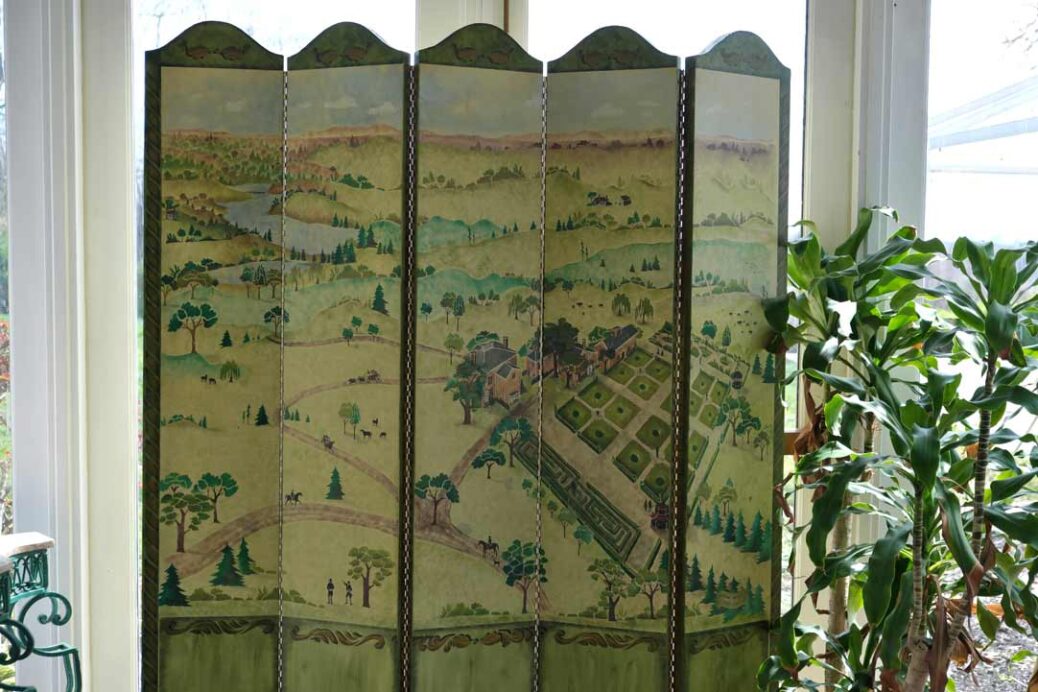
Many famous figures stayed at the mansion at this time, including George Washington, John Adams, Thomas Jefferson, and James Madison.
Richard, known as Judge Peters, was an adamant abolitionist and fought against the Fugitive Slave Act of 1793, which allowed slave owners to ‘claim their property’ if slaves were discovered living freely elsewhere.
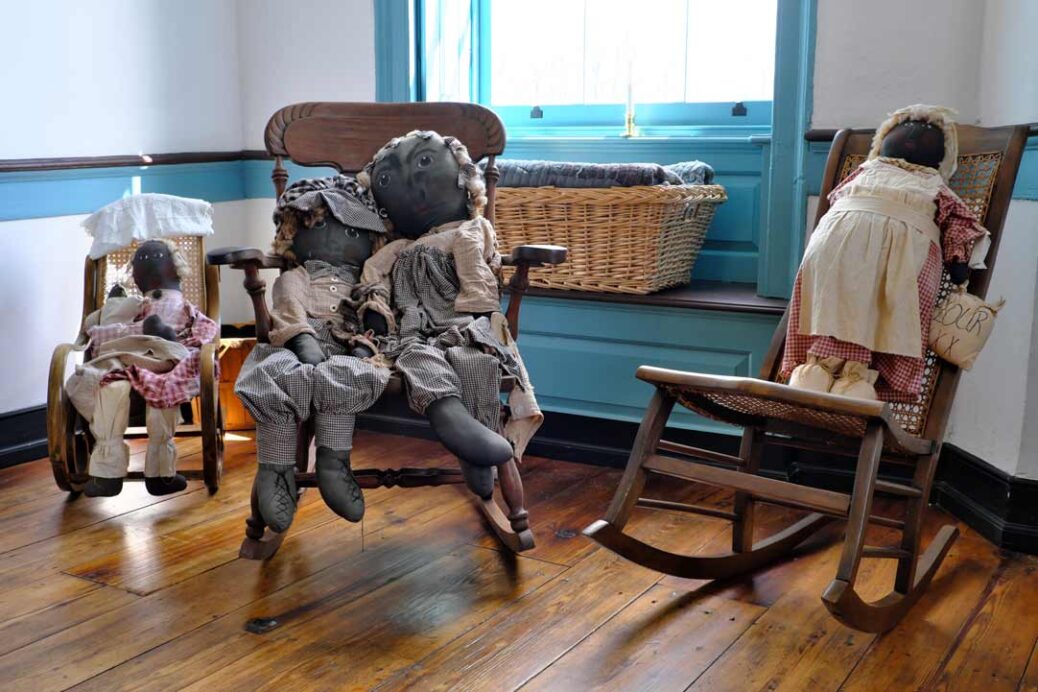
Frustrated by the slowness of reform, he began to take matters into his own hands, purchasing several slaves so he could set them free legally. Cornelia Wells and her daughter were one such success story. Judge Peters gave them a house on the estate, where they ran a small business.
What wasn’t talked about at the time was that Belmont Mansion was also a safehouse for those travelling to freedom and Richard’s son, also called Richard, is said to have designed the railway track near the mansion so that trains would slow down sufficiently to allow stowaways enough time to jump clear.
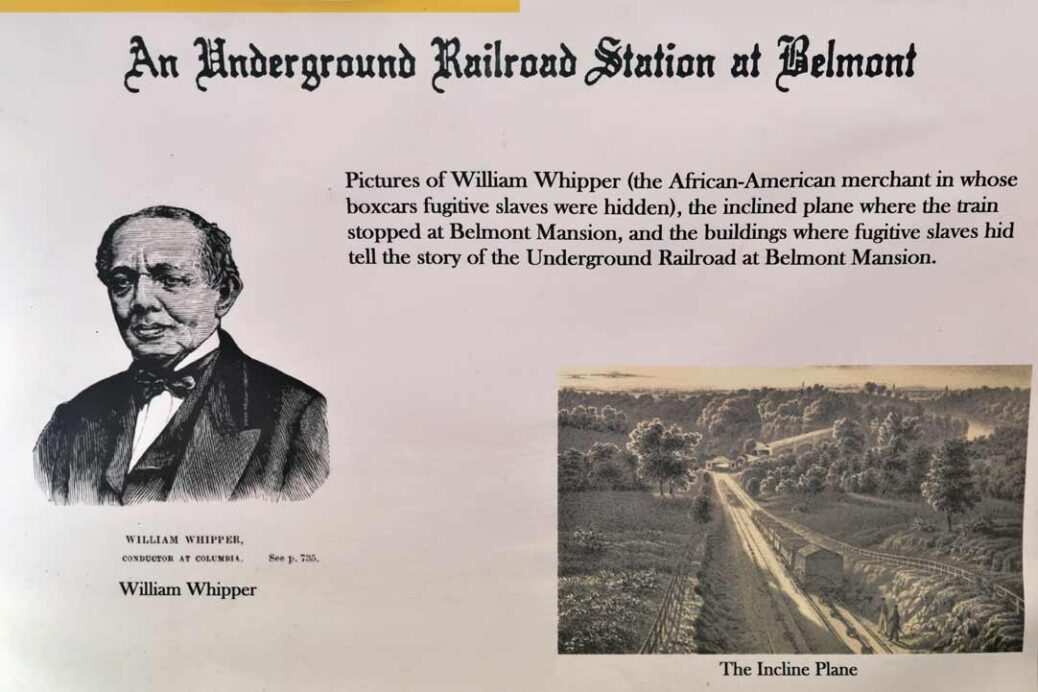
The Underground Railroad Museum
Today, the Peters’ house is a wedding and conference venue, and home to an extraordinary collection of photos, artefacts and first-hand accounts of enslaved people. It owes its existence to the American Women’s Heritage Society, who saved the building from demolition in the 1980s and raised money for its restoration.
It feels a little strange to walk around a room filled with elegant tables and beautiful ornaments and read, high and low on the walls, stark stories of the horror of the slave trade.
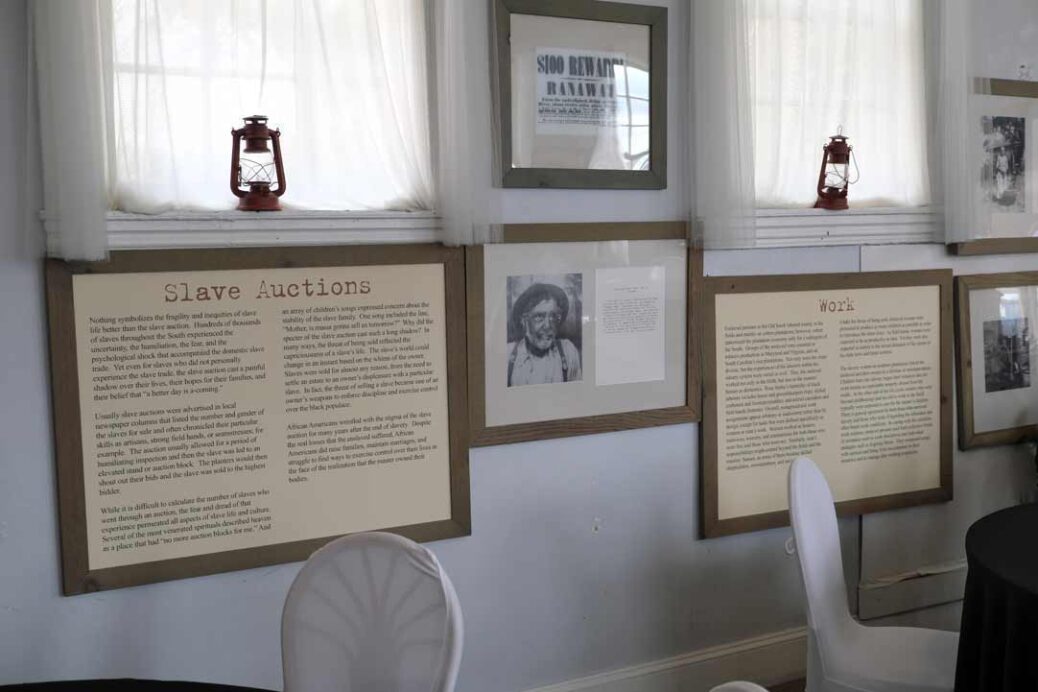
Photos of those who gave first-hand accounts sit alongside their own words. A few former slaves talk of being cared for, but the majority of their experiences are shockingly and casually brutal.
The guides left us to wander freely, allowing us time to contrast the life of a slave with that of the fortunate few who lived in luxury.
A short audiovisual presentation sets the stories in context and then the door to the mansion itself is unlocked, and again we were left to walk around by ourselves, to view the paintings and trappings of the wealthy Peters family alongside displays and dioramas explaining the house’s role in The Underground Railroad.
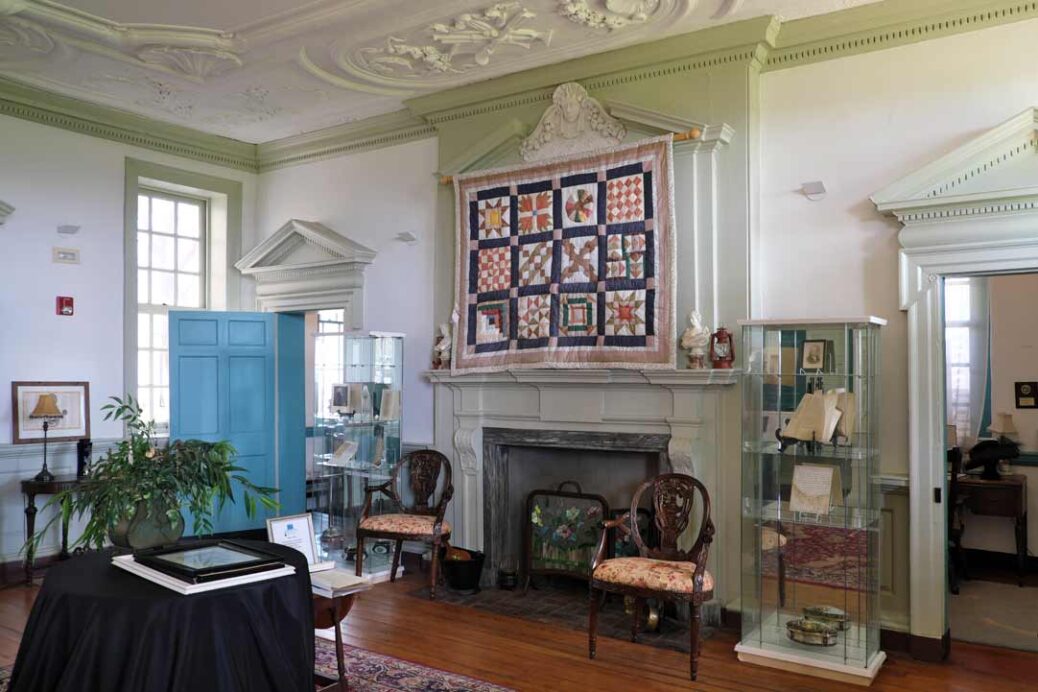
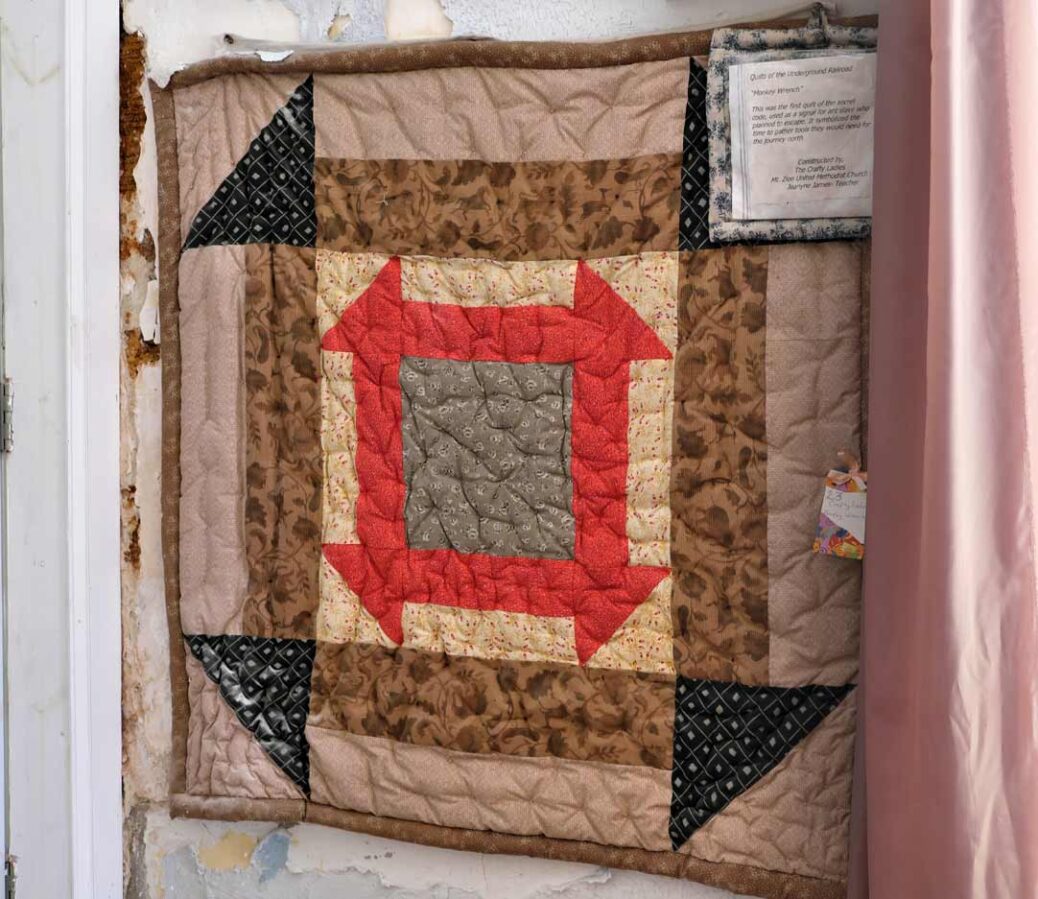
This includes a fascinating set of quilts, with secret codes embedded for those planning escape. They’re reproductions of the ones stitched in the slave compounds, to provide clues and survival tips for those attempting the dangerous route. All those hints, hidden in plain sight.
There’s a lot to take in, and it is almost overwhelming. While I waited for Pork Belly, I sat in the early spring sunshine and gathered my thoughts.
In the darkness of those days, the spirit and hope of freedom and the kindness and bravery of the few, still shone through.
That is what is honoured today at Belmont Mansion.
Visiting Belmont Mansion
Located in West Fairmount Park, you can visit the house throughout the year from Tuesday to Thursdays between 11am and 4pm. Admission in 2024 is $10 adults, under 12s $8. Unless you are part of a large group, there’s no need to book in advance, but don’t be put off by the seeming emptiness. The staff are there, friendly, helpful and informative, but they leave you alone to wander in your own time with your own thoughts. More details on their website.
Photographs copyright © rosemaryandporkbelly
Travelling soon? Things to do and attractions not to miss with Get Your Guide …
If you’ve enjoyed browsing our website, learned something new, or just had a smile because of what we do – we’d love your support to keep the good stuff brewing!
Where to next?
• Eastern State Penitentiary
• Green Philadelphia
• Love Philadelphia