
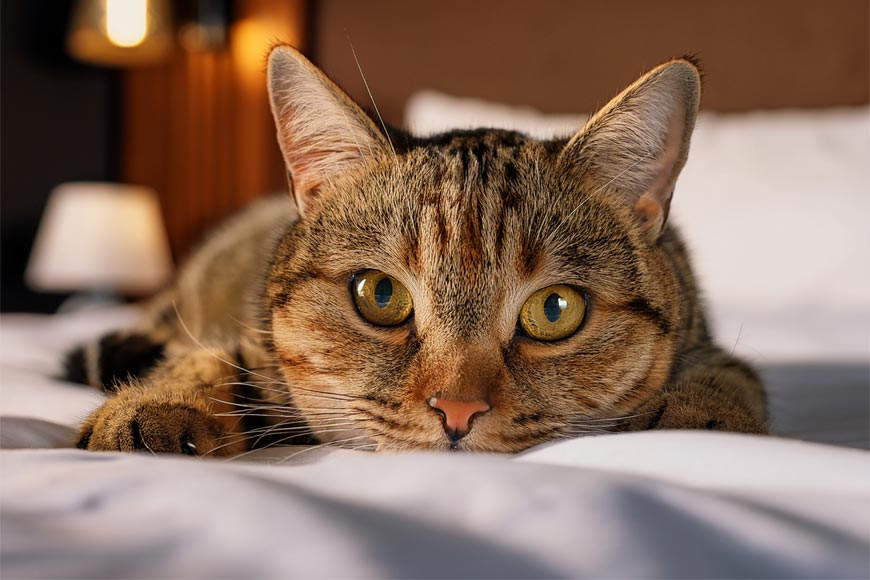
And the cat came too. Here’s our guide to small pet friendly retreats and ferret-friendly farm stays.
Travelling with a dog? Easy. Travelling with a cat, rabbit, guinea pig or (dare we say it) a ferret? Not so much. For the growing number of pet owners in the UK whose beloved companions aren’t of the waggy-tailed variety, finding holiday accommodation can be a game of pet roulette. But worry not – from the Scottish Highlands to the sun-kissed coast of Cornwall, it is possible to holiday in the UK with your small pet. You just need to know where to look, what to ask and when to say, “Actually, my rabbit is house-trained.”
We were contacted by Jackie, one of our readers who is enjoying our newsletters and blog posts, particularly ‘Taking your dog abroad on holiday‘, although she travels with her cats. She’s ventured through Europe and speaks highly of accommodating French hotels and she is full of good advice about travelling far and wide with cats.
But given the complexity of European pet travel since Brexit, we’ll focus in this article on the UK and only touch on foreign travel.
Small Pet Holidays in the UK
Most holiday accommodation labelled as “pet-friendly” in the UK actually means “dog-friendly.” Cats, hamsters, parrots and other less common companions often raise a few eyebrows when you try to book. That said, options do exist – you just have to dig a little deeper.
Better Regions for Small Pet-Friendly Holidays
You’ll find greater flexibility in rural areas, where hosts are often more open to small animals – particularly in private lets or countryside cottages.
The best regions to look include:
• Cornwall & Devon – Cats and rabbits are often accepted in quiet coastal cottages.
• Scottish Highlands & Islands – From Loch-side lodges to glamping pods, some hosts allow indoor pets like cats and guinea pigs.
• North Wales & Snowdonia – Small pets are sometimes welcome in mountain cabins and converted barns.
• Northern Ireland’s Causeway Coast – Coastal properties may accept cage-contained animals such as hamsters and budgies.
• Isle of Man, Guernsey & Jersey – You’ll need to check transport rules, but many rural properties will consider small pets with advance notice.
Tip: City hotels are less likely to allow small pets unless they’re officially registered emotional support animals. Country escapes? Far more likely to say yes to a well-behaved cat or a rabbit with references.
Which Small Pets Are Most Welcome?
When it comes to who gets the golden ticket to a UK staycation, the unofficial small-pet leader board looks like this:
• Cats – Indoor cats are often allowed if you’re upfront and promise no sofa-shredding.
• Rabbits – Caged or garden-friendly bunnies can be welcome, especially in rural lets.
• Guinea Pigs & Hamsters – Often permitted in cages with host approval.
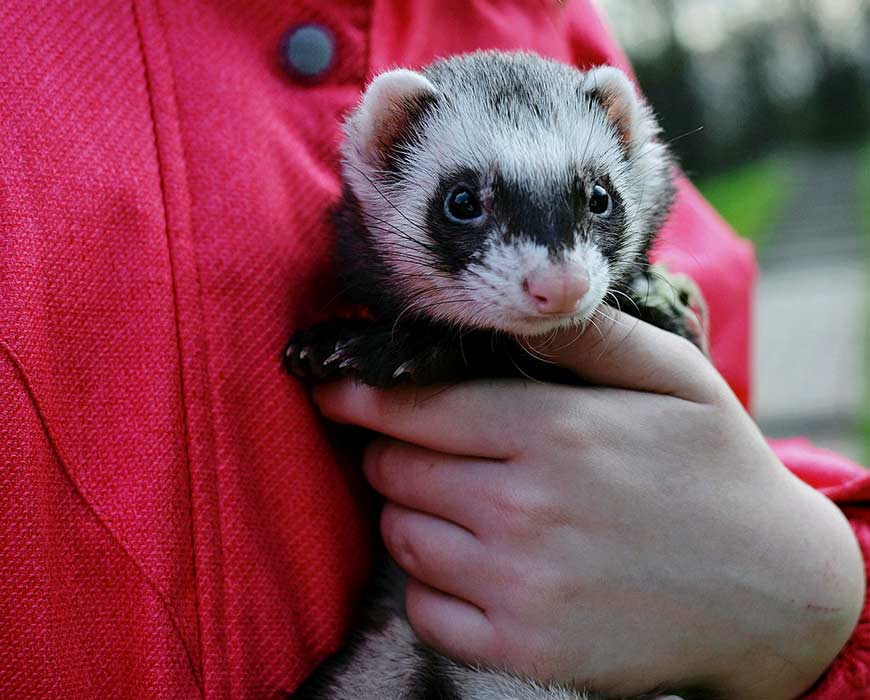
• Ferrets – Divisive. Some hosts welcome them, others (understandably) fear the smell and mischief.
• Parrots or Exotic Birds – Possible, but noise can be a concern.
• Tortoises – Surprisingly low-maintenance and may be accepted if kept contained.
And in case you’re wondering, horses aren’t out of the question. Some holiday lets with stables do allow you to bring your own horse – check listings on equine-friendly booking sites or search “bring your horse on holiday UK” for rural self-catering lodges.
Camping and Glamping with a Small Pet: Is It Doable?
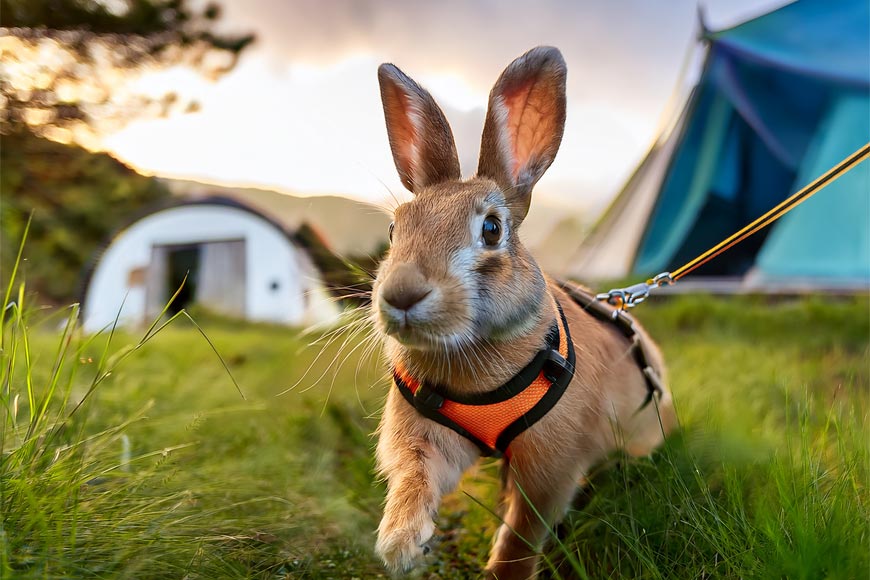
Camping or glamping with a cat, rabbit or ferret in the UK? It’s not just for the bold – it’s very possible, provided you choose the right site and manage your setup wisely.
What to Expect
Privately run campsites and small glamping businesses are your best bet. Hosts are more likely to say yes to small, non-disruptive animals if you’re polite and upfront.
Large chains, like Parkdean, Haven or the Camping & Caravanning Club, tend to be dog-only in their pet policies. Other pets often fall into the “best not mentioned” category unless you ask directly.
Who’s Welcome?
Cats can settle well into glamping pods or caravans. Litter-trained house cats do best, and some sites even provide pet-friendly cabins.
Rabbits and guinea pigs in cages are generally more accepted than free-roaming pets. Bring their hutch or enclosure and stick to shady, quiet locations.
Ferrets may be more challenging. Some hosts will allow them if they’re kept in secure enclosures and supervised.
Hamsters, rats and small rodents in cages are often overlooked in pet policies – but could be accepted if they’re low-maintenance and contained.
Best UK Regions for Pet-Friendly Camping
Scotland (Highlands and Argyll) – Country and woodland retreats often allow caged or quiet animals.
Wales (Snowdonia, Pembrokeshire) – Shepherd huts and eco-pods in the countryside are promising options.
Cornwall & Devon – Strong glamping scene with flexible rural hosts.
Yorkshire Dales & Lake District – Converted barns, yurts and cabins occasionally allow cats or caged pets.
Pet-Friendly Accommodation Providers Worth a Look
WeAcceptPets.co.uk – The most inclusive site for non-dog pets. Filter by “Small Pets” and browse everything from luxury apartments to glamping yurts.
Sykes Cottages – While their “pet-friendly” label mainly means dogs, some hosts are open to rabbits or cats if you message first.
CountryCottagesOnline.com – Offers a niche section for cat-friendly cottages.
Brechfa Forest Barns, Wales – A reviewer on Tripadvisor reported staying at Bay Tree Barn with a house ferret named Sammie.
Large Holiday House – Holiday houses across England, Scotland and Wales. Some welcome house rabbits, cats, ferrets, and even Shetland ponies, to stay.
MyFavouriteHolidayCottages.co.uk – Lists pet-friendly lets that may include ferret-tolerant properties. Check the individual property details for specific pet policies.
Airbnb & Vrbo – Can be useful if you message hosts directly. Be specific: “One house-trained indoor cat, kept in one room, with scratching post included” gets better results than “I have a pet”.
As for hotels? UK options are slim, but more are stepping up. You might try:
• Best Western Hotels – Over 100 Best Western Hotels are proud to call themselves pet friendly.
• Kimpton Hotels -They have an inclusive policy of welcoming any pet, regardless of size, breed, or weight, with no extra charge.
• The Cary Arms, Devon – Accepts small pets, including cats (with pre-approval).
• The Cliffden Hotel in Teignmouth, Devon – a family and pet-friendly hotel.
• Loch Melfort Hotel, Argyll – 9 pet friendly rooms and stunning views.
• Carlin Cottage Guest House, Lanarkshire – a small charge is made for cats due to extra cleaning.
• Polden Vale Bed and Breakfast, Pedwell, Somerset – The owner breeds show cats.
• Moxy York, Black Horse Lane, York – Both dogs and cats are welcome.
Again, always call ahead. Booking “pet-friendly” online and turning up with a ferret is not advised even with their charming, cheeky, inquisitive and playful nature.
How Much Will it Cost?
Many hosts charge £10 to £50 extra per stay for pets, or a refundable damage deposit. In rare cases, small pets may be allowed for free if kept in cages or not allowed on furniture. A few posher places offer “pet packages” with litter trays, treats and beds – though usually for dogs, you might persuade them with charm (or a well-behaved rabbit).
Why Stay in the UK? – The Brexit Factor
Since Brexit, taking pets abroad has become a paperwork party of epic proportions.
You’ll now need:
An Animal Health Certificate (AHC) issued within 10 days of travel (cost: £100-£250).
Proof of rabies vaccination, and for some countries, worming treatment records.
And you’ll need to do this every single time you travel.
The UK and EU have agreed in principle to reintroduce EU pet passports, which will be valid for the lifetime of the pet, provided vaccinations are kept up to date, but no confirmed date yet.
There’s more information about taking your dog, cat or ferret abroad on the UK government website.
Cats, rabbits and rodents are not exempt. Airlines and ferries may also impose size restrictions and carrier fees.
The UK staycation sidesteps all of this. No documents. No jabs. No passport stress. Just pack the carrier and some snacks.
Note: Travel to Guernsey, Jersey and the Isle of Man may involve ferry-specific pet rules, especially for cats and rabbits, but you won’t need the full AHC process. Always check the operator’s site before travelling.
Top Tips for Travelling with Small Pets in the UK
• Use a secure carrier – Don’t let Fluffy loose in the car unless you fancy chasing her down the M6.
• Avoid hot travel days – Small pets can overheat quickly in traffic.
• Pack familiar bedding and toys – Comfort = calm.
• Call ahead – Even if the website says pets are OK, confirm the type and size.
• Bring cleaning supplies – Be the guest hosts want back.
• Have a vet number handy – Just in case someone gets a sniffle on the road.
Jackie’s Personal Tips:
• Ensure that the address on your pet’s microchip record (if applicable) is up to date, in case they attempt an Incredible Journey.
• Make sure that they have had a flea treatment.
• Take plenty of throws and old sheets to cover seating and bedding.
• Make a list of everything you’ll need – bedding, food, water bowl, cat litter and trays etc – and tick it off as they’re packed.
• It’s best to take some of their usual bedding as it will have a familiar smell of home. I hide the cat baskets the night before travelling so that they don’t see them.
• Close the doors of any rooms in the accommodation where you don’t want your cats to go – that means less cleaning!
• Keep your cat indoors for the duration, unless they’re happy to go out with a secure lead and harness.
• Find out the address and phone number of a local vet where you’re staying, just in case.
• Clean the accommodation really thoroughly before you leave.
‘I’ve always had a 5* review from the owners, and it will ensure that others will be able to take their pets too in the future. It’s a lot of work, but it’s comforting to have our cats with us on holiday.’
So, is holidaying with a small pet in the UK tricky? Occasionally. Impossible? Absolutely not. With a little research, a lot of politeness and maybe the odd photo of your cute companion to sway a host, you can explore castles, coastlines and countryside with your furry or feathery friend in tow. From cat-napping in Cornwall to guinea pig glamping in the Highlands, your next Great British pet-friendly escape is just a click (and a polite email) away.
Happy tails, safe travels and many thanks to Jackie for her valuable insights.

Images copyright © John Heinrich, Darya-Greengrey/Pixabay
Where to next?
• Travel Shop
• Best dog friendly holiday cottages in the UK
• Fleetwood: A Historic Seaside Gem