
Every time we visit the Lake District, it rains. I’m fairly sure the sun does shine, just when we’re not there! So it was a surprise that the day we visited Sizergh Castle, it dawned bright and warm.
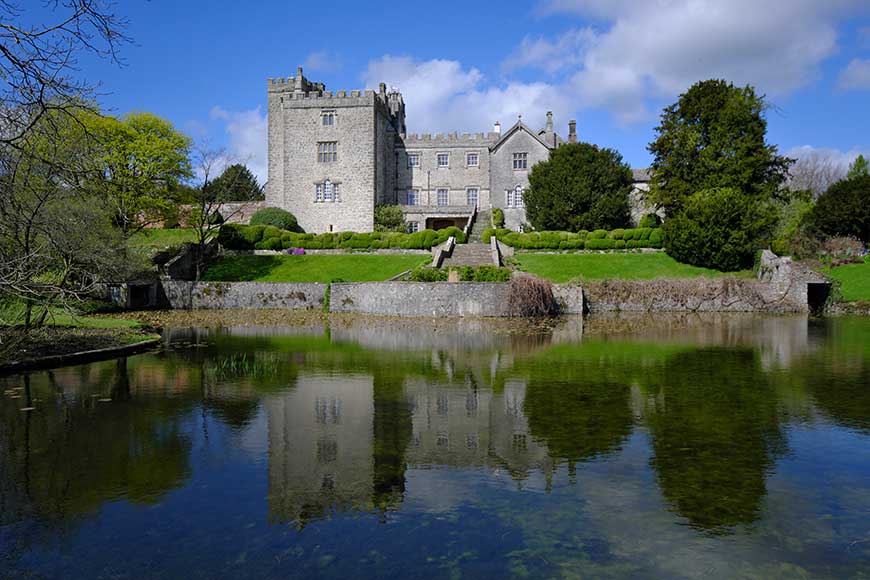
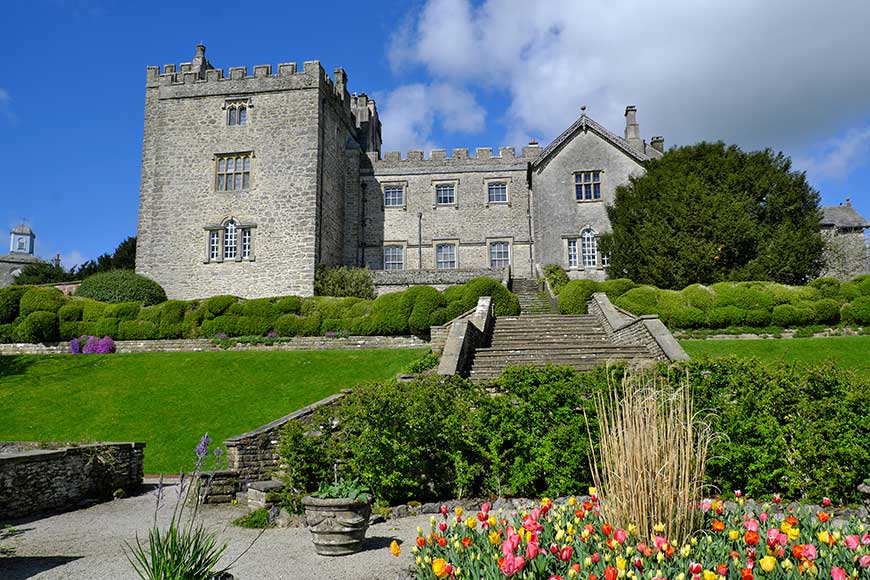
Sizergh, near Kendal in Cumbria, has been the family seat of the Stricklands for centuries. In fact, the Stricklands have been here since 1239, which makes my inability to keep a houseplant alive for more than three months feel rather shameful. The family still live here, though they sensibly handed the house and estate to the National Trust back in 1950. As a result, the place feels part historic treasure, part lived-in home, with that faint air of genteel muddle that only centuries of ownership can produce.
The house itself began as a 14th-century medieval pele tower, built to fend off border raiders, and has grown over the years into a patchwork of architectural styles: Tudor here, Georgian there, and the odd Victorian flourish just to keep things interesting. Inside, it’s everything one hopes for from an old family seat: oak panelling, portraits of people who all look sternly similar, and the slightly hushed murmur of visitors pretending to know what a cartouche is.
In the Great Hall, sunlight filters through mullioned windows onto long tables and portraits of ancestors who all appear to share the same formidable jawline. One or two look as if they would happily challenge you to a duel over the last slice of fruitcake. The family crest is everywhere, a quiet reminder that this was never just a house but a statement of permanence.
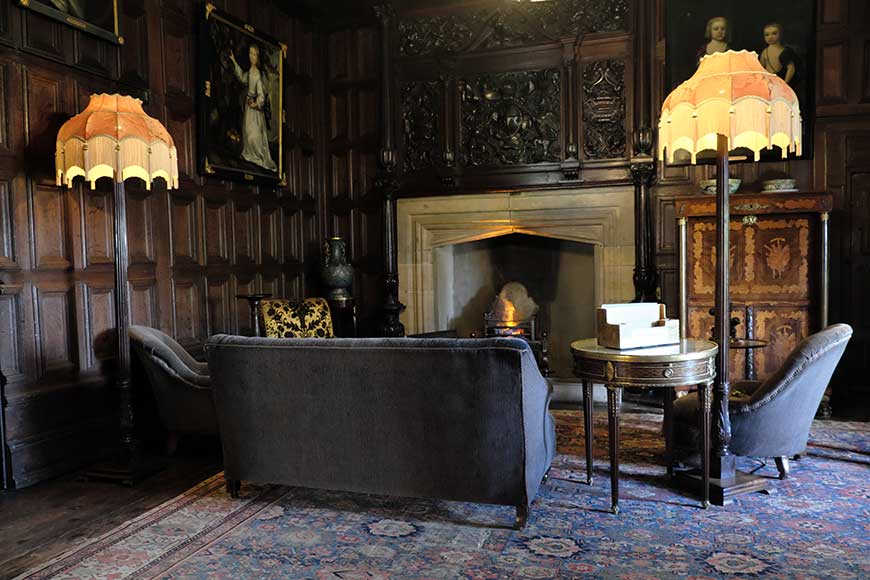
The Drawing Room feels lighter, hung with rich textiles and gleaming with family silver. There are cabinets of porcelain, curious instruments whose purpose no one remembers, and a collection of letters and books hinting at lives lived in a very different rhythm. Volunteers are always on hand with snippets of gossip: who restored what, which piece once went on loan to a museum, which corner of the ceiling nearly came down in a storm.
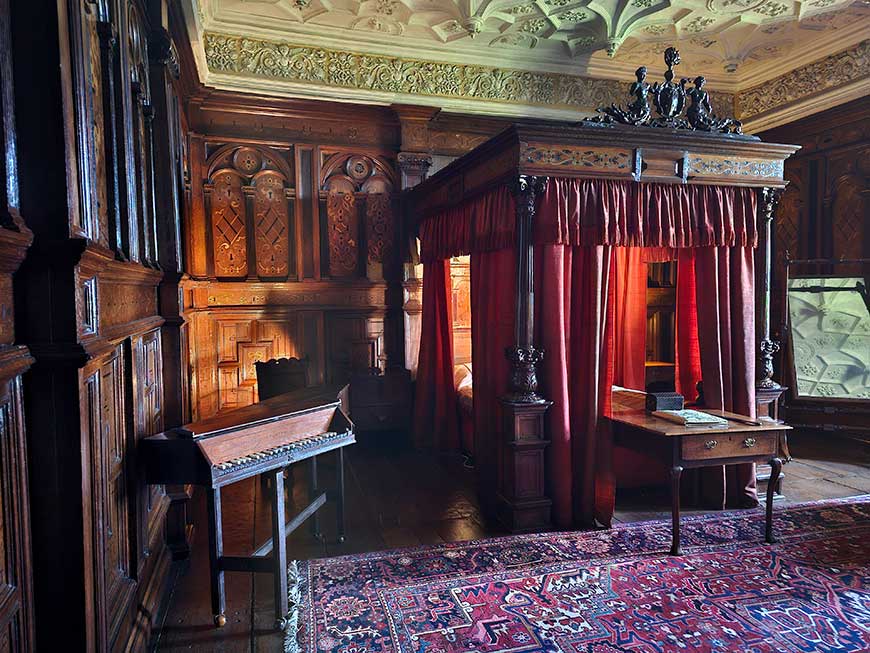
The highlight, without question, is the Inlaid Chamber, an Elizabethan masterpiece of woodwork that would make even a modern interior designer weep. The walls and furniture are covered with intricate patterns of different timbers, all burnished to a soft glow by centuries of beeswax. The room was actually moved to the Victoria and Albert Museum for safe-keeping during the 20th century and later returned home, like a well-travelled aristocrat who’d had enough of London.
From the upper windows, the view rolls out over the Sizergh estate, a sweep of parkland that was folded into the Lake District National Park boundary in 2016. The house sits on rising ground above the river, so you are rewarded with wide, open vistas that feel endlessly photogenic and the sort of view that makes me, briefly, consider taking up landscape painting, until I remember I can barely manage stick figures, let alone cows and sheep.
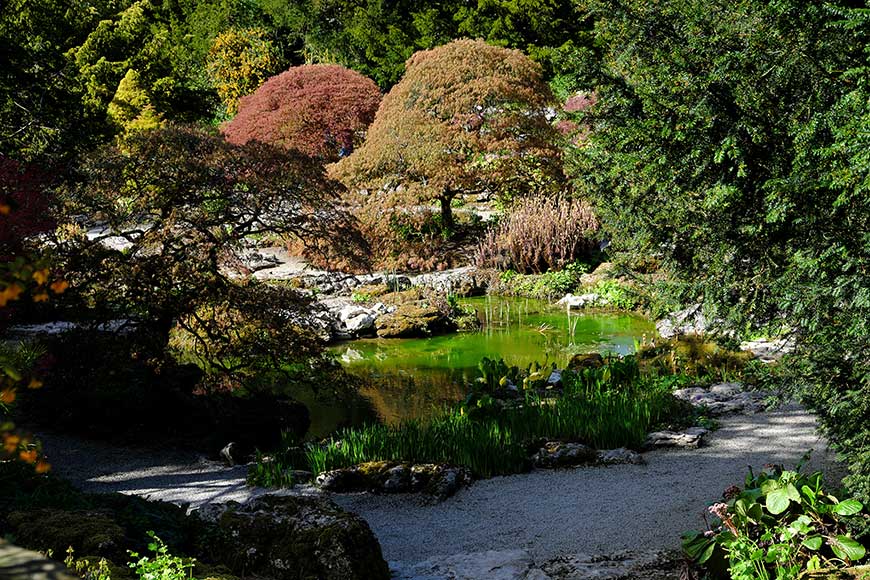
After a dutiful browse through the rooms (and the odd sideways glance at an especially ornate four-poster bed), we escaped into the gardens. These are, quite simply, superb. The rock garden, one of the largest limestone examples in the National Trust’s collection, cascades down towards a mirror lake that reflects the castle’s façade in perfect symmetry, provided no one throws a pebble. Spring flowers were in full performance mode: tulips, daffodils and something white and enthusiastic that Rosemary confidently identified as “probably a magnolia”.
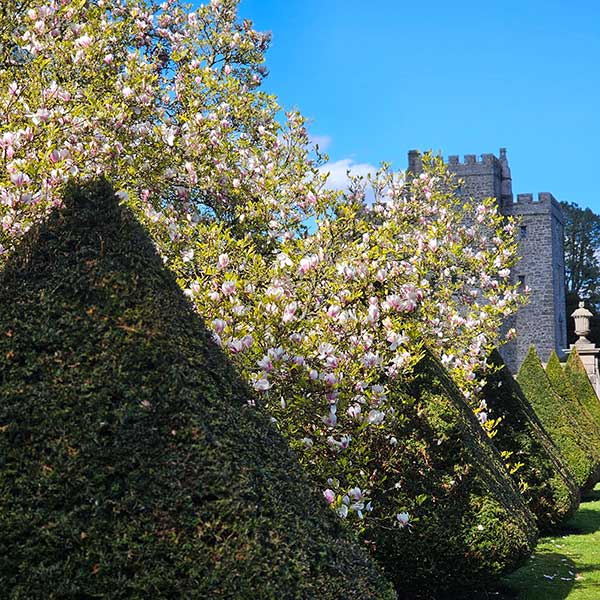
We followed the garden paths past neatly trimmed yews and into the kitchen garden, where volunteers were clearly winning their ongoing battle with weeds. The air smelled faintly of cut grass and coffee drifting from the Sizergh café, which, naturally, became our next destination. The café sits in a converted 17th-century farm building and serves the sort of hearty fare the National Trust does so well. We sat outside with coffee, tea and, of course, cake, watching small children wage tactical campaigns against melting ice creams.
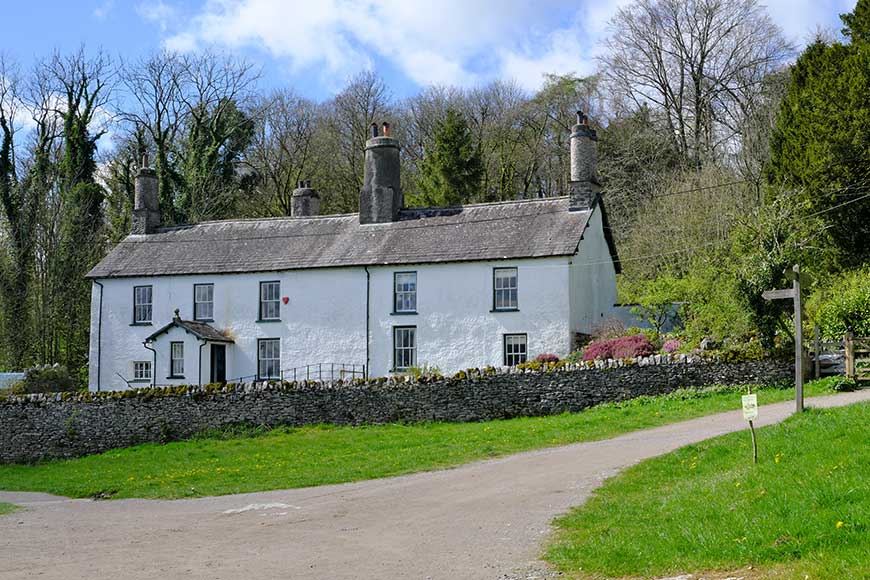
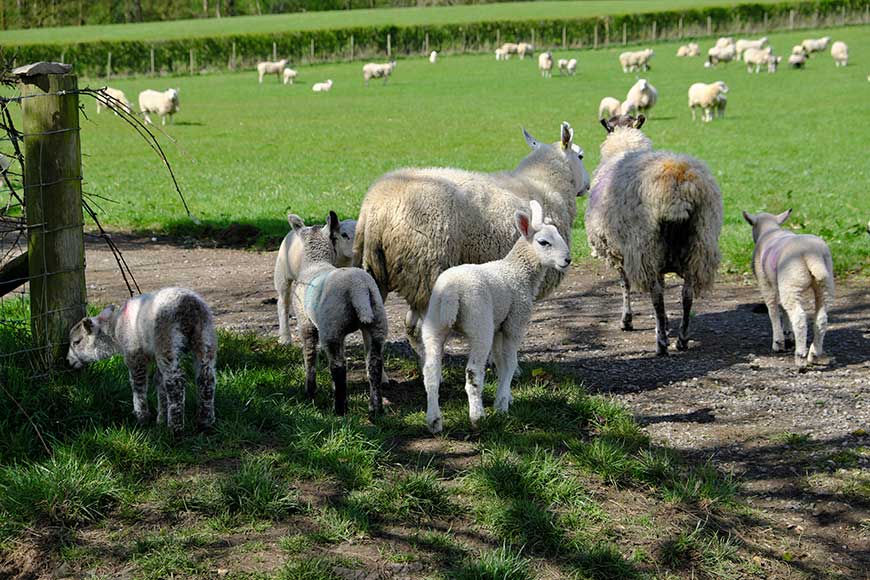
Suitably fortified, we set off on one of the estate walks. The Trust’s map offers several choices, from gentle garden loops to more ambitious rambles across the 1,600-acre estate. We, sort of, chose the Holeslack walk, a pleasant circuit that leads through ancient woodland, past the sturdy Holeslack Farm and into open parkland alive with birdsong. Except, we carried on to the Parish church of Saint John in Helsington for views over the Lyth Valley before returning via the same route. The paths are easy underfoot, and if you’re lucky you might spot deer in the distance. We weren’t lucky, although we did see a lot of sheep.
Returning to the car park, we felt that pleasant mixture of tired legs and mild smugness that comes from having spent a day outdoors in fine weather. Before leaving, we popped into the shop, which, like all good National Trust outlets, offers everything from seed packets to jam to books about hedgerows. Rosemary bought a bar of soap that allegedly smells of wildflowers. I suspect it will live in a drawer until next Easter.
As we drove away, the castle shrank behind us, sunlight catching the tower. It’s remarkable to think that a place so old still feels so alive. The Stricklands may have built it as a fortress, but today it’s more a haven of calm, history and very tidy gardens.
If you go, wear comfortable shoes, allow time to wander the gardens and the estate, and resist the urge to compare your own home to theirs. You’ll lose that one.
If you’re lucky enough to catch Sizergh on a sunny day, you might just believe, as we did, that the Lake District has more to offer than rain, sheep and Wordsworth. It has castles that look as if they’ve been borrowed from a storybook, woodlands that smell of spring, and cafés that never run out of tea. What more could you possibly want?
Planning a visit?
Sizergh Castle lies a few miles south of Kendal, just off the A590. From the M6, take junction 36 and follow signs for Kendal and Barrow. Use postcode LA8 8DZ for sat nav; there’s plenty of parking (free for National Trust members).
Trains stop at Oxenholme Lake District and Kendal, both a short taxi ride away. Limited local buses also pass nearby, so check times before travelling.
The house opens from spring to autumn, usually with last entry mid-afternoon. The gardens, café and shop have longer hours. Check the National Trust website for current details.
Facilities include a café, shop, toilets and picnic spots. Paths are generally firm, though uneven in places. Mobility scooters can be booked in advance through Outdoormobility.
Can I take my dog?
With 1,600 acres to explore there are several dog-friendly routes plus they are welcome on a lead in the shop, café and wild play area. However, only assistance dogs are allowed in the house and formal gardens.
For the best experience, visit in spring or summer, when the gardens are at their finest and the weather might just cooperate.
If you’ve enjoyed browsing our website, learned something new, or just had a smile because of what we do – we’d love your support to keep the good stuff brewing!
Looking for somewhere to stay? Browse our Travel Shop
Where to next?
• The Curious Tale of the Vandalian Tower
• Morecambe – Sunshine, Statues and a Seaside Revival
• Bletchley Park, the sound of secrets