
Well, we’ve made it into the next quarter of the century and as we stumble into the new year, our thoughts turn to holidays!
Travel in 2026 looks very different from even a few years ago. Flights are fuller, weather is less predictable, healthcare costs abroad continue to rise, and more UK travellers are mixing work, adventure, and family travel into one trip.
Yet despite all of this, travel insurance is still one of the most overlooked parts of holiday planning.

Whether you’re travelling with children, enjoying retirement adventures, working remotely overseas, or chasing adrenaline-fuelled experiences, travel insurance is no longer optional, it’s essential. Here’s why.
1. The NHS Doesn’t Cover You Abroad (And Medical Costs Are Soaring)
One of the biggest misconceptions among UK travellers is the idea that the NHS somehow “has your back” overseas. Unfortunately, once you leave the UK, you’re on your own financially.
Even in countries with reciprocal healthcare agreements, treatment is often:
Limited to state hospitals
Subject to co-payments
Payable upfront
In 2026, healthcare costs abroad are higher than ever:
A simple emergency room visit in the USA can exceed £1,000
A broken leg in Europe can cost several thousand pounds
Medical evacuation back to the UK can reach £30,000–£100,000
Why this matters for different travellers:
Families: Children get sick or injured more often than adults, especially when exposed to new climates and activities.
Older travellers: Even well-managed health conditions can escalate quickly.
Digital nomads: Long stays increase the chance of needing medical care.
Adventure travellers: Injuries from sports or outdoor activities can be severe and expensive.
Travel insurance isn’t about expecting the worst – it’s about avoiding a financial disaster.
2. GHIC Cards Are Helpful, But Not Enough

The UK’s Global Health Insurance Card (GHIC) is useful, but it’s often misunderstood. Many travellers assume it replaces travel insurance. It doesn’t.
A GHIC only gives UK residents access to state-provided healthcare in certain countries, under local rules. It does not cover:
Private hospitals
Mountain rescue
Sea rescue
Repatriation to the UK
Trip cancellation or interruption
Lost luggage or theft
If you need to be flown home for medical reasons – which is surprisingly common – the GHIC won’t help at all.
For families and older travellers especially, relying solely on a GHIC can be a costly mistake.
3. Flight Disruption, Delays, and Airline Failures Are Increasing
If recent years have taught UK travellers anything, it’s that flight disruption is now normal.
In 2026, common issues include:
Airline strikes
Staff shortages
Air traffic control delays
Airline insolvencies
Missed connections due to tight schedules
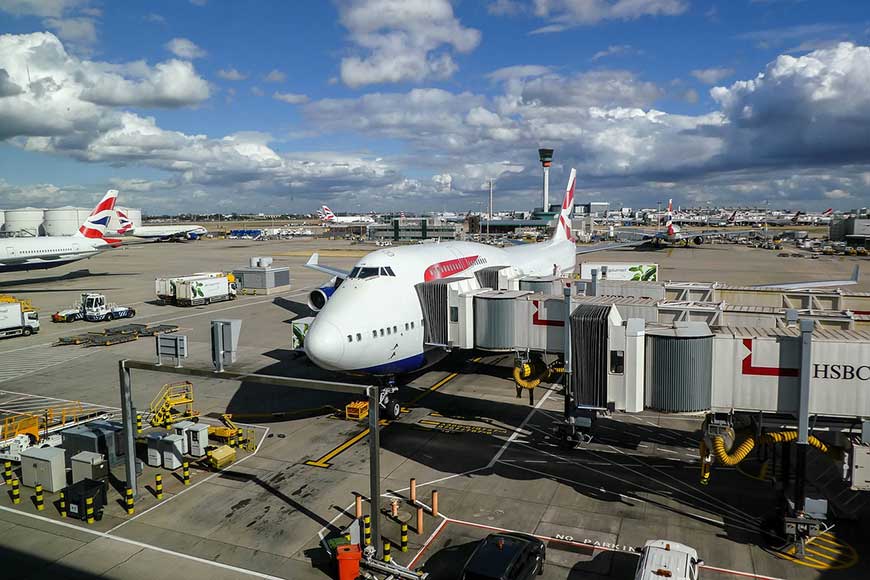
While ATOL protection helps with package holidays, many travellers now book flights, hotels, and transfers separately, especially digital nomads and adventure travellers.
Travel insurance can cover:
Missed connections
Additional accommodation
Replacement flights
Extra transport costs
For families travelling during school holidays or older travellers on carefully planned itineraries, this protection can make the difference between inconvenience and chaos.
Read our blog ‘What to do if your airline goes bust‘.
4. Extreme Weather and Climate Disruption Are Now Part of Travel Reality
Climate-related travel disruption is no longer rare – it’s expected.
In recent years, UK travellers have faced:
Wildfires in Spain, Greece, and Portugal
Hurricanes affecting the Caribbean and Florida
Flooding in Southeast Asia
Extreme heat grounding flights across Europe
In 2026, these events are factored into many insurers’ policies. But only if you have the right cover.
Travel insurance may help with:
Trip cancellation or early return
Emergency accommodation
Evacuations from affected areas
Rearranged travel plans
For families, this can mean getting home safely with minimal stress. For digital nomads, it can mean protecting months of accommodation and work plans.
5. Modern Travellers Carry More Valuable Tech Than Ever
Travel today often means carrying thousands of pounds’ worth of equipment:
Smartphones
Laptops
Tablets
Cameras
Remote working gear
Airline compensation for lost or damaged luggage is limited, and theft remains common in tourist hotspots.
This is particularly relevant for:
Families, juggling multiple devices for children
Adventure travellers, carrying specialist gear
Digital nomads, whose livelihood depends on their equipment
Travel insurance can cover loss, theft, or damage, often far beyond what airlines or accommodation providers will reimburse.
6. Personal Liability and Legal Risks Abroad Are Often Overlooked
Many UK travellers don’t realise that accidents abroad can become legal issues.
Examples include:
A skiing collision injuring another person
A child damaging property in a hotel
A scooter accident causing injury to a pedestrian
In some countries, compensation claims can be substantial, and legal processes are unfamiliar and stressful.
Most comprehensive travel insurance policies include personal liability cover, protecting you against claims that could otherwise cost tens or even hundreds of thousands of pounds.
This is especially important for families, older travellers, and adventure travellers engaging in higher-risk activities.

7. Peace of Mind Matters More Than Ever in 2026
Travel in 2026 is more complex:
Entry requirements change quickly
Political situations can shift
Health concerns still exist in some regions
Language barriers make emergencies harder to manage
Travel insurance provides access to:
24/7 emergency assistance
English-speaking medical professionals
Support when plans fall apart
For older travellers, this reassurance is invaluable. For families, it means knowing help is always available and for digital nomads and adventure travellers, it allows freedom without unnecessary risk.
Tailoring Travel Insurance to Your Travel Style
Not all travel insurance is the same. UK residents should look for policies that match how they travel:
Families
Cover for children included
Medical cover for common childhood illnesses
Cancellation cover for illness before travel
Older Travellers
Clear cover for pre-existing conditions
Higher medical limits
Repatriation cover
Digital Nomads
Long-stay or multi-trip cover
Electronics and work equipment protection
Medical cover for extended periods abroad
Adventure Travellers
Explicit cover for activities (skiing, diving, hiking, cycling)
Rescue and evacuation included
Higher personal liability limits

Travel Insurance isn’t optional anymore
For UK residents travelling in 2026, travel insurance is no longer about being cautious, it’s about being realistic.
With rising medical costs, unpredictable travel disruption, climate events, and increasingly complex itineraries, travel insurance is one of the smartest and most affordable protections you can buy.
The real question isn’t “Can I afford travel insurance?”
It’s “Can I afford to travel without it?”
We hope we haven’t scared you with this blog post! If you’re looking for a good deal on travel insurance visit our affiliate partner Travel Supermarket and compare more than 120 policies from over 44 trusted insurers – it’s fast free and simple.
If you’ve enjoyed browsing our website, learned something new, or just had a smile because of what we do – we’d love your support to keep the good stuff brewing!
Where to next?
• Historic tour of Nelson’s Dockyard, Antigua
• SS Great Britain, Bristol’s most famous ship
• Why Travel Insurance Is Your Holiday Companion