
Some celebrate World Chocolate Day on 7 July, others prefer to wait until International Chocolate Day on 13 September. But we think the fruit of the cacao tree should be celebrated every day, especially Easter. So here’s a bit of chocolate history and 11 facts about chocolate to make your mouth water.

Coffee makes it possible to get out of bed, chocolate makes it worthwhile
Aztecs and killer chocolate!
The word “chocolate” comes from the Aztec word “xocoatl,” which referred to the bitter, spicy drink the Aztecs made from cacao beans. They believed the seeds were the gift of Quetzalcoatl, the God of wisdom.
Theobromine, the compound in chocolate that makes it poisonous to dogs, can kill a human as well.
The good news is the lethal dose would be around 10 kilograms (22 lbs), so not exactly a threat!
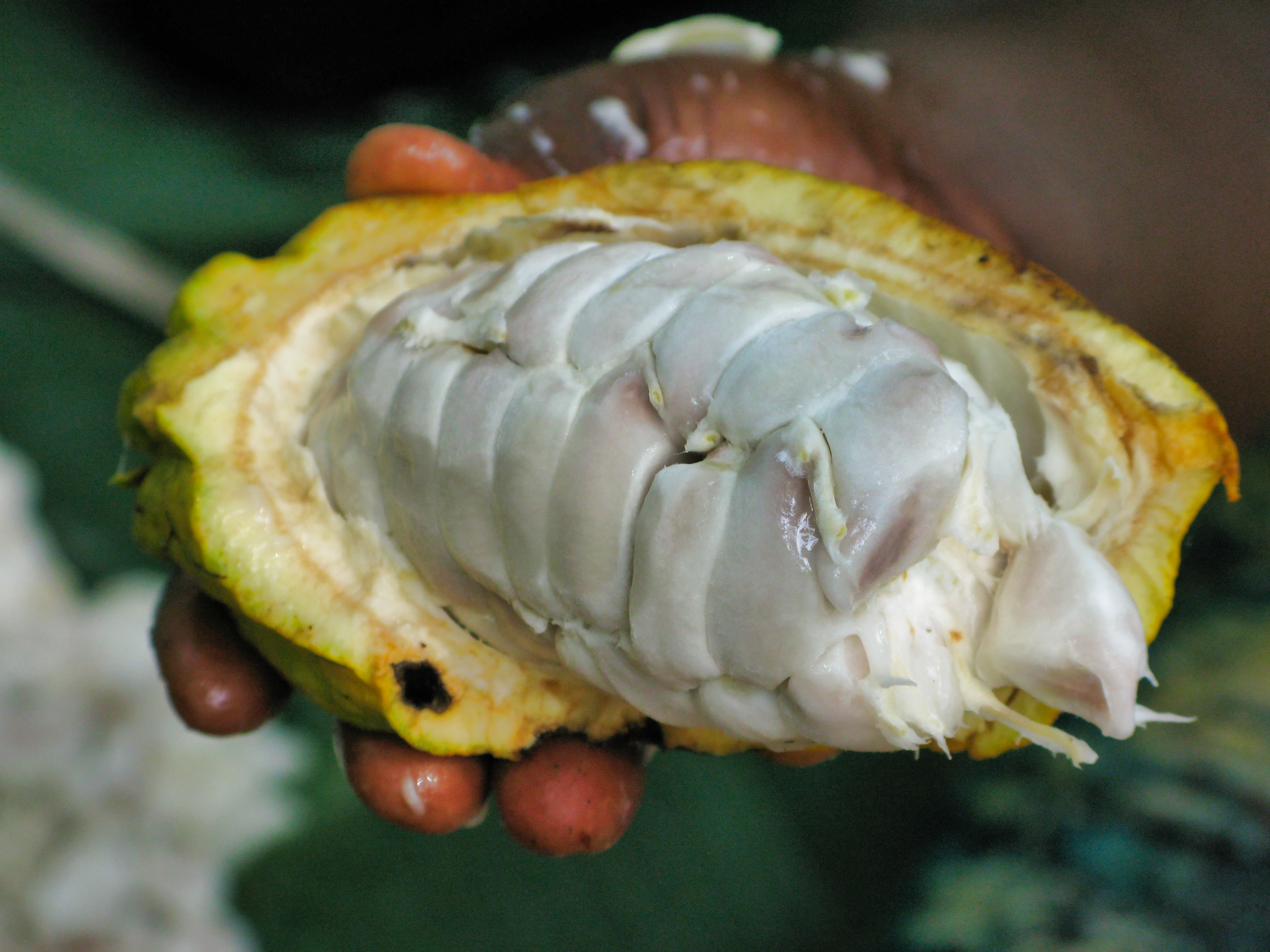
The ancient Maya are believed to be the first people to regularly grow cacao trees and drink chocolate.
In Mayan times, the cocoa bean was used as currency, as it was considered to be worth more than gold dust.

When life gives you lemons, throw them back and demand chocolate
Chocolate in moderation is good for you. Eating dark chocolate every day could reduce the risk of heart disease by improving blood flow and lowering blood pressure.
Dark chocolate is a good source of antioxidants and can improve the function of the brain.
Save the Earth! It’s the only planet with chocolate
11 delicious facts about chocolate
• Mice prefer chocolate to cheese.
• Chocolate was originally a savoury drink.
• The Spaniards in the 16th century by degrees of conquest and trade brought cocoa back to Europe, using it initially as a medicine to treat abdominal pain.
• When Marie Antoinette married Louis XVI, she brought her own personal chocolate maker to Versailles.
• Mr Cadbury started making ‘eating’ chocolate in 1824 and made the world’s first chocolate bar in 1842. By then, they were selling 16 varieties of drinking chocolate and 11 different cocoas.
• He was also the man responsible for linking chocolate and Valentine’s Day by putting Cupids and rosebuds on heart shaped boxes in 1861.

• It seems odd, but McVitie’s famous digestive biscuit, created in 1892, didn’t get its chocolate cover until 1925. Today, more than 71 million packets are eaten in the UK each year. That’s around 52 biscuits a second!
• The chocolate apple came first! Terry’s famous chocolate orange has been in production since 1932 and has become a Christmas-and-any-time treat. But they first experimented with a chocolate apple. Marketed in 1924 as a luxury item for dinner parties, it was available in Britain until 1954, by which time its citrusy younger brother had outstripped its popularity.
• Thorntons are responsible for what is possibly the world’s first edible billboard. The 860lb (390kg) sign was put up in Covent Garden, London in April 2007. The 10 enormous chocolate bunnies, 72 giant Easter eggs and 128 chocolate panels were all eaten within 3 hours.

• Love ’em or loathe ’em Bounty bars made an appearance in the UK and Canada in 1951.

• The original four finger Kit Kat was created in 1935 after a worker at Rowntree’s factory in York suggested they made a snack that ‘a man could take to work in his pack’.

There are only three things in life that matter – good friends, good chocolate and, oh dear, what was that other one?
For centuries, chocolate has held pride of place in recipes across the world, with good reason.
And it seems the naughtier the name, the more popular the recipe.
Take Devil’s Food Cake, called that because….. well, no-one’s really sure.
It first appeared in print in 1902 in the southern states of America. It was originally quite a mild flavour, then folk started adding more and more “sinful” chocolate, which might have brought the devil into it.
Others think the name was because the cake was the complete opposite of the pale-but-interesting Angel Cake.
Here’s Pork Belly’s dairy-free version, presented as muffins, with the addition of a little extra spice and a dash of rum.
Devilishly good!

Where to next?
• Chocolate brownie strawberry shortbread
• Postcard from Cornwall
• 8 Haunted Hotels in Sussex