

Seal! I shout, hand waving towards the grey head that has just emerged beside a rock. Looking left and right with a lugubrious expression, the creature slowly sinks down below the surface.
We’re visiting Cornwall in winter, and Pork Belly is engrossed in photographing fishermen at work.
Moments later, the seal pops up again, this time inside the harbour wall.
Seal! I squeak again. And again Mr Belly is looking the other way.
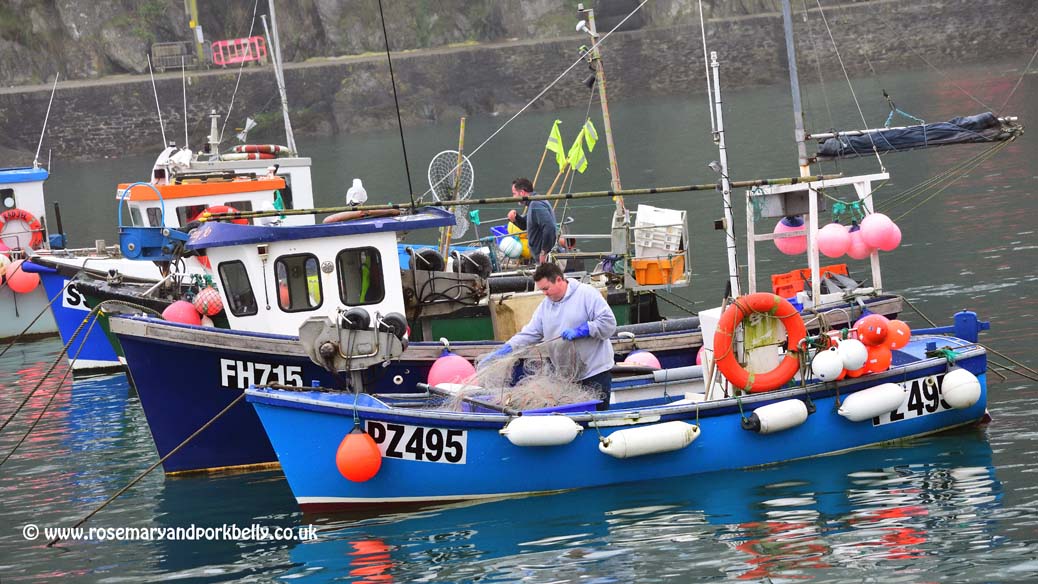
I can’t exactly blame him.
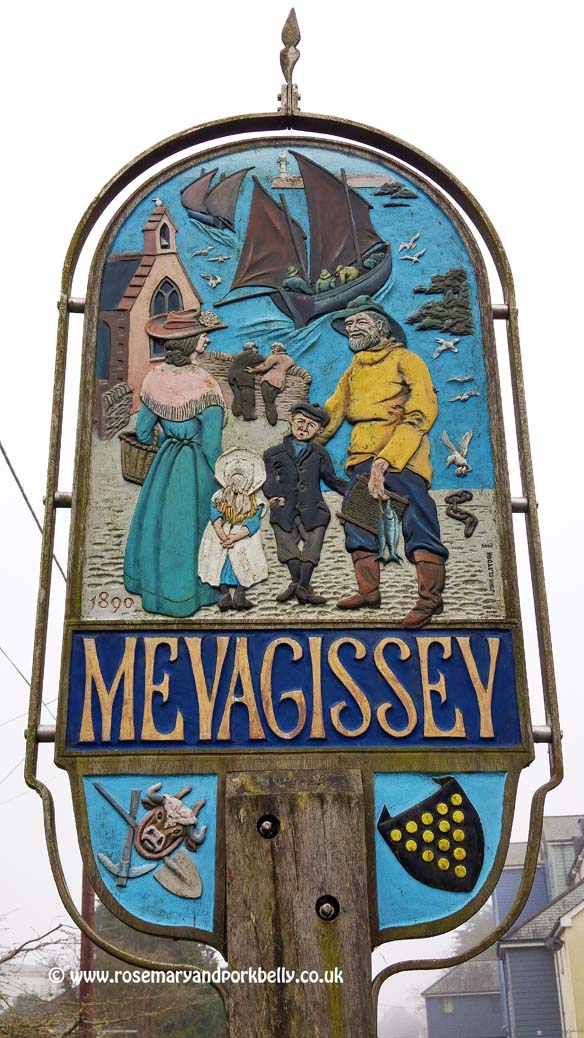
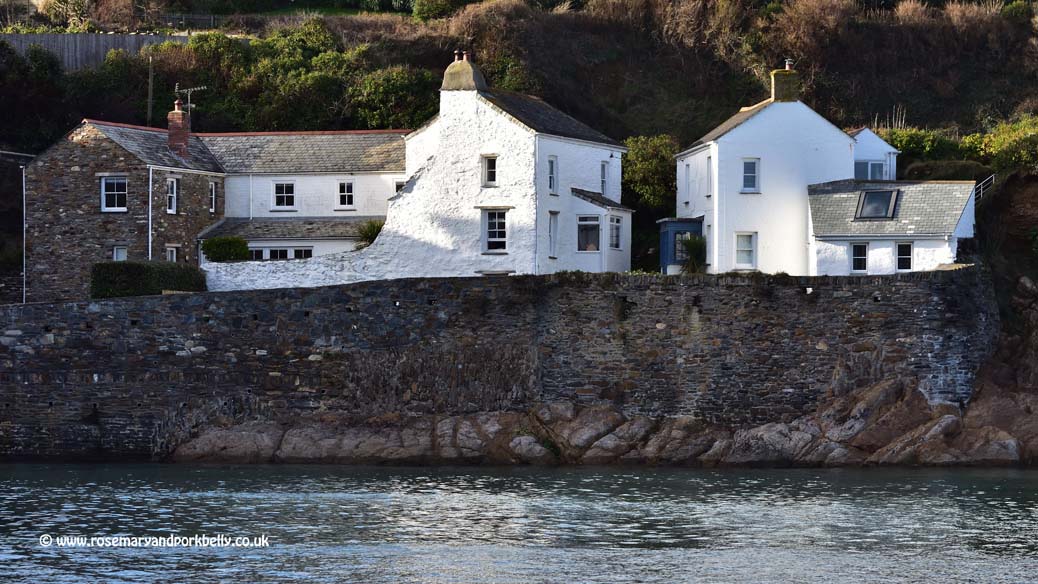
Even in winter with grey clouds scudding across the sky and the sparkling sea a few shades darker than usual (although the mica in the local granite lends the waves a deep turquoise glow) Mevagissey is a place of beauty.
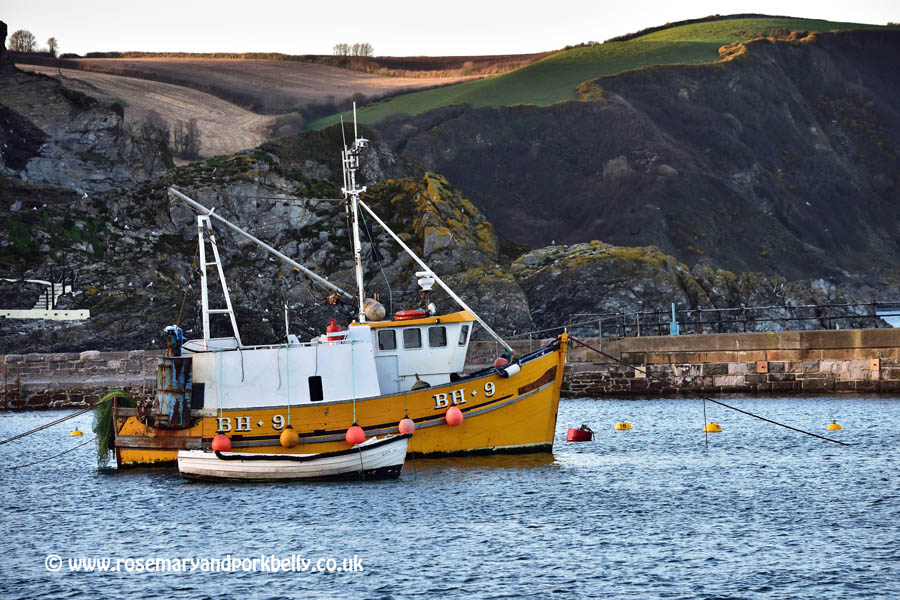
Houses huddle either side of the inlet, home to the inner and outer harbours that have been the lifeblood of the town for centuries, first with fishing and now tourism.
Cornwall in winter
One of the joys of Cornwall at any time of the year is these tiny towns and villages, clinging to impossible cliff edges. Hard to walk around but oh so worth it for the breathtaking views.
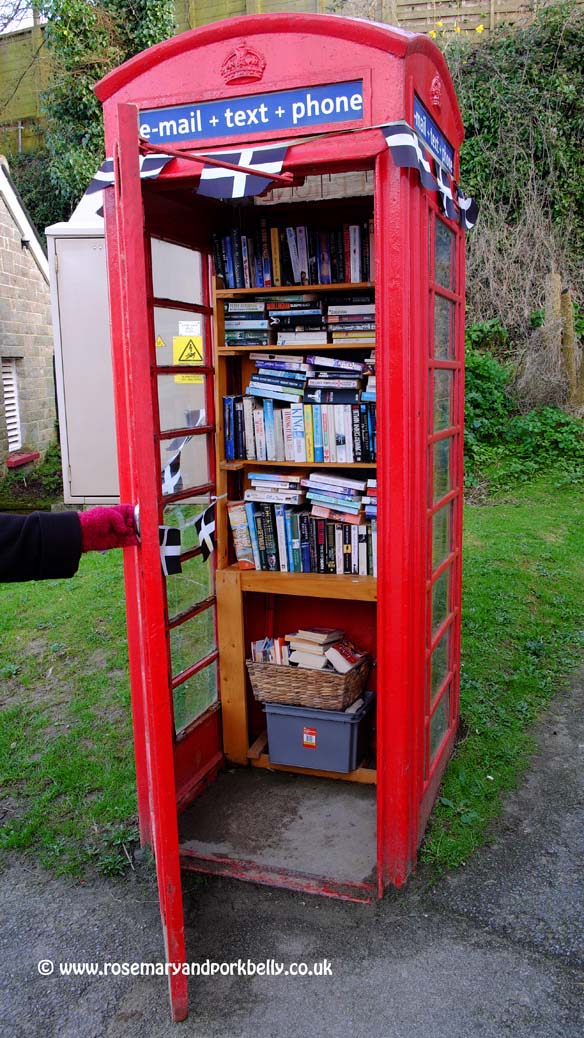
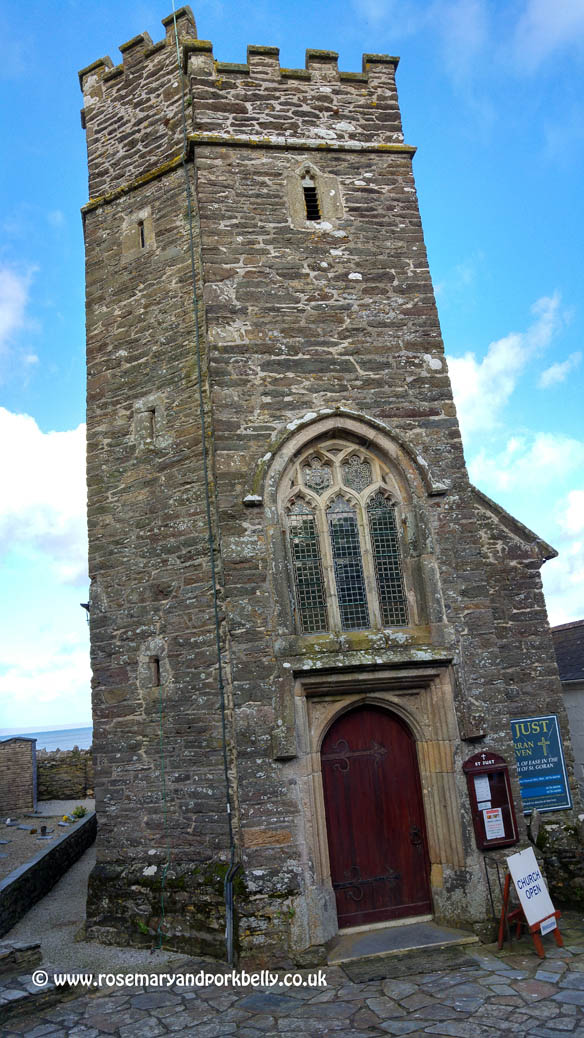
In nearby Gorran Haven the harbour is tiny and the beach, accessed by a vertigo-inducing set of steps, is postage stamp-sized. Even the library is bijou – housed inside a telephone box.
The West Country is traditionally a destination for family holidays in the UK and in summer the beaches and rock pools are perfect.
Surfers and cool dudes head for the Atlantic Coast while mythologists and romance lovers seek Tintagel and Lands End.
Cornwall weather
Cornwall, or Kernow in the Cornish language, covers an area of 1,375 square miles, and we only had a few days to spare in early spring so based ourselves near St Austell.
It’s in easy reach of the area’s two main attractions, The Eden Project and the Lost Gardens of Heligan, but there’s plenty more to explore in and around the old market town.
Cornish weather is milder than the rest of the UK. Even winters are comparatively warm, although often wet. But that means you can enjoy the sandy beaches and tiny coves that dot the coastline pretty much all year round.
And those beaches have such wonderful names – Polkerris, Porthpean and Crinnis – stretches of beautiful sand on the sweep of Carlyon Bay.
That’s why people call it the Cornish Riviera.
Literary Cornwall
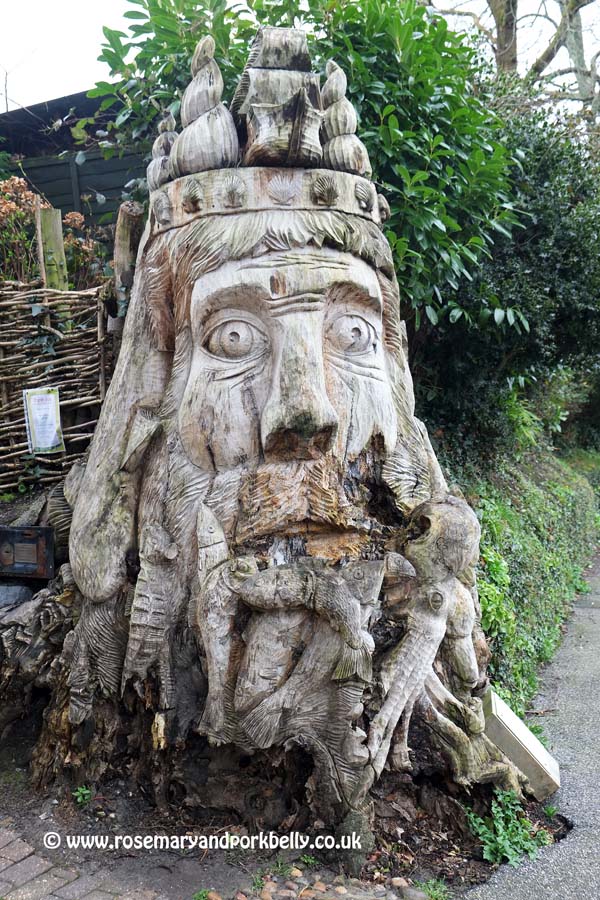
You can’t escape book references in this part of Cornwall. Daphne du Maurier set many of her novels here.
There’s a museum devoted to her at Jamaica Inn, which you can visit, and not far from St Austell is Menabilly, the inspiration for Manderley in Rebecca, and Kilmarth, the original House on the Strand. You can’t visit either of them, but may catch a glimpse from one of the many coastal walks which pass nearby.
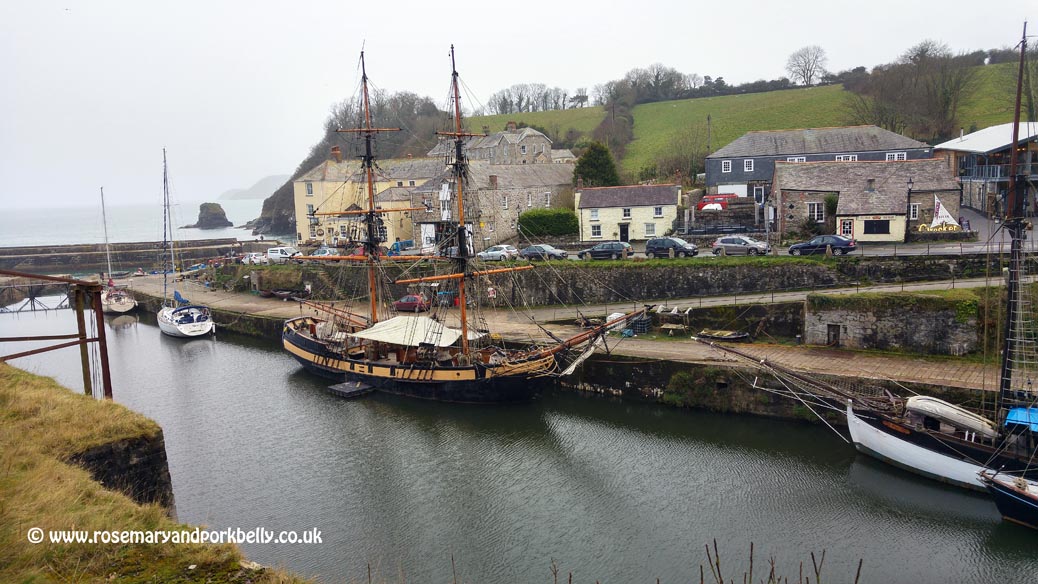
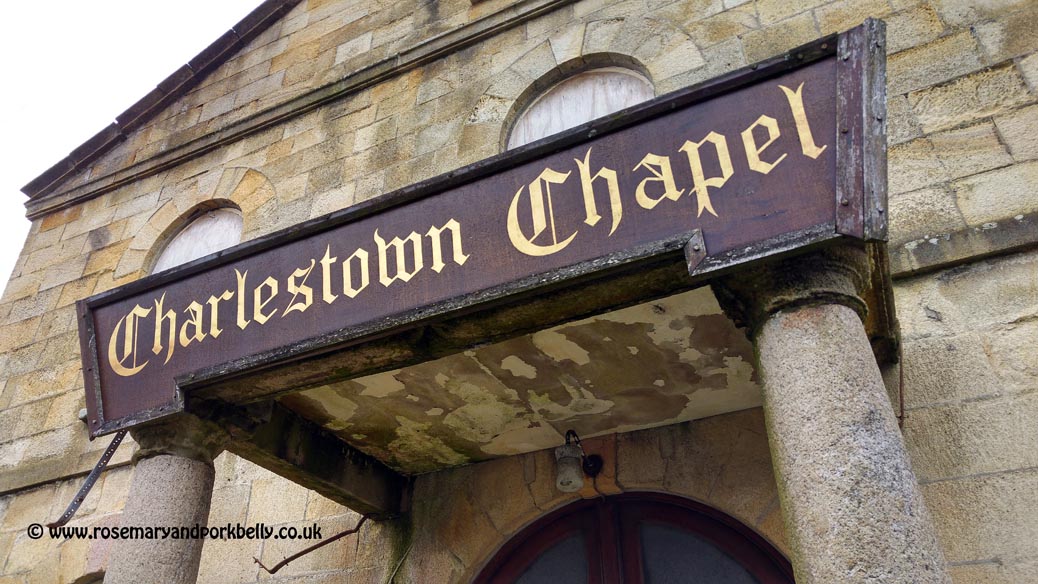
Winston Graham’s Poldark books are stacked in every local bookshop and if you watched the TV adaptation you’ll recognise the tall ships, quayside and houses of Charlestown as the backdrop to some of its pivotal scenes.
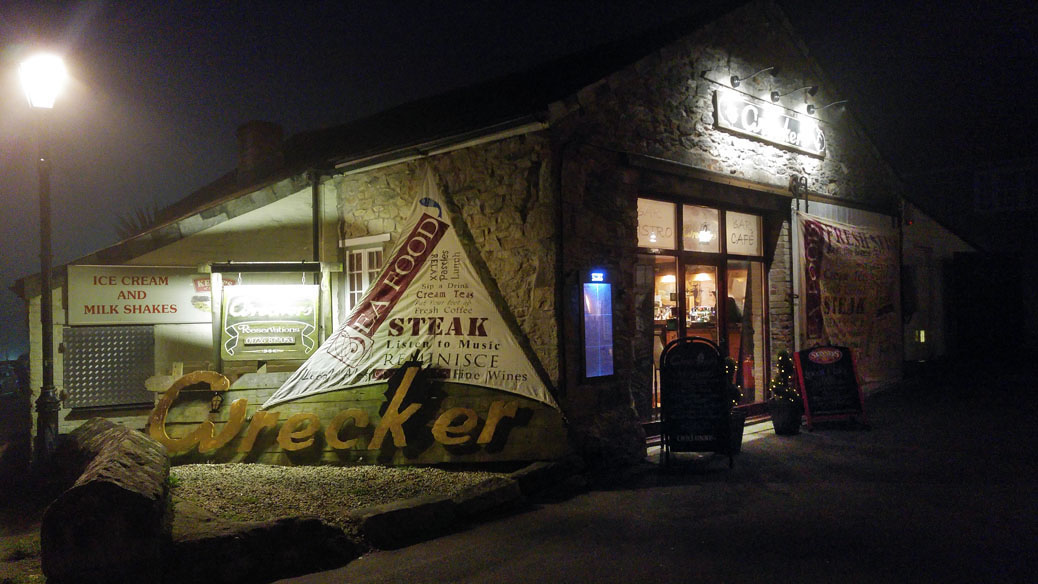
There are plenty of pubs and restaurants to choose from in Charlestown, despite it being such a tiny place.
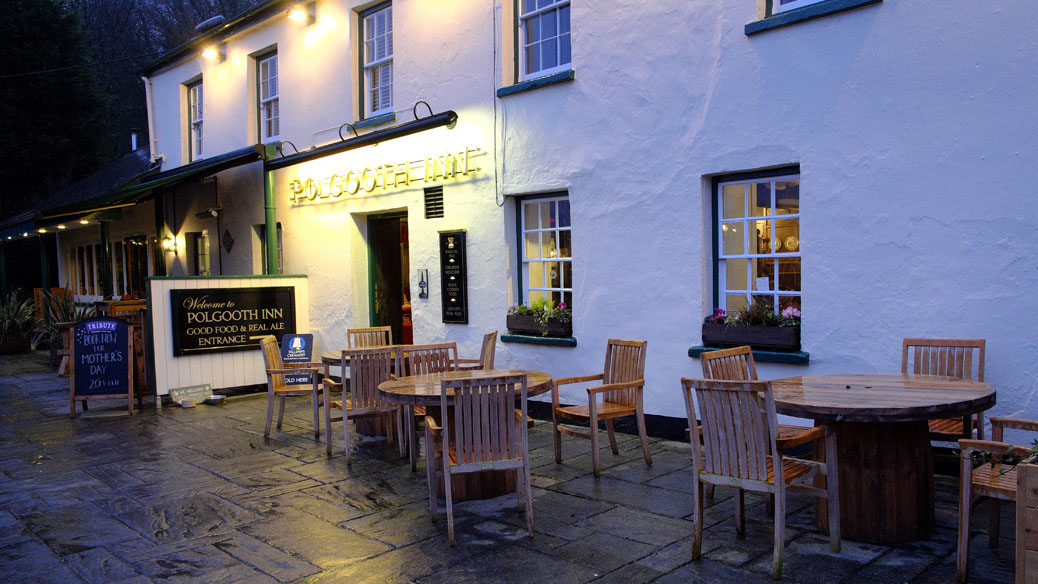
We enjoyed a bistro-style meal at Wreckers but felt we got better value for money at the more hearty Polgooth Inn a bit further inland.
Cornwall’s history
Staying around St Austell means you are about 30 minutes drive from the fascinating disused slate mine at Carnglaze Caverns, an even shorter run to Bodmin Moor and its ghostly jail and a mere stone’s throw from the wonderful clay mining museum Wheal Martyn.
We had to head home far too soon, going via Fowey, which is a good base for exploring the nearby beaches and waterways and is popular with boating folk.
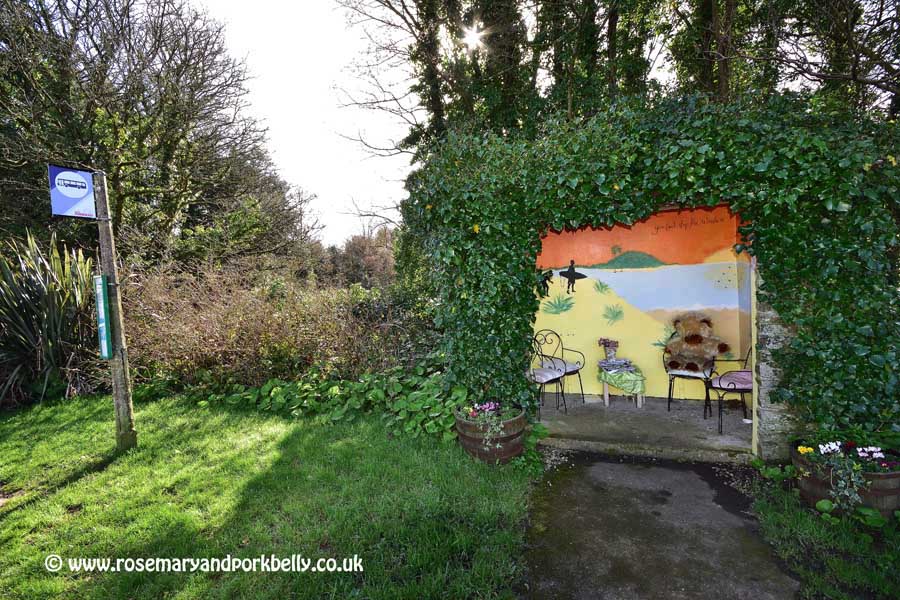
Oh, and keep your eyes peeled on the road into the town for what must be the most welcoming bus stop in the whole of Cornwall – complete with comfy chairs, books to read and a cuddly teddy!
Ferry cross the Fowey
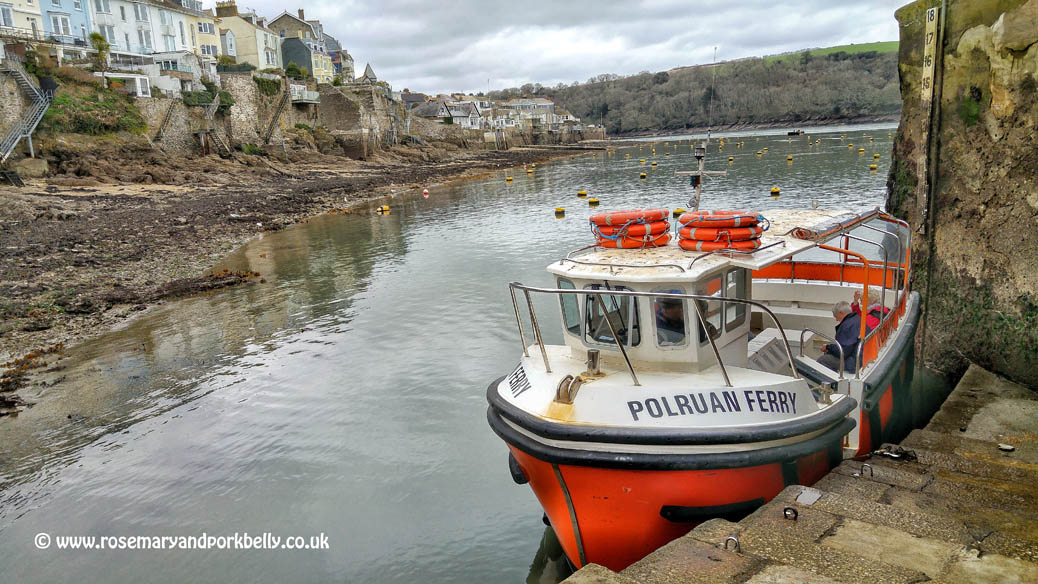
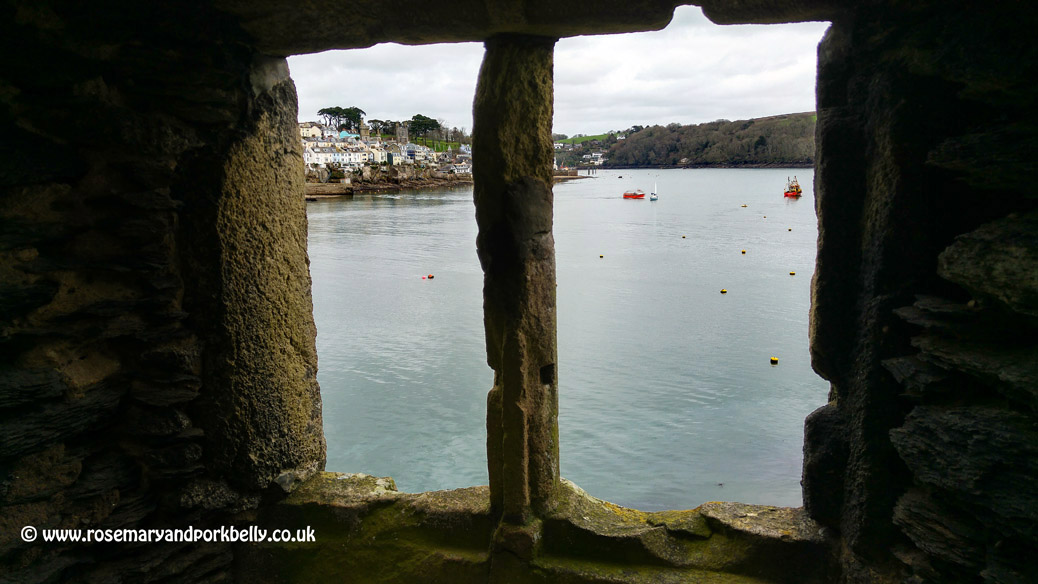
A short ferry trip across the Fowey river mouth takes you to Polruan, with its winding streets, fishermen’s cottages (now mostly holiday lets) and thriving boat building industry.
Its hillside location has limited expansion, so it remains relatively unspoilt. A walk to the top of the village left me a bit breathless, but the stroll to the Blockhouse at the river-mouth was less demanding.
Cornwall in high season can be pretty packed. The roads are narrow and twisting and caravans and motor-homes abound at every turn, so going early in the year or in the autumn after the crowds have fled is best.
But be warned, all that fabulous scenery comes at a price – expect rain all year round.
Which of course means gorgeous greenery and dramatic skies, just keep a pair of stout shoes handy!

Things to do in Cornwall in winter
- Trebah Garden, near Falmouth
- Lost Gardens of Heligan, Pentewan
- Cornish Seal Sanctuary, Gweek
- Eden Project, near St Austell
- Blue Reef Aquarium, Newquay
- Take the St Austell Brewery tour

More information
For up-to-date information, visit the Cornwall tourist board website
Where to next?
• 8 Haunted Hotels in Sussex
• Fun and funky places to stay in Britain
• Rhubarb and custard cake