
So … it ain’t over yet!
And won’t be for a while – but as we predicted when this pandemic thing kicked off, travel is gonna be very different post COVID.
There are signs of hope that we may be able to get up, up and away in 2022, but the spontaneous, jump-on-a-plane-and-go-anywhere approach doesn’t sit right any more.
Research in 2021 showed that 83% of people surveyed worldwide think that sustainable travel is important.
*Source: Statistica website
And there’s no doubt in our minds that travel in 2022 will be definitely different.
Not only will COVID restrictions, testing requirements and paperwork be with us for a long while yet – adding to both the logistics and cost of travel – but also it’s time to take a step back and ask yourself some important questions.
Are my travel plans sustainable?
Will they contribute to wellbeing – my own and of those around me?
And, something that’s even harder to assess, is it ethical for me to travel?
We don’t pretend to have all the answers, but we’re trying to take a few, positive steps in 2022.

What does responsible travel mean?
First, you need to establish exactly what responsible travel and tourism means to you, personally.
• Is it about being ethical?
• Environmentally aware?
• Sustainable?
Put simply, responsible travel means thinking about the consequences of your travel actions – on the environment, on people and on the local economy

We know that big travel companies have had it tough since the pandemic, and that has had a huge impact on people’s jobs in the airline, hospitality and service industries.
Now’s the time to make sure your plans will support those who work hard to give you the best travel experience.
We believe travel is a privilege, not a right, but wanting to do the right thing isn’t always easy.
It can be difficult to work out if your choices really are ethical and sustainable and, even with the best intentions, we may not always succeed.
7 ways you can travel sustainably in 2022
Book with transparent travel companies
Most companies are becoming clearer about the impact they have on the environment and the communities they serve.
But not everything is as it seems, so do your own research.
Look for companies approved by the Global Sustainable Tourism Council (GSTC) as a start, although many have self certification about meeting ethical and environmental standards.
Either way, they should state clearly and specifically the things they are doing.
If they say they are planting trees to offset their carbon footprint they should say where, what trees and how many. Preferably with pictures to prove it.
Focus on experiences not products
When we travelled the world back in the 1980s, we were on a very tight budget. We had to be careful with the cash and made what would now be called ‘mindful’ decisions.
We had a little mantra that kept it all in perspective:
Do we need it?
Do we want it?
Will we ever have this chance again?
It was that last one that really sorted the wheat from the chaff – we only spent time and money on things that we knew really mattered to us.
Riding bikes in busy Guangzhou
The night sky in Northern Thailand
A 4WD safari in Queensland
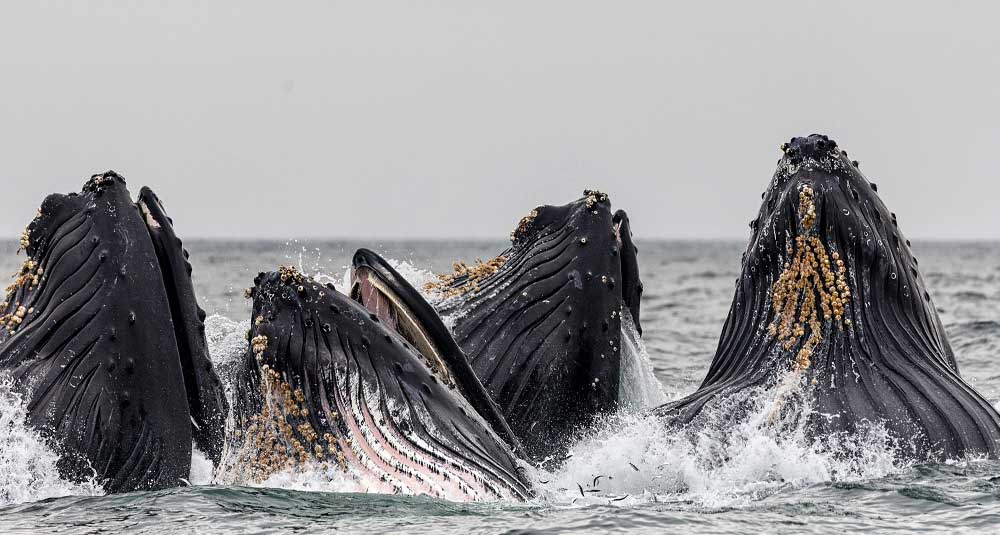
Whale watching and glacier walking in New Zealand
It was those experiences, provided by local people with local knowledge, that stand out to this day.

Spend wisely
Much of what we spend as travellers goes into the pockets of large companies and doesn’t always benefit the local community.
Book small, local hotels where possible, or stay in family-run accommodation.
If you’re taking a bargain package deal, it’s harder, but there’s still a lot you can do while you’re there.
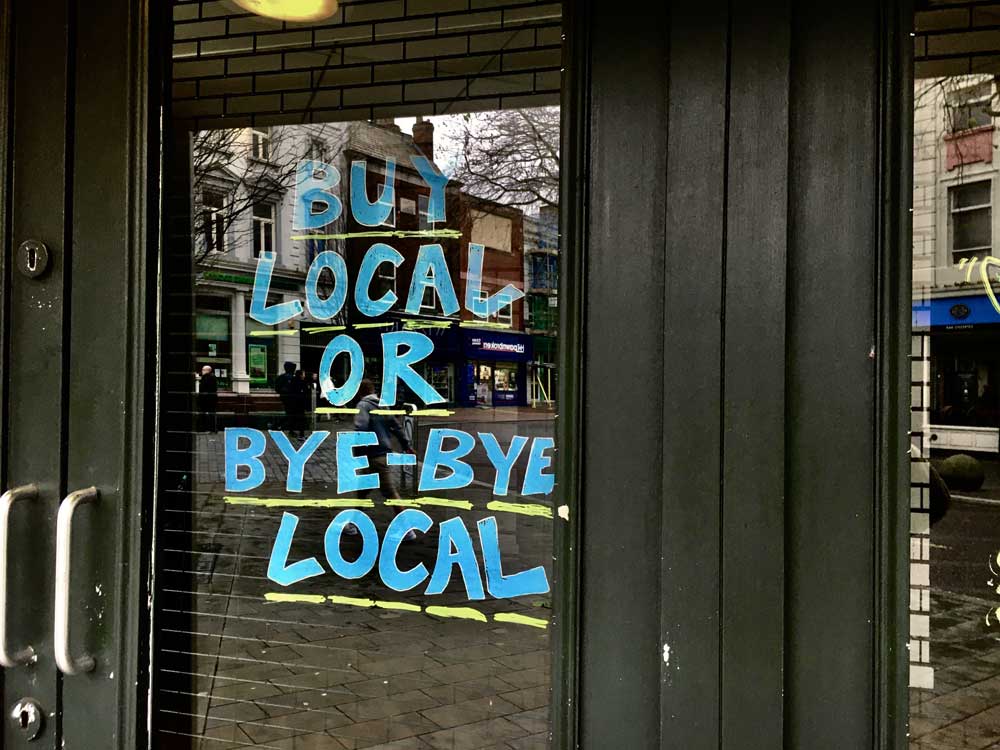
Look for restaurants where the locals eat, hire local taxis and buy from small, independent shops.
Oh, and do support any locally-run museums and historic sites – culture often disappears when the money dries up.
Travel slow and low
If you’re heading abroad and time is tight, there’s no way round it, you gotta fly.
But there are still plenty of lower carbon options.
Trains throughout most of Europe are fast, reliable and comfortable.
Or choose the cheaper, admittedly slower, option of a bus trip.
A narrowboat holiday is low impact, but avoid cruises if you want to be really green. Cruise companies are doing their best to deal with their waste and high fuel usage, but sorry, it’s not sustainable travel.
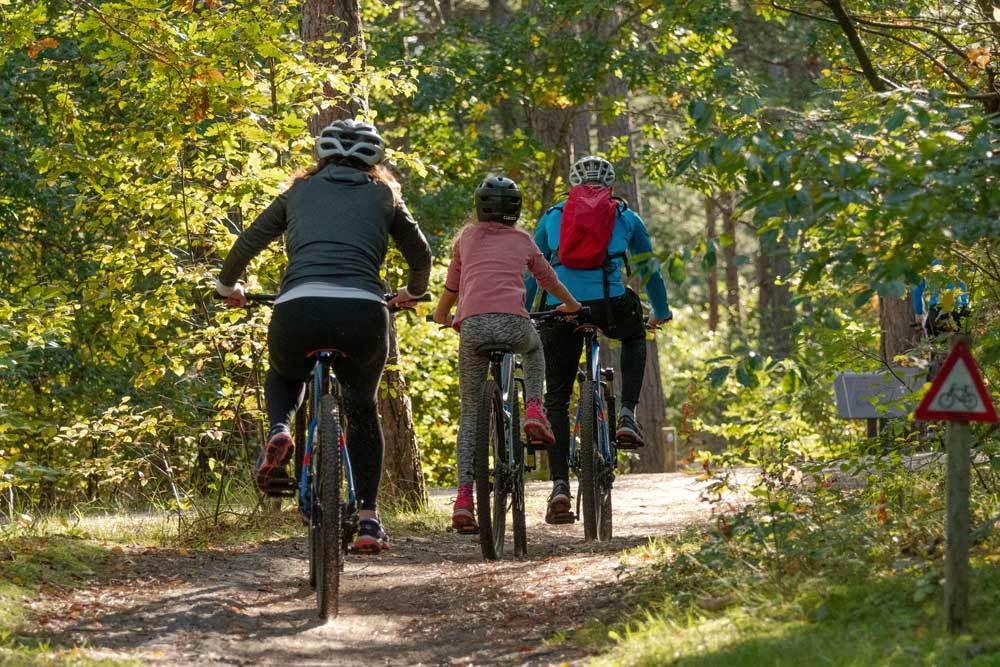
Now’s a good time to get yourself fit and look at cycling or walking tours – especially those that provide a back-up vehicle for your bags, so you travel light!
Bottom line is think about travelling less far, less frequently and taking it slower.
Keep up the recycling!

Just because you’re on holiday, don’t lose your usual reduce, re-use, recycle mindset.
Many resorts now have a green policy, providing you with re-usable water bottles, fewer toiletries and will ask you to hang on to your towels for a day or two longer.
But when you’re out and about, it’s easy to forget and go for snacks and bottled drinks.
Try to resist taking the easy, disposable way!
Celebrate local culture
This is such a hard one to do well.
You want to find out more about the place you’re visiting, but don’t want to go to a huge, Disney-style after dinner show.
Is that traditional dance display really authentic?
If I go with the local tour guide, will they be the ones getting the money?
Is the artwork genuinely produced locally, or knocked out in a factory miles away?
You will probably never be sure, but a good way to start is simply to ask.
Ask the receptionist, the taxi driver, the waiter at your favourite restaurant.
Consider all their replies (some companies offer incentives for hospitality staff to recommend them) and you’ll soon find a consensus.
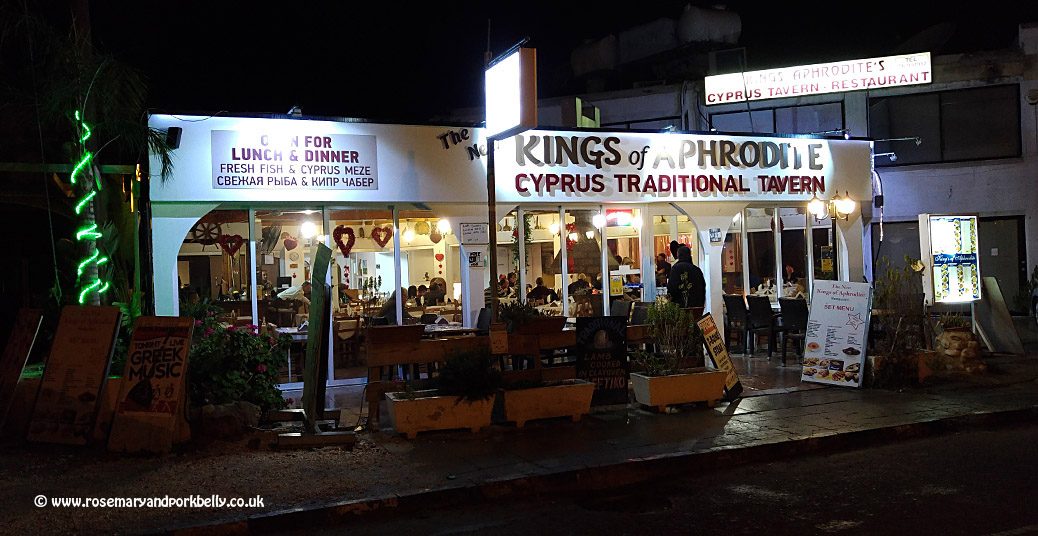
Or you may simply get lucky – like we did the night we chose a quiet restaurant in tourist-heavy Paphos in Cyprus.
Half an hour later a two-piece band turned up, and the place rapidly filled with locals, chatting, eating and joining in traditional Greek dances.
Stay local
And finally, probably the best advice of all is to take the time to explore your own country.
When you stay-at-home, you automatically reduce your transport impact, and it’s a lot easier to find ways to travel even more responsibly.
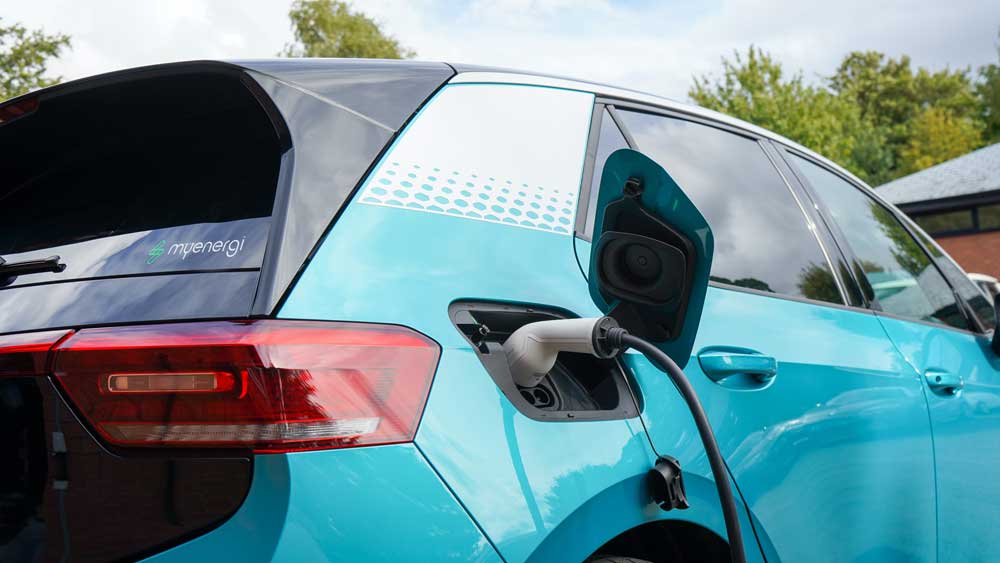
Hike, stay at hostels, cycle, take the train or use an electric vehicle and stay in a ‘green hotel’ or eco-friendly treehouse or glamping pod.
More information on sustainable and ethical travel
Impact Travel Alliance is a non-profit organisation which gives travellers access to information and advice to help you make sustainable travel choices
Travel during Covid still remains unpredictable. MoneySavingExpert keeps an updated list of the best advice on insurance, travel and your rights should your holiday have to be cancelled

Where to next?
• Beautiful bus rides of Britain
• Releasing the pause button
• Call of the wild – remote islands