
Jazzy jumpers, pretty cows, creamy milk and potatoes.
Is that what Jersey means to you?
Well all the above are true but the island of Jersey offers so much more.
9 miles across and 5 miles deep, Jersey is the biggest of the Channel Islands. Lying just off the French coast, Jersey is not exactly part of the UK. Instead it’s a self-governing democracy with its own financial, legal and judicial systems.
But the UK is responsible for the defence of Jersey and the Queen is the constitutional monarch.
Britain’s influence is evident – the British pound is the main currency and English the main language, although some islanders still speak Jèrriais, the local form of the Norman language, and many place names have French or Norman origins.
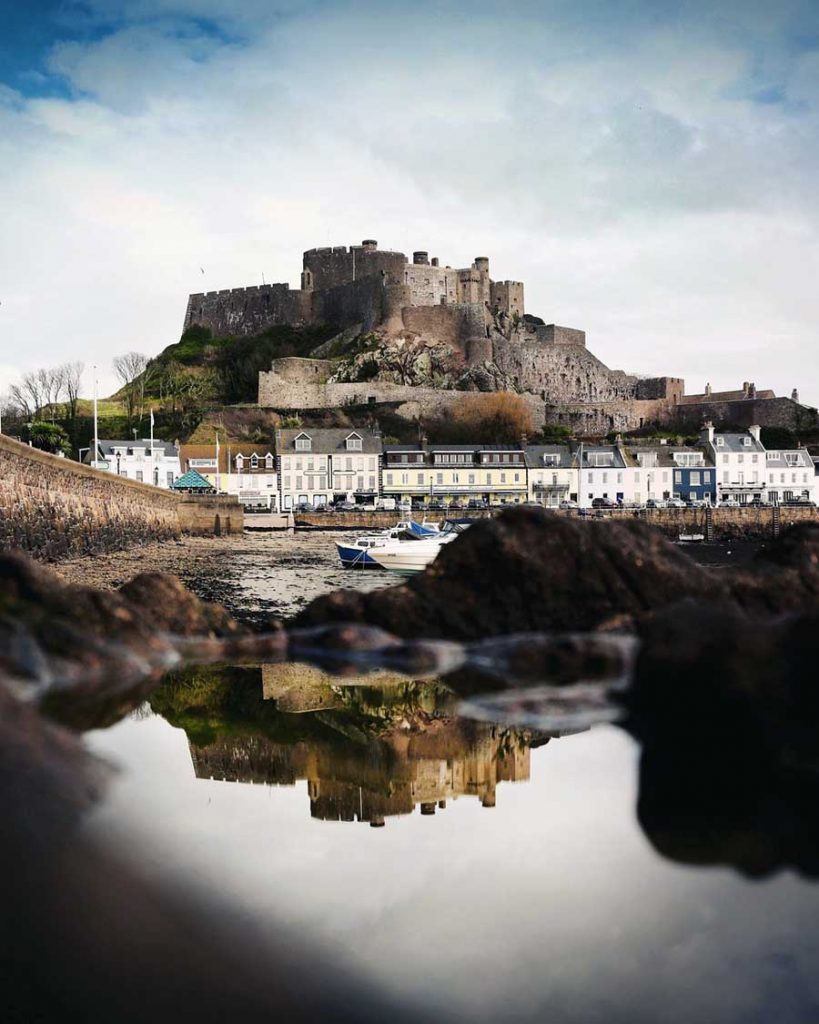
In whatever language, Jersey’s creeper-covered castles and crumbling coastal forts are reminders that this sunny isle has a dark and stormy history.
But its sandy beaches, country lanes, excellent food and laid-back atmosphere are what bring visitors back time and time again.
Getting to Jersey
Air travel is the quickest way to reach Jersey from the UK. Easyjet flies from Gatwick and BA from Heathrow, with flight times of around an hour.
Smaller airports like Liverpool, Southampton, Bristol, London City, Edinburgh and Exeter also have flights.
If you want to take your car you’ll have to choose the ferry option, although be aware the sea can be pretty rough, especially in the autumn and winter months.
Condor Ferries runs a fast route from Poole to St Helier taking a little over 4 hours and they have an 8 hour conventional ferry trip from Portsmouth.
Getting around Jersey
Go green if you can
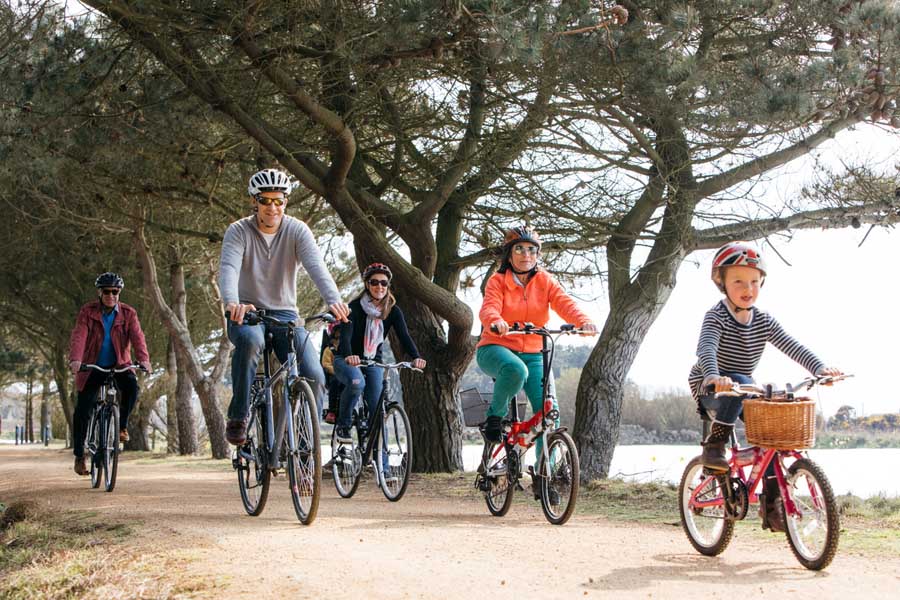
Jersey is perfect for cycling with dedicated Green Lanes and trails for all fitness levels. Take a gentle ride along sandy seascapes or tackle a pulse-raising hill climb on Jersey’s northern coast.
If you’re walking you can blow away the cobwebs with the salty air of a coastal hike or meander along rugged cliff paths. Tiny the island may be but it packs dramatic landscape changes within just a few miles.
There’s a good public transport network with regular services linking the island’s main locations and attractions. Most buses have easy access for wheelchair users.
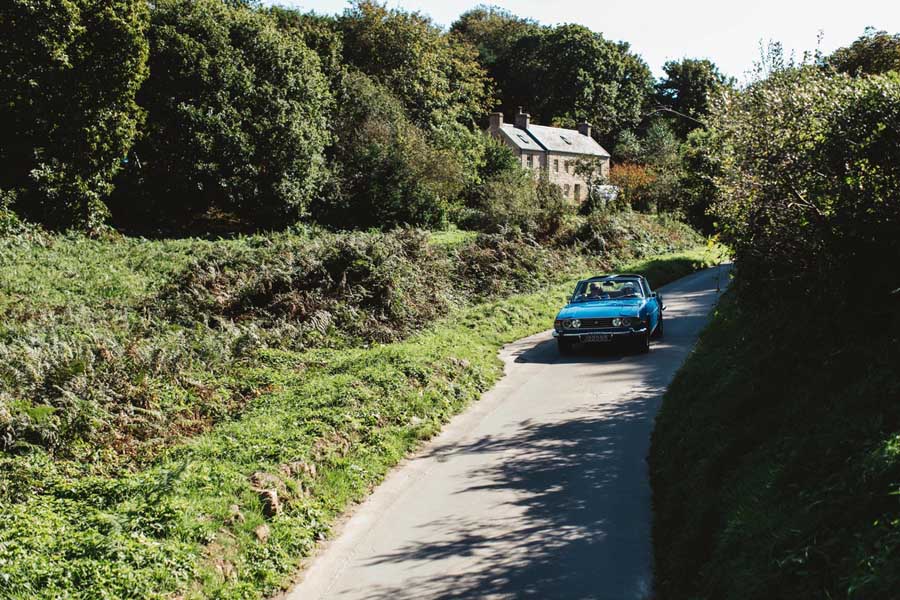
And if you are driving don’t expect to get anywhere very fast. The roads are narrow and winding with an island-wide speed limit of 40 mph.
Plus you’ll need to hold a Certificate of Insurance or an International Green Card, a valid Driving Licence or International Driving Permit. If you’re bringing your own car, you’ll need to display a nationality plate on the back.
Top things to do in Jersey
Jersey’s castles and museums are fully open and there are two new exhibitions on at Jersey Museum & Art Gallery.
• Jersey Heritage
Live the outdoor life as much as possible. Jersey’s climate is warmer and sunnier than mainland Britain and perfect for hiking, surfing, kayaking and exploring ancient ruins.
Stroll the streets of St Helier
The island’s capital is perfect for some relaxed, VAT-free shopping and casual people-watching. Check out the top brands in the high street or wander through charming markets, quirky antique stores and unique boutiques.
In St Aubin’s Bay take time to visit Elizabeth Castle. Built on a rocky islet it has defended Jersey for more than 400 years. You can take the amphibious Castle Ferry or walk out along the causeway at low tide.
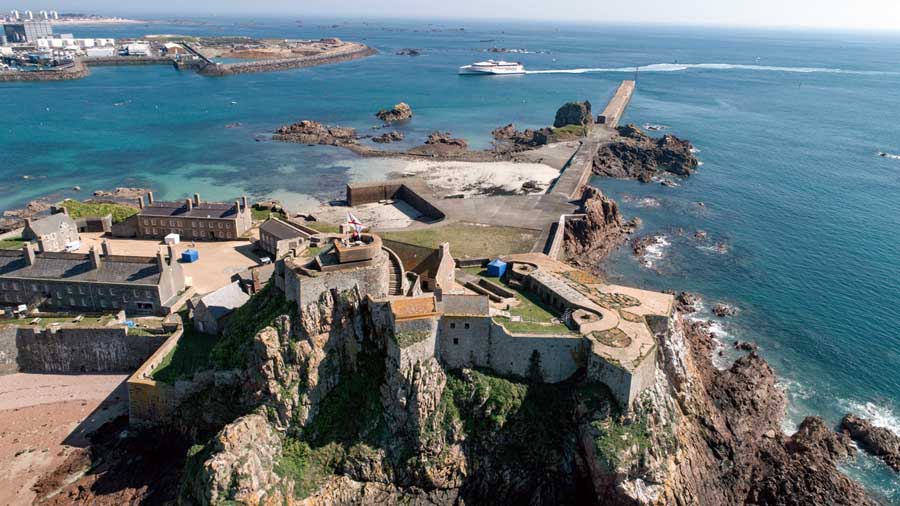
The battlements date back to the 1590s and were there when Sir Walter Raleigh was Governor of Jersey. The grounds gave refuge to King Charles II during the English Civil War and you can discover the hermitage where St Helier is thought to have lived around 550 A.D.
Another landmark not far from St Helier is the dramatic lighthouse of La Corbière. You can drive to it but why not cycle or walk the inland trail that begins at St. Aubin on the other side of the bay?
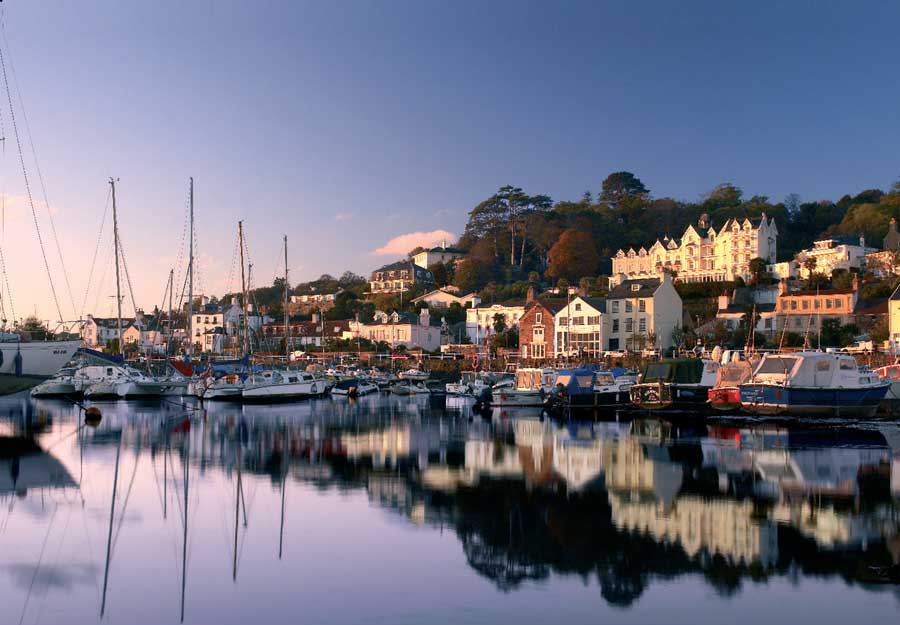
Follow the long-disused granite railway and climb through tree-lined valleys until you catch the first glimpse of St. Ouen’s Bay. The ancient lighthouse is on a tidal island, surrounded by dark rocks.
At low tide, you can walk the causeway, past rock pools and sandy beaches to discover a part of the island only revealed at low tide. Just make sure you know the tide times before you go.
Follow the Heritage Trails
There are several iconic landmarks worth a visit. If you plan to do more than one or two during your stay it’s worth investing in a Heritage Pass which will get you access to four sites for the price of three, including the tenth oldest building in the world.
La Hougue Bie is one of Europe’s finest grave sites, set in beautiful surroundings, with evidence of a Neolithic community 6,000 years ago. The small museum houses ancient treasures including coin hoards, axes, swords and spears.
Another site included in the Heritage Pass is Mont Orgueil Castle, a medieval fortress which has loomed over the beautiful fishing village of Gorey for over 800 years.
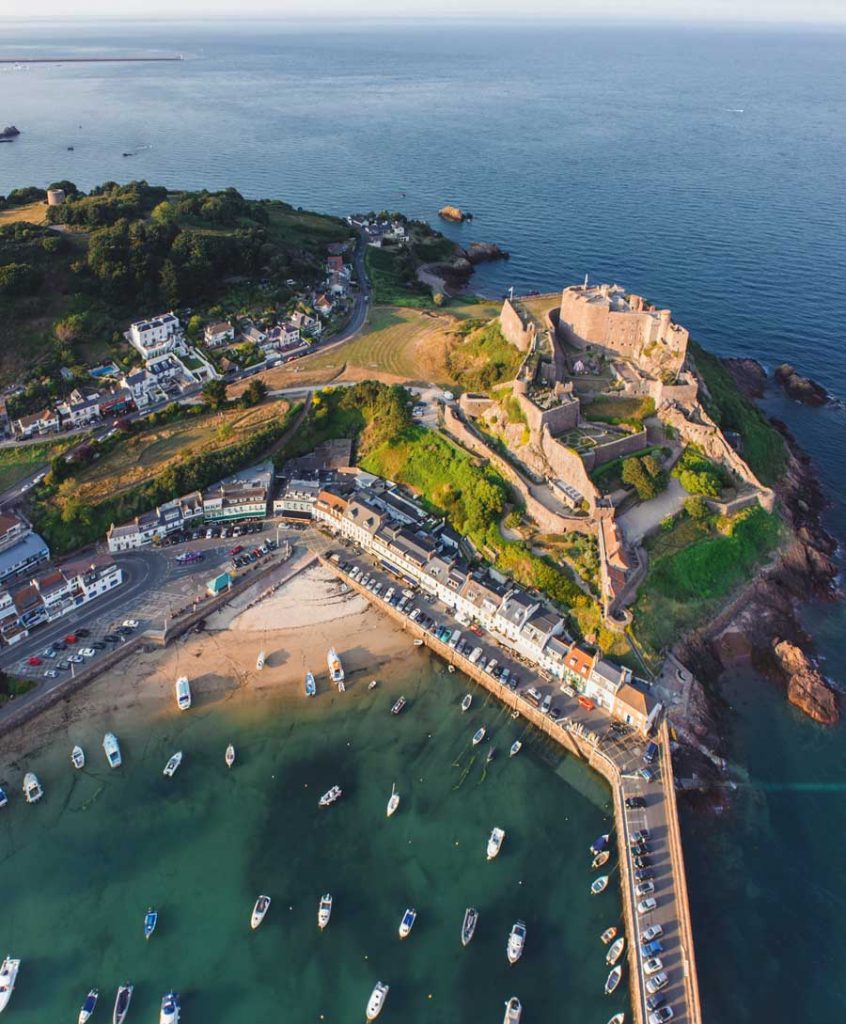
But much of Jersey’s fascinating history is visible for free. A stroll along any of the coastal paths will reveal fortifications and battle sites dating back to the 13th century.
Evidence of the five year long occupation of Jersey by German forces during World War II can be found in bunkers, batteries and fortifications.
And there are five downloadable self-guided Heritage Trails that will take you on a journey to discover the heroes, myths and legends that make Jersey unique.
• Self-guided Heritage Trails
Take to the sea
Boat trips and private charters make the most of Jersey’s stunning seascape. Seafaris include trips to the offshore islands of Les Écréhous and Les Minquiers and you may be lucky enough to spot dolphins and seals in the clear blue waters.
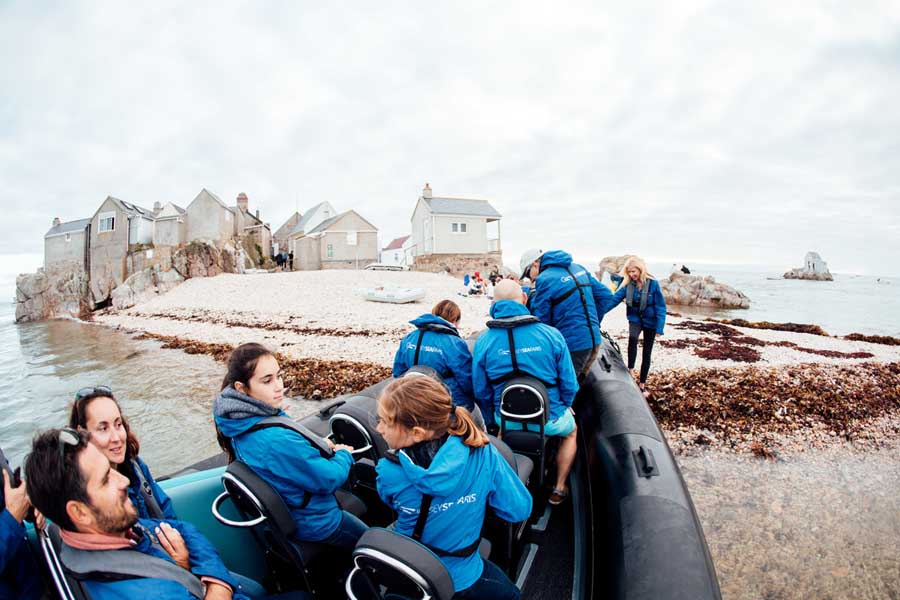
Kayaking will take you even closer to the island’s natural wonders including sea caves and dramatic cliffs for the more experienced and paddling in gentle bays for beginners.
Find your green space
So many natural wonders on Jersey.
Take a stroll down a winding clifftop path to discover The Devil’s Hole – a natural crater in the solid cliff that plunges 200 feet downwards.
Once named ‘Le Creux de Vis’ or Spiral Cave, it was rechristened in the 19th century, possibly as a result of the shipwreck of a French boat in 1851 whose figurehead was thrust by the tide straight into the hole.
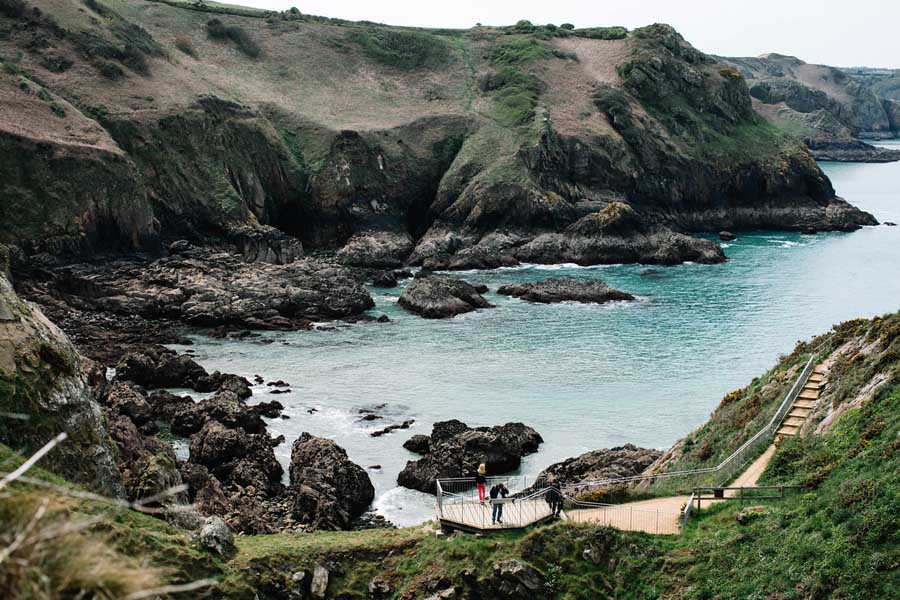
A local sculptor transformed the wooden torso into a devil, complete with horns. Today a metal replica stands in a pool on the way down to the crater – a warning or an invitation to explore?
Hamptonne Woods are peaceful and secluded with a tranquil stream running through the meadows. Dozens of woodland paths to explore and perfect picnic spots.
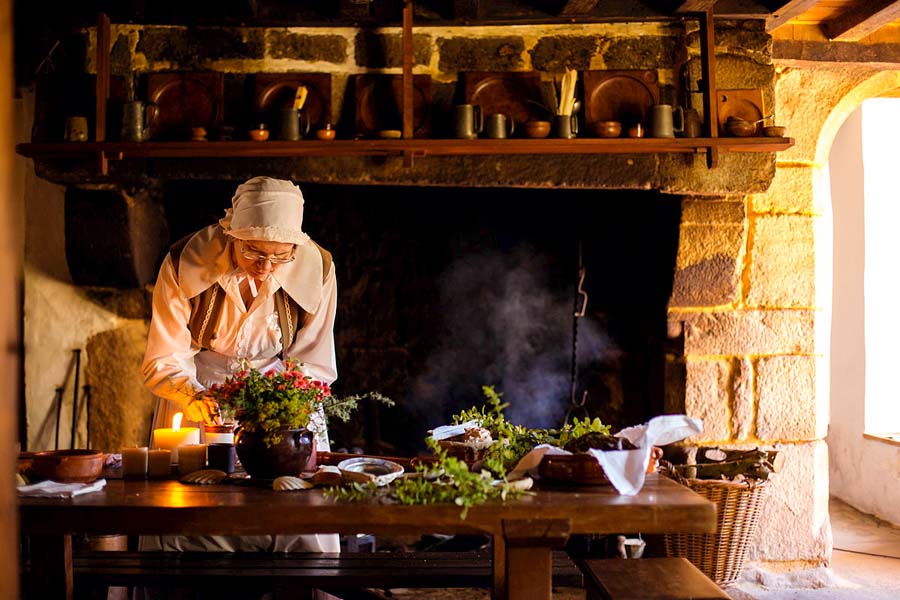
The Hamptonne Country Life Museum gives an insight into the rural life of Jersey in times past and families will love meeting the Hamptonne calves, chickens and piglets in the traditional farmstead.
For those who prefer their scenery a little more rugged Mourier Valley is an unspoilt wooded area with a bubbling stream. In times past this powered mills but today it tumbles freely down to a reservoir and a small waterfall.
From the surrounding grassy slopes you get stunning coastal views and on a clear day you can even make out the neighbouring islands of Guernsey and Sark.
And for nature tamed and tranquil try the Botanic Gardens. Originally designed in the 1920s by Sir James Knott, it’s privately owned by Seigneur de Samarès, Vincent Obbard. There’s plenty of variety in the Manor grounds including a herb garden and Japanese garden. Families are welcome with a dedicated children’s play area.
Visit the world famous Jersey Zoo
Animal lovers will undoubtedly know of the conservation work of Gerald Durrell, celebrated author and naturalist. Today the zoo carries on his mission to save endangered species from extinction.
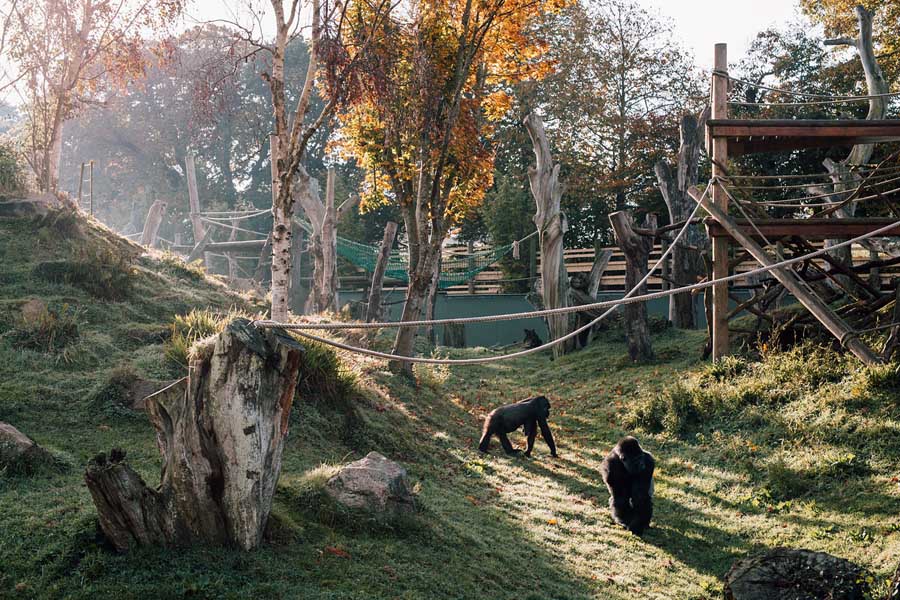
In summer, the zoo’s lush valleys and stunning woodlands are in bloom, giving a gorgeous backdrop to the animal antics. In winter some of the shyer animals come out to roam free around the site. Whatever time of year you’ll get an opportunity to glimpse some of the rarest species on our planet.
Take a taste of Jersey
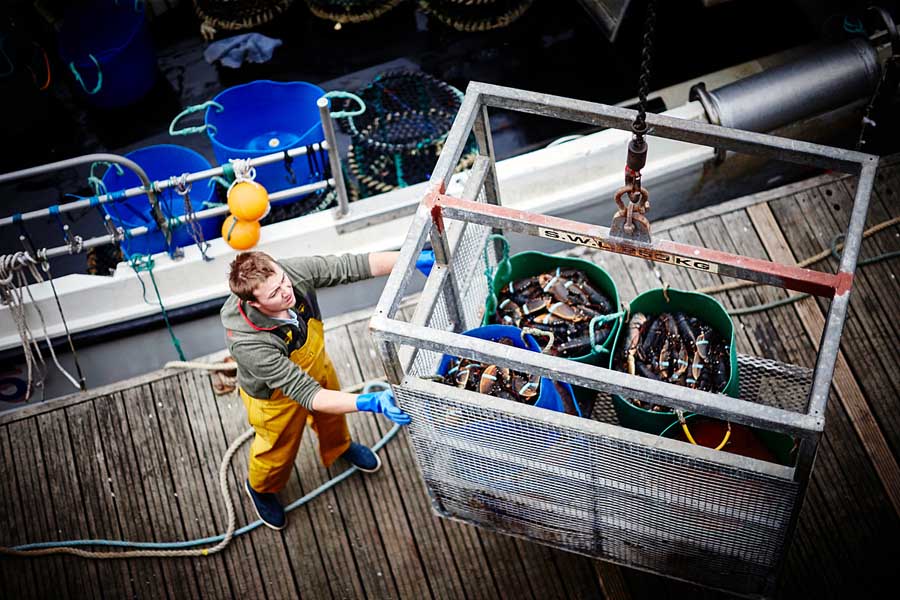
Not surprisingly with its mild climate, lush grasslands and clear seas Jersey is the land of plenty, famous for the best ingredients.
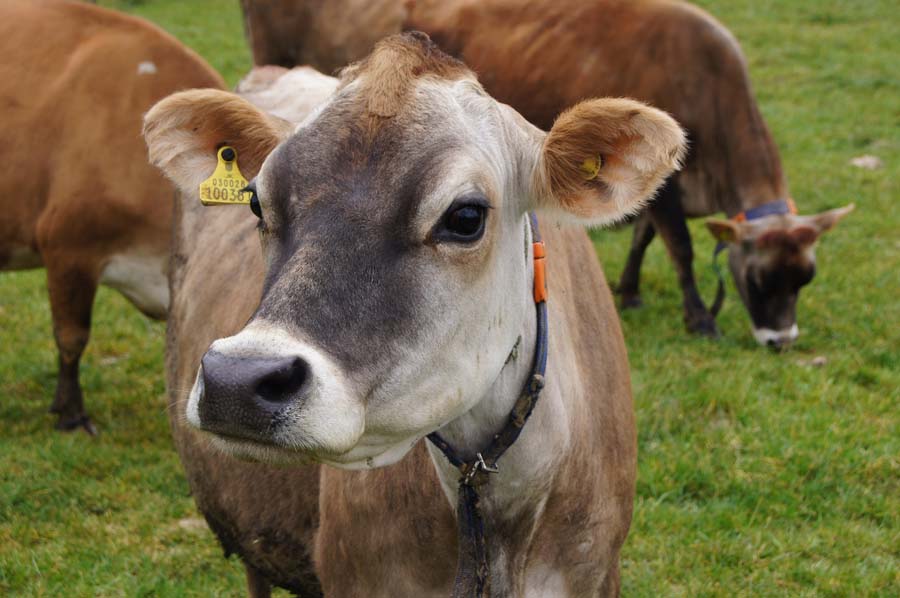
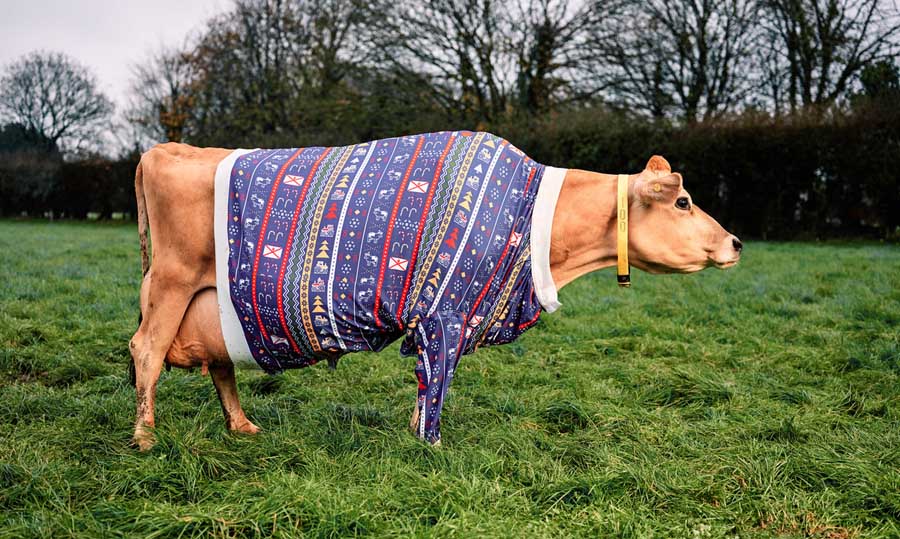
Those pretty cows give a particularly creamy milk, perfect for ice cream.
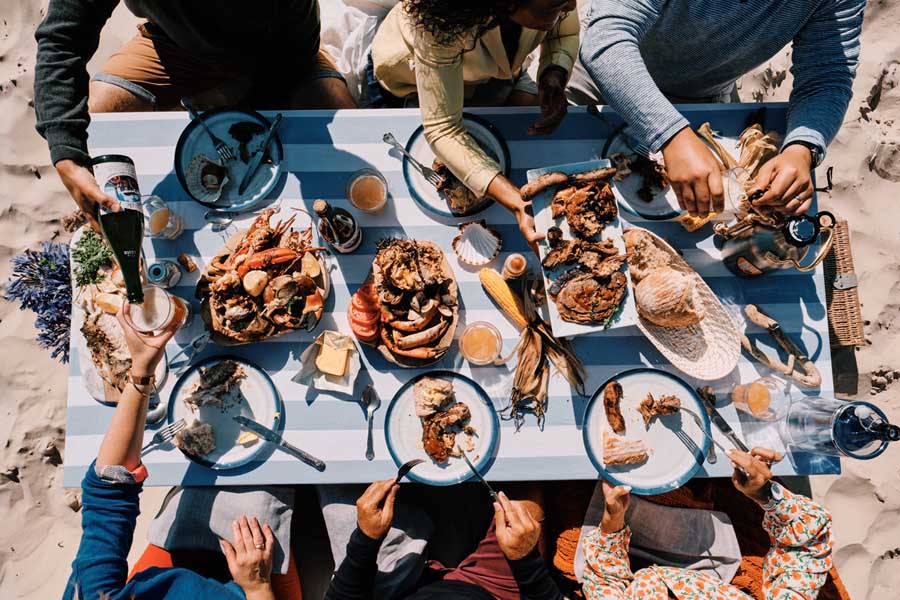
Jersey’s a place where ‘eat local’ is not a trendy fad, but a way of life. The island offers the ultimate in slow food and low food miles. In fact wherever and whatever you choose to eat you’ll probably be able to pinpoint the actual farm or fishing team who produced what’s on your plate.
And the ethos spreads further than the green fields and deep blue seas. Fudge makers, bakers, brewers and wine-makers abound, more than willing to share their expertise with you.
Lobster and oysters are amongst some of the best in the world and don’t forget the humble potato – Jersey Royals with a knob of butter. Simple pleasures.
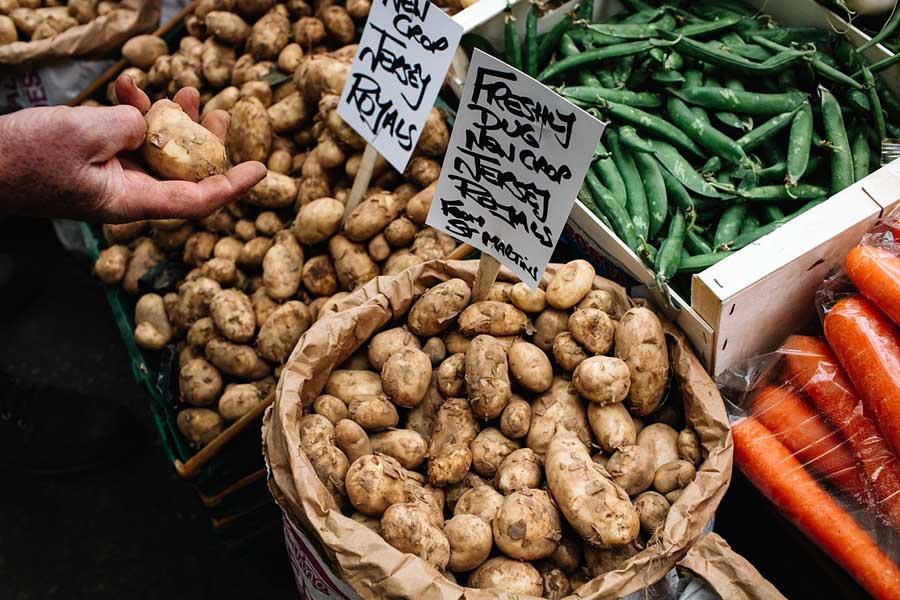
If you want fine dining Jersey will deliver and don’t forget to try out one of the many cider and wine-making tours.
Jersey’s black butter
And the most unique and unsual Jersey delicacy? It has to be nièr beurre, or black butter – a regional speciality that’s been around for more than a hundred years.
It’s made by boiling apples in cider until they become a sweet, spreadable goo. Liquorice and spices are then added to give it an extra kick.
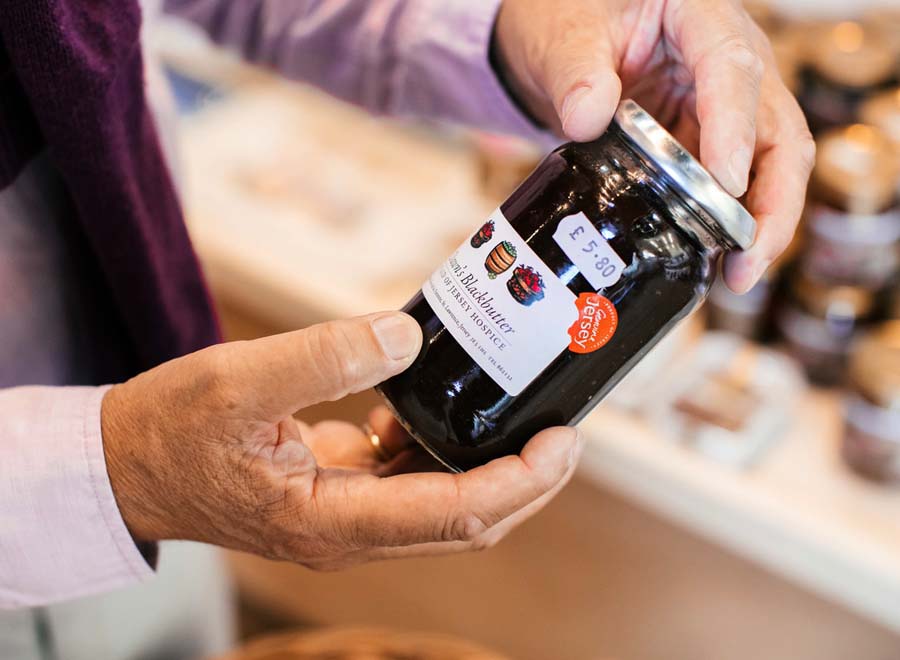
The final concoction is poured into jars, kept to eat for the rest of the year, given as gifts, or sold in local markets and cultural festivals.
Black butter is just one of the many apple-based specialities on the island. You can also sample traditional apple dumplings and apple brandy, which makes autumn the perfect time for a trip.
Jazzy jumpers
Oh and those jumpers?
You don’t hear it said so much nowadays, because the use of ‘jersey’ to mean a sports top is so prevalent. But when Pork Belly and I were young we were always being told to ‘pull on a jersey’ meaning any item of knitted clothing, usually woollen, worn as a pullover.
Technically for it to be a ‘jersey’ it is close-fitting and machine knitted, unlike the ‘guernsey’ which is usually hand-knitted with thicker yarn.
So now you know.
Pull on a jersey and hop over to Jersey.
For more information on Jersey’s island life, see the Visit Jersey website
• Visit Jersey
Feature photo © Mike Beales
Where next?
• 7 best summer beaches UK
• Legends of Languedoc
• Island Life – Orkney