
Honey has symbolised sweetness, fertility and desire for thousands of years and with Valentine’s Day just around the corner, what better way to seal your love than sipping sweet honey mead together.

Before wine had vineyards and beer had barley fields, humans had already stumbled upon a far simpler plan. Find honey. Add water. Walk away. Return to discover it has fermented itself into alcohol.
Often described as the oldest alcoholic drink in the world, mead predates organised agriculture and written history. It appears independently across continents, not because of cultural exchange, but because bees are everywhere and humans are naturally curious, impatient and thirsty. Where honey existed, mead soon followed, usually accompanied by stories, rituals and, probably, at least one regrettable decision!
Today, mead is enjoying a revival thanks to craft brewing, LARP, historical re-enactment and a renewed interest in ancient foods. To understand why it still fascinates us, it helps to look at where it came from and how closely it has always been tied to festivals, myth and celebration.
Mead Before Civilisation
Archaeological evidence suggests that fermented honey drinks were being made as early as 7000 BCE. Residue analysis from pottery found at Jiahu in modern-day China shows a mixed fermented beverage made from honey, rice and fruit. While not a pure mead by modern definitions, it demonstrates that honey fermentation was understood long before vineyards or breweries existed.
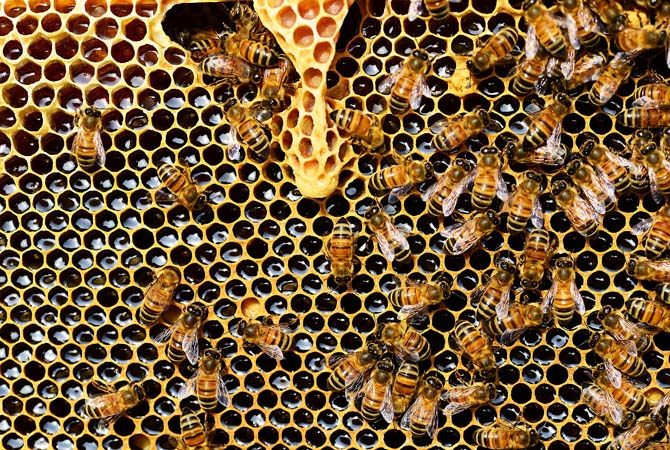
This is one of the reasons mead appears across so many ancient cultures. Unlike beer or wine, mead requires no crops. Honey naturally ferments when diluted with water and exposed to wild yeast. For early societies, mead was not invented so much as discovered.
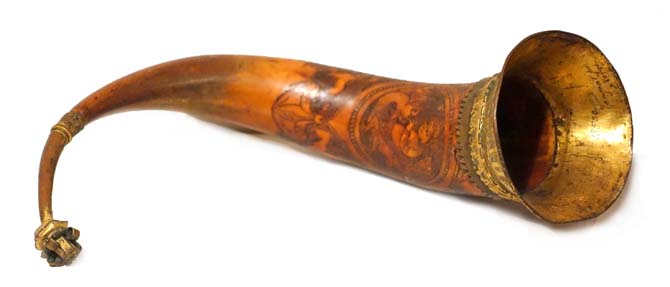
Ancient Greeks referred to mead as oinomeli, meaning honey wine. Roman writers mention mead both as a drink and as a medicinal preparation, often spiced with herbs. Across northern Europe, mead became a staple of feasting culture, particularly among Germanic, Celtic and Norse societies.
In Ethiopia, honey wine known as tej has been consumed for centuries and remains part of religious festivals and weddings today. Its continued use is a reminder that mead is not merely a historical curiosity, but a living tradition.
Mead in Myth and Legend
If history tells us when people drank mead, mythology tells us why they thought it mattered.
In Norse mythology, the Mead of Poetry is one of the most famous mythical beverages in European tradition. Created from the blood of Kvasir, a being born from the combined wisdom of the gods, and mixed with honey, this mead granted wisdom, eloquence and poetic skill to anyone who drank it. Odin eventually stole it through a series of disguises, seductions and an escape involving turning into an eagle. Some of the mead was spilled during his flight, conveniently accounting for bad poets everywhere.
For the Celts, mead was closely associated with kingship and legitimacy. In Irish myth, sovereignty is often symbolised by a woman who offers mead to the rightful king. Accepting the drink signifies harmony between ruler and land. Refusal or misuse leads to disaster, usually followed by exile, famine or both.
Greek mythology places honey drinks in the Golden Age, a time when humans lived closer to the gods and before civilisation complicated everything.
In Hindu tradition, sacred honey drinks known as madhu appear in the Rigveda and are associated with immortality, sweetness and cosmic order.
Across cultures, mead consistently appears as more than alcohol. It is divine, symbolic and powerful. It transforms sweetness into inspiration.
Festivals, Feasts and Sacred Hangovers
Mead’s natural home has always been the festival.
In Viking Age Scandinavia, the mead hall was the centre of social life. Feasts known as blóts combined sacrifice, storytelling and prodigious drinking. Ritual toasts, or sumbel, followed a strict order. First to the gods, then to ancestors, and finally to personal oaths. Promises made over mead were considered binding. Breaking them was believed to bring divine punishment, which may explain why people were very careful about what they promised after the third cup.
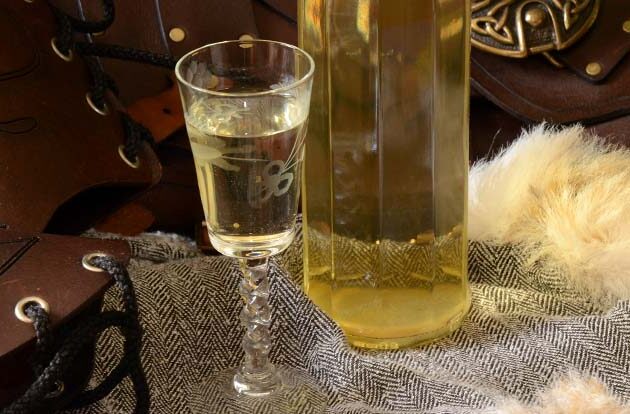
In medieval Europe, mead featured prominently in harvest festivals, weddings and religious celebrations. The term honeymoon is widely thought to originate from the practice of newlyweds drinking mead for a full lunar month to promote fertility. Whether it worked is unclear, but it certainly set expectations.
Modern mead festivals continue this tradition, often blending historical re-enactment, mythology and craft brewing. Viking aesthetics, medieval costumes and enthusiastic toasting remain common, proving that very little has changed.
The Curious Decline of Mead
Given its long history, mead’s disappearance from mainstream European drinking culture seems puzzling. The reasons, however, are practical rather than cultural.
Deforestation reduced wild bee populations. Grain became cheaper and more reliable. Beer and wine were easier to standardise, produce at scale and tax. Mead, dependent on honey, became expensive and inconsistent. By the early modern period, it was increasingly associated with rural traditions and the distant past.
Mead did not fall out of favour because people stopped enjoying it. It fell victim to economics.
The Modern Mead Revival
Today, mead is experiencing a resurgence driven by craft producers, historical interest and a broader fascination with fermentation. Modern mead comes in countless styles, from dry and wine-like to sweet, spiced and fruit-focused. Festivals featuring mead now attract enthusiasts eager to reconnect with one of humanity’s oldest drinks.
This revival is not just about novelty. It reflects a deeper interest in ancient foods, sustainability and the stories we tell about what we drink.
Mead has always been more than alcohol. It is transformation made liquid. Honey becomes poetry. Festivals become memory. Oaths become legend.
And perhaps that is why, thousands of years later, we are still raising a glass to it.
Whatever the reason, mead remains a drink of legends and folktales, and you can even try this recipe to make it yourself.
Some images reproduced under Creative Commons licence
If you’ve enjoyed browsing our website, learned something new, or just had a smile because of what we do – we’d love your support to keep the good stuff brewing!
Where to next?
• Holiday and Travel Competitions
• Discounts and travel deals
• Grounds for Sculpture