
One of the joys of driving around Britain is discovering places with names that make you smile. Don’t you just want to visit Nether Wallop, the Witterings (East or West) or the delightful Piddlehinton?
On the long, boring car journeys of my youth (in pre-motorway times when it took aeons to get anywhere!) my father would challenge my brother and I to come up with funny meanings for the names of towns and villages we passed through.
Whatever we thought of, our Dad could always go one better.
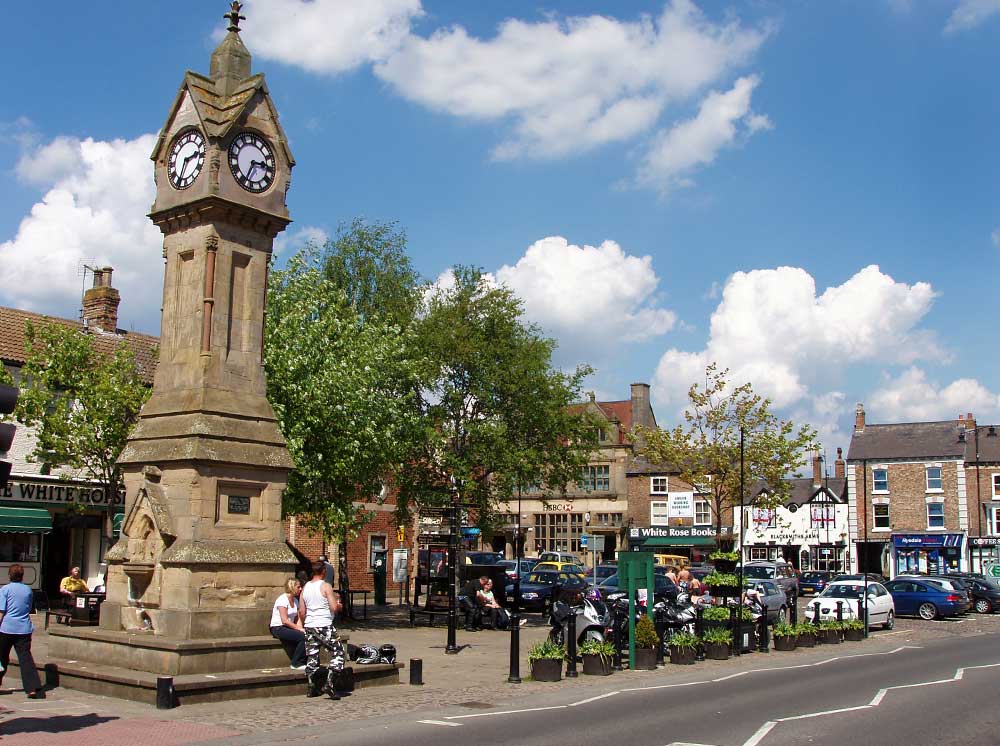
It was only as an adult that I realised he’d simply memorised the work of humourist Paul Jennings, who’d produced a list in the late 1950s of funny placename meanings. Thirsk was a desire for vodka, Beccles, a strange ailment of sheep and Wembley meant a general feeling of malaise, as in ‘I feel a bit Wembley today, do I have to go to school?’
Then there were the ones my brother and I kept to ourselves. The ones that made us snigger behind our hands, giggling in the back seat. Because. They. Were. So. Rude.
The older we got, the further we travelled, the more rude placenames we found.
Fast-forward many years and I admit they still raise a smile.
19 rude placenames in the UK
Titty Hill, Sussex
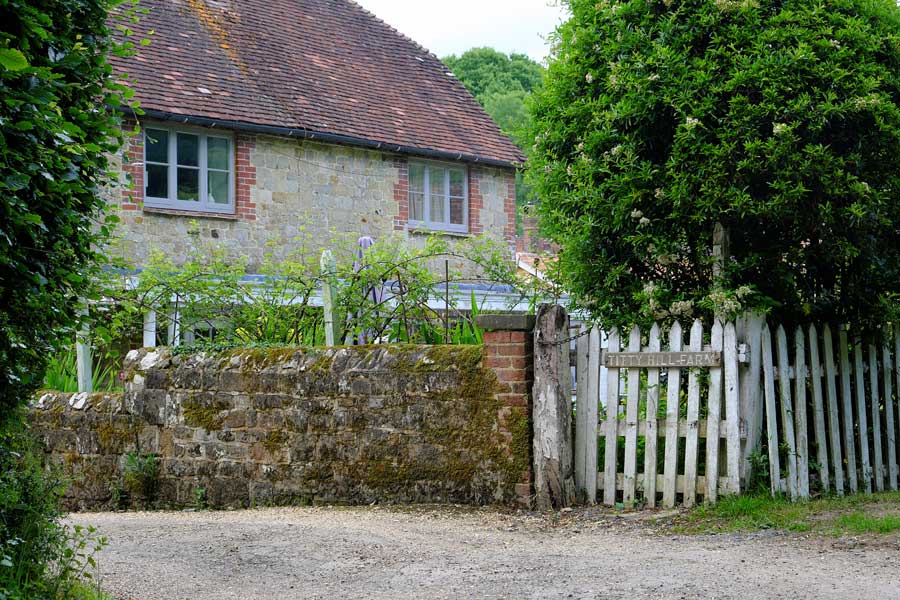
This is a tiny hamlet in the South Downs National Park, a few miles north of Chichester.
It’s on the route of the 65-mile-long Serpent Trail, which winds its way from Haslemere in Surrey all the way to Petersfield in Hampshire. A few paces down the trail from Titty Hill, there’s a magnificent, centuries-old oak tree.
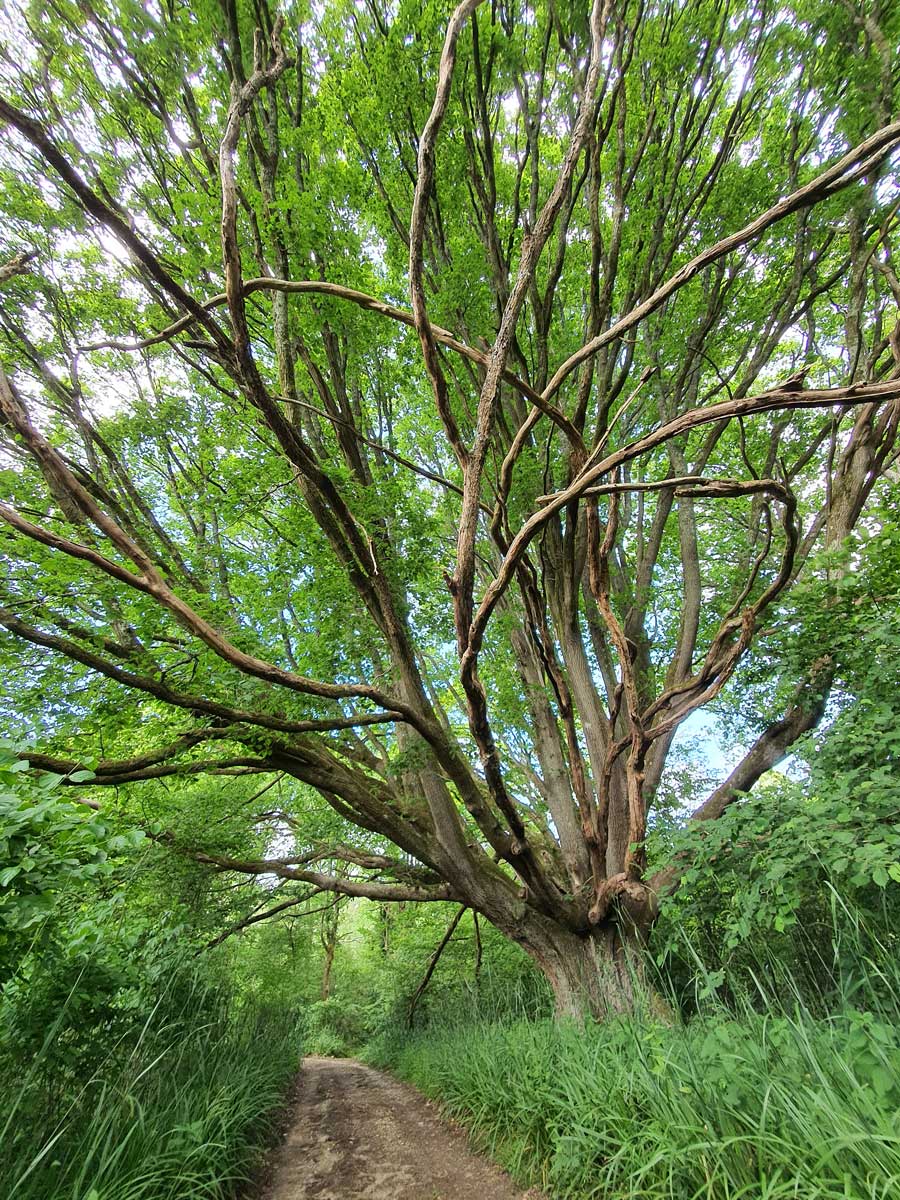
The reason for its name is hidden in the mists of time.
Crapstone, Devon
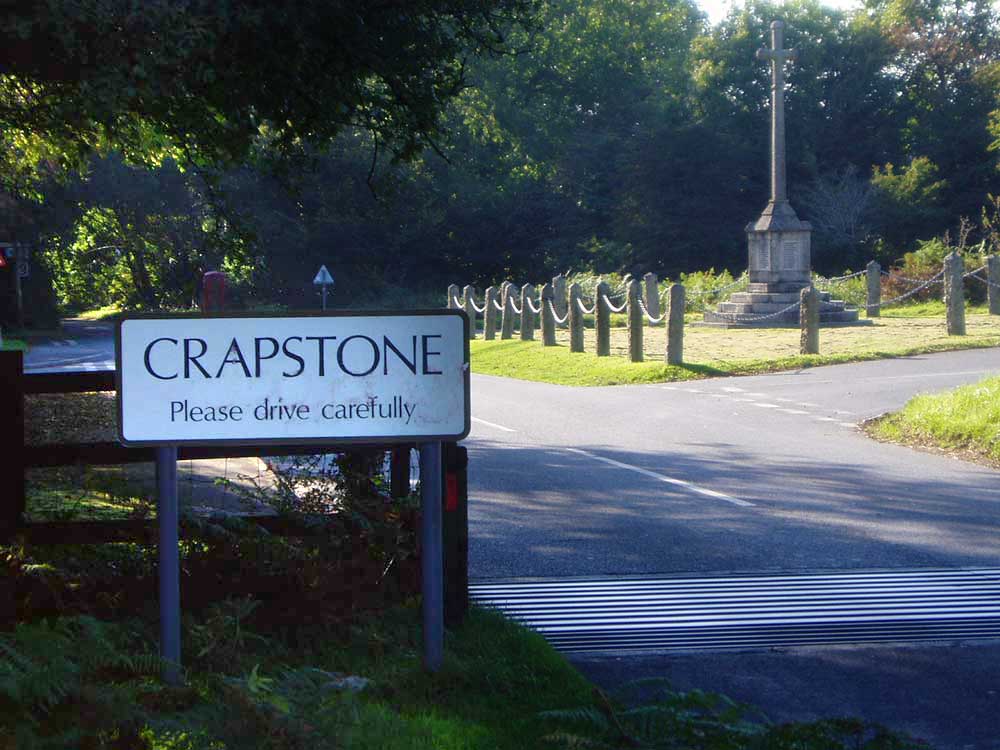
Situated on the edge of Dartmoor, the village is named after a wealthy family who once lived there.
Other notable residents at various times have included writer Christopher Hitchens, singer Michael Ball and children’s author Emma Smith.
Brown Willy, Cornwall
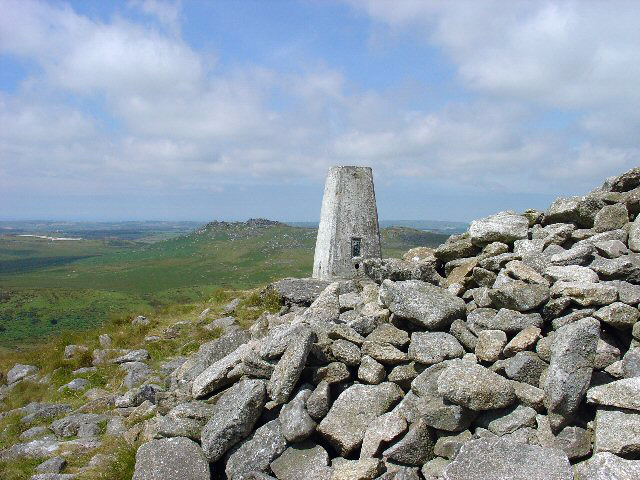
Brown Willy is not as big as some people expect – it’s just a small hill, but it is the highest point on Bodmin Moor, standing proudly at 420 metres above sea level.
Its name comes from the old Cornish phrase meaning ‘hill of swallows’ and looks different, depending on the angle of your approach. There’ve been several attempts to change its name to the original Cornish Bronn Wennili, but campaigners say ‘hands off our Willy’!
Cocks, Cornwall
The residents of this tiny hamlet near Perranporth have heard all the jokes, and have to put up with visitors regularly stealing the sign, but they’re pretty laid back about it.
Lots of suggestions that the name is really a derivation of Cox as in the apples, or Cook for someone who used to live there, but Cocks is what it says on the map.
Fingringhoe, Essex
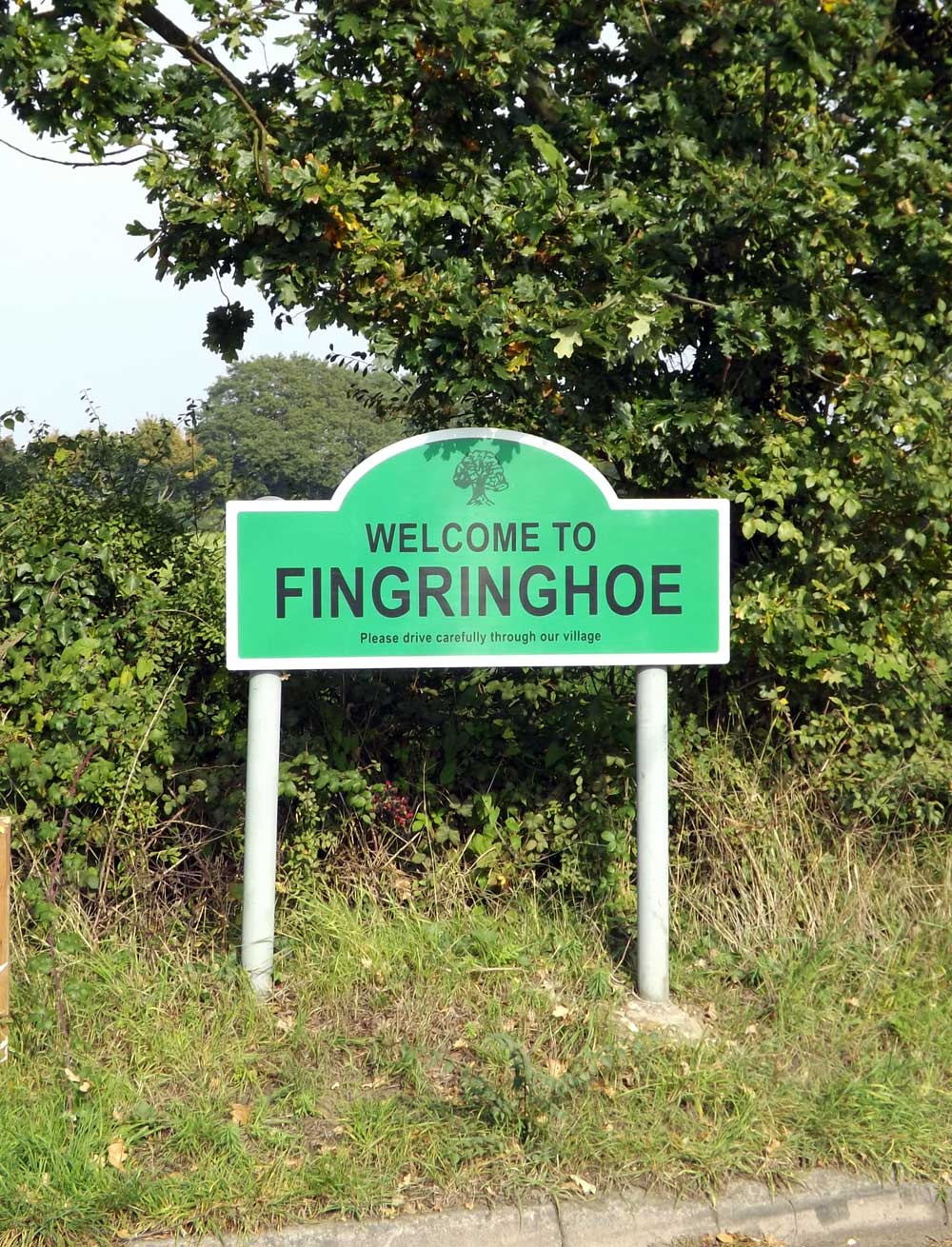
Very snigger-worthy, but actually a historic village just south of Colchester.
It has a traditional pond and an old red telephone box, all part of its conservation status.
Nearby you’ll find Essex Wildlife Trust Fingringhoe Wick Visitor Centre, a 200 acre nature reserve on the banks of the River Colne, where you can enjoy views over the Geedon salt-marsh.
Sandy Balls, Hampshire
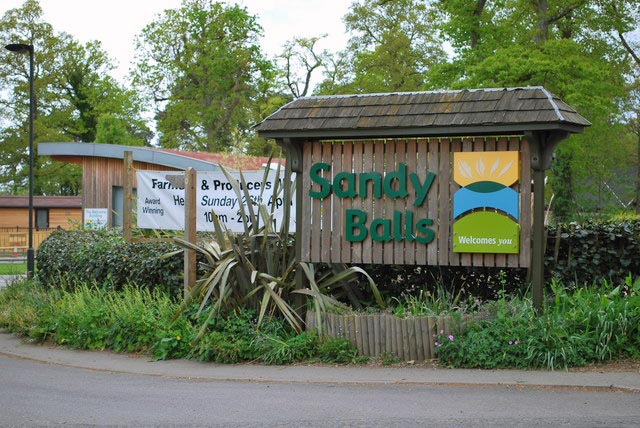
120 acres of wood and parkland on the edge of the New Forest, home to a popular holiday centre, and even if the name suggests it, it’s nowhere near a beach.
The name dates back to the reign of King Henry VII, when ‘sandyballas’ – domed sand and gravel outcrops – were first mapped as valuable resources.
Thong, Gravesend, Kent
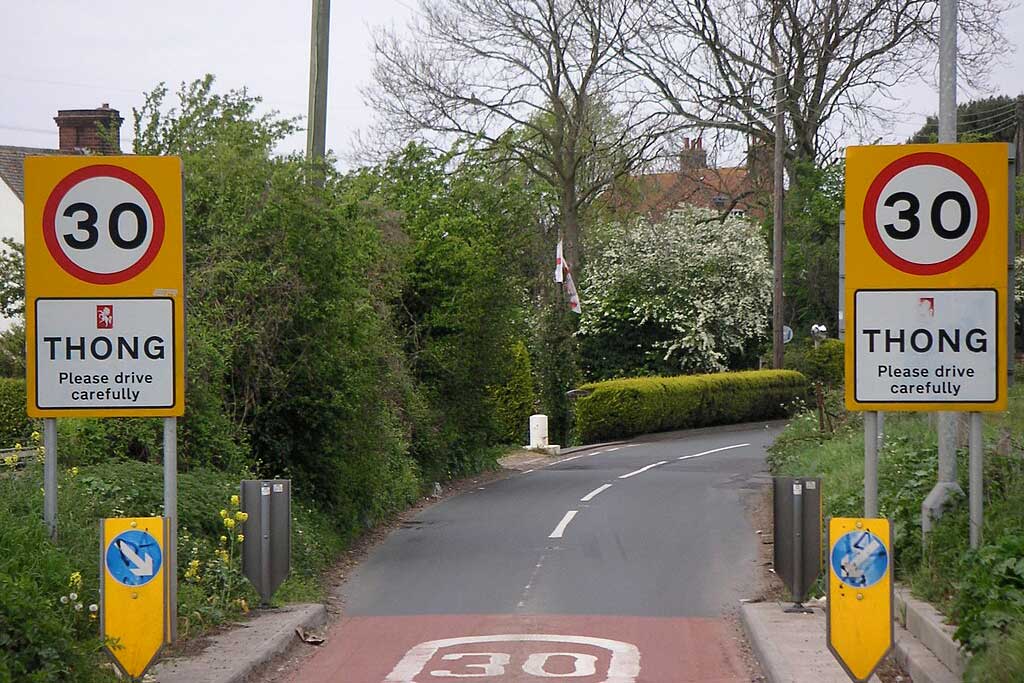
There’s not a lot to say about Thong, because, like its namesake, it’s very small! A tiny hamlet near Gravesend, it’s home to around 500 people.
Sluts Hole Lane, Besthorpe in Norfolk
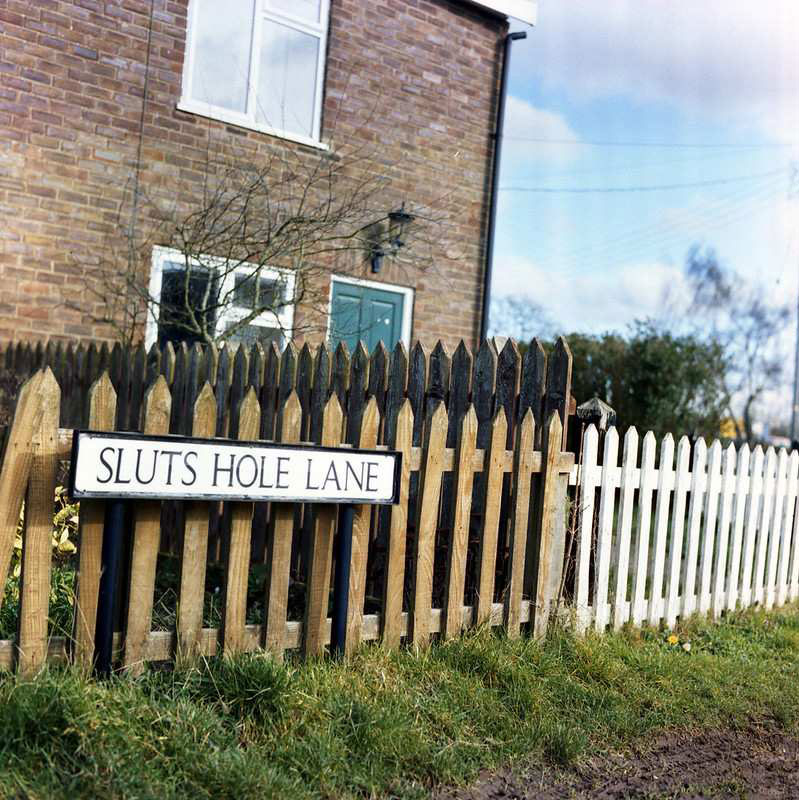
Another one locals have tried to change, and with some reason. It was originally known as Slutch Hole Lane, from an archaic term for mud, but a census taker misheard it and the rest, as they say, is local history.
Sluts, or mud, it still makes our list!
Bell End, Worcestershire
Just north of Bromsgrove, Bell End is one of a string of pretty little villages on the road to Stourbridge.
How it got the name is uncertain, but there is a Bell Hall there, a Gothic mansion built for the High Sheriff of the county in 1847.
Penistone, South Yorkshire
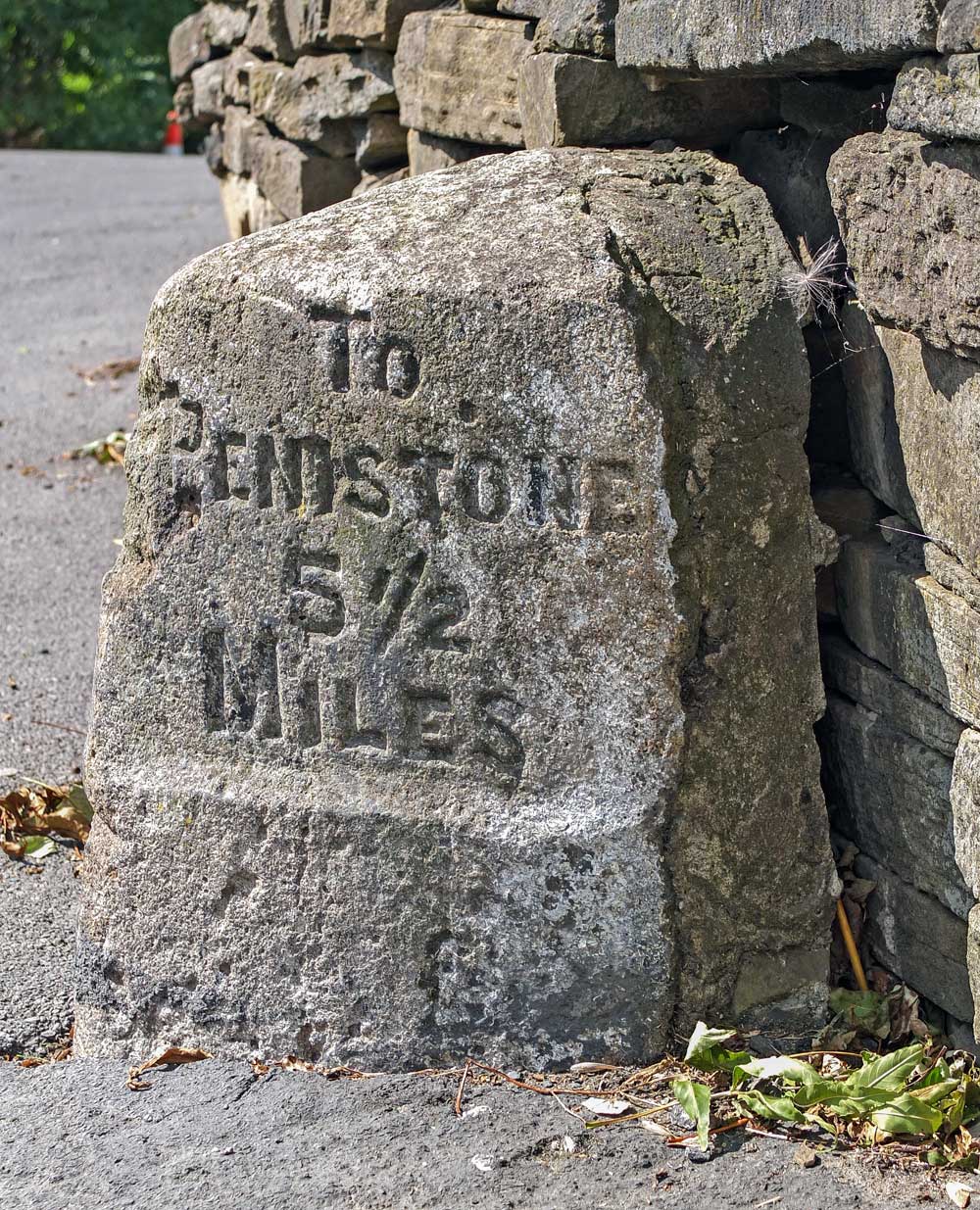
It sounds like a really painful condition, although it’s not pronounced that way. Penistone comes from the old British word ‘penn’, meaning a high point.
It’s a beautiful market town set amongst the wild Yorkshire moors, famous for its rugged breed of sheep, the Whitefaced Woodland.
Cockermouth, Cumbria
A market town with an 800-year history, not far from the beautiful Lake District, and once home to the poet Wordsworth.
It got its name because it sits at the point where the River Cocker flows into the Derwent.
And then there are all the Bottoms
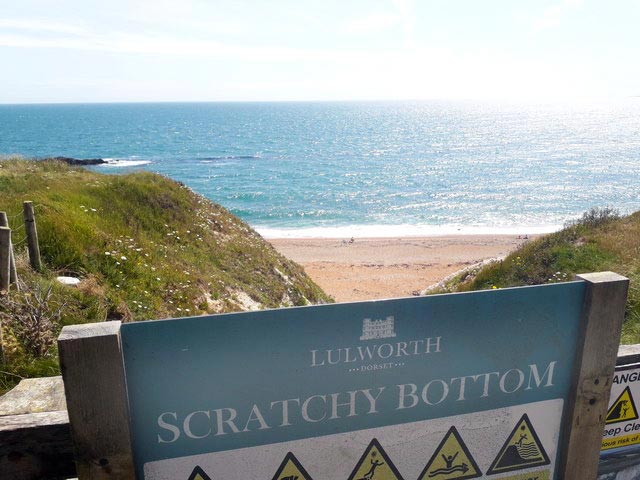
In geographic terms, a ‘bottom’ simply means a valley or hollow, but its use does give rise to some crackers.
Bedlam Bottom in Hampshire
Broadbottom in Tameside
Boggy Bottom, Hertfordshire
Pratt’s Bottom, near Orpington in Kent
Scratchy Bottom and Happy Bottom, both in Dorset
Jolly’s Bottom in Cornwall
And the worryingly named Loose Bottom, which is a valley in the South Downs between Brighton and Lewes.
And for the very last trump, head for Brokenwind in Aberdeenshire
It’s a tiny hamlet, near the village of Newmachar. Blink and you’ll miss it.
The name was likely to have originally been Brokenwynd – ‘wynd’ being a Scots word for a narrow, curving path or lane.
So have you spotted a rude placename on your travels around the UK?
Or do you like to make up alternative meanings for places?
Share your thoughts in the comments below.
Where to next?
• Great British placenames – bizarre to dirty
• Travel the world without leaving the UK
• Fun and unusual places to stay