
A garden in winter is a revelation.
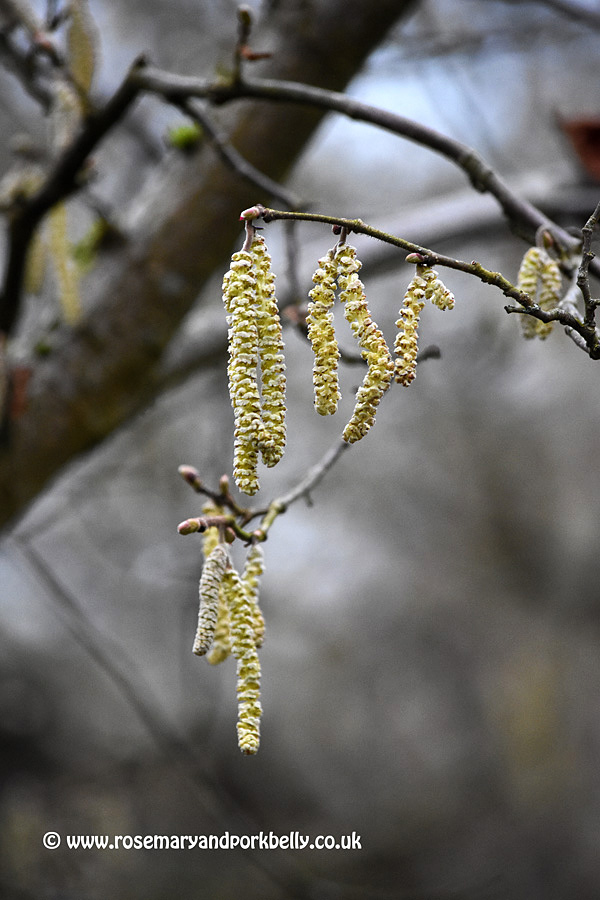
With no disguise of blossom or leaf, skeletal trees reveal the bare bones of beauty – branch, bark and bud – waiting for the light kiss of spring to awaken them.
And West Dean Gardens is no exception.
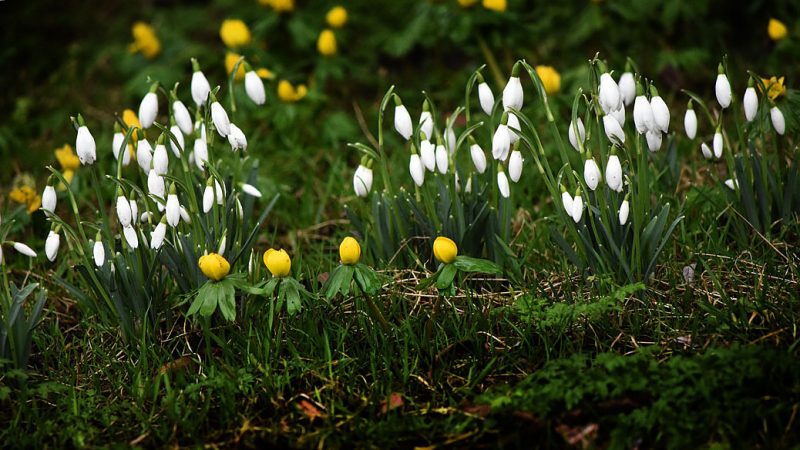
The bitter-tang of evergreen fills the cold, crisp air, and everywhere are signs of hope.
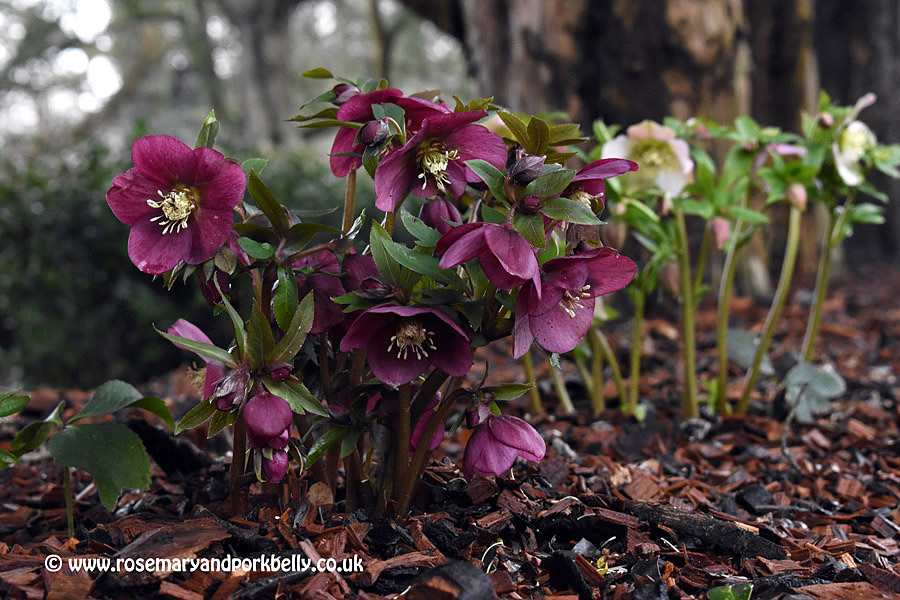
Sticky buds of horse-chestnut, hardy hellebores and tiny shoots of greenery heralding what will soon be a riot of yellow laburnum.
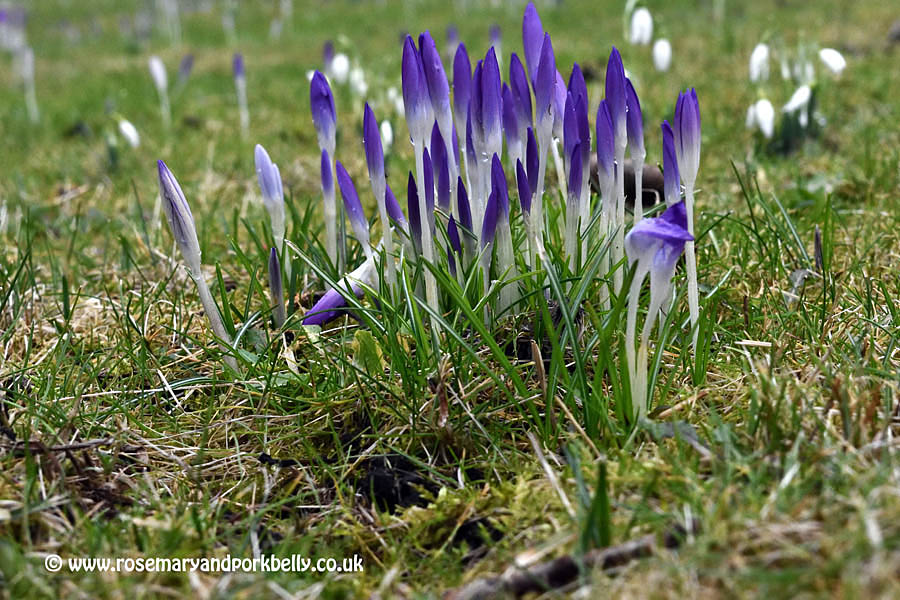
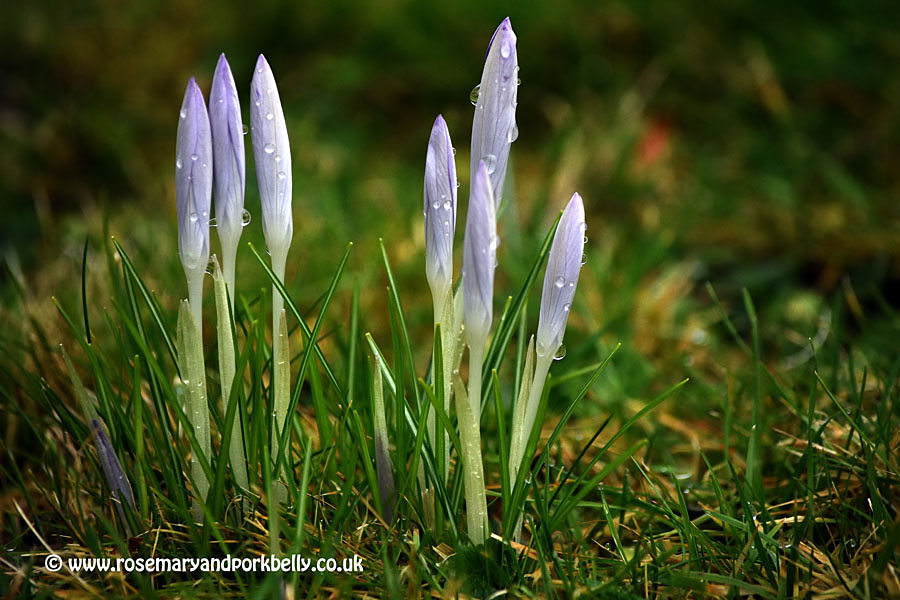
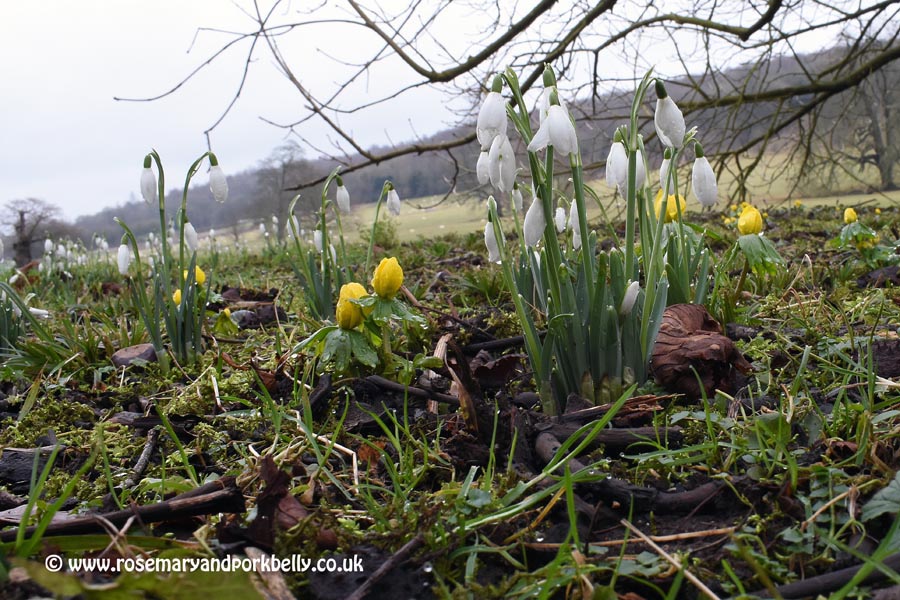
The ramrod-straight spears of crocus fill grassy banks before warmth induces them to open, and a thousand trampling feet crush them forever. Bright yellow aconites slowly unfurl their petals.
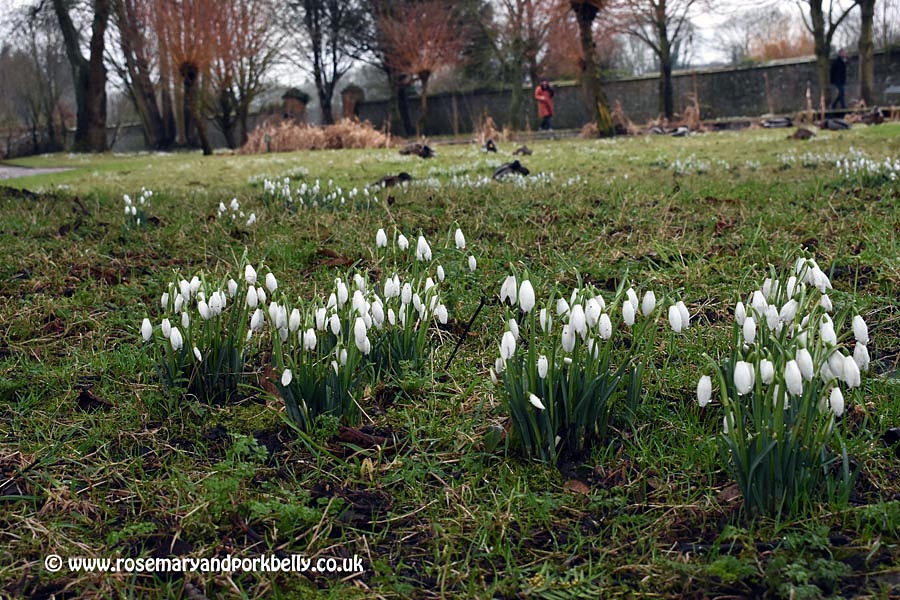
And of course, most welcome of all in these early spring days, is the snowdrop, bursting through mossy banks, muddy lawns and sprawling tree roots.
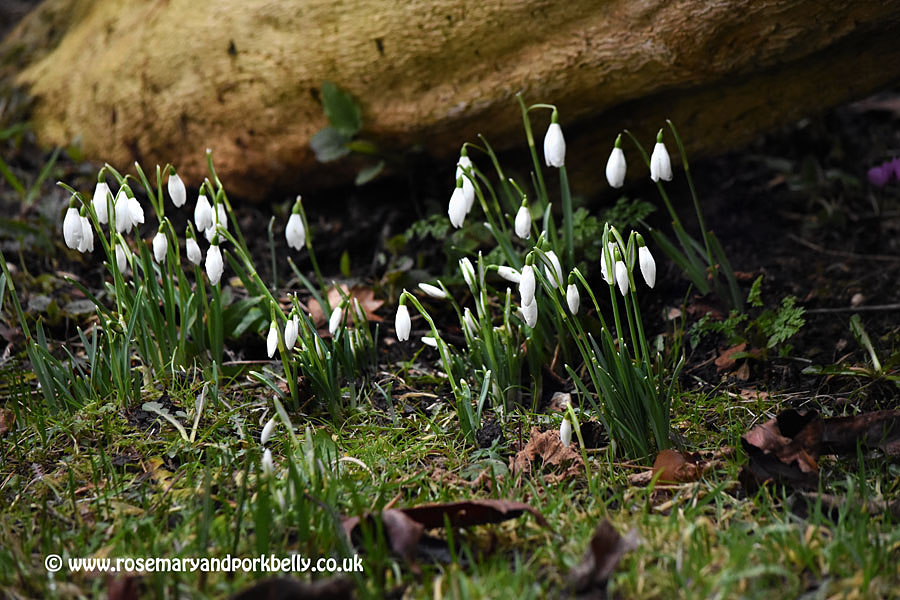
West Dean Gardens, just north of Chichester, is a great place to explore one of the National Garden Scheme’s earliest snowdrop trails.
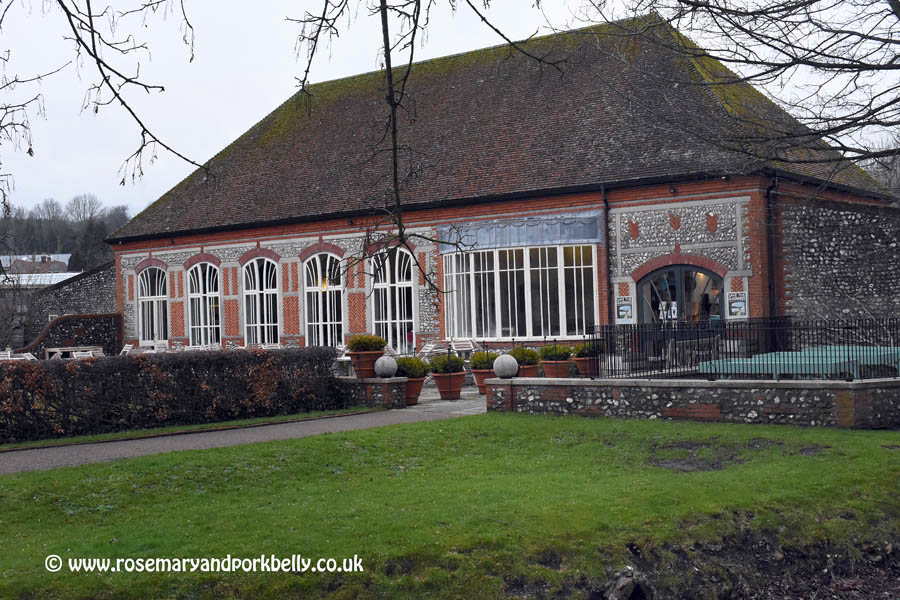
We’re not the only ones, but the cold dissuades all but the most hardy. Leaving behind the shop and restaurant, all is peaceful and silence presses on the ears – weighty but soft.
History of West Dean Gardens
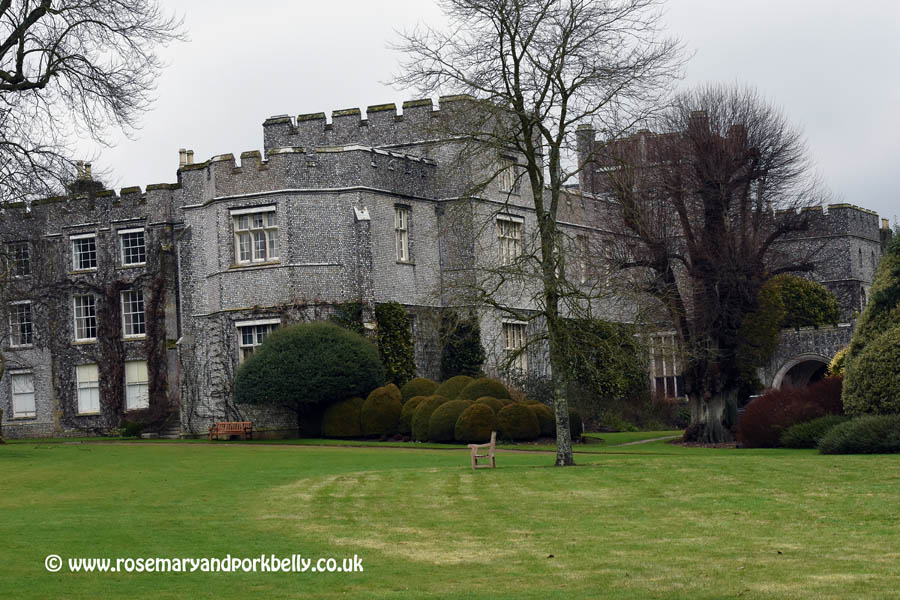
West Dean’s award-winning gardens are the work of Jim Buckland and Sarah Wain, who together took on the run-down estate in 1991.
They have spent years rejuvenating the 100 acres of formal gardens and rolling parkland.
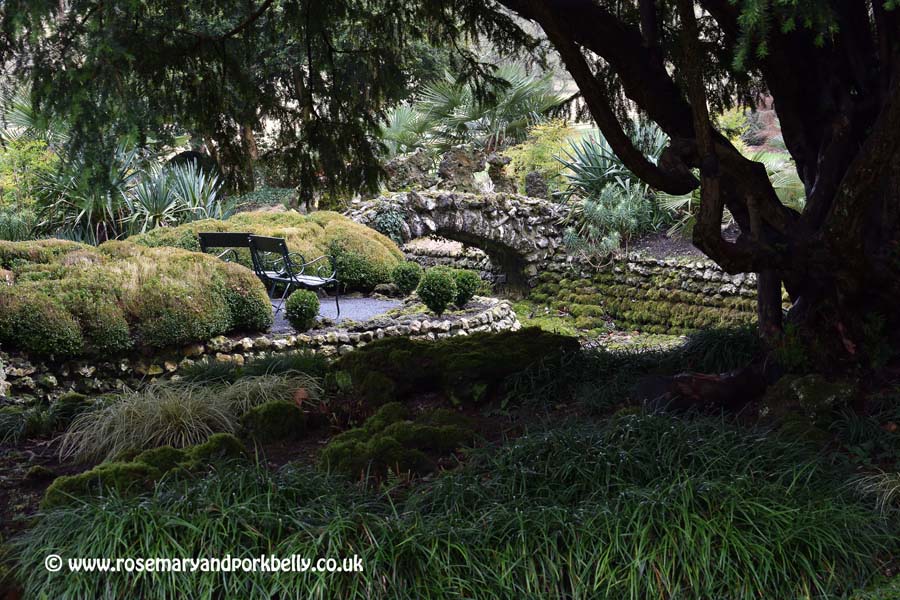
The spring garden is an enchanting mix of evergreen and early flowers with delightful summer houses, surreal fibreglass trees and tiny bridges over the winterbourne.
Sadly, the watercourse was dry when we visited, but when the nearby River Lavant overflows it rapidly fills.
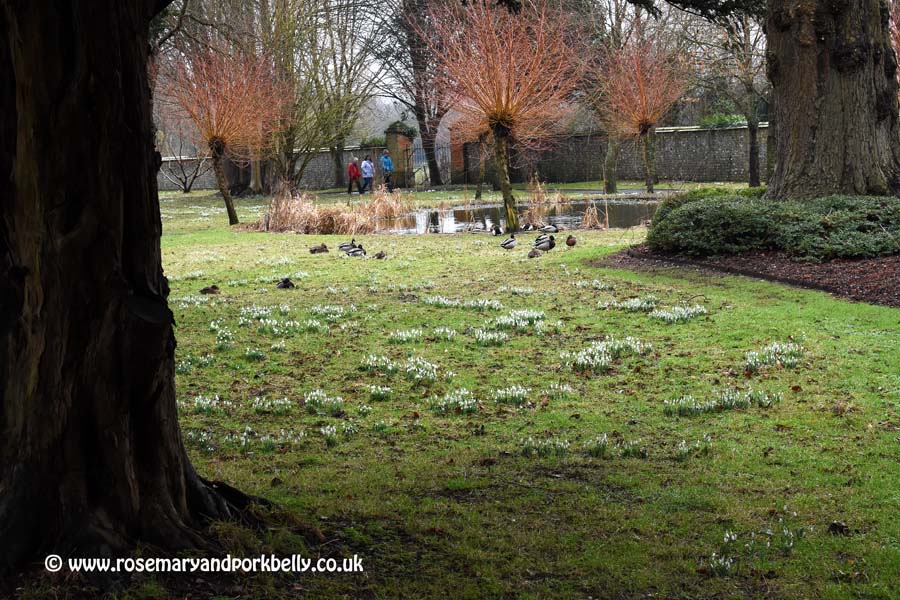
The pond, however, is always full and surrounded by delightful ducks.
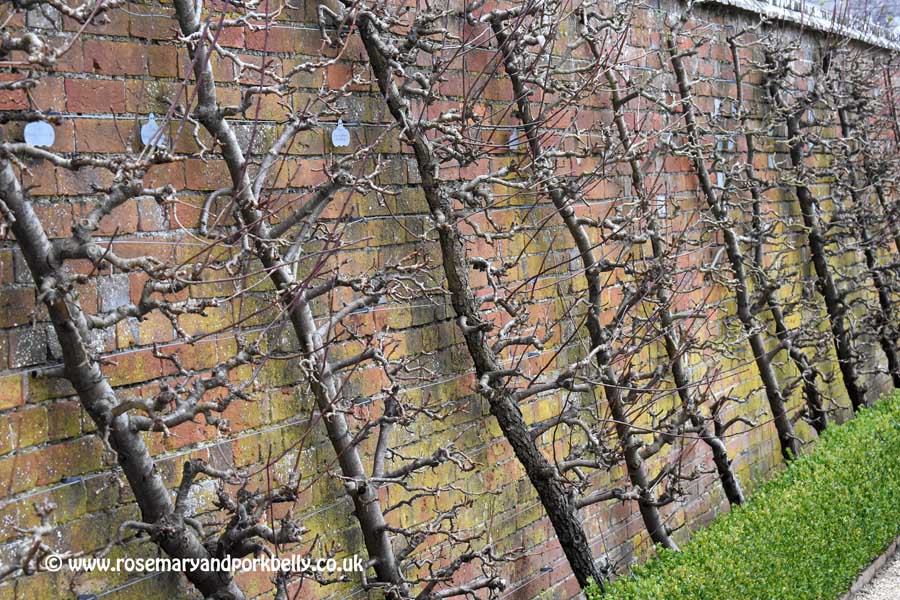
The walled fruit garden is fascinating.
It’s the perfect time to see the artistry that lies behind the beautifully clipped and cultivated ornamental fruit trees.
Trained into arches, shaped as giant goblets or spreading their limbs languorously along the brick walls, they are a joy for anyone who loves to see nature tamed with structure and artful design.
We need to visit again when each tree is in bloom to see the full effect.
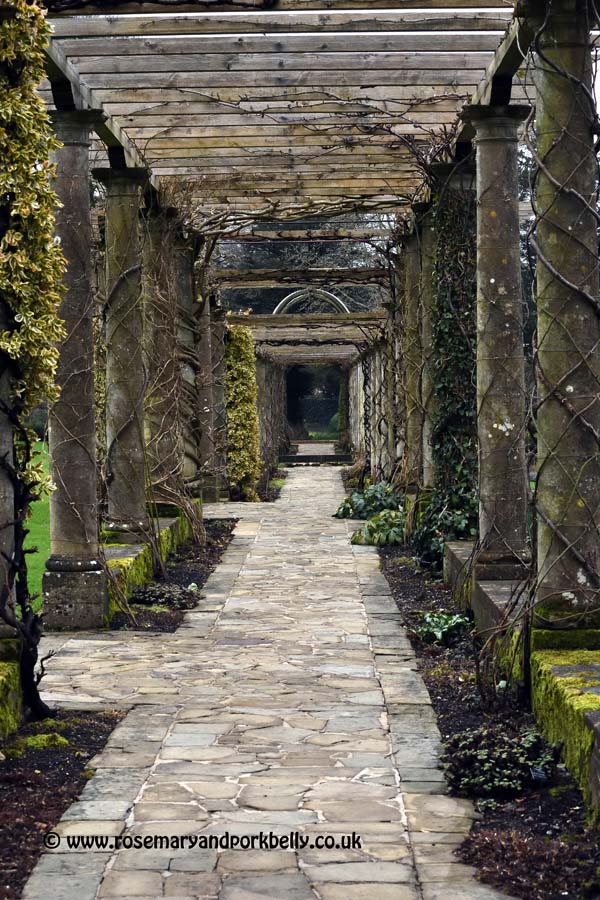
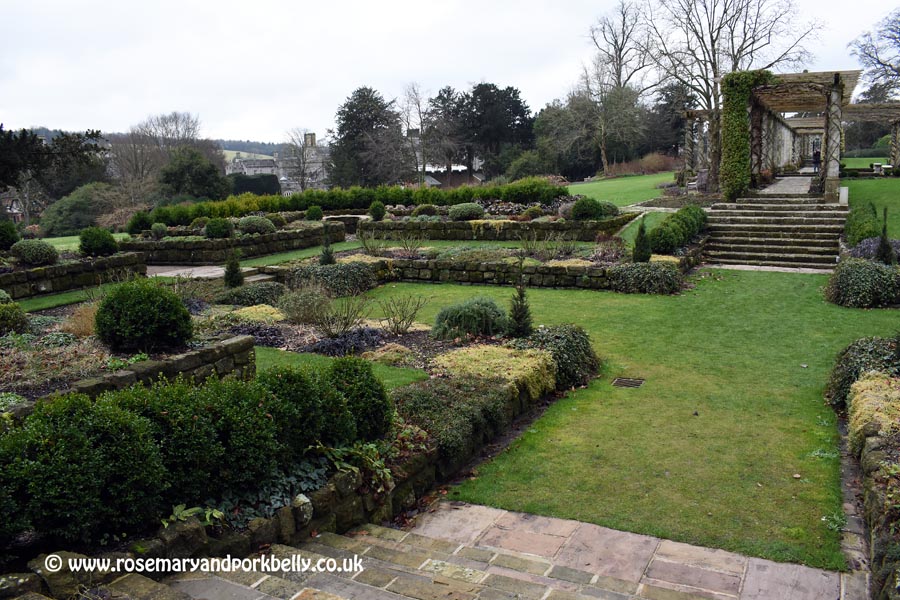
The glorious pergola celebrates the same, labour-intensive design work.
Vines, clematis, rambling rose, honeysuckle and wisteria trail up each colonnade and spread onto the canopy above.
Without blooms, the spiralling helix of stem and branch splay out across the restored stonework, promising beauty and shelter in the months to come.
Finding snowdrops in February
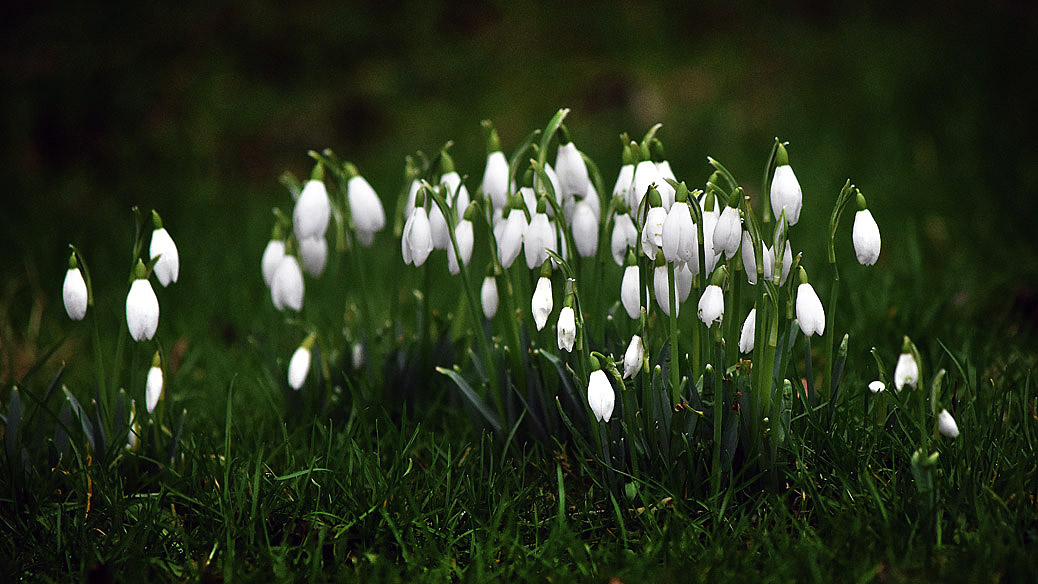
But we’re here for the snowdrops; dozens of different varieties of the hardy little “milk flower” burst through the grass, mulch and moss around almost every corner.
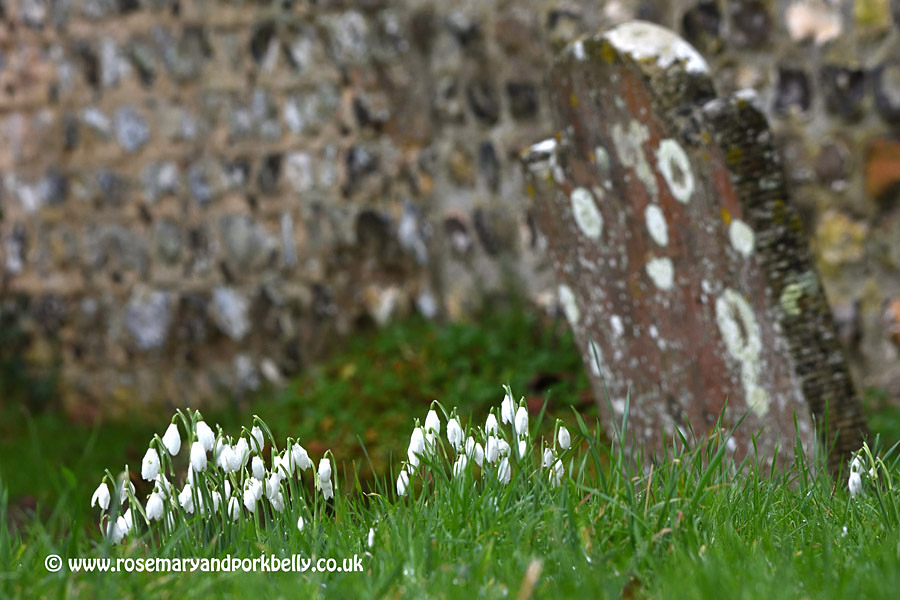
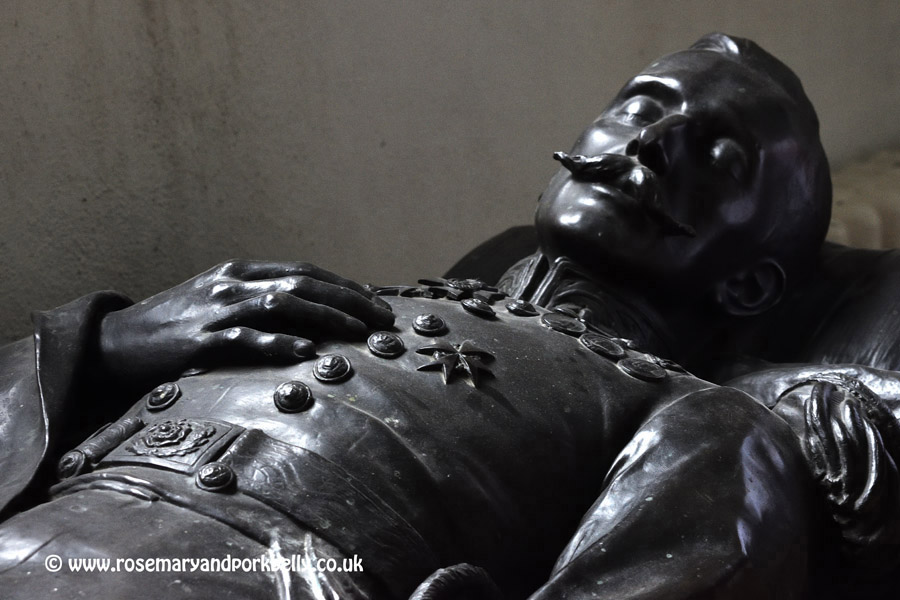
The most advanced nestle up against the stone wall surrounding the church of St Andrew, where former estate owner Sir William Dodge James lies in state.
His son Edward is directly responsible for the gardens’ preservation, establishing a charitable trust in 1964 that led to the creation of West Dean College.
It was set up to be devoted to the ‘arts, crafts and practical conservation’.

The church has Saxon roots, but had to be completely rebuilt after a fire in 1934.
It’s small and plain, but a peaceful and welcome resting place for visitors.
With plenty of flat paths, West Dean is great for wheelchairs and buggies and is dog-friendly too.
The parkland walk takes around an hour to complete, but if you’re not in the mood for a long hike, there’s plenty to explore and enjoy without straying from the gardens themselves.
More information about West Dean Gardens
West Dean Gardens website
The shop, restaurant and the majority of the gardens are accessible to wheelchair users. Find more information about accessibility here
Where to next?
• Wildfowl and Wetlands, Arundel
• Secret Gardens of London
• 7 places to see spring flowers
