
Our number one belief is that travel should be accessible to everyone. We recognize that traditional travel experiences often overlook the needs of people with disabilities, and that’s something we would love to see change. Everyone deserves the opportunity to explore the world without unnecessary barriers.
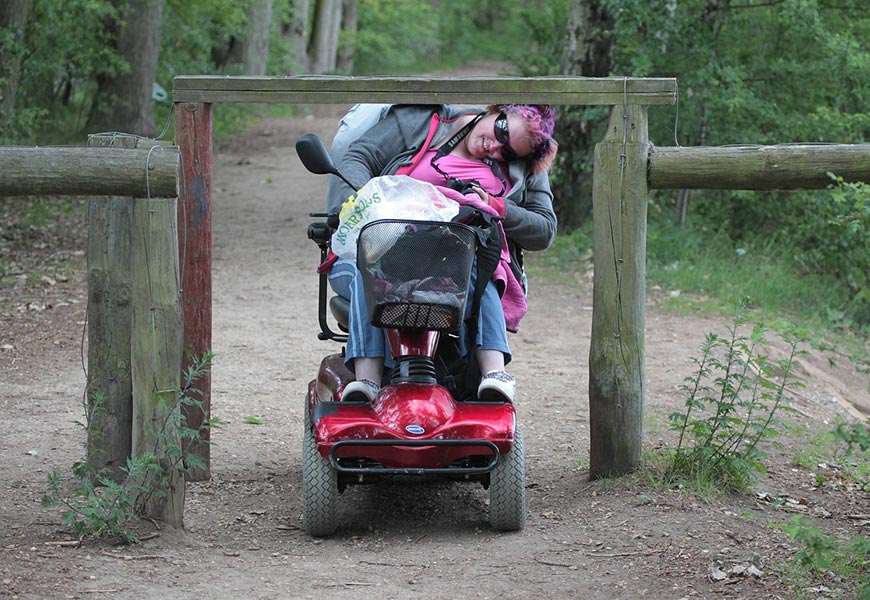
Accessible travel can be an adventure of its own – where careful planning meets real-world unpredictability, and sometimes, the biggest challenge is simply getting through the door.
While challenges still exist, the world is slowly catching up, and accessible travel is becoming more of a reality than a dream. Whatever your needs, the travel industry is (finally) starting to listen. After all, according to the World Health Organization 1 in 6 people worldwide has significant disability, and this number is expected to increase.
The State of Play: Where’s best for accessible travel?
Not all countries are created equal when it comes to accessibility. Some have embraced inclusive tourism, while others still seem to think that ramps are an optional extra.
The Gold Standard: Scandinavia – Sweden, Denmark, and Norway consistently rank among the most accessible countries. Public transport is largely wheelchair-friendly, tactile paving for visually impaired travellers is common, and hotels prioritise accessibility.
Canada & the USA – From New York’s accessible subway stations to Canada’s dedication to disability rights, North America does a decent job of making travel smooth. Cities like Vancouver and Washington D.C. have a solid reputation for accessible attractions.
Australia & New Zealand – Australia’s major airports have great assistance services, and Sydney’s beaches even have wheelchair-friendly surf chairs. Meanwhile, New Zealand ensures its spectacular natural landscapes can be enjoyed by all, with accessible hiking trails and adventure activities.
Accessibility Challenges Around the World – The rest of the world, many parts of which (sadly including the UK) are still lagging behind, have limited infrastructure and attitudes that haven’t quite caught up. Countries with ancient architecture can also be a nightmare.
Accessible travel companies that actually get it
Navigating a new country with accessibility needs can be tricky, but these companies are here to help:
Limitless Travel: UK-based and offering fully supported holidays for people with disabilities.
Wheel the World: A booking platform for accessible accommodation and tours.
Traveleyes International: Specialises in holidays for blind and partially sighted travellers, pairing them with sighted guides.
Altogether Travel: Provides assisted travel, including supported holidays for those with additional care needs.
Hands On Travel: Offers tours designed for the deaf community, led by deaf guides and using sign language.
Kerstin’s Deaf Travel: Florida based, providing tours and cruises with sign language interpreter services, catering to smaller groups to foster a family-like atmosphere among deaf travellers.
Autism Travel: Connects families with autism-friendly hotels, attractions, and activities worldwide.
Willy Wonka Travel: A UK-based travel agency that specialises in travel for individuals with autism, offering personalised services and firsthand knowledge of travelling with autism.
Dementia Adventure: Has a special holiday section with individually tailored holidays for people living with dementia and their carers.
If you need someone to travel with you:
Trusted Travel Buddies: Based in Inverness, Scotland, they will help you plan your holiday with a companion or provide 24/7 personalised support on all trips.
Able Community Care: A holiday companion service which can provide holiday carers or companions for older people or people with disabilities.

Apps and websites that make travel easier
Thanks to modern technology, accessibility has gone digital. These apps can be a game-changer:
Accessaloo: A worldwide directory of wheelchair-accessible toilets with user reviews (because knowing if the loo is actually usable before you arrive is essential).
Be My Eyes: Connects blind users with sighted volunteers via video call to assist with anything from reading signs to finding a restaurant.
Wheelmap: A crowd-sourced map that highlights accessible places, from cafés to public transport hubs.
Autism Village: Offers reviews and tips for autism-friendly locations worldwide.
Passenger Assistance: A rail journey app and website to take the stress out of UK rail travel.
AccessAble: Offers detailed access guides for various venues, including sensory and hearing impairments.
The Future of Accessible Travel
There’s still a long way to go, but attitudes are shifting. Companies like RightRooms are changing the game by verifying the accessibility of hotels before you book, so you don’t have to rely on vague promises like ‘step-free access’ (only to find out there’s a single ramp leading to a flight of stairs).
More airlines are realising that accessibility isn’t just about having a wheelchair-friendly bathroom (which, let’s be honest, most planes still don’t). And destinations are waking up to the fact that inclusive travel is not only the right thing to do, but also a smart business move.
Know Your Rights: Laws that protect disabled travellers
Understanding your rights can help ensure a smoother and more accessible travel experience:
UK Laws
Equality Act 2010: Protects against discrimination in transport, hotels, and services.
The Civil Aviation Regulations 2007: Ensures assistance at UK airports and on flights.
National Rail Passenger Assist: Offers pre-booked assistance at train stations.
European Union Laws
EU Regulation 1107/2006: Guarantees free assistance at EU airports.
EU Regulation 1371/2007: Ensures rail services provide accessibility support.
EU Regulation 1177/2010: Covers ferry and cruise accessibility.
United States Laws
• Americans with Disabilities Act (ADA): Requires transport and hotels to be accessible.
• Air Carrier Access Act (ACAA): Prohibits airlines from discriminating against disabled passengers.
Australia & New Zealand
• Disability Discrimination Act 1992 (Australia): Covers public transport and travel services.
• Human Rights Act 1993 (New Zealand): Protects against travel discrimination.
How to complain when things go wrong
If your rights aren’t respected while travelling, here’s who to contact:
Air Travel Complaints:
UK: Civil Aviation Authority (CAA)
EU: National Enforcement Body (NEB) in the country of departure/arrival.
USA: Department of Transportation (DOT)
Australia: Human Rights Commission
Train, Bus, and Ferry Complaints:
UK: Transport Focus
London Transport: London TravelWatch
USA: Federal Transit Administration (FTA)
Canada: Canadian Transportation Agency (CTA)
Hotel Complaints:
UK: Equality Advisory and Support Service (EASS)
USA: ADA Information Line
Airbnb Issues: Airbnb Accessibility Support
More Information:
Scope.org.uk has a helpful holiday tips page where you can get travel advice and if you have a specific question about travelling, you can ask their online community.
UK Civil Aviation Authority has a section on passengers with disabilities and reduced mobility, with information about your rights and how to access special assistance.
Hearing Link supports deaf and hard-of-hearing travellers with communication tips and accessible services.
The National Autistic Society provides travel advice and guides for autistic travellers.
Chloe Tear UK award-winning disability blogger Chloe writes about her cerebral palsy and visual impairment.
WheelchairTravel.org created by the USA based accessible travel advocate John Morris, it’s a resource for disabled travellers.
WheelchairTraveling.com Ashley Lyn Olsen highlights accessible destinations around the world.
Crohn’s & Colitis UK shares resources for travellers with chronic illnesses.
Skyscanner’s guide has more advice on your rights, plus some interesting facts and figures.
Air Travel Advocacy & Improvements
Air travel remains one of the most difficult aspects of accessible travel. Advocates like Shane Hryhorec and Sophie Morgan are pushing for changes, including:
• Mandatory wheelchair spaces on planes
• Hoists at gates for safe transfers
• Comprehensive disability training for airline staff
Some airports are starting to listen. For example, San Antonio International Airport (SAT) in the USA has introduced programmes like:
• The Hidden Disabilities Sunflower Initiative, where travellers can wear a sunflower lanyard to discreetly indicate they may need extra assistance.
• The Pups & Planes Program, offering therapy dogs to help reduce travel anxiety.
• The Altitude Inclusion Program, which familiarises disabled passengers with airport procedures before they travel.
Major airports in the UK, such as Heathrow and Gatwick, offer good accessibility features, including dedicated assistance desks, wheelchair services, and accessible toilets. However, long queues at security and the unpredictable availability of assistance are often cited as areas that need improvement.
Travelling with a disability may require extra planning and a good sense of humour when things don’t go as expected, but the world is becoming more accessible. With the right resources, thoughtful planning, and persistence, travel can be both possible and rewarding.
So, where’s your next adventure?
As we mentioned at the start, we believe travel should be for everyone. We’ve done our best to make this guide as inclusive and helpful as possible, but if we’ve missed something important, made an error, or if you have a great tip to share, we’d love to hear from you!
Where to next?
• Don’t Forget Your Fingerprints: A Brit’s Guide to 2025 Travel
• The magic of Puy du Fou
• Ebenezer Maxwell Mansion, Philadelphia