
Because sometimes the best holiday is the one where nobody’s protesting your existence and you don’t need to re-mortgage your house for flights.
Are you fed up with dodging water pistols in Barcelona or queuing for three hours to get your passport stamped in paradise?
Fear not. Don’t let this be the summer of discontent. While the rest of the world seems to be putting up “Tourists Go Home” banners, these nine sunny British gems are rolling out the metaphorical red carpet (probably made of slightly damp sand, but still).
These UK seaside towns welcoming tourists boast 2025 Blue Flag status for their pristine waters and environmental excellence – because apparently we Brits can do beaches properly after all.
St. Ives, Cornwall
Where the light is so good, even your holiday snaps look professional
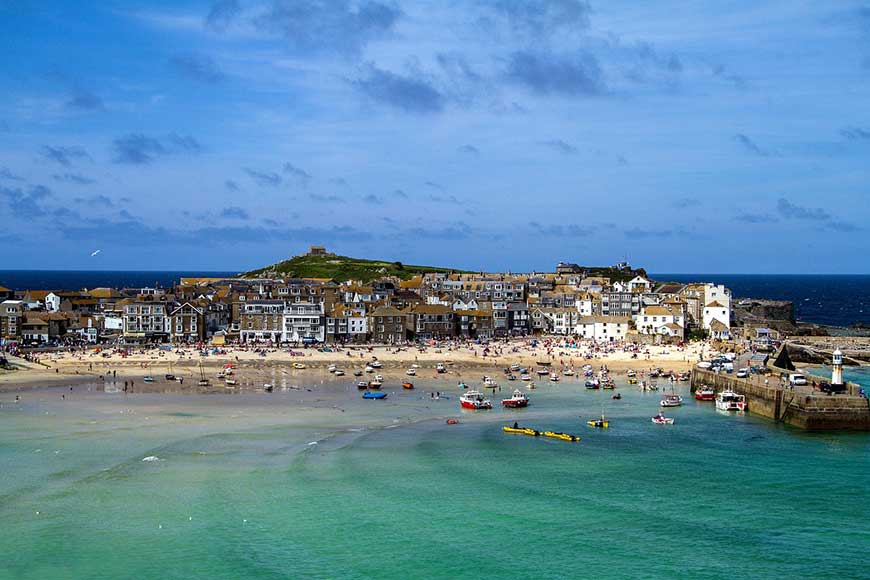
This picturesque fishing town has been charming visitors since before Instagram existed, and somehow still manages to look surprised and delighted when you turn up. The Tate St. Ives gallery proves that culture exists outside London, while the beaches are so pristine you’ll wonder if the locals secretly hoover them at dawn.
What to do: Surf at Porthmeor Beach (or pretend to while looking cool), explore the winding cobbled streets without Google Maps (living dangerously!), and visit Barbara Hepworth Museum where you can contemplate sculptures while questioning your own life choices.
Blue Flag status 2025: Yes
Rough costs: B&B from £80-120 per night, family-friendly hotels from £150-250. Fish and chips will set you back around £12-15, and a pint costs about £5-6 (London refugees may faint at these reasonable prices).
Hastings, East Sussex
Where 1066 actually made things interesting
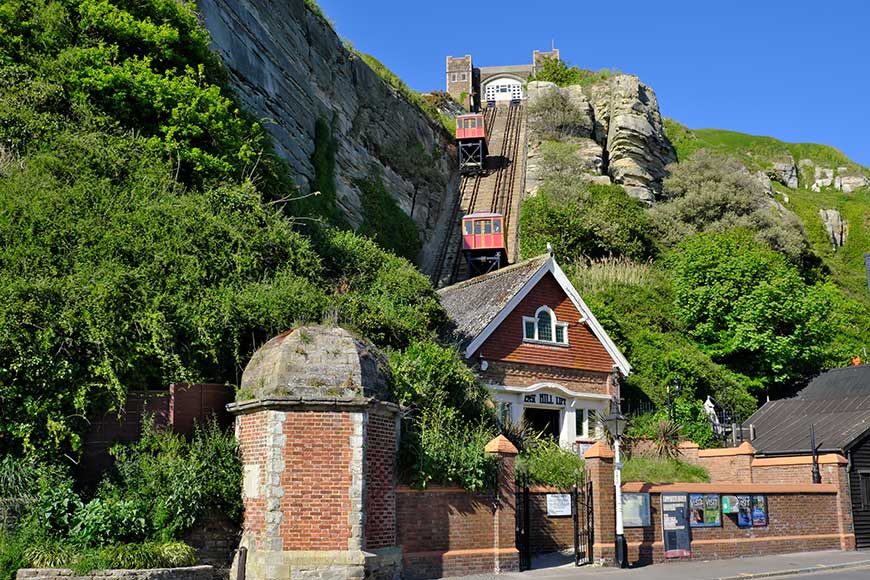
Hastings wears its history with pride while embracing its quirky present. This East Sussex gem combines medieval charm with a thriving arts scene, creating a destination that feels authentically British without trying too hard. The Old Town’s narrow streets and the Stade (Europe’s largest beach-launched fishing fleet) give it character that package holiday destinations can only dream of.
Blue Flag status 2025: Yes
What to do: Explore the atmospheric ruins of Hastings Castle, ride the funicular railways up the East and West Hills (because walking uphill is for masochists), and discover St. Clement’s Caves, which are part of the Smugglers Adventure attraction. The Contemporary Art Gallery and the Shipwreck Museum prove culture doesn’t stop at London’s M25.
Rough costs: Boutique hotels from £80-130, guesthouses £60-95 per night. Traditional pub meals £16-22, seafood restaurants £25-35. A trip on the funicular railway costs about £4 for adults.
Bournemouth, Dorset
Seven miles of golden sand and zero attitude
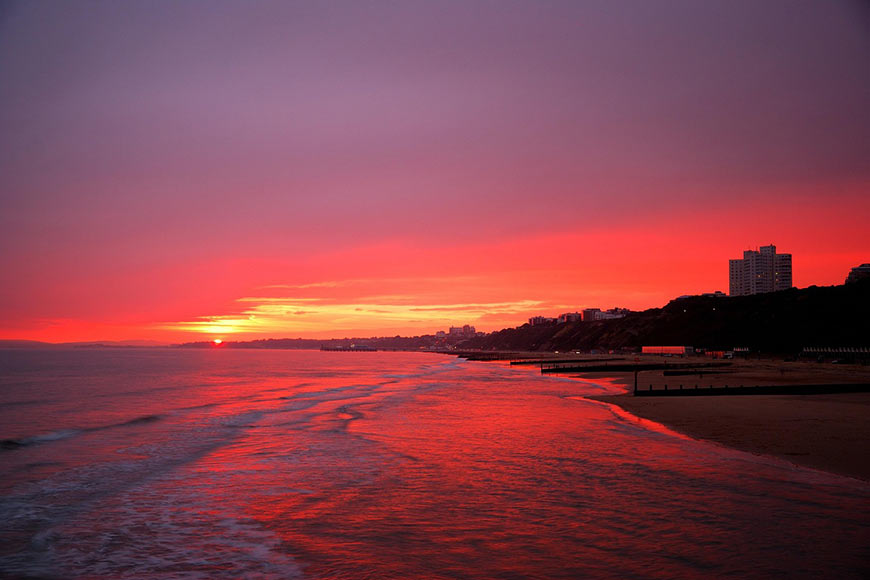
Bournemouth is like that reliable friend who’s always up for anything – beach days, shopping sprees, cultural activities, or just sitting in a beer garden pretending summer will last forever. It’s got all the seaside charm without the pretension, making it perfect for families who want fun without the faff.
Blue Flag status 2025: Yes
What to do: Build sandcastles on award-winning beaches that boast some of the warmest sea temperatures in the UK, take a nostalgic trip on the land train (yes, really), explore the Lower Gardens, try your hand at watersports (learning to paddleboard while maintaining dignity is an art form), or visit Hengistbury Head for stunning views and wildlife.
Rough costs: Family hotels from £80-140 per night, premier seafront lodges £150-250. Restaurant meals around £20-30 per person, with beachside cafes offering lighter bites for £8-12.
Tenby, Pembrokeshire
Wales’ answer to the Mediterranean (if the Mediterranean had better pasties)
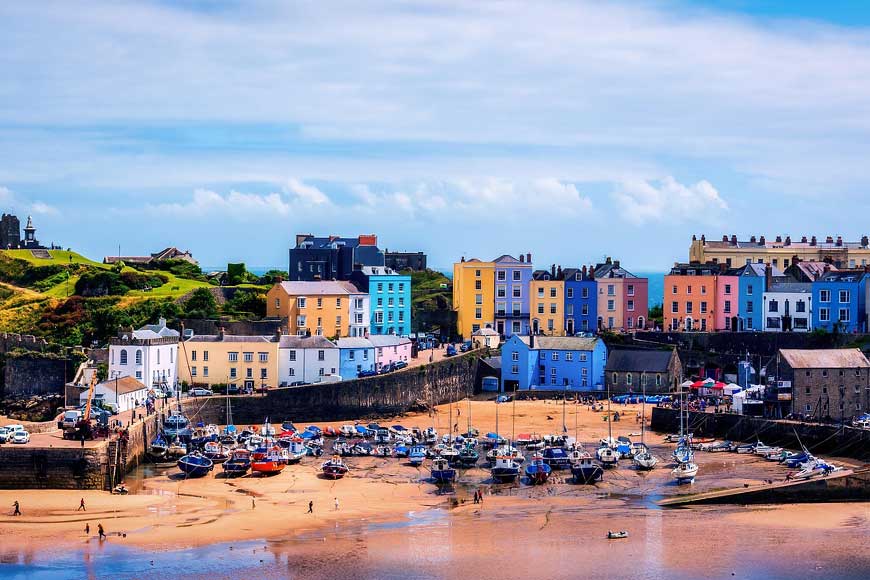
This medieval walled town perched on the Welsh coast is so postcard-perfect it’s almost offensive. The locals seem genuinely pleased to see visitors, possibly because they know they’re sitting on one of Britain’s best-kept secrets. The pastel-coloured houses lining the harbour look like they’ve been painted by someone in a particularly good mood.
What to do: Take boat trips to Caldey Island (monks, seals, and chocolate – what more do you need?), explore the castle ruins without crowds, or simply wander the town walls feeling smugly superior to people stuck in traffic jams elsewhere.
Blue Flag status 2025: Yes
Rough costs: Guesthouses from £70-110, hotels £120-180 per night. Pub meals around £15-20, with local seafood restaurants charging £25-35. Boat trips to Caldey Island cost about £15 for adults.
Whitstable, Kent
Where oysters are a lifestyle choice, not just a starter
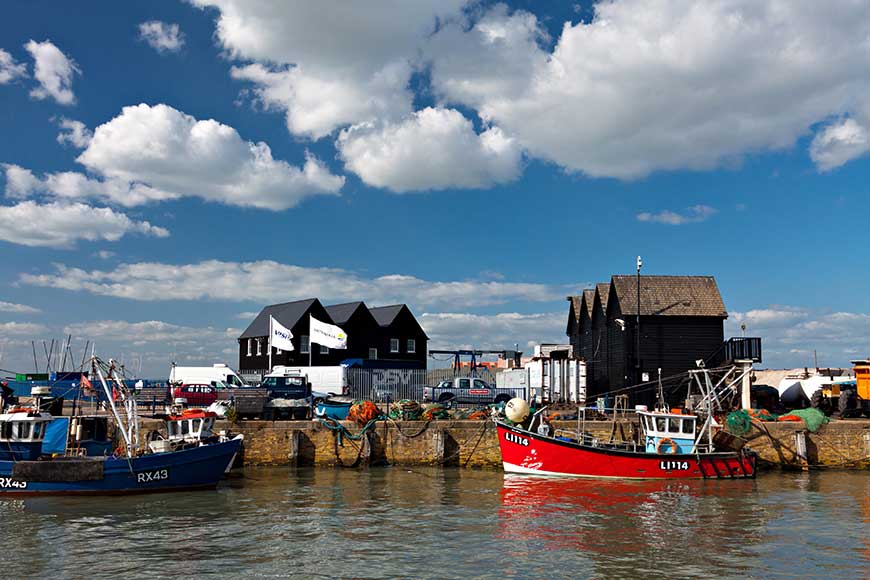
This working fishing town has somehow managed to become achingly trendy without losing its soul – a feat roughly as difficult as shucking an oyster while riding a bicycle. Londoners flock here for “authentic coastal experiences” (i.e., eating seafood in wellies), but somehow Whitstable just shrugs and carries on being fabulous.
What to do: Slurp oysters like a local (or pretend you enjoy them), browse independent shops selling things you didn’t know you needed, and take long walks along the pebble beach while pondering why you don’t live by the sea.
Blue Flag status 2025: Yes
Rough costs: Boutique B&Bs from £90-140, beach huts for quirky stays around £80-120. Oysters will cost you £15-25 per dozen, while full meals range from £20-40. Weekend breaks here are popular, so book ahead.
Salcombe, Devon
Where sailing boats outnumber cars and nobody minds
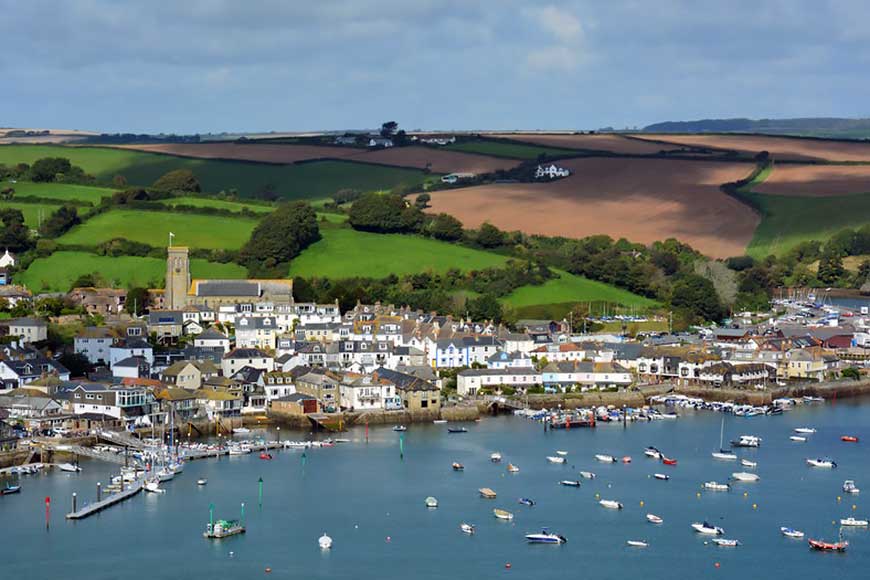
Salcombe treats visitors like long-lost relatives who’ve finally decided to visit. This South Devon gem sits on a stunning estuary where the water is so blue you’ll check your eyes for Instagram filters. It’s posh without being precious, and the locals genuinely seem to enjoy sharing their slice of paradise.
What to do: Take a ferry across the estuary (because walking is for landlubbers), explore hidden coves by kayak, or simply sit in waterfront pubs watching people who are definitely better at sailing than you. The beaches are pristine enough to make you forget British weather exists.
Blue Flag status 2025: Yes
Rough costs: Hotels from £100-200 per night (prime waterfront locations more), self-catering apartments £120-300. Restaurant meals £25-45, but the views are included free of charge.
Southwold, Suffolk
Where Adnams brewery meets Georgian elegance (with a side of smuggling history)
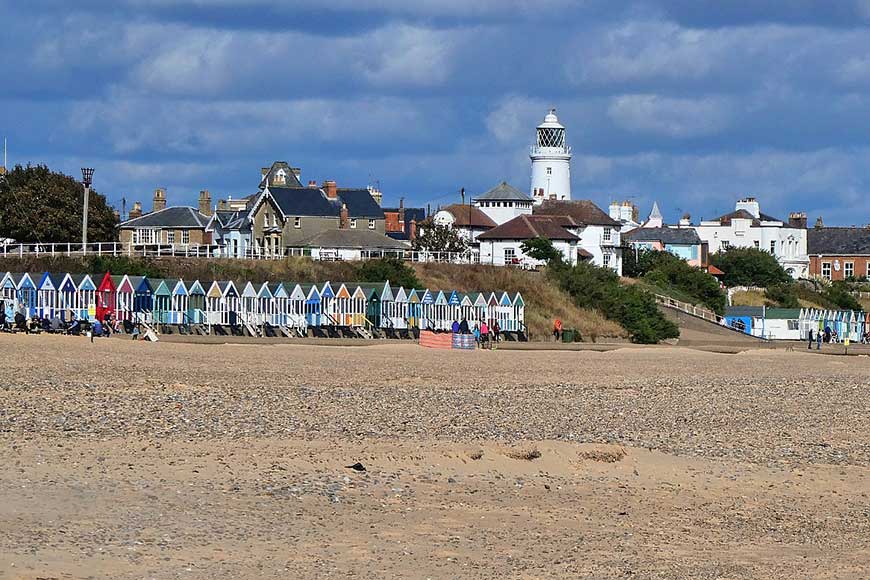
Southwold is what happens when you take a quintessential English seaside town and polish it until it gleams. This Suffolk gem has managed to keep its soul while attracting visitors who appreciate quality over quantity. The colourful beach huts are so photogenic they’ve launched a thousand Instagram careers, while the pier’s eccentric attractions prove that British seaside entertainment has evolved beyond dodgems and candy floss.
What to do: Sample ales at the Adnams Brewery (because supporting local business is practically a civic duty), stroll along the pristine beach with its famous huts, or test your relationship on Southwold Pier’s wonderfully bizarre amusements. The Sailors’ Reading Room offers a glimpse into maritime history that’ll make you appreciate central heating.
Blue Flag status 2025: Yes
Rough costs: Boutique hotels from £120-200, traditional guesthouses £80-130 per night. Pub meals £18-25, while the Crown Hotel’s restaurant will set you back £30-45. Beach hut rental for a day costs around £30-40.
Cromer, West Runton & Sheringham, Norfolk
The holy trinity of Norfolk seaside excellence
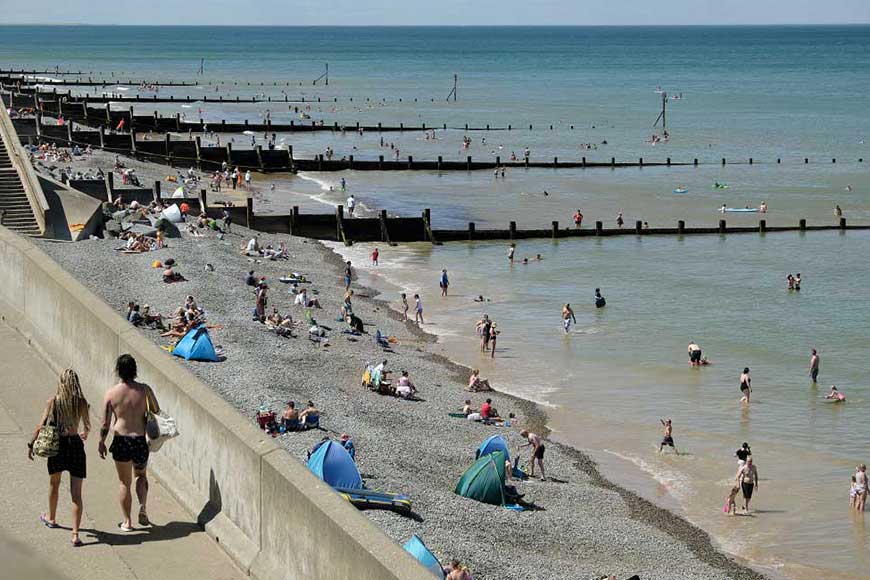
This triumvirate of Norfolk coastal towns proves that you don’t need to choose just one perfect spot when three sit practically next door to each other. Each has its own personality: Cromer with its famous pier and crab heritage, West Runton with its fossil-strewn beaches, and Sheringham with its preserved steam railway. Together, they form a seaside confederation that’s hard to beat.
What to do: Hunt for fossils at West Runton (four-million-year-old elephant remains were found here, so your chances are pretty good), catch a show at Cromer Pier (the only end-of-pier theatre left in the UK), ride the North Norfolk Railway from Sheringham through stunning countryside, or simply eat your body weight in Cromer crab. The coastal path between all three offers walks that justify any crab consumption.
Blue Flag status 2025: Yes
Rough costs: Family hotels from £90-150, cozy B&Bs £70-110 per night. Fresh crab sandwiches cost £8-12, with full restaurant meals £20-30. Steam train tickets are around £20-25 for a day rover. Sea fishing trips run about £40-50 per person.
Aberdeen, Scotland
Where granite meets the sea in surprisingly stylish fashion

Don’t let Aberdeen’s “Granite City” nickname fool you into thinking it’s all industrial grey – and yes we know it’s a not really a town but this Scottish coastal city has Ballroom Beach, a sandy Blue Flag beauty that’ll make you reconsider any preconceptions about northern beaches. Aberdeen combines serious history with unexpected seaside pleasures, all delivered with characteristic Scottish warmth and a no-nonsense attitude to visitor enjoyment.
What to do: Stroll through Old Aberdeen’s cobbled streets where medieval meets academic (the University is from 1495), explore Aberdeen Castle’s ruins, or discover the Maritime Museum to understand why this city has always looked to the sea. Ballroom Beach offers golden sands and surprisingly good swimming, while the city’s parks and gardens provide green respite from urban exploration.
Blue Flag status 2025: Yes
Rough costs: City centre hotels from £80-140, boutique options £120-200 per night. Traditional Scottish fare £15-25, with seafood restaurants charging £25-40. Many museums are free, though donations are appreciated. The beach, obviously, costs nothing but provides priceless memories.
While the rest of the world grapples with over tourism and anti-visitor sentiment, these nine British beauties are practicing radical hospitality – they actually want you to come, spend money, have fun, and tell your friends. Revolutionary stuff.
Sure, you might need to take a jumper (this is Britain, after all), and the weather app will remain your most-used phone feature, but at least you won’t be worrying about visa requirements, currency exchanges, or whether your presence is contributing to local resentment.
Plus, when someone asks about your holiday and you mention you “stayed domestic,” you can smugly explain how you supported local businesses, reduced your carbon footprint, and discovered that Britain’s coast is actually really rather spectacular – all while secretly knowing you had just as much fun as your friends who flew to Málaga and posted endless sunset photos.
So, pack the factor 50, charge your phone for weather updates, and prepare to fall in love with our wonderfully eccentric British seaside.
Just don’t tell everyone – we quite like having these places to ourselves… sometimes.
Where to next?
• Travel Shop
• Rottingdean, home of mystery, music and murder
• Holiday Competitions