
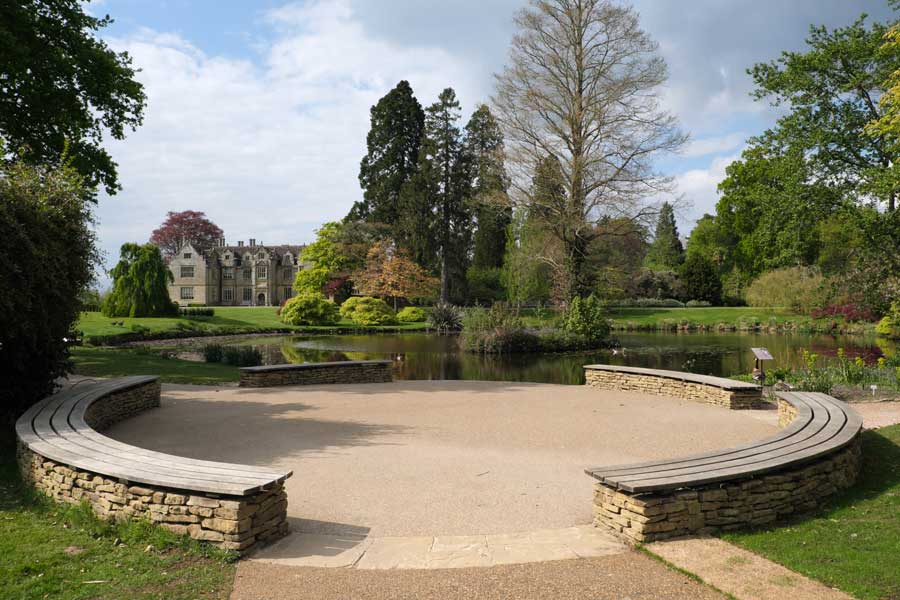
In the heart of Sussex lies one of the most biodiverse gardens in the world.
Wakehurst is Kew’s wild botanic garden, protecting the past and conserving the future of flowers, plants and trees from across the entire globe.
But most of all it’s over 500 acres of ancient woodland, landscaped gardens and family-friendly features that you can visit over and over again.
There’s always something new to discover at Wakehurst.
Winter is all bare branches, wild heather and stormy skies.
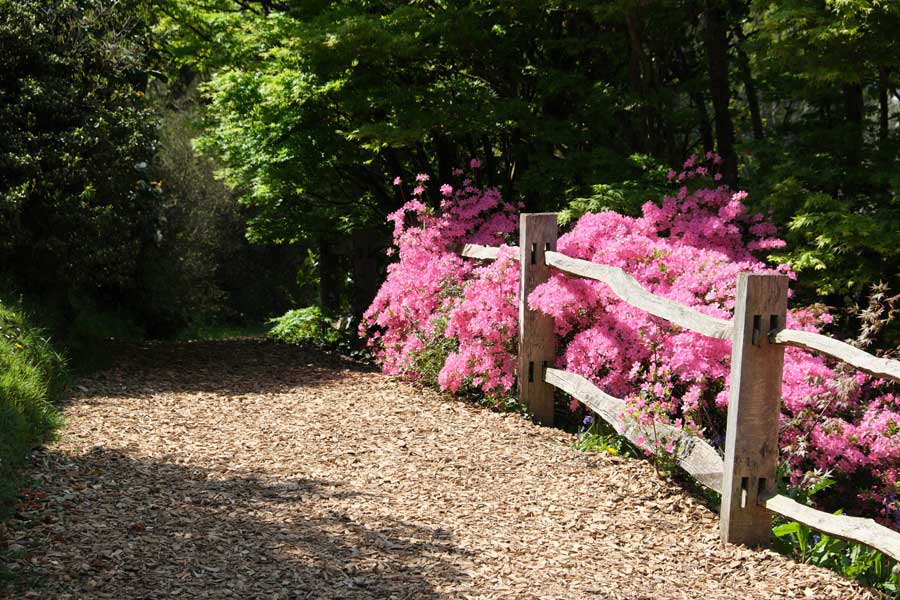
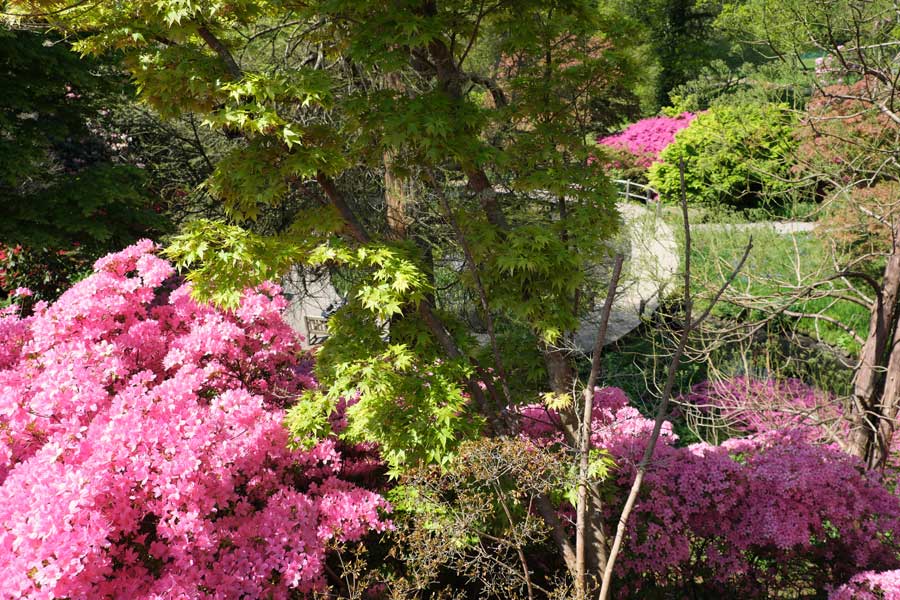
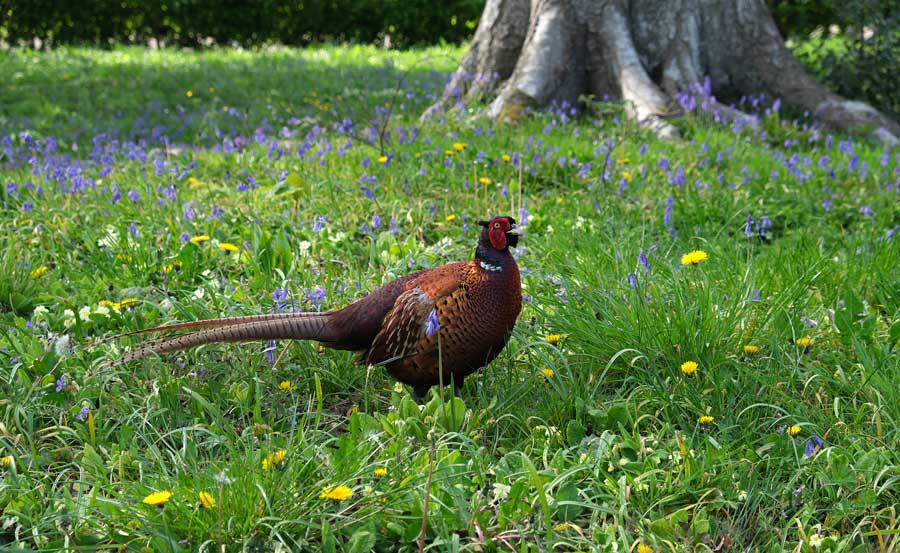
Spring, a purple haze of bluebells and a riot of rhododendrons.
Summer means tumbling rose petals, bumbling bees and birdcalls.
Autumn is spectacular foliage, rushing watercourses and the call of crows.
At every season there are tours, talks and trails to capture the wildness from dawn to dusk.
So where to go first?
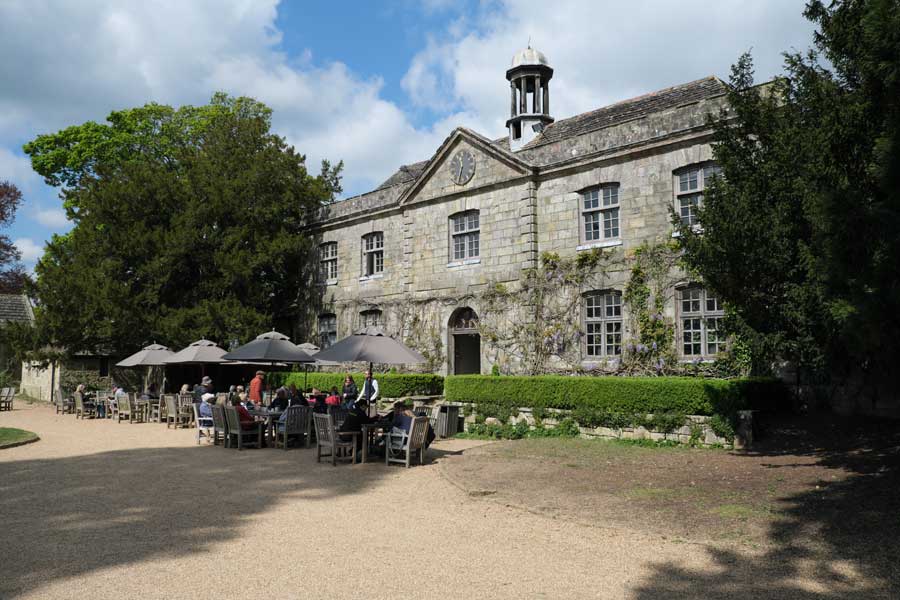
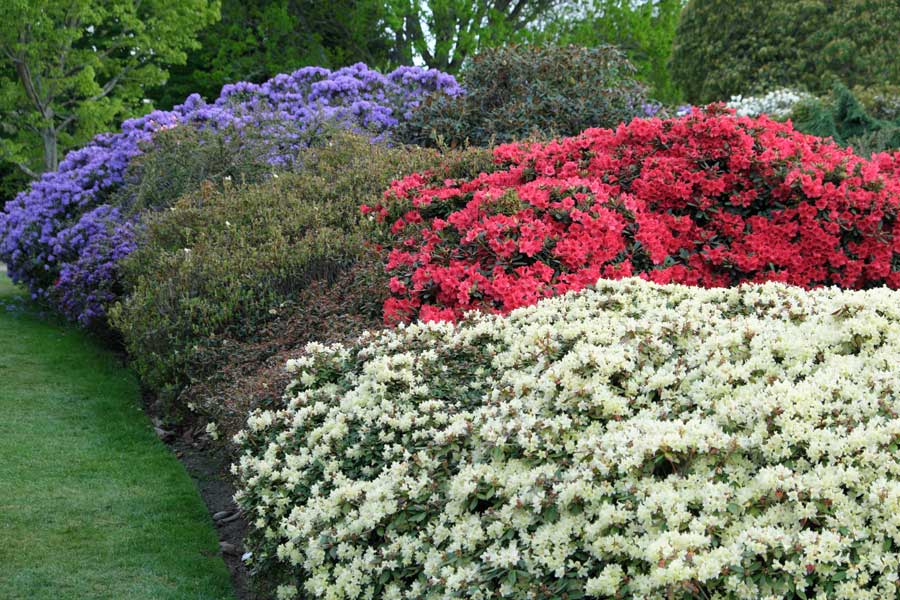
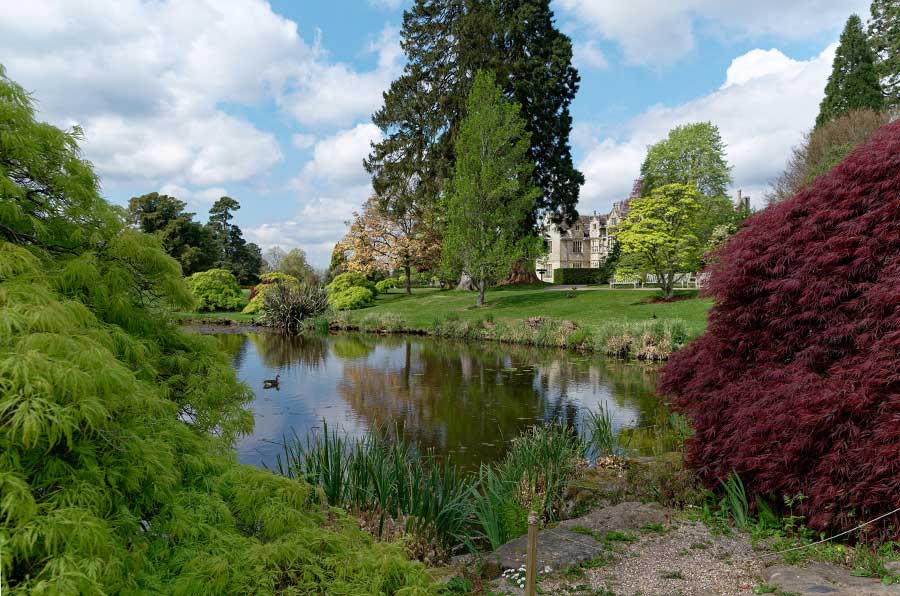
After a quick coffee-and-a-pastry stop, we started at the Asian Heath Garden – a blaze of acers and rhododendrons – before swinging back round to Mansion Pond.
Wakehurst is a photographer’s dream, and the views and reflections drew Pork Belly into a world of his own. Leaving him to frame that perfect shot and follow the light, I wandered off, map-less, wherever the fancy took me.
Some of the paths are steep and surfaces uneven, but there are always alternative routes making Wakehurst accessible for all.
Wakehurst Past
The Elizabethan house at Wakehurst is beautiful. Soft stone walls glowing in the sun, solid wooden doors weathering the storms of centuries and intricately carved stone entrances.
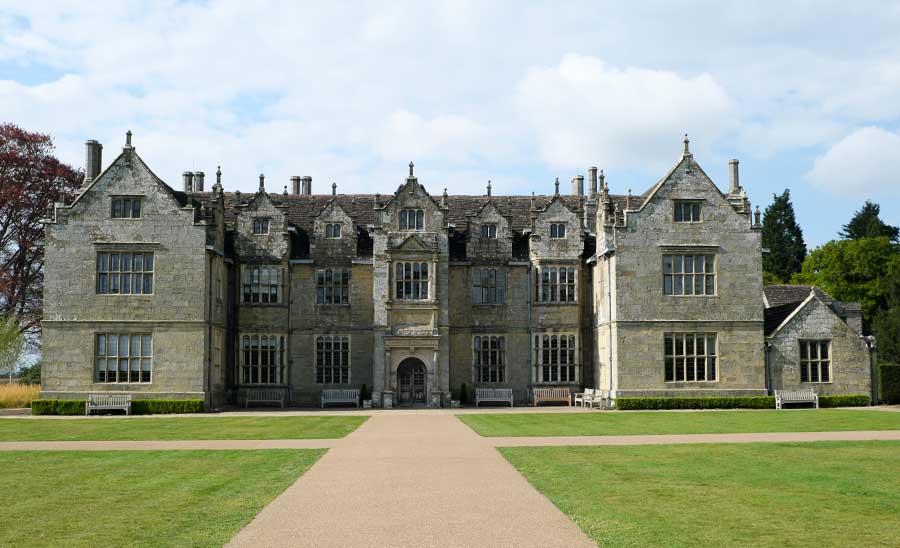
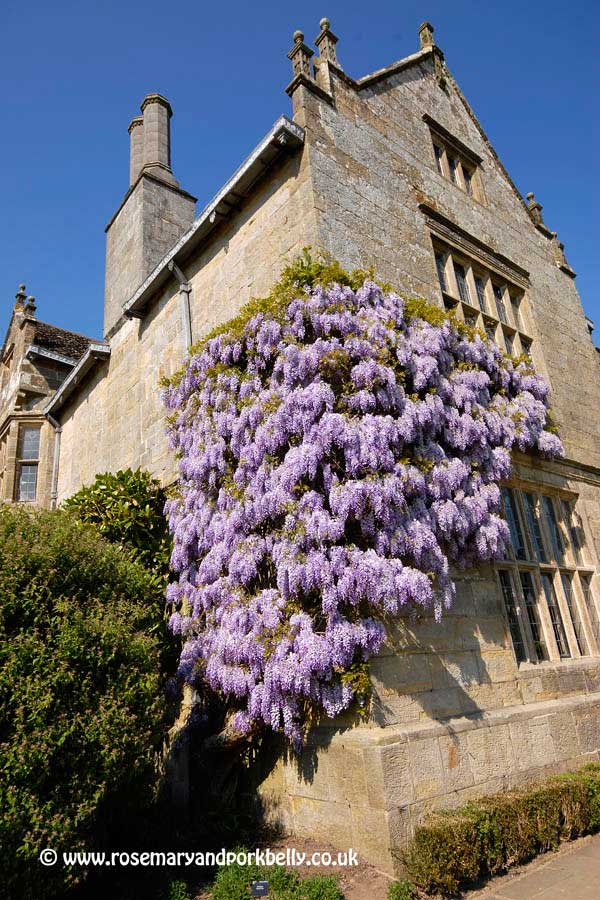
Sadly the glorious wisteria that once covered its west-facing wall has had to be removed as it was damaging the fabric of the Grade II listed building, but the soft purple blooms can still be seen around the courtyard.
Wakehurst Place was built in 1590 by Sir Edward Culpeper, a wealthy lawyer and distant relative of the famous herbalist Nicholas Culpeper. The original design completely surrounded the central courtyard, but over the years it’s been altered to its current E-shaped plan.
The house is not open to visitors at the moment, but provides a stunning backdrop for neat lawns, floral borders and the beautiful Mansion Pond.
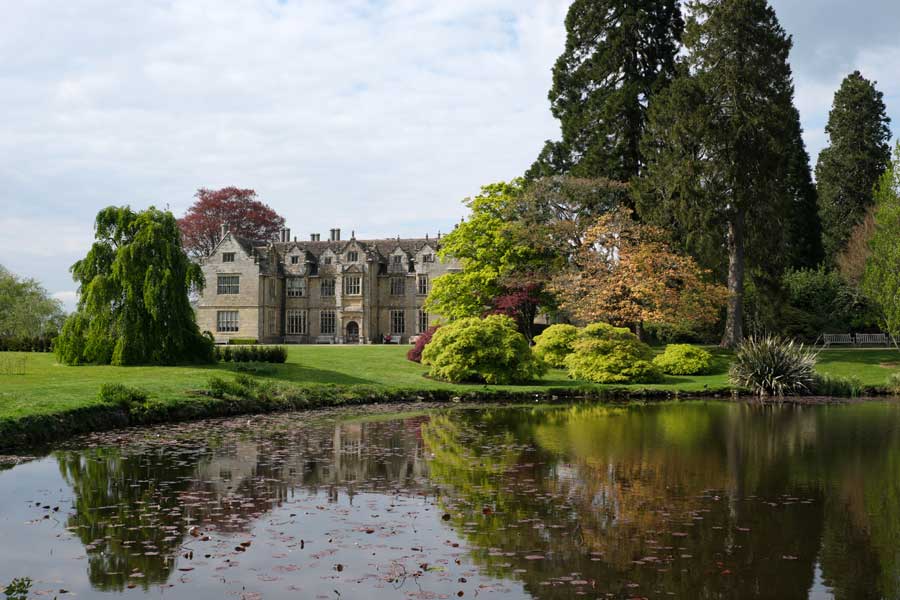
The surrounding land remained a country estate until Wakehurst was bought by Gerald Loder (later Lord Wakehurst) in 1903. He spent 33 years developing the gardens and his planning is still visible today. Loder’s work continued under the next owner, Sir Henry Price, who left the house and gardens to the nation in 1963.
The National Trust owns Wakehurst, but leases it to the Royal Botanic Gardens, who run it as a sister garden to Kew.
Wakehurst Present
Not so much a garden, more an adventure in different habitats.
You simply can’t do it all at once!
A great introduction is to take the free guided walking tour at 11.30am every day, but there are plenty of information boards and signposts so a DIY stroll is an easy option.
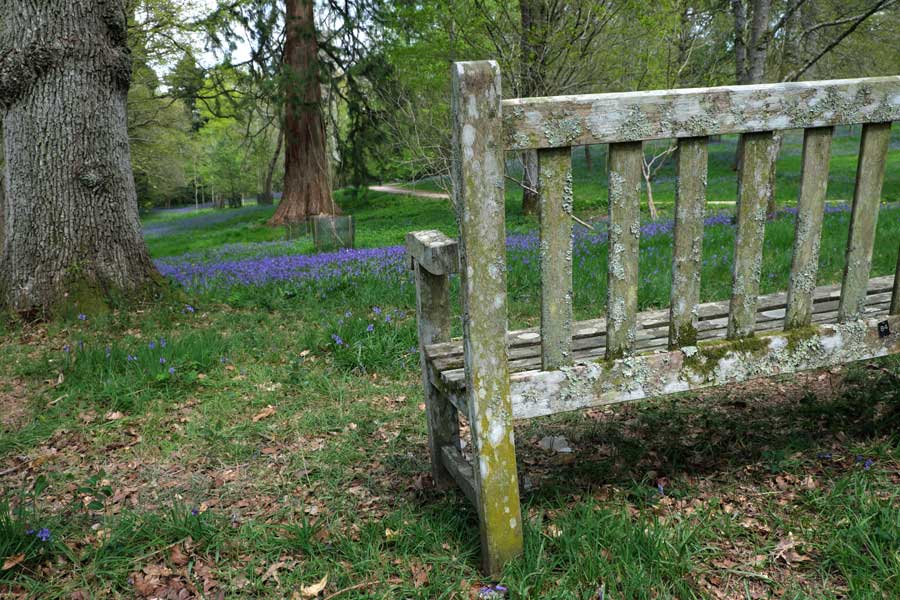
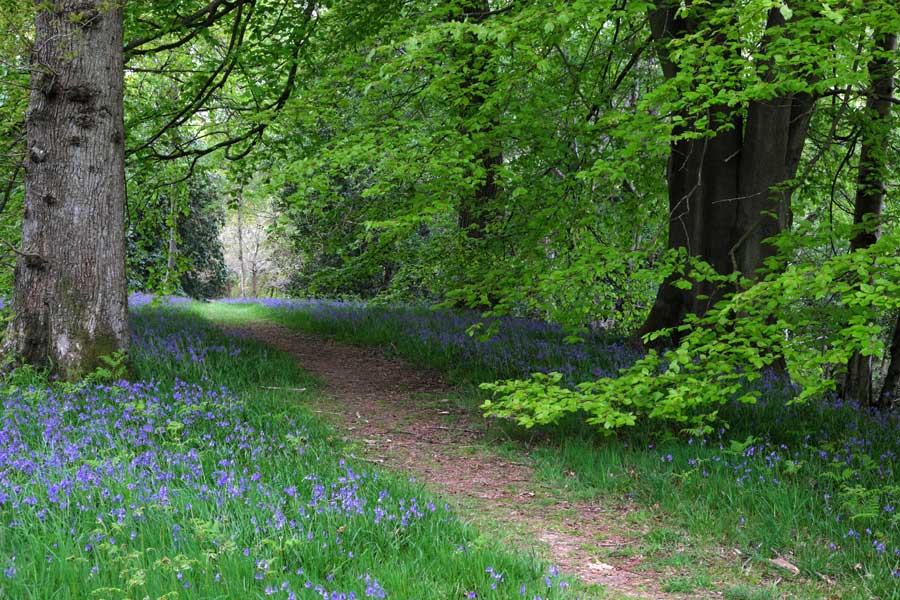
The gardens use what’s known as a ‘phytogeographic planting system’, grouping species according to where they are found in the world.
In Bethlehem Wood the silvery bark of British birches blend with bluebells and wildflowers.
Bloomers Valley is a local meadow restoration with rich Wealden grasslands.
Coates Wood is planted with Australiasian and South American tree species, while native English wildflowers carpet the floor (you can’t keep an English bluebell down!)
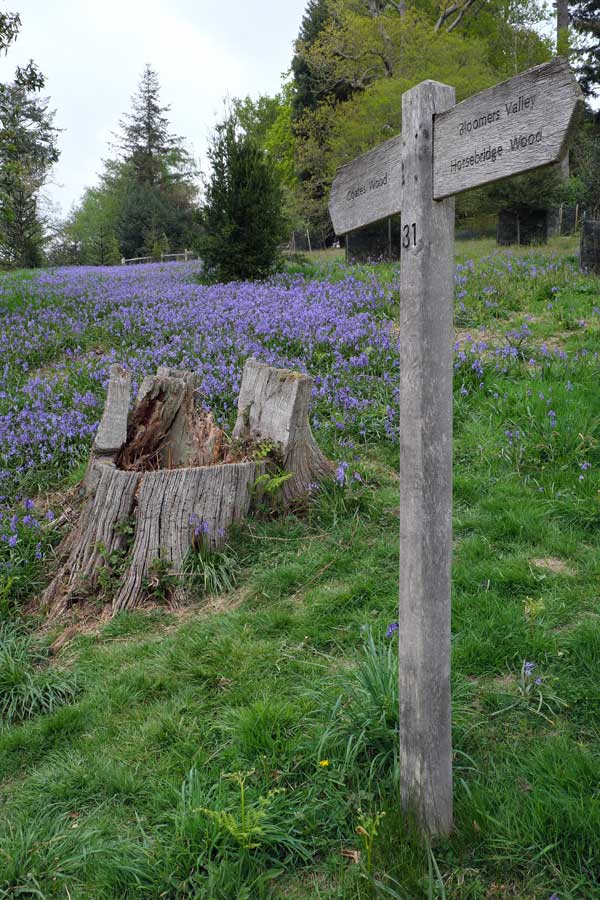
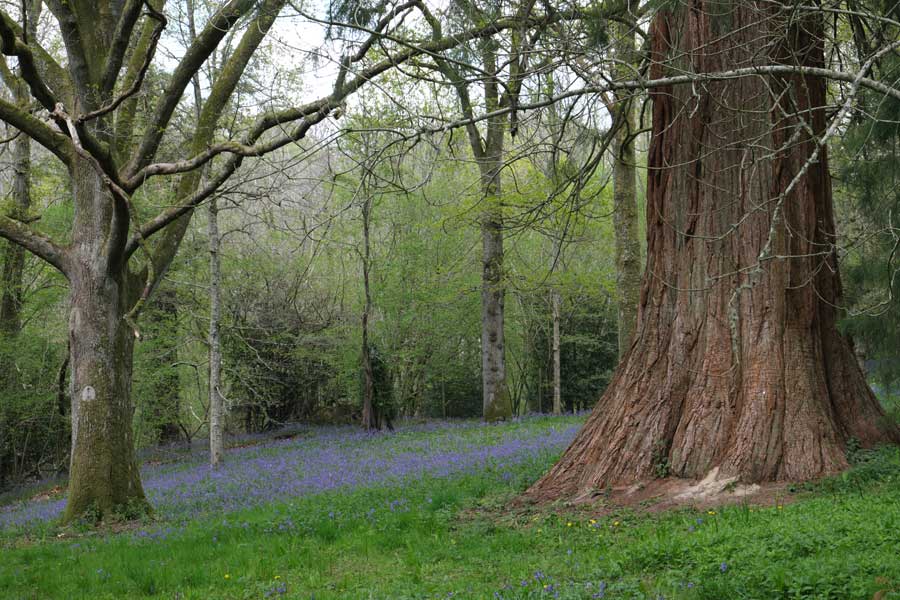
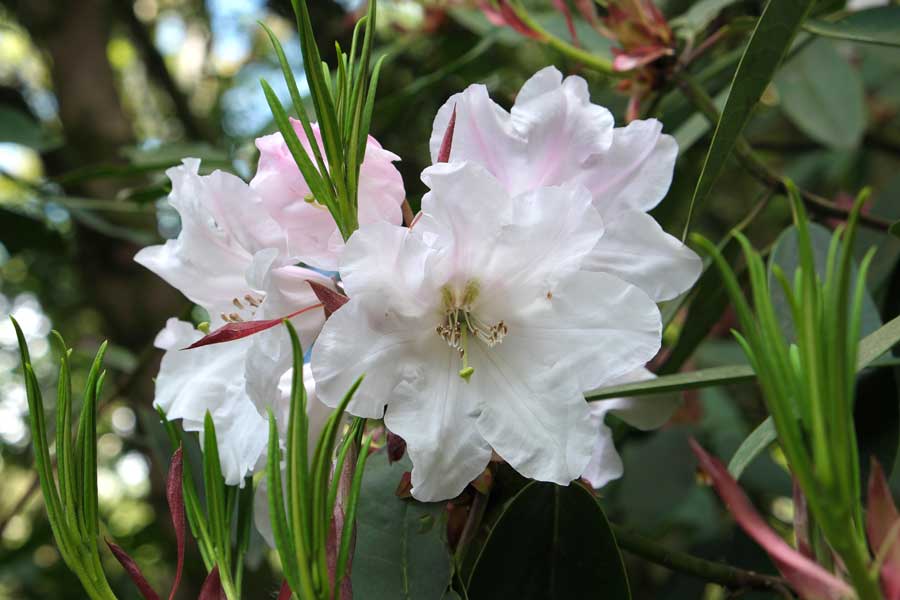
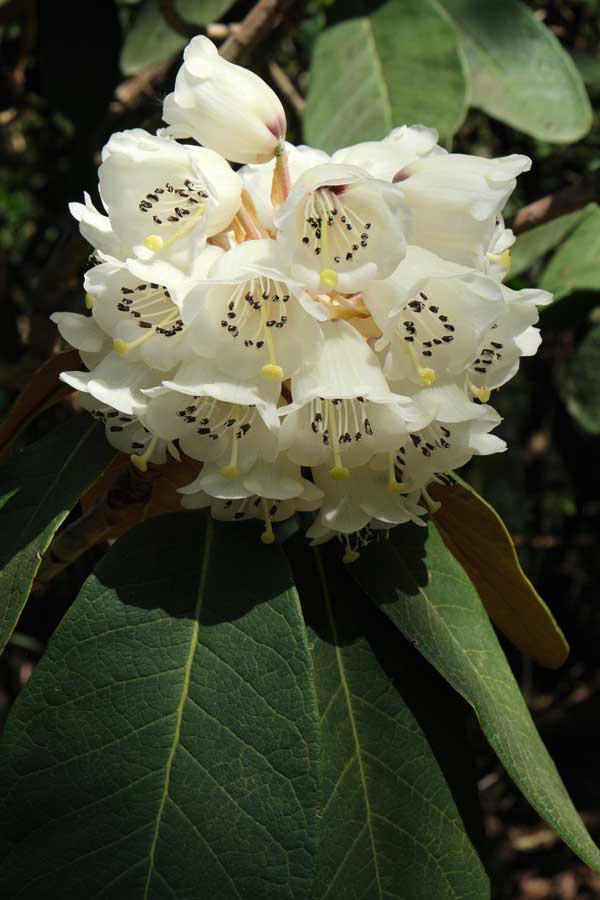
Westwood Valley and lake is an area inspired by the Himalayas, planted with forests of rhododendrons, limes, magnolias, maples, alders, oaks, birches, rowan and conifers.
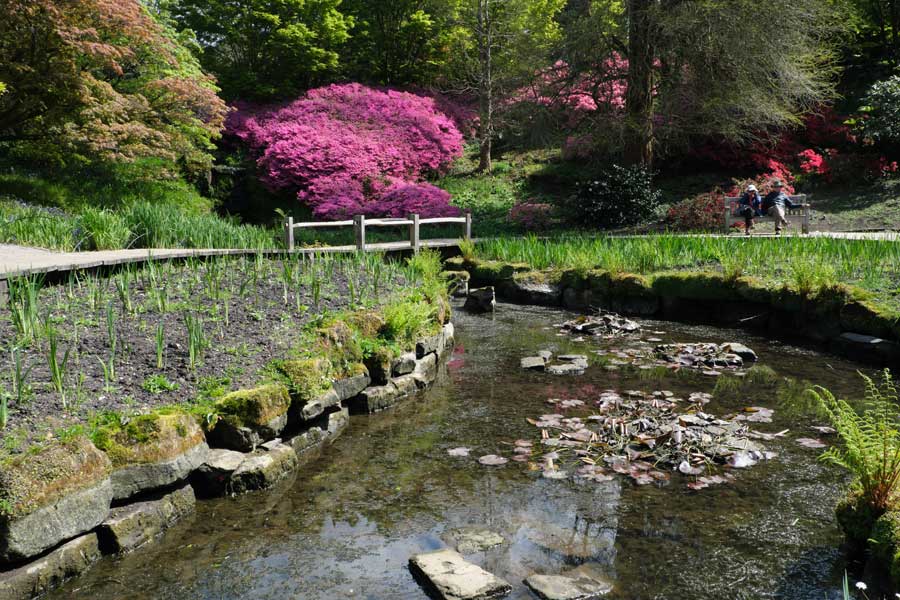
The Water Gardens are a peaceful oasis of mini-cascades, streams and still ponds.
Horsebridge Wood features trees from North America like the iconic redwood, the sweet gum and the hickory, and there’s a new American Prairie area in development.
There are boardwalks through wetlands, twisted tree roots in the Rock Garden and the 150 acre Loder Valley nature reserve that teems wth wildlife all year round.
See what we mean?
Just pick an interest and head for your favourite spot.
Wakehurst Future
This is the heart of what Wakehurst is all about – preserving plants for future generations.
Techy-minded visitors will enjoy spending time in the Millennium Seed Bank, watching scientists preserve, store and regenerate species from around the world.
And the whole garden is a planet-wide insurance policy, planting, studying and re-establishing species whose survival is vital to life on earth.
While I pondered that overwhelming thought, my tummy gave a loud rumble. I phoned Pork Belly, who was miles away (literally and figuratively) in photographer heaven, and arranged to meet him in The Stable Kitchen for a very late lunch.
Well, Wakehurst is a place for play, relaxation and the restoration of humans, as well as plants!
Visiting Wakehurst
Getting there: Wakehurst is set in the High Weald of West Sussex and is easily accessible by car or bus. The nearest train station is Haywards Heath.
Opening Times: Daily, except Christmas Eve and Christmas Day from 10am to 6pm. The work continues year round at Wakehurst, so some parts may be closed for conservation work, but with 535 acres to wander it’s never an issue.
They have two cafés on site, and you’re welcome to picnic.
For all essential information and up-to-date prices, see their website
Accessibility at Wakehurst
There are gravel and hard surface paths around the gardens. Some paths are steep and many have steps, but a large area of the ornamental planting, lawns and water features around the Mansion is level and accessible via a hard surface path from the Visitor Centre, which has level and ramped access.
Registered disability assistance dogs are allowed in the gardens, as long as they are kept on a lead.
There’s free admission for registered blind and partially-sighted visitors, essential carers, personal assistants, support workers and next of kin accompanying disabled visitors.
Disclaimer: We’ve visited Wakehurst many times over the years. Our most recent trip was courtesy of Wakehurst themselves, who kindly gave us free admission for the day.
Where to next?
• Secret gardens of London
• Lost gardens of Heligan
• Green Philadelphia