
Nosy About Gardens? Then you’re exactly who the National Garden Scheme is for.
I’ll admit it I’m a nosy person. The type that can’t walk past a notice on a lamp-post without stopping to read it. Planning applications, missing cats, parking changes, I’ll read the lot.
I’m exactly the same with gardens, and luckily so is PB.
Where we live we’ve got a few patio pots. Cheerful, low maintenance, and utterly unremarkable to anyone who takes their gardening seriously. Which is precisely why I love poking about in other people’s outdoor spaces, rootling through their rockeries and sleuthing round the shrubbery when nobody’s looking.
In Sussex, we’re spoilt for choice when it comes to open spaces. There’s the wildness of the South Downs, the botanical treasure trove at Wakehurst, the storied grounds of Sheffield Park, and Bateman’s, Rudyard Kipling’s old home.

All wonderful, but they come with two catches.
Cost. Unless you visit often enough to justify annual membership, a day out at these grand parks and gardens takes a decent chunk out of the weekly budget.
Crowds. The moment the British weather behaves itself, you can find yourself elbow to elbow with everyone else who fancied a bit of rural tranquillity, and a slice of cake.
So more often than not, we head somewhere smaller: a private garden opening its gates for a day or two through the National Garden Scheme.
What actually is the National Garden Scheme?
The NGS has been going since 1927, when it was set up to raise money for district nurses. Nearly a century on, it’s still doing exactly that, just at a rather different scale.
To date the scheme has donated over £77.8 million to nursing and health charities, and in 2025 alone it handed over a record £3.9 million. Not bad for an organisation built almost entirely on cups of tea and homemade Victoria sponge.
Every year somewhere in the region of 3,500 gardens across England and Wales throw their gates open, from sprawling country estates to tiny courtyard gardens that would fit in most people’s living rooms. Size has never been the point. The NGS looks for quality, character and interest, and its own rule of thumb is that a garden should offer roughly 45 minutes of genuine interest to a visitor. That’s it. No topiary peacocks required.
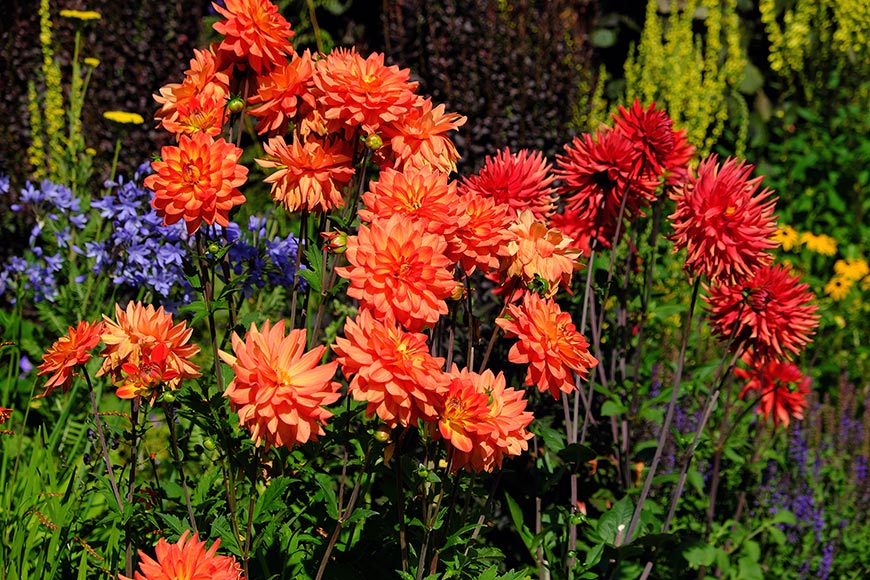
What I love is that the small gardens often have just as much personality as the stately ones, sometimes more. Get chatting to the owner, and you could come away with a cutting, a tip, or at the very least some good-natured advice on keeping slugs off your dahlias.
How does a garden actually get involved?
If you’re proud of your garden (and let’s be honest, your friends have probably been telling you for years that you should open it up), you get in touch with your local NGS county team. They’ll come and have a look, offer friendly, honest feedback, and help you work out whether your garden is ready and, if not, what might get it there.
Once you’re in, your garden earns a spot in the NGS’s famous yellow Garden Visitor’s Handbook, better known to regulars simply as “the Yellow Book”, as well as a listing on the NGS website. You choose your own opening dates, whether that’s a single afternoon, a full season, or a “by arrangement” listing for group visits, which suit garden clubs, WI groups or anyone who fancies rounding up a few friends for a private wander.

You don’t need to do it alone, either. Plenty of owners team up with neighbours to open several smaller gardens together on the same day, which spreads the workload and gives visitors even more to see for their entry fee. And there’s a whole community of volunteers and fellow garden owners on hand throughout, so it’s far less daunting than it might sound at first.
The scheme has also branched out a little in recent years. It now runs a wildlife survey with the UK Centre for Ecology and Hydrology, and a fair number of NGS gardens double up as working studios for painters, sculptors and ceramicists, so you might come home with a new print as well as a sunburnt nose.
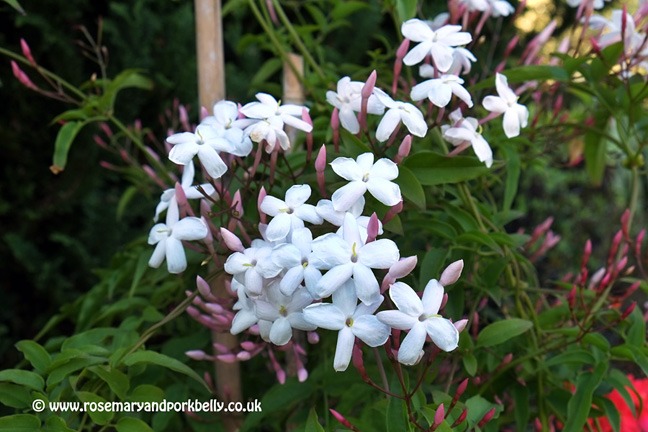
A quick tour round the country
Part of the joy of the NGS is that no two gardens are alike, and you don’t have to stay in one county to see the range. Not far from Forest Row in East Sussex, Legsheath Farm now opens its gates by arrangement, six acres tucked into Ashdown Forest with woodland walks and beautiful views, and a favourite of ours, The Old Vicarage in Washington in West Sussex, has 3½ acres, an Italianate gazebo and a Japanese garden with waterfall and tea house.
Head west into Wales and the scheme looks completely different again. Tenby has a cluster of small town gardens that open together each June, so in one afternoon you can wander from a sun-trap courtyard growing palms and agaves, to a tiny walled plot crammed with plants, to what one owner cheerfully describes as a jungle oasis squeezed into a terraced backyard. It’s proof that you don’t need acreage, just imagination and a bit of flair.
The NGS has also been putting money into community gardens, not just private ones. Grants have gone to projects like the Wonky Garden in Cheshire and the Shakespearean Garden in Manchester, spaces run by and for local communities rather than a single green-fingered owner. It’s a reminder that the scheme isn’t only about grand houses with sweeping lawns. Some of the best afternoons out are in gardens built by committee, on a shoestring, by people who just wanted somewhere nice to sit.
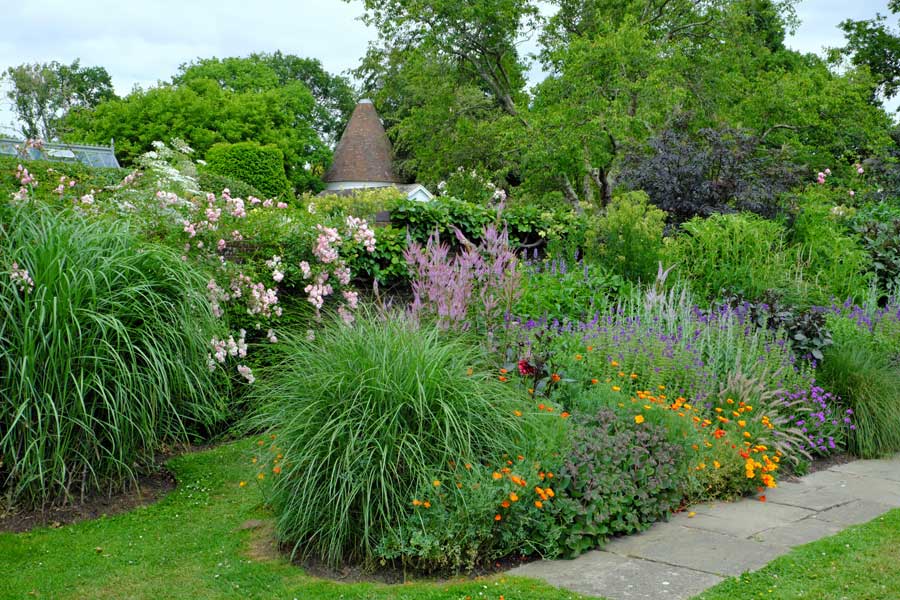
Most NGS gardens are small, privately run affairs, so don’t expect a groaning tea tent wherever you go. But homemade cake is practically a condition of entry, and it’s rare to leave without having tried something you didn’t know you liked, in the garden or on the plate.
More information on the National Garden Scheme
To find a garden just head to the National Garden Scheme and pop in your postcode, or pick up a copy of the county Garden Visitor’s Handbook from local shops, garden centres and libraries. Gardens open from February right through to October, so there’s really no excuse.
Eager to go? Find the gardens near you that are open this week.
The money raised goes to some genuinely vital causes, including Macmillan Cancer Support, Marie Curie, Hospice UK, Carers Trust, The Queen’s Nursing Institute, Perennial and Parkinson’s UK, along with a rotating cast of guest charities each year.
All photos taken at various NGS gardens. © rosemaryandporkbelly or John Heinrich
If you’ve enjoyed browsing our website, learned something new, or just had a smile because of what we do – we’d love your support to keep the good stuff brewing!
Travelling soon? Things to do and attractions not to miss with Get Your Guide …
Where to next?
• Secret gardens of London
• A guide to the Prosecco Road – Italy’s bubbliest secret
• Irish whiskey coffee cake