
It’s a well known fact that what cities are mainly built on, is themselves!
Water and land levels rise and fall, fire and wind ravage, people come and go.
Yet something always remains, hidden from view, in darkness and silence.
And that’s where our latest adventure took us – down below, to see the hidden street of Norwich.
On a cold and wet Sunday afternoon, we walked down a set of stairs and stepped back in time to a long-forgotten place.

Today, Castle Meadow is a busy bus route, lined with shops and offices, lying in the shadow of the mighty Norwich Castle. William the Conqueror ordered its construction and over the centuries it’s served as fortress, prison and now a fascinating museum.
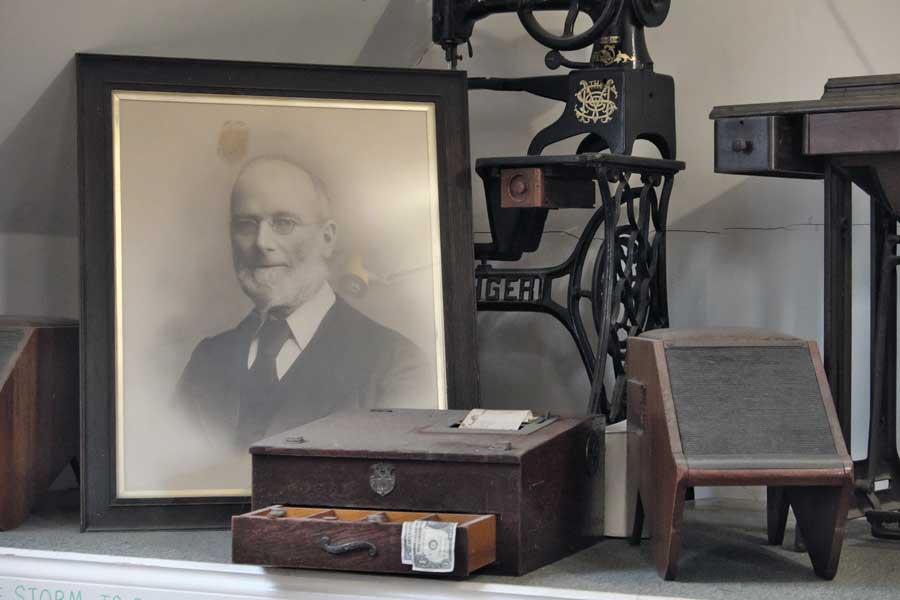
But just across the road, there’s an unassuming shopfront, currently home to a community hub, but one which locals still remember from its days as the elegant shoe emporium, Ponds.

Selling footwear to the great and good for nearly 150 years, Ponds was still trading when Pork Belly and I lived in Norwich, only closing its doors to customers in 2004.
But this story starts much earlier, and a whole street lower.
Because what lies beneath, is a hidden street, lost in time, and about to be lost once more.
Take the hidden street tour with Shoebox Experiences
And you’d better be quick!
After six years of running tours and talks, Shoebox Experiences has been given notice to leave the premises by April 2024. Although they plan to continue from another location, with guided walks around the city, the Hidden Street that lies beneath the old store will no longer be accessible.
And that’s a real shame, because it is absolutely fascinating.
Update January 2024: The landlord has relented and renewed the lease for another 3 years, so the tours can continue!
Our guide Nyree gave us a brief introduction, the usual health and safety briefing (it’s old, with uneven floors, steep steps and watch out for low beams!) then painted a word picture of Norwich through the centuries.

We were led behind the scenes and down into the past.
What lies beneath Norwich?
Dating back to the 15th century, there are walls, timbers and floors still visible on what was once a busy street.
It’s not extensive – most of the original street is walled off behind other shops and buildings in the area, too fragile to dig up – but what is left is enough to fire the imagination.
A weavers’ workroom, built over two floors, with its original wall still standing.
A huge wooden beam flung out across the road when the business wanted to expand and still supporting heaven-knows-how-much-masonry above.
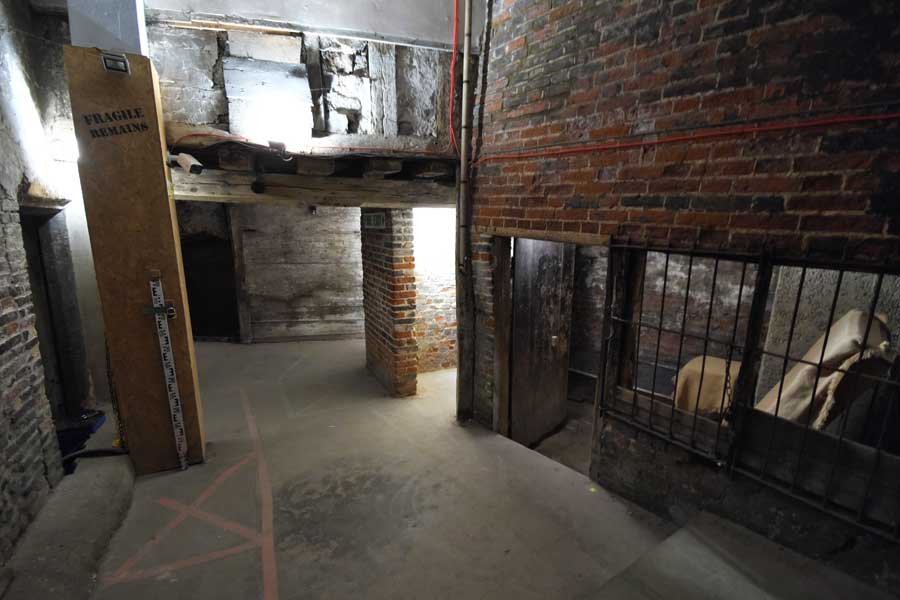
Windows, originally open to light and air, that once looked out onto the castle and its infamous scaffold where crowds gathered to watch public executions.
Ceilings of traditional reed-and-horsehair construction.
Tunnels that lead into cavernous store-rooms, left undisturbed for years.
Solid wooden doors, window-frames and even graffiti that dates back across the centuries are all still visible.
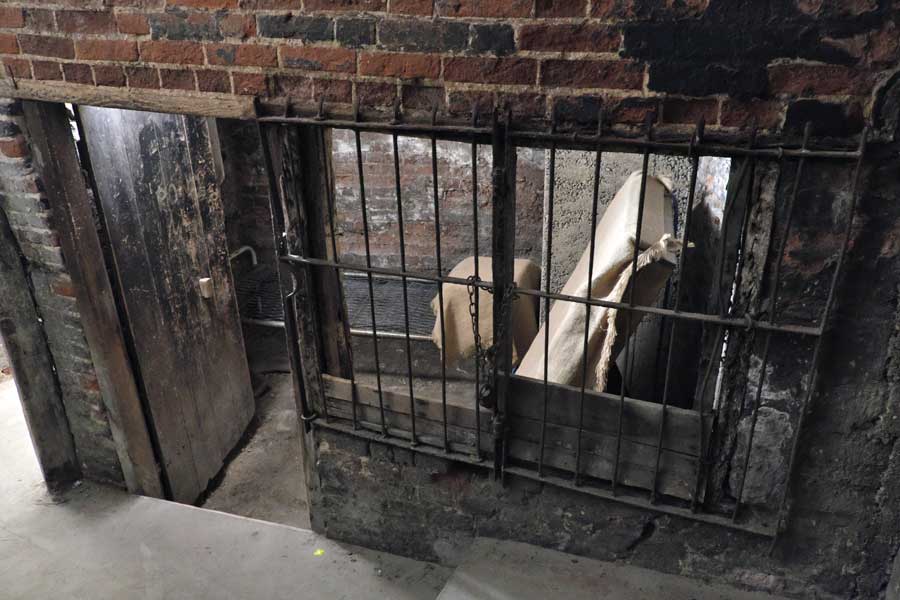
I am in awe.
It’s dim and dusty, and, if your nose is attuned to the past, you might detect a ghostly hint of the blood, sweat, mould and dung (animal and human!) that once permeated the air.
The atmosphere underground is heightened by a few odd artefacts lying around – nothing to do with this particular tour, and definitely 21st century constructions, they’re part of the Escape Room Shoebox also runs in this space.
So, why does Norwich have an underground street?
Well, it’s all due to the vagaries and short-comings of town planners!
Work on Norwich Castle began in 1067. A huge mound was created, and a moat was part of its essential defences.
Over time, these ditches were filled in, with rubbish and human waste (yes, yuk!) and the ground level slowly rose.
Traders set up shops in the sunken street and it soon became a busy thoroughfare.
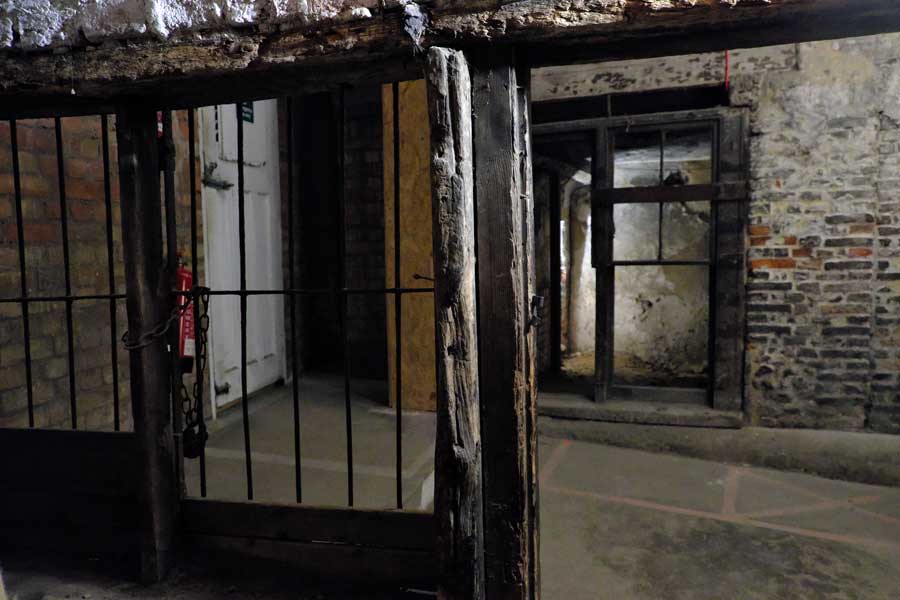
By the late 1800s, shops were being built on top of shops, with the older buildings incorporated as basement store rooms.
This is exactly what happened with Ponds.
Staff knew of the street below, it was even used as a jokey threat – that if they didn’t sell enough shoes they’d be locked in the dungeon! For years, it was open only to staff, mostly ignored and under-appreciated.
When Shoebox Enterprises started trading from the building, they realised what a treasure they had, and opened it up for tours.
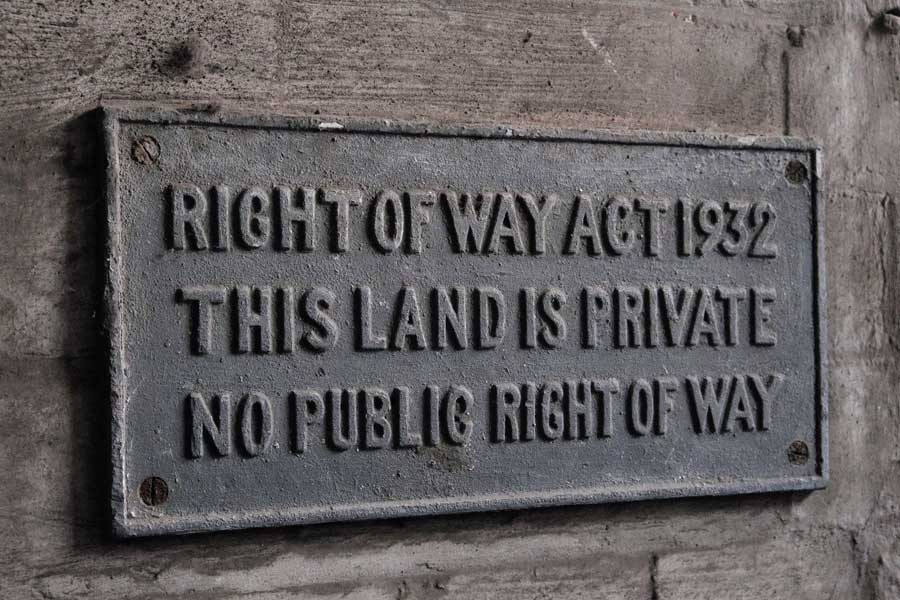
The street isn’t long, but it takes an hour to reach back through the centuries.

From the 15th century weaver’s shop, you stroll past the infamous anti-urination device (designed to splashback on any man who dared pee in public!).
Then through an old, enclosed yard of what was once slum housing before emerging back into the 21st century beside Greggs almost opposite The Book Hive in London Street.

On the way Nyree regaled us with facts, fiction and fun. I always knew the folk of Norwich were a feisty lot, but even Pork Belly, Norfolk born and bred, learned something new.
Go, hear the stories, and see the amazing old space below the city.
More about the Hidden Street of Norwich tours
Shoebox Enterprises put all profits back into local community projects, offering work experience opportunities, support groups, courses, affordable room hire and more.
The company runs a series of different tours throughout the year, including family-fun events and lantern-lit walks.
The Hidden Street tour lasts about an hour and is led by a local storyteller, who blends history and tall tales in an entertaining mix.
It costs £15 for adults, £8 for children aged 4 to 12.
The tour is not wheelchair accessible as it involves two flights of steep stairs and uneven flooring.
Booking details on their website
Where to next?
• Gainsborough Old Hall
• The Manor Hemingford Grey
• Weird and wonderful things to see in France