
Approach Bath via narrow lanes through the heart of the Somerset countryside, and you’ll get a glorious perspective. Bursting over the top of one of the seven hills that surround it, you’ll discover the city, nestling in the valley below.
Time it right and the view will be bathed in sunlight, turning the buildings a soft, buttery yellow. In that instant, you will see why the whole city is a UNESCO World Heritage Site.
There’s so much to see, it’s hard to single out the best. But we’ve tried, so here are our top 7 unmissable things in Bath, (and one not to bother with!).
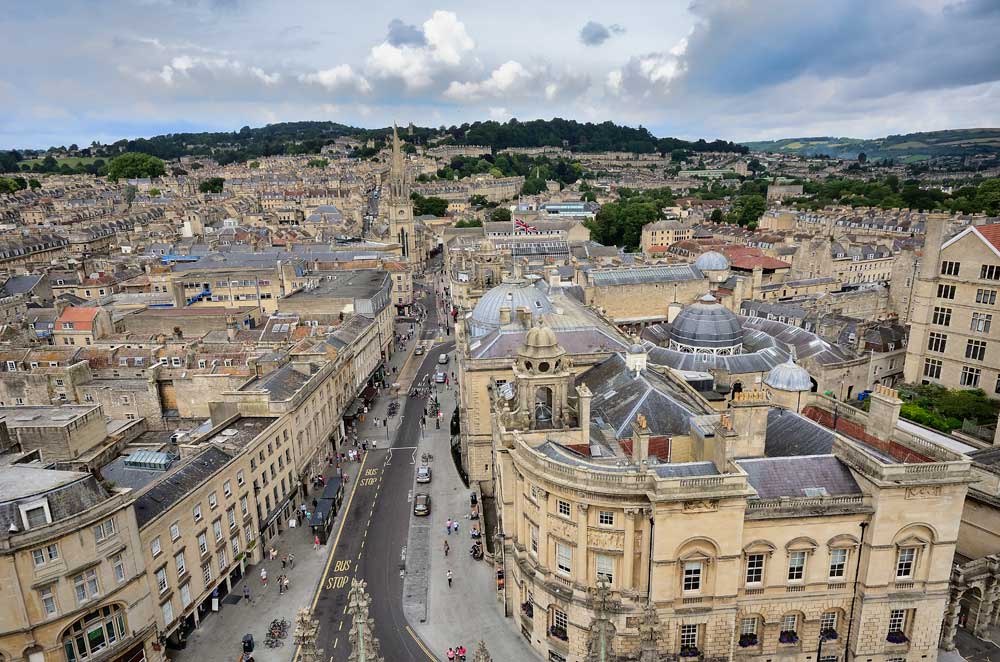
Bath is truly beautiful, with rows of neat houses, mostly built of the local Bath stone, snaking down the sides of the hills.
Ancient Britons, Romans, Georgians and now millennials flock to the city for its many tourist attractions.
But if time is tight, which are the truly unmissable ones?
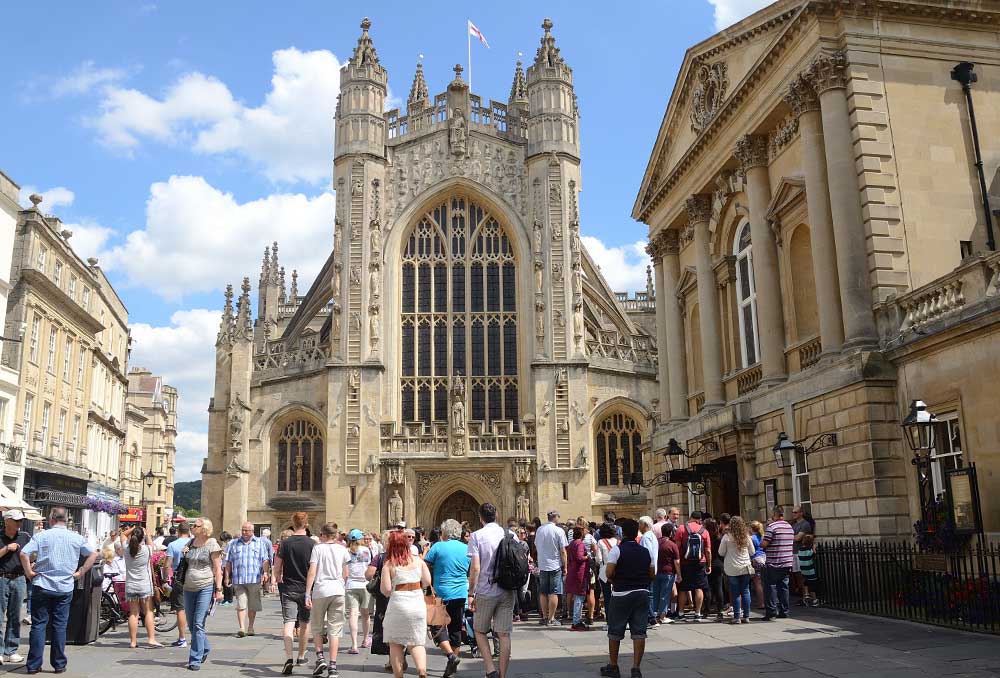
1. The Pump Room in Bath
You can’t budge anywhere in the city without being reminded of Bath’s very special thermal waters. They are the only naturally occurring hot springs in the UK and powered Bath’s economy in the past and its tourist industry today.
No-one’s sure exactly why it happens.
The theory is that rain falling on the nearby Mendip Hills trickles slowly through the porous sandstone rock and heads inexorably downwards to the earth’s heated core.
Then it finds its way back up through cracks and crannies until it finally bursts through the earth’s crust, smack bang in the heart of the city.
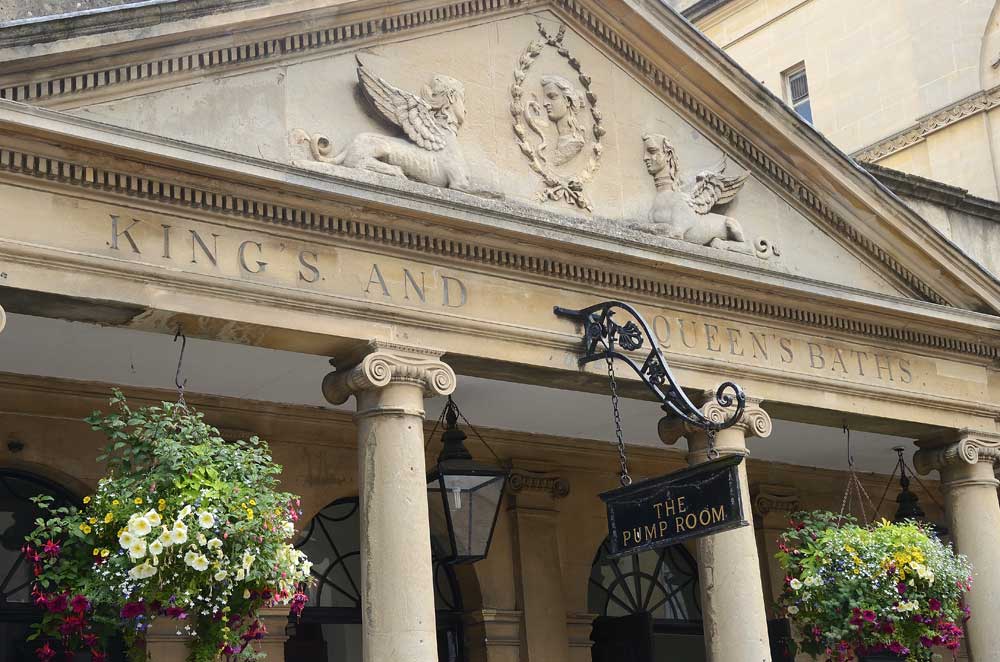
This whole process takes centuries, so if you are standing on the balcony in the Pump Room, gazing down at the dark green pool, you are actually feasting your eyes on water that hasn’t seen the light of day for 10,000 years.
All of which made me feel a bit strange as I watched the bubbling surface.
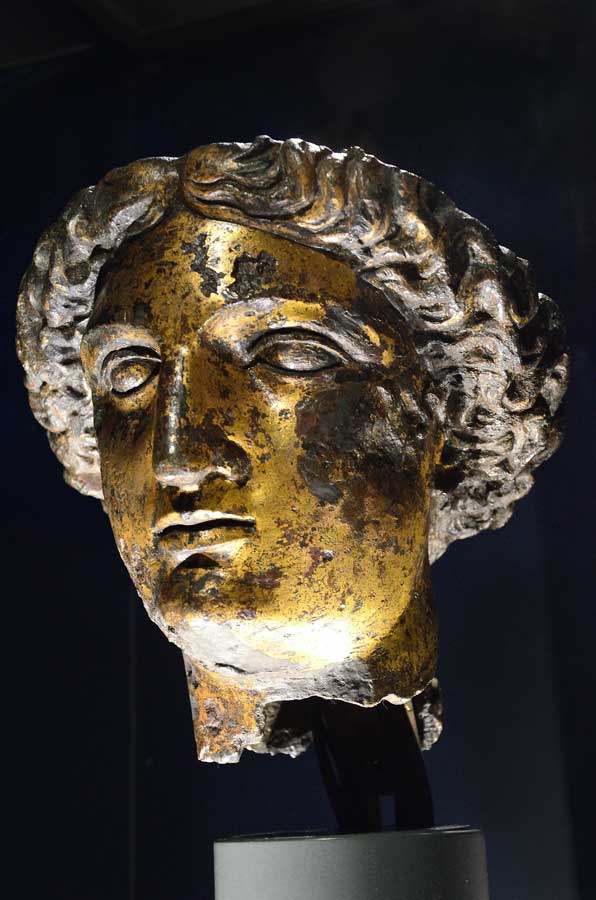
The ancient Britons thought the spring was the work of the gods, and legend says local ruler Prince Bladud was cured of leprosy after bathing in the hot springs. That’s what led him to establish a town there in 863 BC.
When the Romans arrived in AD 43 they got so excited (it must have been a rare patch of warmth for them) that they built a spa and temple instead of their more usual forts and earthworks.
They devised an extraordinary leisure complex dedicated to the goddess Sulis Minerva and Aquae Sulis, as Bath was called then, became a very desirable location.
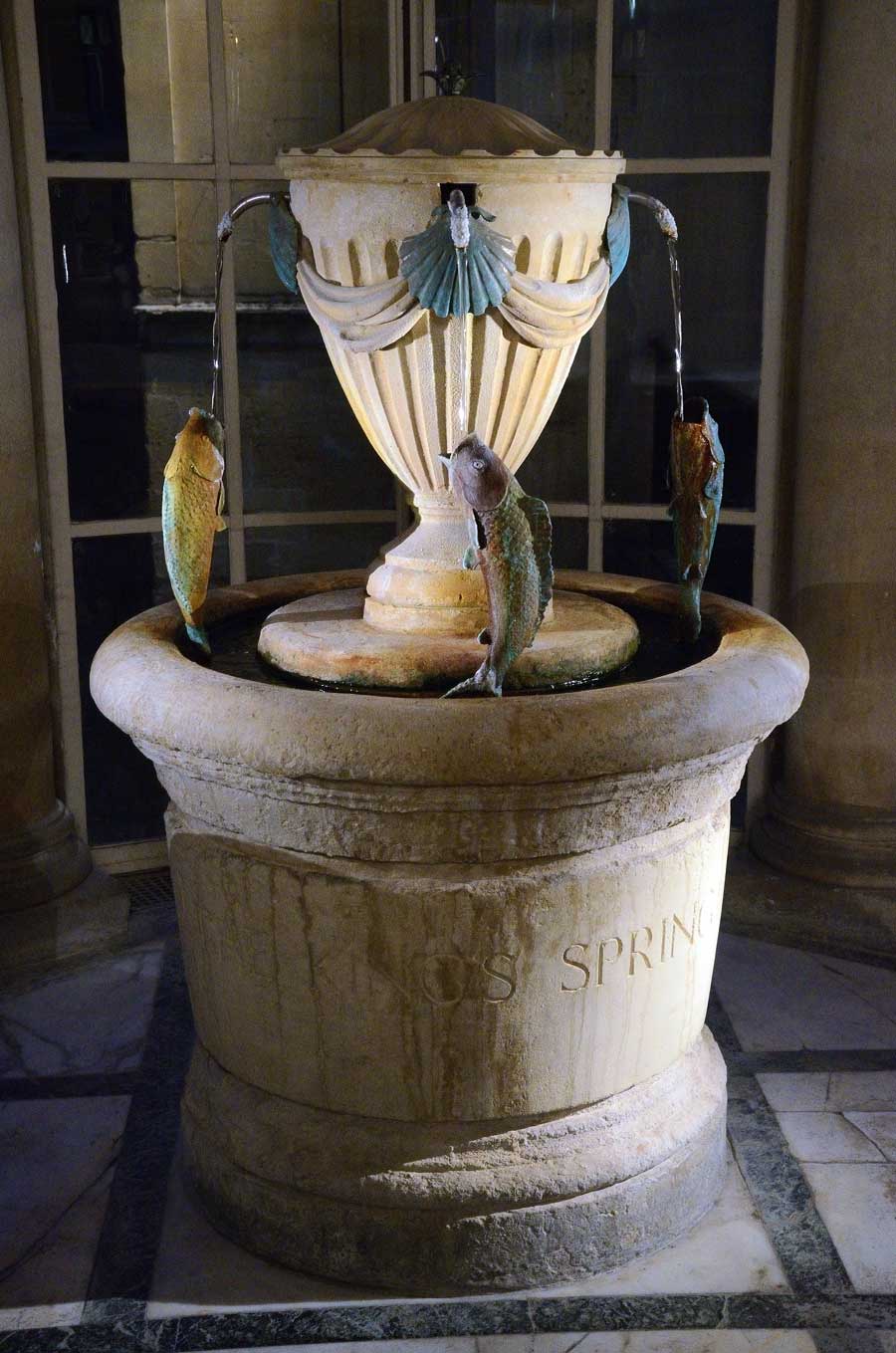
‘Taking the waters’ in the Pump Room, as they did in Regency Times, is a must.
So we did … and they are, quite frankly, disgusting!
Packed with minerals, they won’t do you any harm, but it’s hard to describe the taste; neither salty nor sweet and as warm as old bath water.
If you don’t fancy drinking the waters, you can always soak in them at the Thermae Spa Baths.
2. The Roman Baths
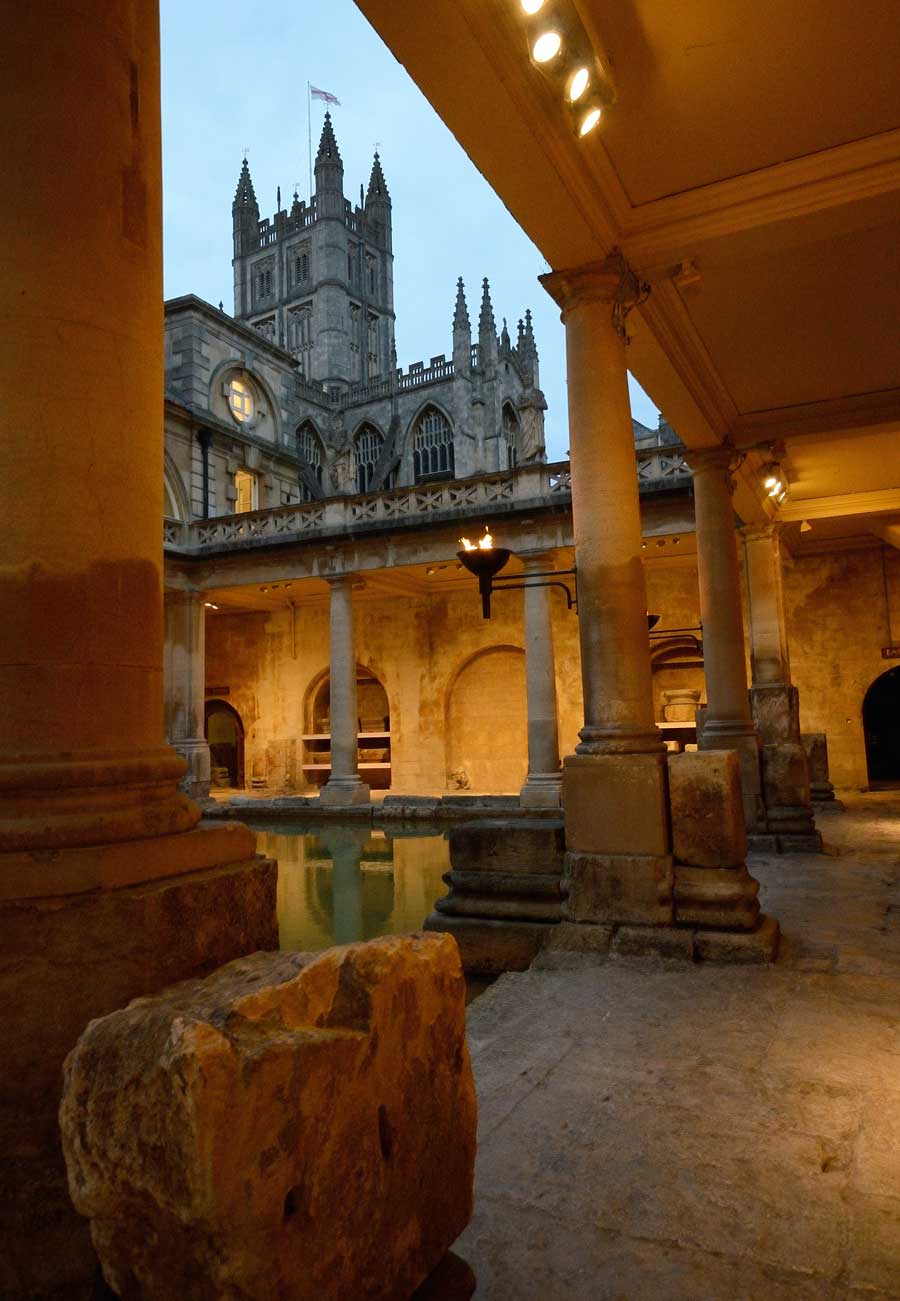
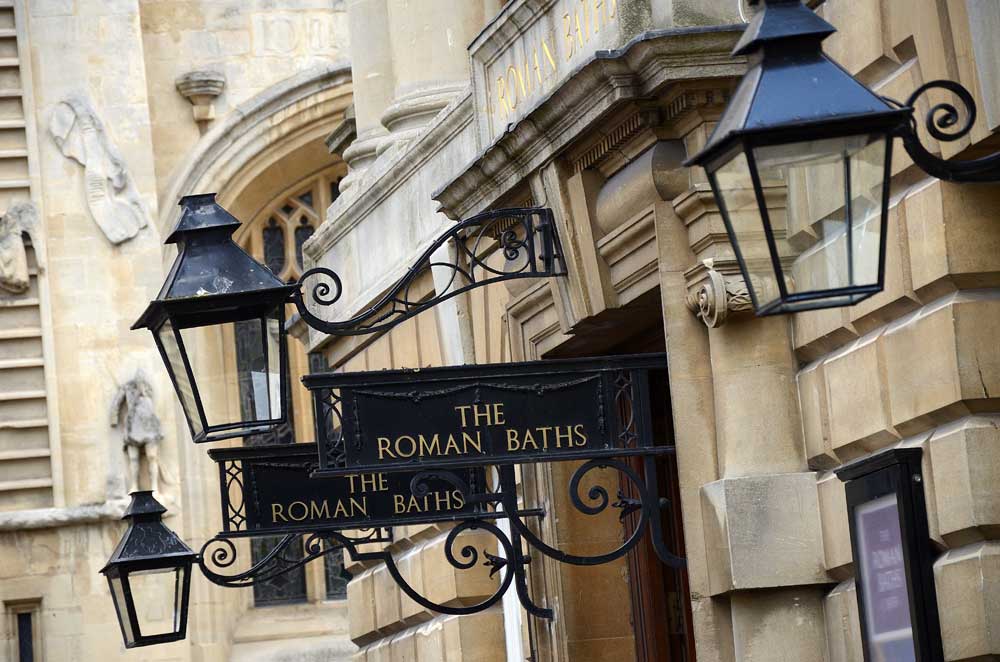
If you do nothing else to experience Bath’s history, you really must visit the Roman Baths. They are spectacular at any time of day, but go at twilight you’ll avoid most of the crowds and see them by torchlight under a deepening night sky.
The displays are well laid out, packed with amazing ancient artefacts.
The audio-visuals are entertaining and the commentary on the hand-held device is stuffed full of information.
Even so, halfway through our visit I had to switch off the guide, sit down quietly and try to absorb it all.
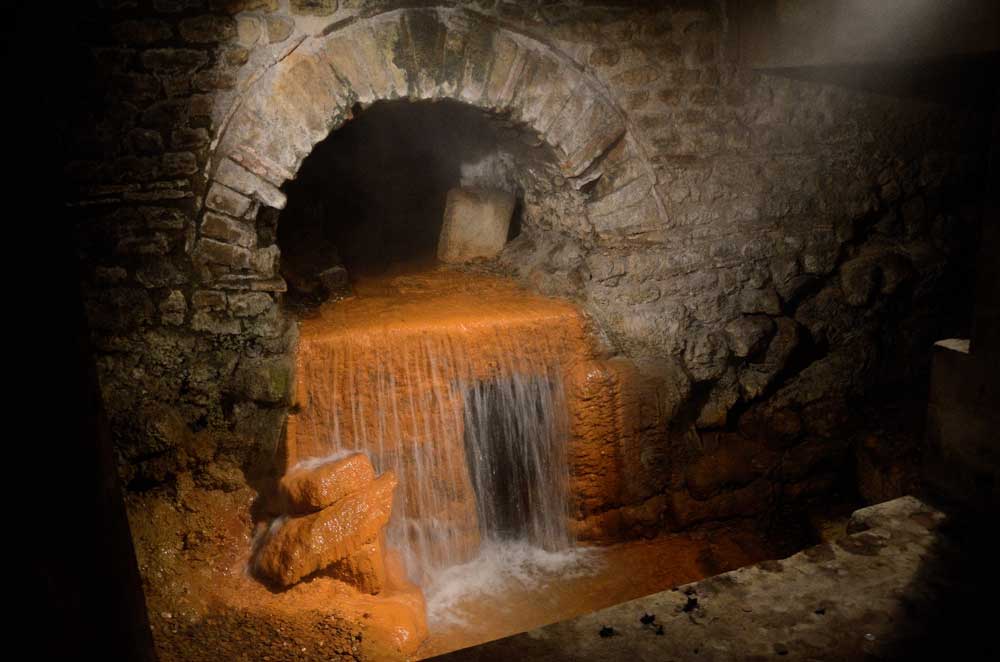
The actual Roman Baths are the main attraction, and you can sit around the edges for ages, breathing in the atmosphere.
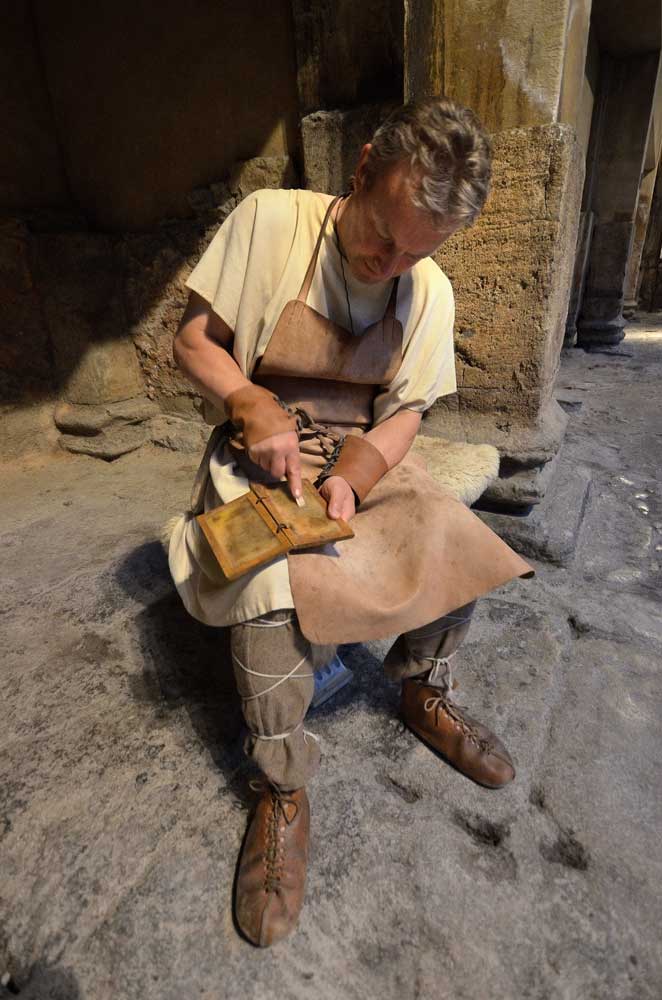
Live actors play the parts of Roman stonemasons and other crafts-people and stay in character throughout.
Best of all is the overflow drain; a feat of Roman engineering which channels hot water from the depths of the earth’s core. 2,000 years later, it still works just fine.
3. Bath Abbey Tower
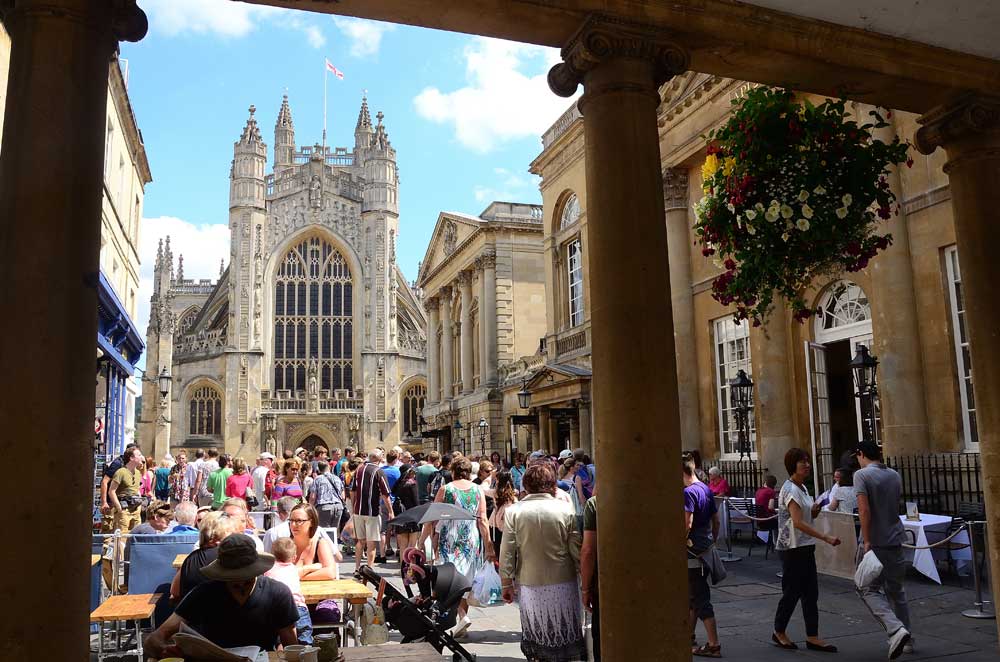
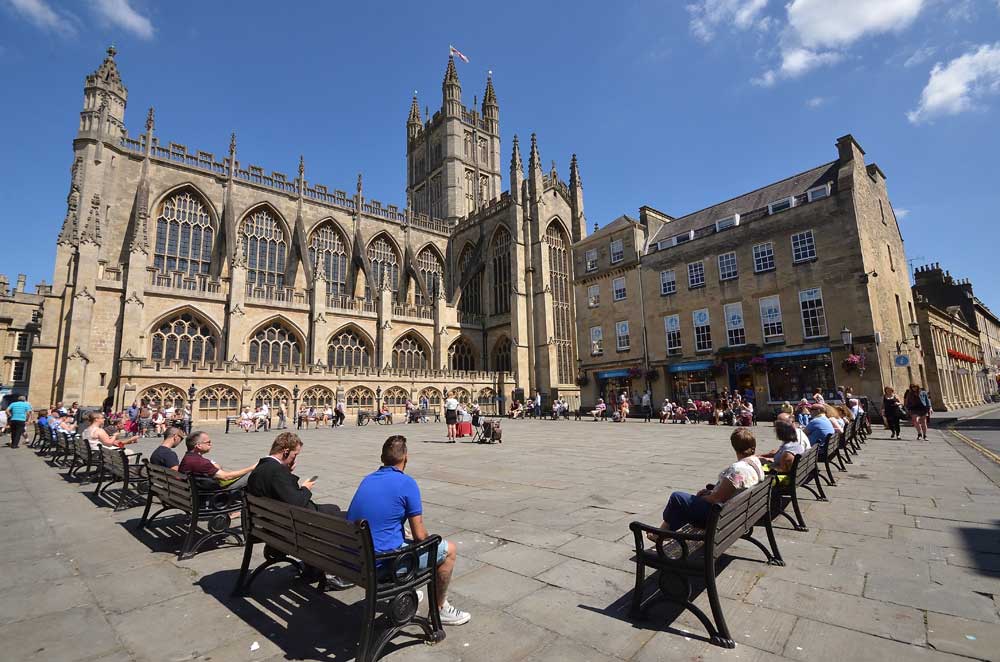
There’s been a place of worship on the site since 757 AD, when there was an Anglo-Saxon monastery with extensive grounds and buildings. The current Abbey began to take shape in the 1600s.
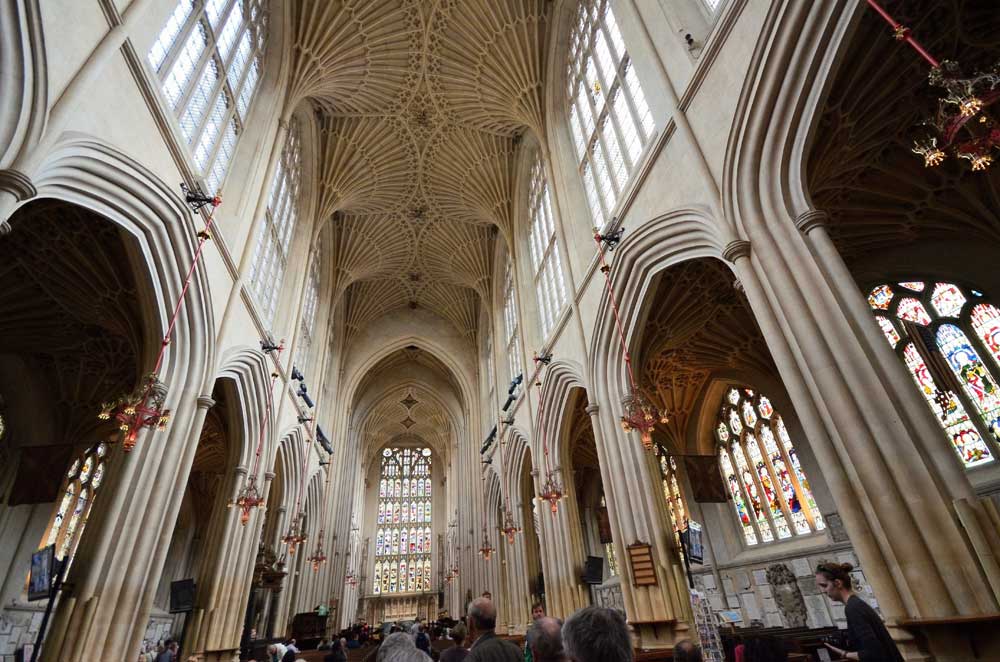
It’s a beautiful and peaceful place to visit, and the atmosphere is calm and welcoming.
The guides are very helpful. We were looking for a particular monument, and they took a lot of time helping us track it down.
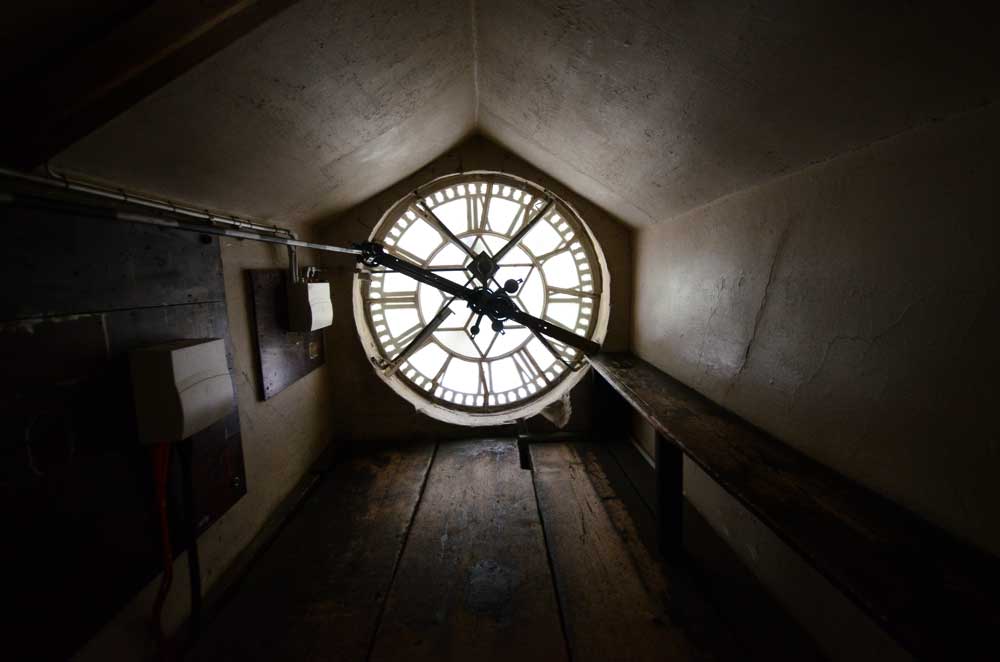
You’ll need a bit of energy to tackle the Tower – it’s 212 steps and I admit I was puffing by the top – but the Tower Tour is highly recommended.
On the way, there’s a chance to get behind the huge clock face and discover its workings
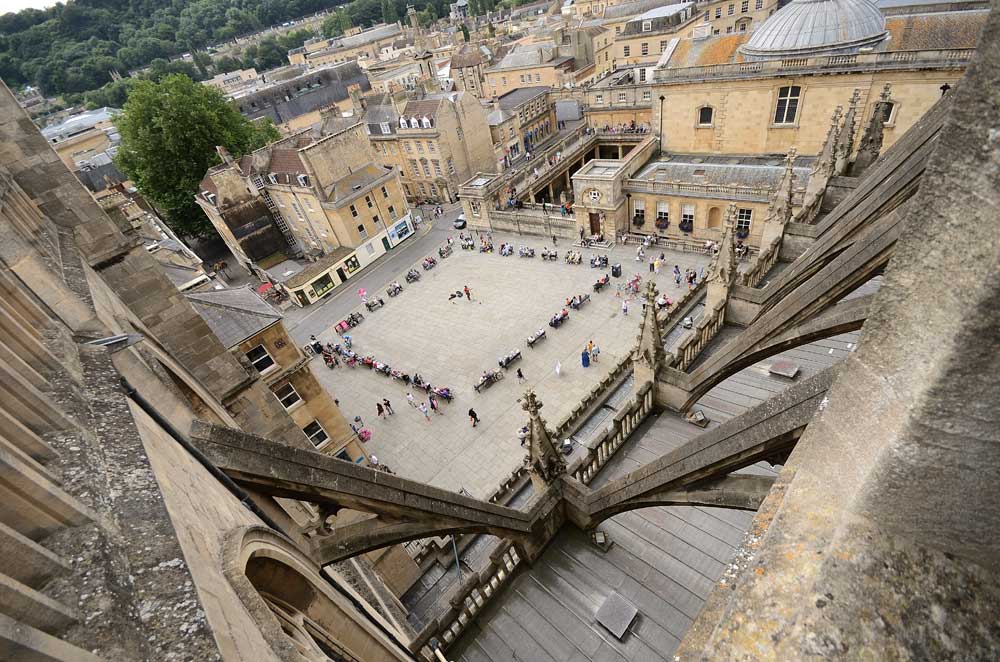
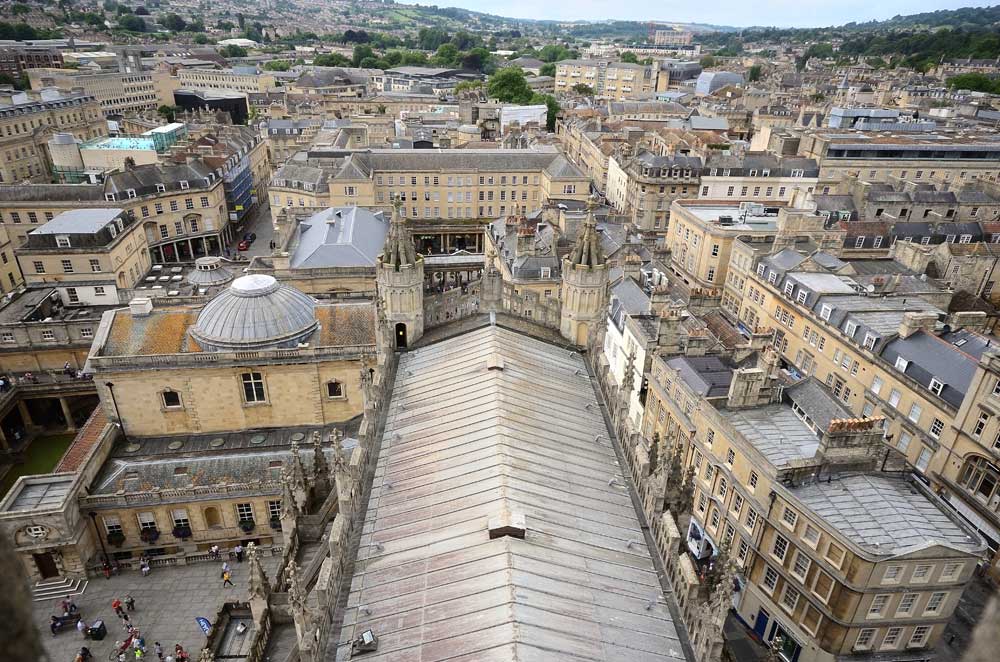
The view from the top is well worth the effort, if a little vertigo-inducing.
4. Number One Royal Crescent
Bath has been a travel destination for centuries, but the arrival of the Georgians sealed its popularity. The fashionable folk came during the ‘season’, when London was too thin of company to make it bearable for those who couldn’t live without parties.
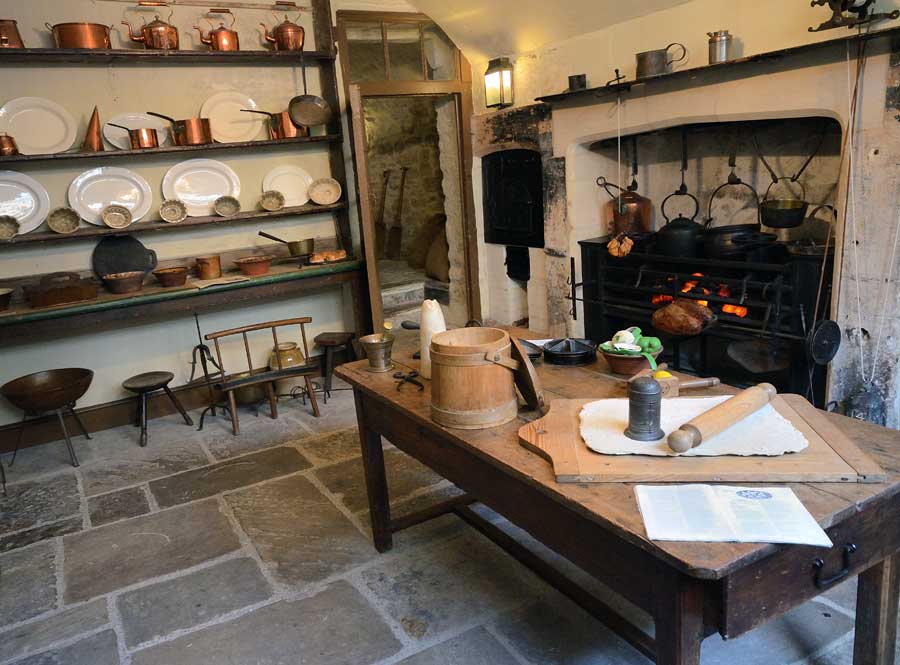
In their wake came the scaff and raff of society. Merchants, traders, gamblers and adventurers, all looking for a way to get rich.
Balls, tea-dances and picnics were the social cover for marriage-making and the art of rational conversation was much admired.
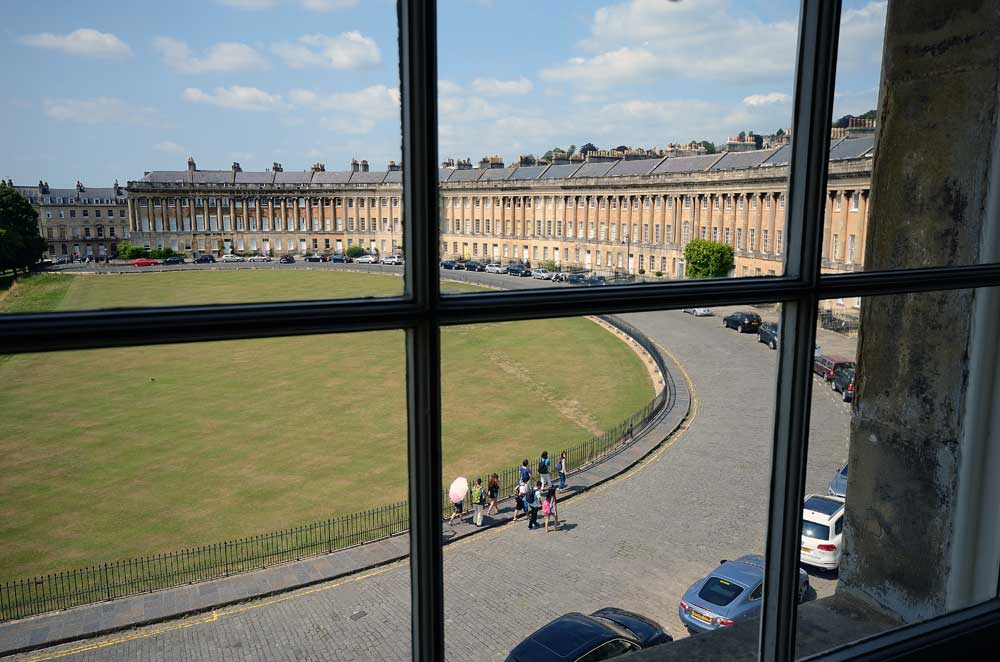
Jane Austen was a regular visitor to Bath and used the city as a setting for two of her novels, Persuasion and Northanger Abbey. You can walk in her footsteps in the beautiful crescents, Palladian parades and pokey passages.
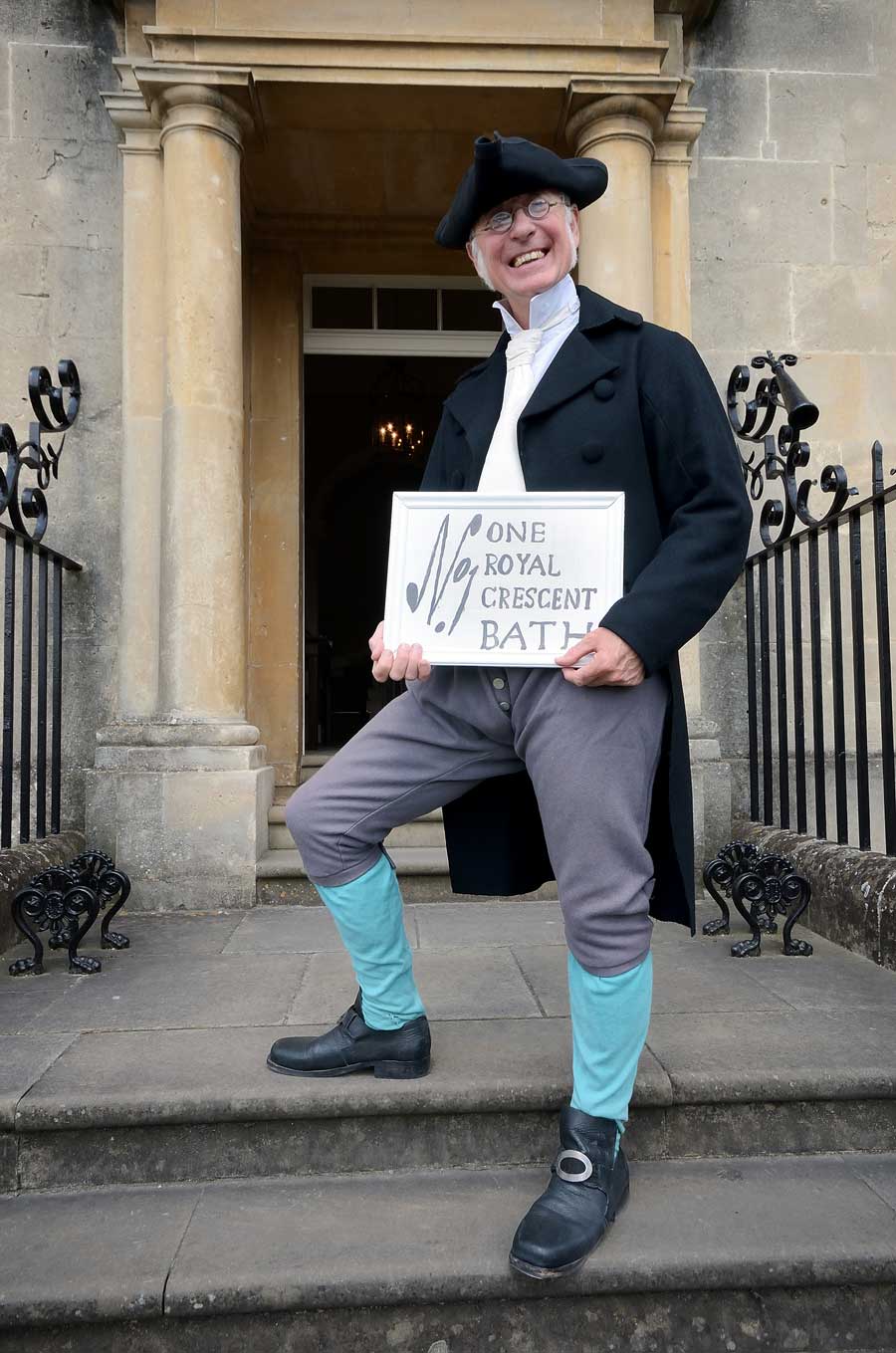
If you’re not familiar with the Georgian way of life, No: 1 Royal Crescent is the perfect introduction. A home set out exactly as it would have been when its owner Henry Sandford lived there in the late 1700s.
Friendly and knowledgeable guides make the visit come alive, and the views of Royal Crescent from its windows are stupendous.
5. Old Theatre Royal and Masonic Hall
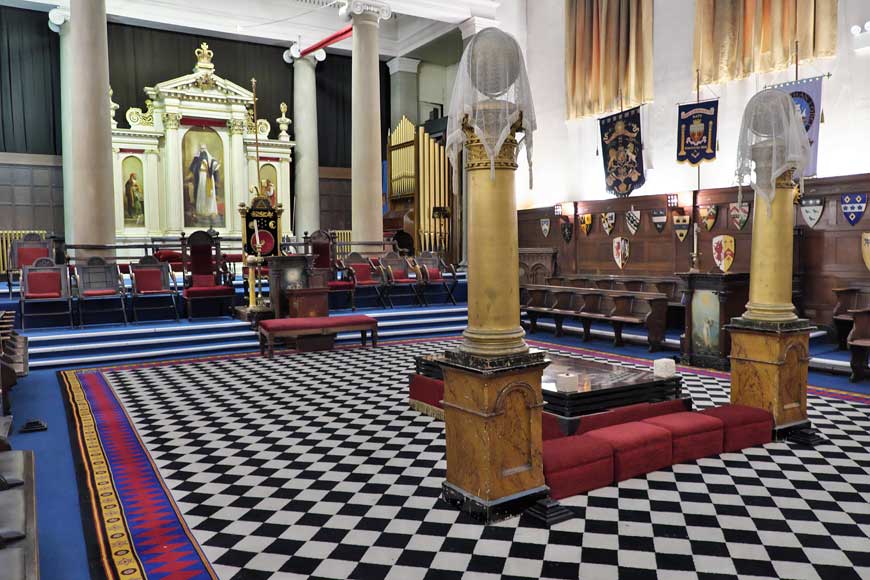
This one slips under most people’s radar, but it’s well worth a visit.
A tour of this unassuming building in Old Orchard Street takes you on a journey from theatrical high-jinks, through solemn chapel services and burials to the fascinating and slightly strange treasures of the Masons Museum.
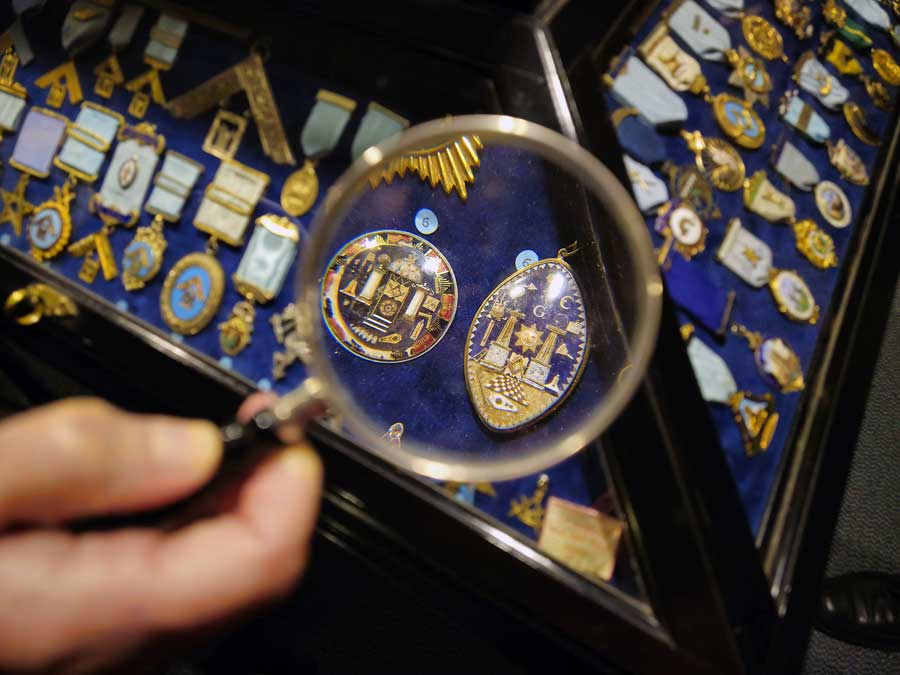
If you’re lucky, as we were, a Worshipful Master will be your guide, willing and able to answer any questions you have about Freemasonry.
Absolutely fascinating.
6. Enjoy a Sally Lunn or Bath Bun
There’s plenty of choice when eating out in Bath, everything from the large chains to independent restaurants. We particularly enjoy The Green Rocket Café.
And of course there are dozens of Georgian-inspired teashops, some of them pretty pricey.

But no visitor can escape the Sally Lunn vs Bath Bun debate.
Which is the original local delicacy? And which one is best?
Sally Lunn’s Historic Eating House certainly lays a strong claim.
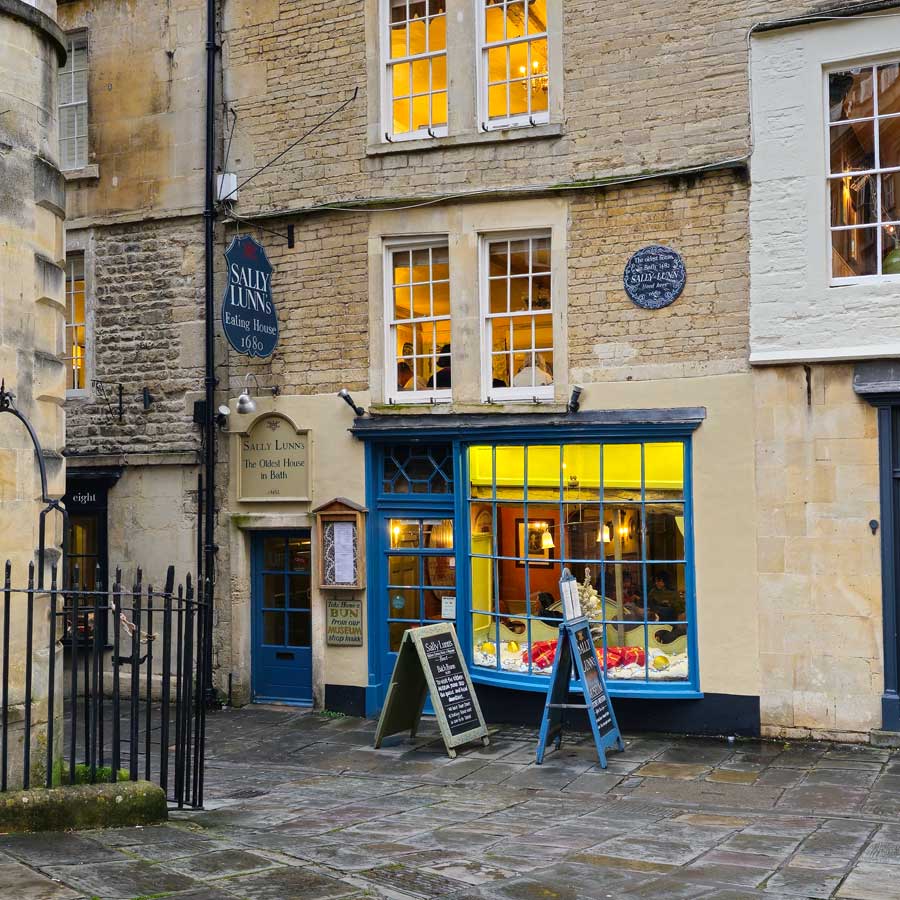
You can have a sit-down tea in the bay-fronted tearoom, but a cheaper option is to visit their shop in the cellar for a Sally Lunn takeaway.
While you’re there, don’t miss the fascinating but tiny museum, with its excavations of the old cellar walls and floors. Sally Lunn herself may be a legend, but there’s a real slice of history to be had here.
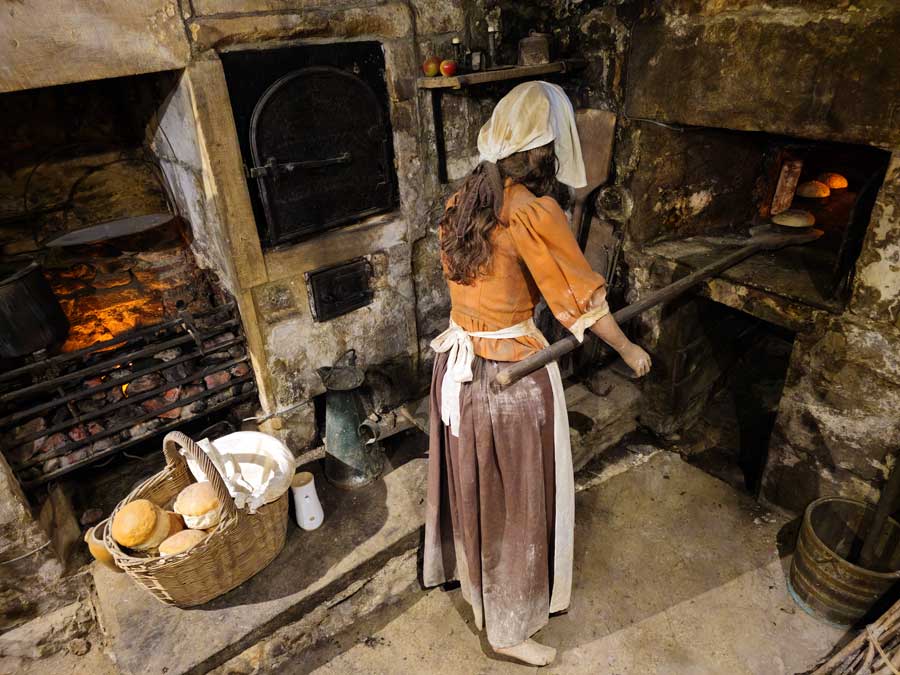
On the other side of the shop you can see remains of the wall of the Priory refectory, a tiny glimpse today of medieval Bath.
7. Pulteney Bridge
Pulteney Bridge and the sweeping horseshoe weir on the River Avon below is the most iconic and photographed image of Bath.
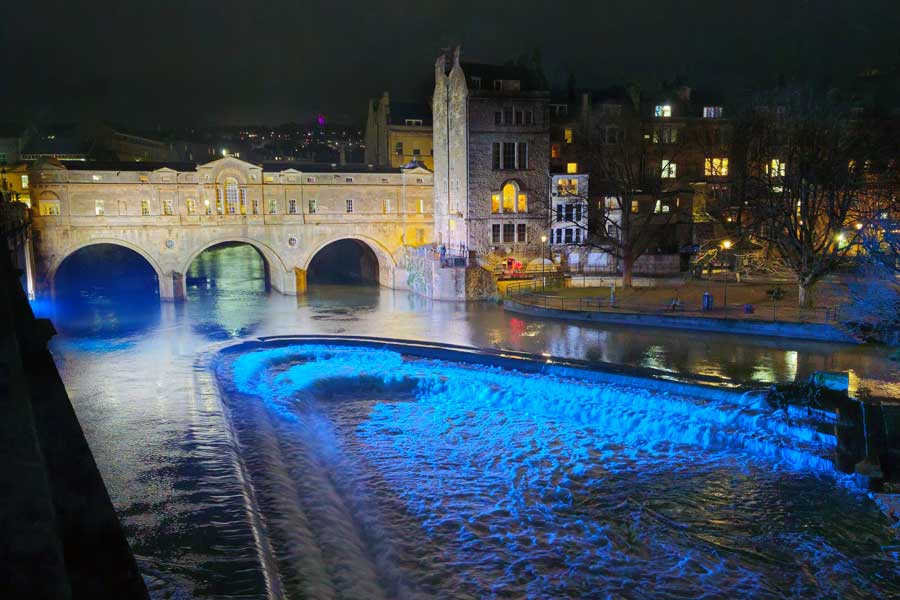
Built in 1769 with a budget of £1,000 it actually cost around £10,000, but I reckon the city’s had its money’s worth over the years as a tourist attraction.
One of only a handful of historic bridges that still have shops on them, mainly tearooms and cafés, but you’ll also find antiques, books, coins and high-end fashion.
One to miss? The Jane Austen Centre
Sorry Jane Austen fans, we didn’t think much of this attraction. We recommend a visit to Jane Austen’s House in Hampshire instead!
More information on Bath
Bath is less than 2 hours from London by train and a great place for a short or long stay. The very helpful Visit Bath website has lots of information on where to stay and what to do, including the Carnival in July and the Jane Austen Festival every September.
All photographs are copyright © rosemaryandporkbelly
Where to next?
• Famous UK film locations
• The Secrets of Brompton Cemetery
• 5 English Heritage sites in Sussex