
Our one and only boating holiday was so disastrous we’ve never repeated the experience.
Remind me to tell you about it someday.
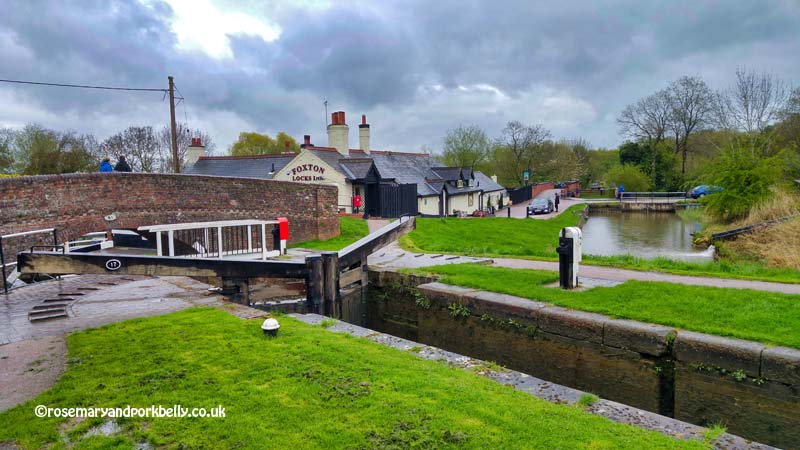
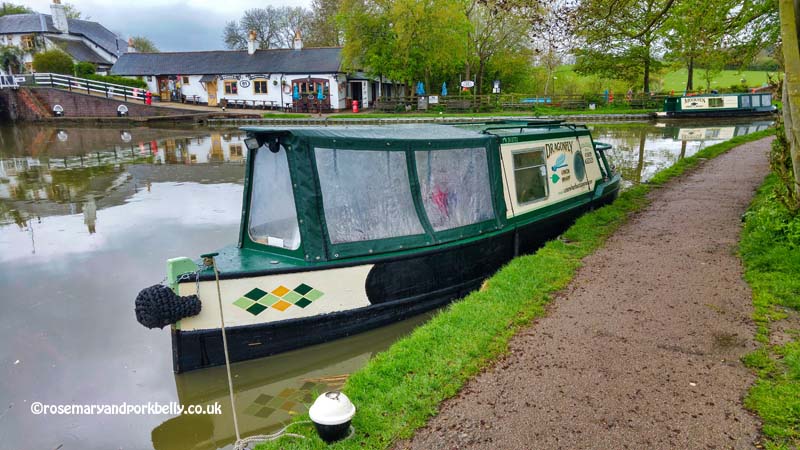
But there is something wonderfully peaceful about watching others take to the waterways, especially when the location is as beautiful as Foxton Locks in Leicestershire.
The canals that criss-cross the British countryside are masterpieces of engineering.
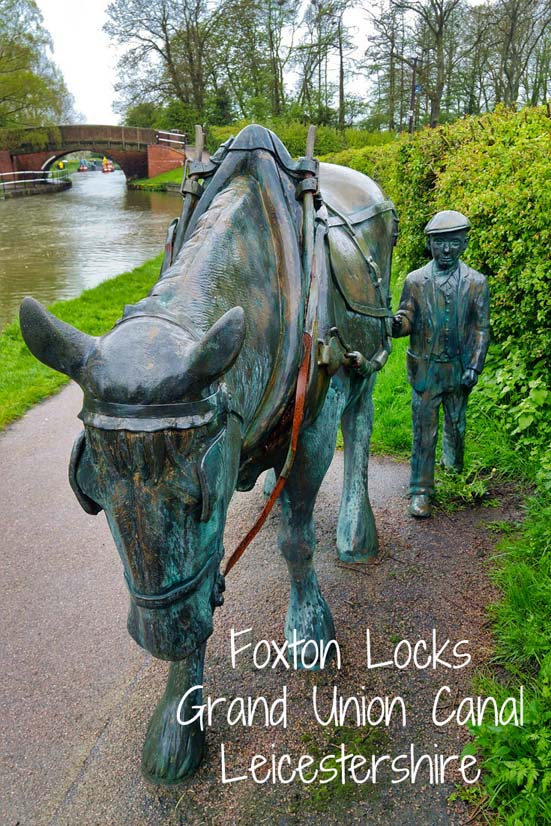
Mostly hand-dug by teams of “navvies” (short for navigators) the inland waterways linked the industrial centres of the 18th century and spawned a brand-new lifestyle, with whole families living a pretty tough life on board.
They made sure the raw materials got to the factories, driving the British economy ever onwards.
Holidaymakers and history

Nowadays, it’s a completely different affair, with holidaymakers and locals alike taking to the water for pleasure.
Even those who live on narrowboats all year round enjoy a leisurely pace of life, although I didn’t envy any of them on the somewhat damp weekend we spent idling along the towpaths.
But when the sun shines, there’s no finer place.

Longest and steepest staircase locks
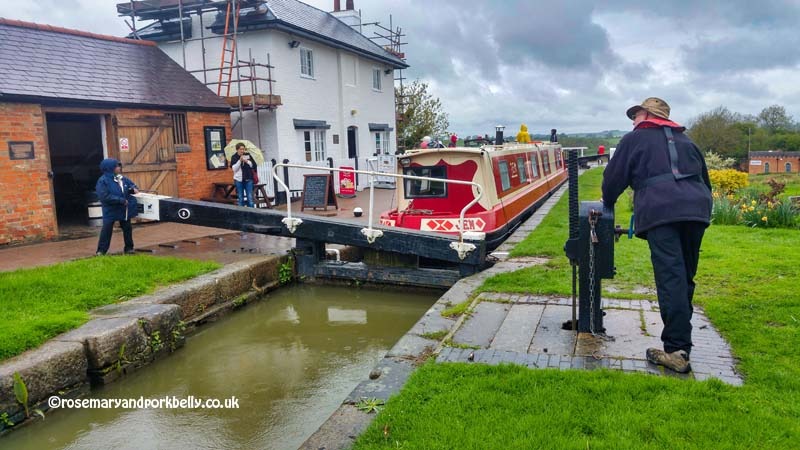
It’s an impressive flight of ten staircase locks, the longest set in Britain, and takes around 45 minutes for boats to pass through.
On busy days, there can be as many as 40 craft waiting, so patience is definitely a virtue.
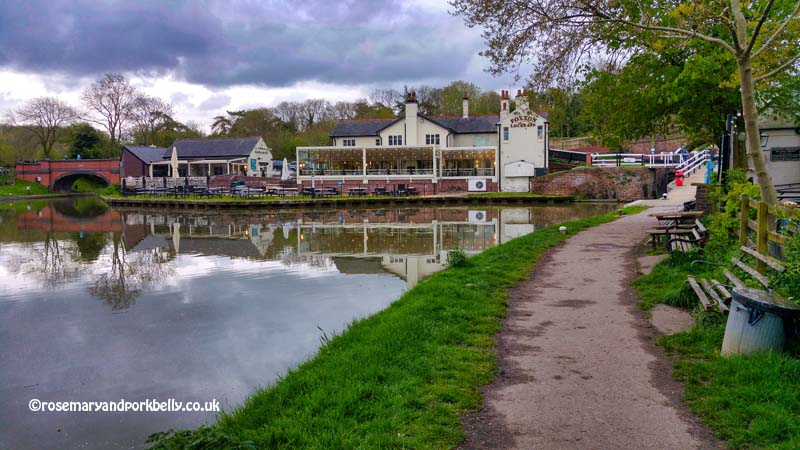
But with a tiny café at the top, a traditional boating pub, Bridge 61, at the bottom, The Foxton Locks Inn family eatery nearby and the small but fascinating Boiler House Museum to visit you can easily while away the hours.
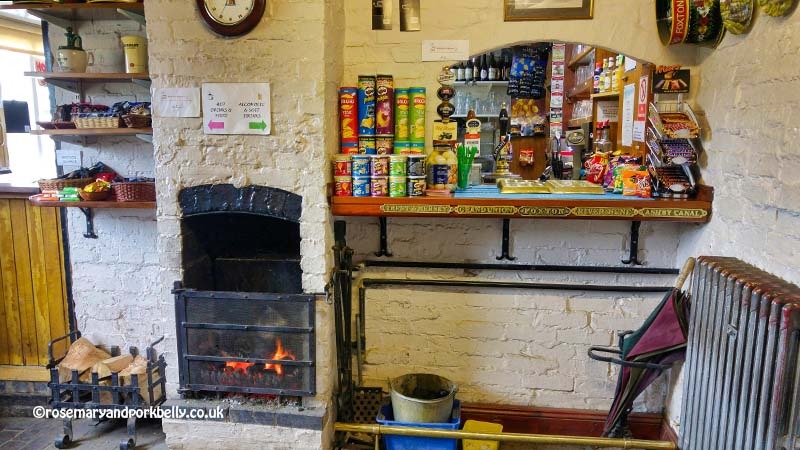
Foxton Locks Museum
Inside the tiny museum you’ll find reconstructions of old narrowboats, films and displays about every aspect of life on board and examples of the traditional and highly decorated Measham ware – water cans, teapots, mugs, jugs and plates.

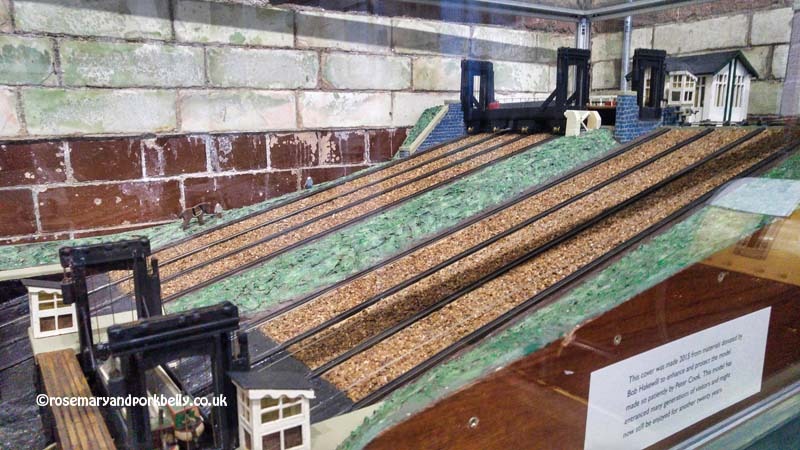
Alongside the locks you’ll find the site of an extraordinary piece of engineering – the Inclined Plane – built in 1900 as a bypass to the bottleneck at the locks. This allowed boats to be hauled sideways up and down the hill.
It only ran for ten years and wasn’t a commercial success but would have been an amazing sight with narrowboats and barges gliding smoothly upwards.
There is a campaign to restore it but judging by the overgrown state of the area now it’ll take a mass of money.
Volunteer lock-keepers are on hand to steer the floating traffic and are well-trained with a lot of local knowledge, which they cheerfully share with boaters and visitors alike.
It was wet, windy and pretty chilly on our visit, but they all stayed sunny-tempered.
Chatting with one boat-resident, I wondered why she took to the water on such a miserable day.
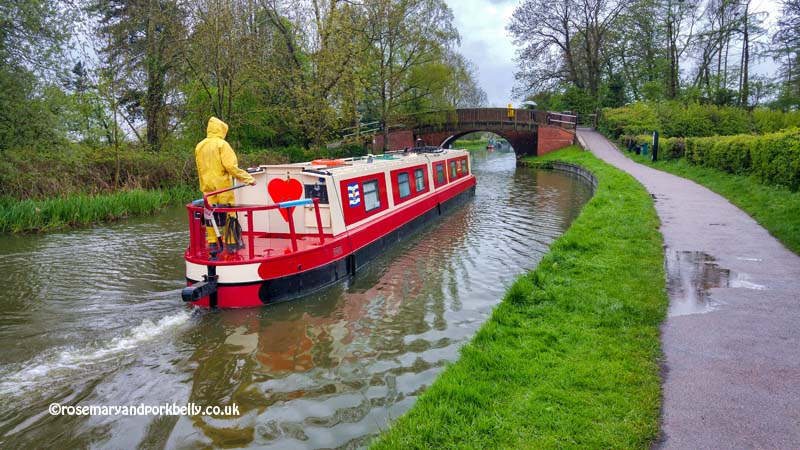
“I’ve arranged to meet friends a few miles along the canal, so I have to be on the move. Normally I’d be moored up, snug and warm by my fire on a day like this!”
With a cheerful wave under her big brolly, she sailed on by, and I was almost tempted to give narrow-boating another try.
Almost.
More information about Foxton Locks
You may be interested in the work of the Canal and River Trust, a charity which looks after 2,000 miles of UK waterways, protecting its locks, bridges and wildlife.
More about Foxton Locks here and on the Go Leicestershire site
Where to next?
• Richard III Visitor Centre
• A slice of Bakewell pudding history
• Agnes Marshall