
Forget castles and cream teas for a moment. Britain’s most intriguing spots might just be lurking beneath your feet. Across the UK, you’ll find abandoned slate mines, secret wartime bunkers and eerily echoing Victorian tunnels, all open to the public.
Last week we shared our experience of the wonderful Ingleborough Cave in the Yorkshire Dales. But there are many more deep-down delights to discover.
Try these…
Carnglaze Caverns, Cornwall

Once a working slate quarry, Carnglaze Caverns is now a curious combination of underground crystal cavern, historical site and part-time concert hall. Situated on the edge of Bodmin Moor, the caverns were hand-dug by Victorian miners and later repurposed as a secure space for storing rum during World War Two.
Today you can meander through three main caverns, marvel at the underground lake and, if you’re lucky, catch a gig in the cool hush of the Slate Barn auditorium. Concerts here are more than a novelty, this venue regularly hosts folk, rock and acoustic acts, and even weddings can be held deep underground in either the Rum Store or beside the lake.
Walking around the caverns usually takes around 25 to 50 minutes, with an optional woodland walk of about 20 minutes above ground.
Entrance Fees: Self Guided – Adults £12, concessions £10, children (3 to 15) £8, under 3s free. 45 min Guided Tour – Adult £17, concessions £15, children (3 to 15) £13, under 3s free. Family tickets available.
Accessibility: Uneven ground and steps mean it’s not ideal for wheelchairs or prams. Sensible shoes highly advised.
Café: The Tea Shed is open Wednesday – Sunday, 10am to 4pm serving coffee, crumpets, cakes, and other treats plus a range of gluten free, dairy free and vegan food.
Parking: Free parking on site with dedicated low mobility spaces.
More info on their website.
Brunel Museum, London
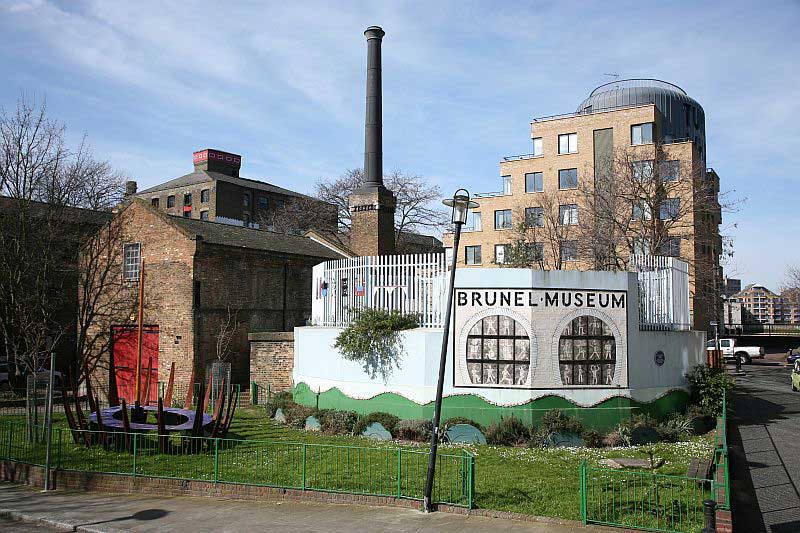
Before Crossrail, before the Tube, there was Isambard Kingdom Brunel’s Thames Tunnel, the world’s first underwater tunnel and quite possibly the Victorian era’s most ambitious engineering project. Built between 1825 and 1843, this tunnel was such a sensation that people paid to walk through it just for the novelty of being under the Thames without drowning.
The museum sits in the original Engine House in Railway Avenue, Rotherhithe. You can descend into the Grand Entrance Hall, a magnificent cathedral-like shaft (about 50 ft wide and deep), once the site of underground fairs, banquets and celebrations when the tunnel first opened.
The tunnel itself now forms part of the London Overground network, but special tours and events let you explore the original pedestrian walkways and learn about this engineering marvel.
Getting married? The Brunel Museum can accommodate wedding ceremonies up to 120 guests on the site of the first tunnel and underground theatre built underwater anywhere in the world.
Entrance Fees: Self-guided including Gift Aid – Adults £10, concessions £7, under 16’s free, local (SE16/SE8) £2.50. Guided Tours at the Brunel Museum run every second weekend of the month subject to guide availability.
Open: Friday – Monday 10:30am to 3:30pm. Winter Opening (2 Nov-8 Feb): Sat and Sun only.
Accessibility: The museum is accessible, the shaft space less so; check ahead for event-specific info.
Café: No café on site but you can find a number of cafés and pubs nearby.
They also have an Escape Room.
More info on their website.
Nottingham Castle & Nottingham’s City of Caves, Nottingham

Nottingham isn’t just built on history, it’s carved straight into it. Beneath the city lies one of Britain’s largest surviving networks of man-made sandstone caves, quietly hollowed out over more than a thousand years.
At the heart of it all are the caves beneath Nottingham Castle, carved into the soft sandstone cliff on which the fortress stands. These caves have been used variously as storage cellars, breweries, defensive spaces and, during times of unrest, places of refuge. Some sections were later adapted as air-raid shelters during the Second World War, adding another layer to their long and practical history.
But the castle caves are just the beginning. Scattered across the city centre are over 800 recorded sandstone caves, many hidden beneath pubs, shops and streets. Historically they served as everything from medieval tanneries and malt kilns to domestic living spaces and ice houses. Nottingham’s geology made underground expansion easy, and generations took full advantage.
Today, guided tours run through several key sites, including the castle caves and the City of Caves attraction beneath the Broadmarsh area. Visitors can walk through narrow rock-cut passages, see centuries-old tool marks and hear stories of medieval trades, Victorian industry and wartime survival, all without leaving the city centre.
Tickets for Nottingham Castle: Adult £15.60 the first 3 children are free per adult ticket purchased. Additional child tickets £5. Tickets last a year and E-Tickets are available.
Tickets for City of Caves: Joint adult ticket £21, Joint child ticket £17, Joint concession ticket £20. Family tickets available, and you can book on-line.
Nottingham Castle Museum & Art Gallery
National Justice Museum – City of Caves
Zip World Llechwedd, Blaenau Ffestiniog, Wales
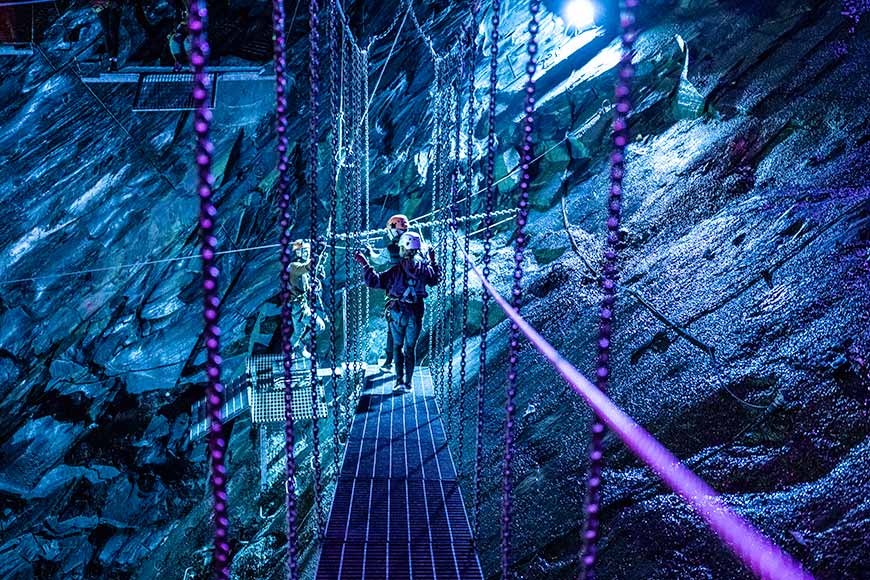
Blaenau Ffestiniog was once the slate capital of the world and the Llechwedd Slate Caverns were its crown jewels. Now, it’s home to Zip World; part underground history tour, part adrenaline-fuelled adult playground.
Dive into Welsh mining heritage on the Deep Mine Tour, exploring 10 incredible mining chambers and an underground lake with immersive lighting and projection storytelling. The tour takes around 1.5 hours and includes a unique cable railway ride back to the surface.
For thrill-seekers, the Underground Adventure Caverns course offers zip lines, rope bridges and obstacles set within old slate workings, a surprisingly fun fusion of mining history and modern adventure.
Entrance Fees: Deep Mine Tour from £24, Bounce Below tickets from £25. Caverns from £69. Booking ahead recommended.
Accessibility: The historical tour is not suitable for those with mobility difficulties. Zip World attractions have height and age restrictions.
Café: A café and a bar on-site serving hearty Welsh fare. Bring your appetite and maybe a flask of bravery.
More info on their website.
York Cold War Bunker, Monument Close, York

Tucked quietly away in suburban York, this 1960s relic once housed the Royal Observer Corps, tasked with tracking nuclear fallout. The bunker was in operation from 1961 until 1991 and is preserved as a fascinating time capsule of Cold War paranoia, all beige utility chic, blinking dials and retro communications equipment.
Under English Heritage care, the guided tour takes you through decontamination rooms, dormitories and a control room still full of eerie Cold War tech and it remains a standout for anyone curious about 20th-century history.
York Cold War Bunker is currently closed, due to a maintenance issue beyond their control. They hope this will be resolved soon and will update their website accordingly.
Williamson Tunnels, Liverpool
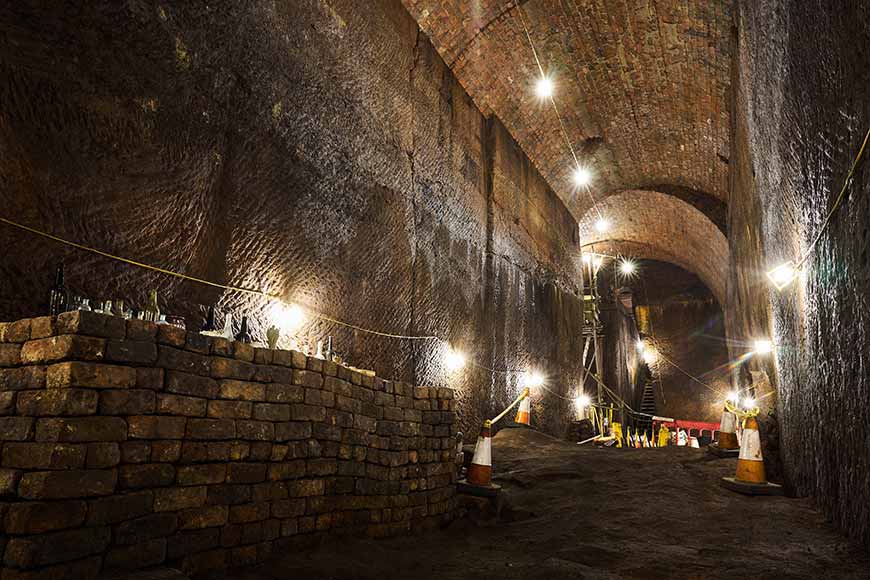
Release your inner mole! Meet Joseph Williamson, Liverpool’s most eccentric philanthropist, or perhaps just a man who really liked digging. These tunnels were built in the early 1800s under Edge Hill; their true purpose remains a mystery to this day.
Williamson, sometimes nicknamed the “Mole of Edge Hill,” employed workers to create an extensive subterranean labyrinth of brick vaults and chambers. Many theories exist, philanthropic works to provide employment, hidden retreat chambers, or simply architectural whimsy, but none are definitive.
Today, sections like the Stable Yard area are open via guides from the Joseph Williamson Society, with artefacts on display and regular talks or themed events.
Entrance Fees: Adults £5, £3 for children. Concessions and Family tickets available.
Open: Fridays, Saturdays and Sundays. All tours must be booked in advance by telephoning 0151 709 6868 between 10.00am and 3.00pm
Accessibility: Steep steps and uneven floors; not wheelchair accessible.
Café: Coffee and snacks available at the café
More info on their website.
Chislehurst Caves, Kent
Chislehurst Caves are not caves at all but an intricate 22 mile network of man-made tunnels carved for chalk and flint, later used for ammunition storage in World War I and as one of the largest deep air-raid shelters in WWII, protecting up to 15,000 Londoners nightly during the Blitz.
During the war, the tunnels were so well fitted out they included electric lighting, toilets, a chapel and even a hospital. Torchlit guided tours take you through this remarkable subterranean village, with stories of wartime life and the earlier mining history.
In the 1950s through to the 1970s the caves also became a music venue, hosting early rock, jazz and folk acts, including David Bowie, Pink Floyd and Jimi Hendrix.
Tours, lasting 45-50 minutes, are torchlit and guide-led, with just the right amount of ghost story mixed in.
Entrance Fees: Adults £9.50, children (3-15) £7.50 Senior (over 64) £7.50 No booking needed tickets can be purchased at the ticket office on arrival.
Accessibility: Uneven paths and total darkness in places. Not suitable for wheelchairs.
Café: Yes, open between 9.00am-4pm, it serves breakfast, lunch and tea, a variety of hot and cold drinks, ice creams as well as homemade cakes and light snacks.
More info on their website.
Underground Passages, Exeter
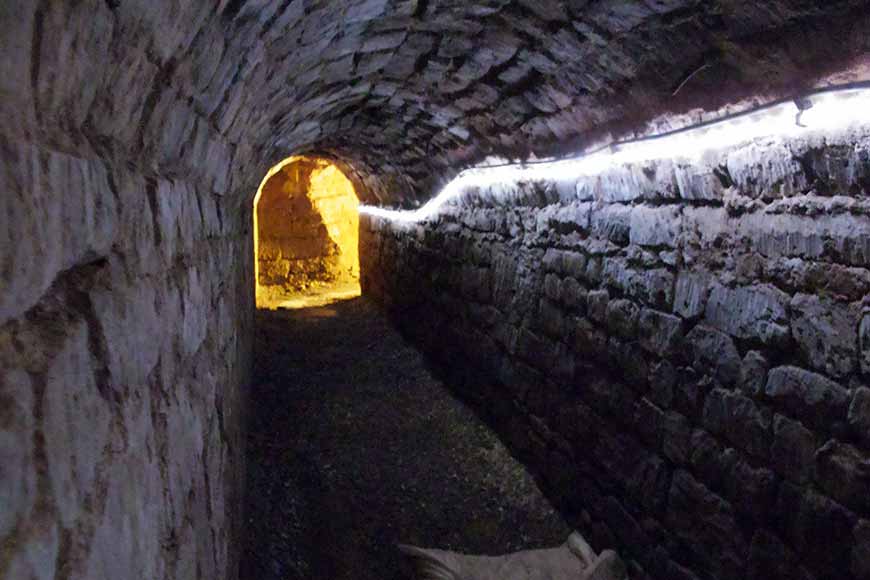
Fancy squeezing through a 14th-century water pipe? Exeter’s Underground Passages are Britain’s only medieval water supply tunnels open to the public. Built to house lead pipes carrying fresh spring water into the walled city from outside, these vaulted stone corridors date back to the 14th century.
Guided tours (running since the 1930s) take you through narrow, atmospheric passages beneath the city, accompanied by an interpretive centre above ground with interactive displays and artefacts.
Visitors don hard hats and shuffle along, hearing about sieges, repairs and occasional mischief. Ideal for history buffs and those who don’t mind ducking.
The tunnels were part of a rare surviving urban medieval water system and are a scheduled monument, reflecting their national heritage importance.
Entrance Fees: Adults £9, children £6, senior/student £7, Family tickets £25.00.
Open: Thursday to Sunday
Accessibility: Sadly, the passages aren’t accessible to wheelchair users due to low ceilings and narrow turns. Not suitable for those with claustrophobia. Under 5’s are not permitted into the Underground Passages.
Café: No café inside but the city centre is just above you, with endless cake options.
More info on their website.
Reigate Caves, Surrey
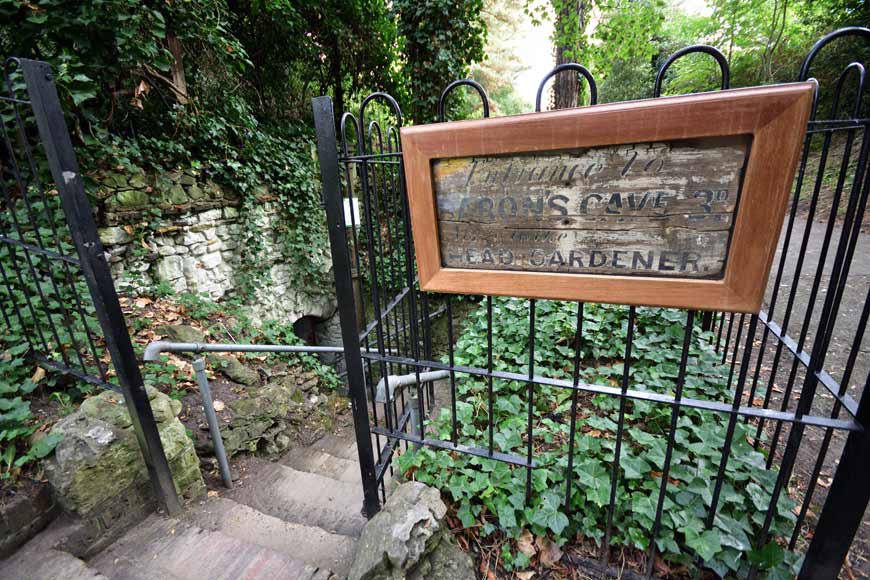
Beneath the market town of Reigate lies a subterranean underworld of sand mines commonly known as Reigate Caves, including Barons’ Cave in the Castle Grounds and the East & West Caverns in Tunnel Road.
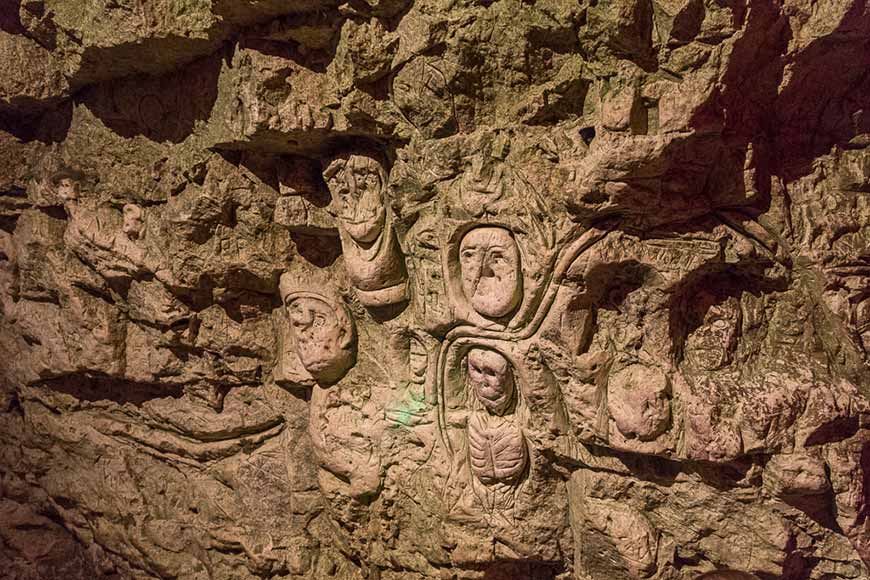
Barons’ Cave is one of Britain’s oldest show caves, associated with the Norman Reigate Castle site and featuring historic graffiti and carved heads in its walls.
Tours are very limited, typically on one Saturday per month through the summer, and run by volunteers from the Wealden Cave & Mine Society. Access involves uneven floors and steps, giving an authentic old-world feel.
Entrance Fees: Prices are per cave. Adults £4, children £3.50. Combo tickets available. Entry only by pre-booking online. Prices are for 2025. 2026 prices TBC.
Open: Dates in 2026 – 9 May, 13 June, 11 July, 8 August, 12 September.
Accessibility: The caves have steps, low ceilings and uneven floors. Sadly not suitable for wheelchairs. However, if you have mobility issues, it’s possible to visit much of the East caves by an alternative entrance.
Café: No café in the caves, but Reigate’s High Street is packed with bakeries and indie coffee shops. Try Chalk Hills Bakery if you’re after a seriously good pastry.
More info on their website.
Ramsgate Tunnels, Kent
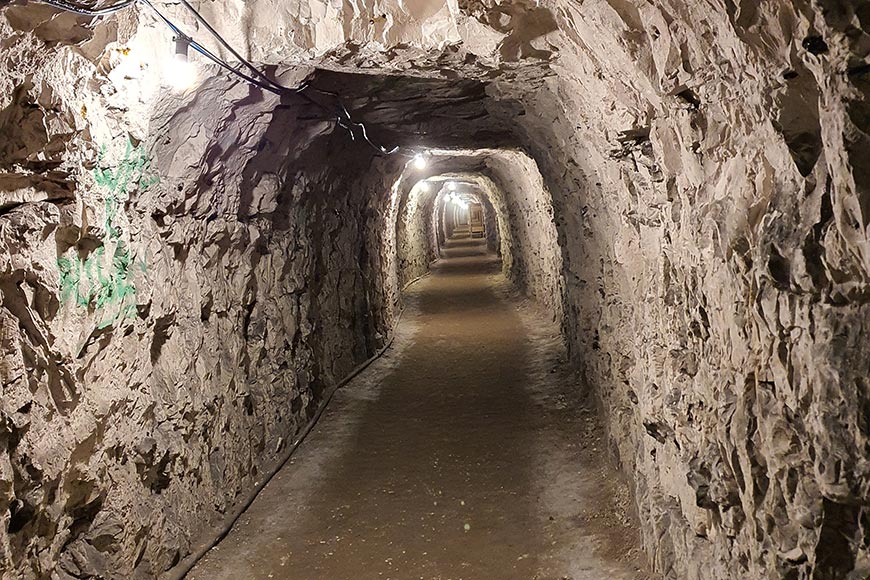
Beneath this genteel seaside town lies one of Britain’s most extraordinary civilian wartime shelters. The Ramsgate Tunnels form a vast chalk network originally dug in the 19th century for railway use, then dramatically expanded on the eve of the Second World War to protect the town’s population from aerial bombardment.
At their peak, up to 60,000 people sheltered underground here each night. This wasn’t just somewhere to wait out the sirens; it became a temporary underground town, complete with bunks, toilets, a hospital and makeshift shops.
On 24 August 1940 Ramsgate was hit by 500 bombs, the world’s first recorded ‘blitz’. Because of the scheme, when the air raid sirens sounded no resident was more than five minutes away from an entrance and, as a result, only 31 people lost their lives. Thousands were saved.
Today, guided tours take you along long, gently sloping passageways deep beneath the streets. Along the way you’ll hear stories of nightly routines, children growing up underground and the stubborn civic pride that turned fear into resilience. It’s less spooky than sobering, and quietly moving because of it.
Deep Shelter Explorer Tours run every 2 hours, throughout the year subject to volunteer availability. Tours are 1.25 kilometres (0.78 mile) and will last for approximately 1 hour 30 minutes.
Entrance Fees: Adults £10, children £6, seniors £8, concessions available.
Accessibility: Unsuitable for mobility scooters, wheelchairs, prams and buggies. There are no public toilets in the tunnels!
Café: The Tunnels Tea Shop, situated at the entrance of the tunnel serves tea, coffee and homemade cakes – do try the bread pudding!
More info on their website.
Brompton Cemetery Catacombs, London

For a quieter kind of subterranean experience, Brompton Cemetery’s catacombs offer something altogether more contemplative. Beneath the grand colonnades of this Victorian garden cemetery lies a series of underground burial chambers, built in the 1840s as an elegant solution to London’s overcrowded graveyards.
Unlike the bone-stacked catacombs of Paris, these corridors were designed to hold coffins in private vaults. In reality, far fewer were sold than planned. There was space for thousands of coffins however only 500 were ever sold. The result is an atmospheric network of brick-lined passageways, stone shelves and heavy iron doors that feel frozen in time.
Access is limited to occasional guided tours by The Friends of Brompton Cemetery, making a visit feel suitably special. It’s a hushed, almost reverent experience, less about shock value and more about Victorian attitudes to death, memory and status. Perfect for those who like their underground adventures tinged with melancholy rather than menace.
Catacomb Tours take place three times a year. Advance booking is essential as these tours are incredibly popular. Next tour – 7 February 2026. Rest of dates for 2026 TBC.
Entrance Fees: Admission to the cemetery is free. Catacomb Tour is £5 plus booking fee.
Café: Open from 8.30am, Brompton Cemetery’s Grade II listed café is at the entrance to the cemetery.
More info on the Friends of Brompton Cemetery and Royal Parks websites.
Beer Quarry Caves, Devon
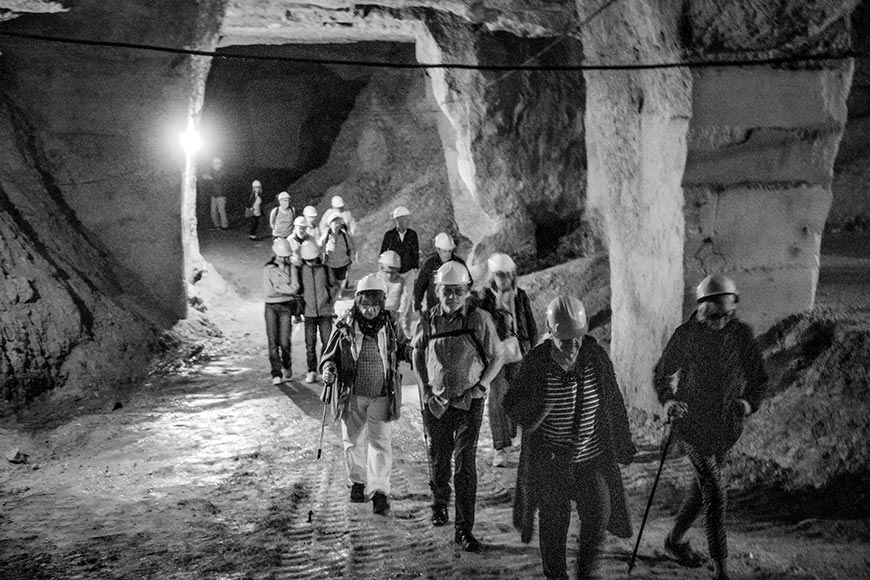
If you fancy going underground on a truly epic timescale, head to the Beer Quarry Caves. These vast man-made caverns were first carved by hand nearly 2,000 years ago, producing Beer Stone, a creamy limestone prized by Roman engineers and medieval masons alike.
This stone was used in some of Britain’s most famous buildings, including Westminster Abbey, Exeter Cathedral and the Tower of London. Walking through the caves, you can still see the chisel marks left by generations of quarrymen, along with enormous pillars left in place to hold up the roof.
Today the caves are explored via guided tours that combine industrial archaeology with natural history. The caverns are also home to different species of hibernating bats, around 400 in total, adding a living ecosystem to a space shaped almost entirely by human hands. It’s vast, cool and quietly awe-inspiring, a reminder that Britain’s underground history stretches far deeper than the modern age.
The caves are closed for the winter and will re-open on Saturday 28 March 2026.
Entrance Fees: (in 2025) Adults £13.00, child 5 to 16 years and over 66 years £11.00.
Family 2 adults + 2 Children £45.00. Under 5’s free.
Open: Thursday to Sunday
Accessibility: The steep approach path to the entrance makes it difficult for wheelchairs, contact them for more information.
Café: Light refreshments and souvenirs available.
More info on their website.
And finally…
The London Tunnels (former Kingsway Exchange)
Not open just yet but worth keeping an eye on. Beneath Holborn, a vast Cold War communications bunker stretches for miles. Built in the 1940s during the London Blitz it was once a government telephone exchange and MI6 stronghold which remained top-secret until recently.
Plans are afoot to transform it into an immersive public experience by 2027. Expect Cold War spy stories, gritty corridors and perhaps even a subterranean cocktail bar.
Entrance Fees, Accessibility and Café Info: To be revealed when it opens.
So then, are you a history hunter, thrill seeker or just a fan of dark tunnels? Britain has some great underground attractions that offer something strangely special. Just mind your head and watch your step!
If you’ve enjoyed browsing our website, learned something new, or just had a smile because of what we do – we’d love your support to keep the good stuff brewing!
Where to next?
• Newhaven Fort For A Great Sussex Day Out
• Discover the Hidden Street of Norwich
• Travel Shop
What about the endless tunnels under Nottingham castle
Hi Duncan, thanks. It’s always good to get reader tips. We’ll add Nottingham Caves to our ‘must visit’ list.
Hi Duncan, As you can see, we’ve now added your suggestion!