
It seems it’s getting harder to travel without blowing the budget, as popular destinations around the world introduce tourist taxes, in a bid to offset the problem of overtourism.
The reasoning is two-fold:
• Higher prices might put off some visitors and so reduce overcrowding
• The money raised goes towards projects to mitigate the negative effects of too many tourists.
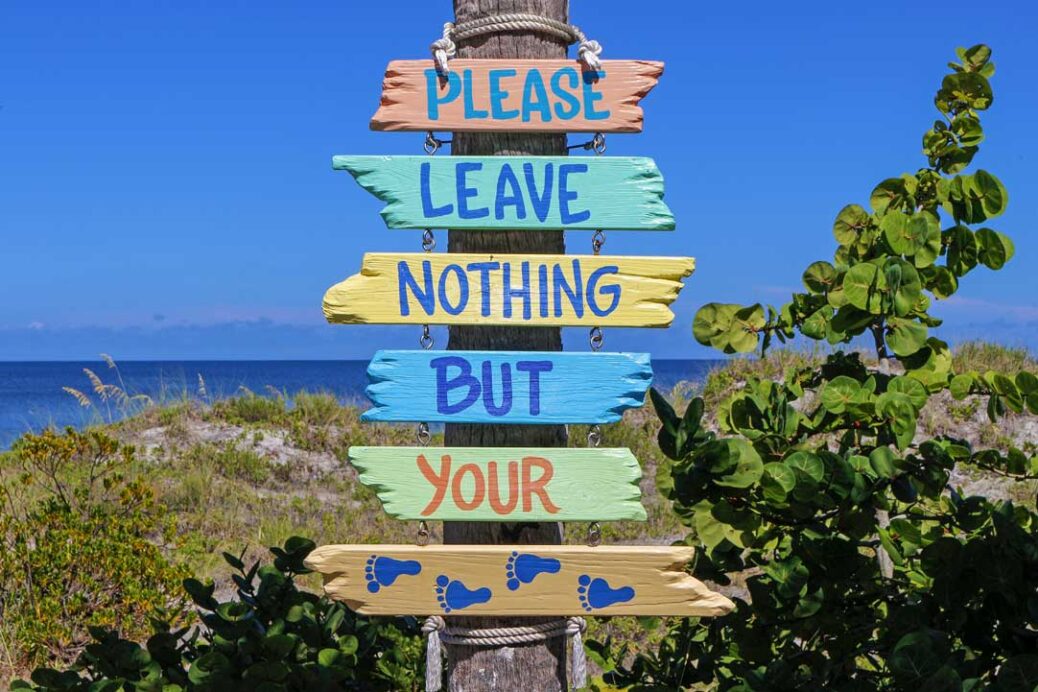
So who is to blame for turning once quiet and lonely locations into visitor hotspots?
Is it all those influencers, posting their holiday snaps on Instagram?
Is it the local authorities, looking for a quick profit?
Is the whole travel industry at fault for offering accessible holidays for all?
And for us as individuals?
Can we really take only photographs, leave only footprints when we travel at home and abroad?
Either way, tourist taxes are controversial and only time will tell if they will work.
What are tourist taxes?
Tourism taxes are small fees, usually levied indirectly through companies providing accommodation and travel services.
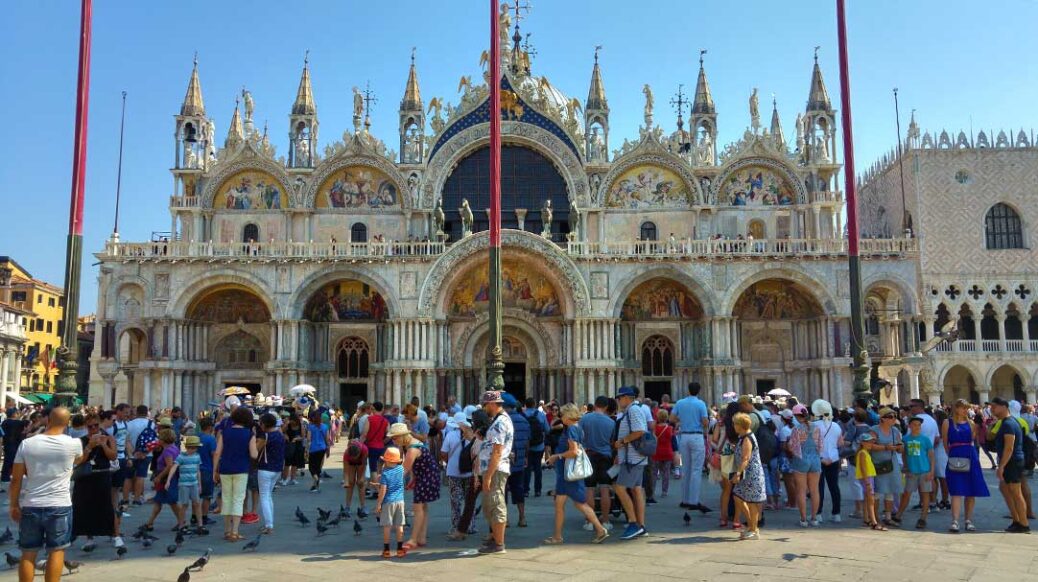
They’re typically aimed at overnight visitors, although Venice has introduced a charge for day visitors on busy weekends and specific days. After a trial in the summer of 2024, which raised over 2 million euros, it’s now expanded the scheme for 2025 to cover 54 days, mainly weekends, between April and July. Travellers who register at least four days in advance will pay €5, but for last minute day-trippers the cost doubles to €10.
Caught without a permit, and you face a fine of up to €500.
Japan is about to introduce a 2,000 yen (about £10) charge in a bid to cut the numbers of people climbing Mount Fuji. They’re also limiting numbers on the popular Yoshida Trail to 4,000 a day.
People living in popular places like Barcelona, Amsterdam and, as mentioned above, Venice say they’re affected by the noise and hassle from holiday-makers, face higher rents and shop prices and that too many visitors puts a strain on local services like refuse collection.
How are tourism taxes collected?
Technology makes it easy to add a surcharge to accommodation, bars, restaurants, attractions and so on.
The fees can then be adjusted seasonally, charging more at busier times of the year and less, or nothing at all, out of season.
Many holiday packages will already include local tourist taxes, but always check the small print before you book, especially on cruises, so you’re not hit with an unexpected bill at the end.

Where will I have to pay a tourist tax?
Most European countries charge some form of tourism tax, ranging from as little as £1.75 a night in some cities in Portugal to around £7 a night in Switzerland.
Greece has recently changed from a ‘stayover tax’ on hotels to a ‘climate crisis resilience fee’ from 0.5 euros a day in low season up to 10 euros in the highest season. The charge is applicable to all forms of tourist accommodation, including hotels, rooms to let, villas and Airbnbs and all the money raised will go into a specially created emergency fund for natural disasters.
Bali has recently introduced a 150,000 rupiah fee, which is just under £8 and at the other end of the scale, Bhutan charges a whopping £157 a day for its Sustainable Development Fee.
In the UK, there’s historically been opposition to the idea of a tourist tax, but Wales is planning to introduce a visitor levy by 2027, and there’s a bill going through the Scottish parliament currently. Other local schemes are in operation, for example hoteliers in Manchester have a voluntary system of charges and Dorset is planning a new visitor charging scheme. Holiday-makers in Bournemouth, Poole and Christchurch could face an extra £2 a night on their hotel room, although the scheme is currently on hold after a group of local hoteliers launched an appeal.
The true cost of tourism
Tourism generates profits from places, people and the environment, but often the local community never sees the benefit of that wealth.
The theory is that tourism taxes are a way to support the very thing travellers come to enjoy, whether that’s clean beaches, beautiful nature, soaring architecture or vibrant nightlife.
Travel is a privilege not a right, and our holidays should not outweigh the rights of local people to enjoy their homes, or the need to preserve the environment.
So it’s entirely understandable that introducing tourist taxes is becoming more common.
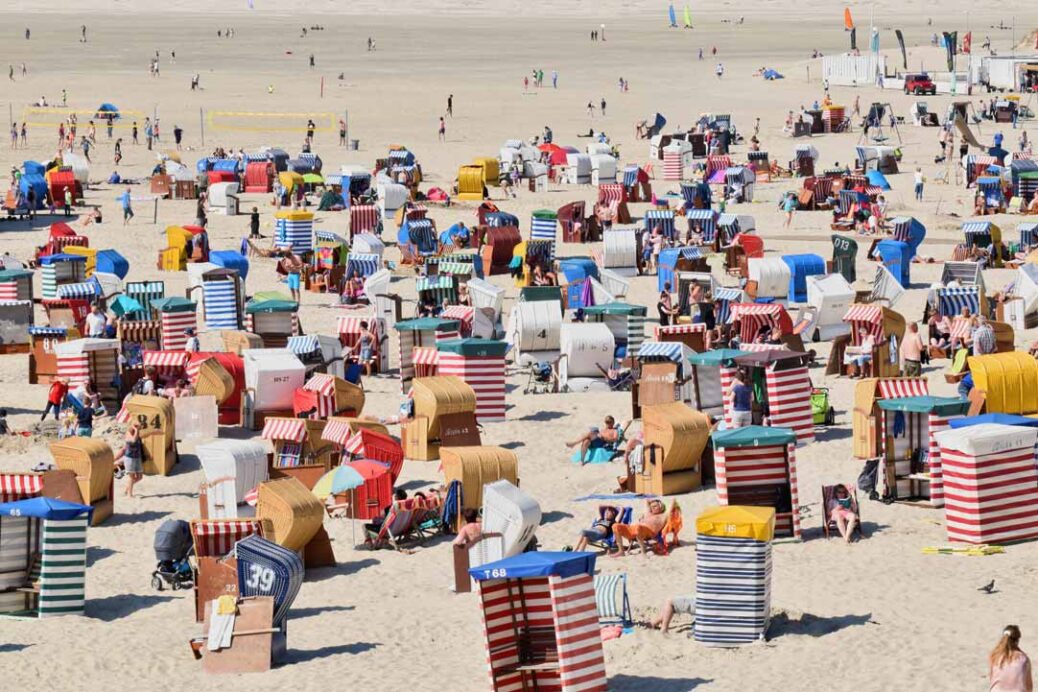
Will tourist taxes work?
They may pave the way for changes, but the core problem with travel is sustainability, and that is the elephant in the room that needs to be addressed.
The tourism industry needs to look at the negatives of high visitor numbers as well as the positives, and travellers have to embrace the idea that more doesn’t always mean better.
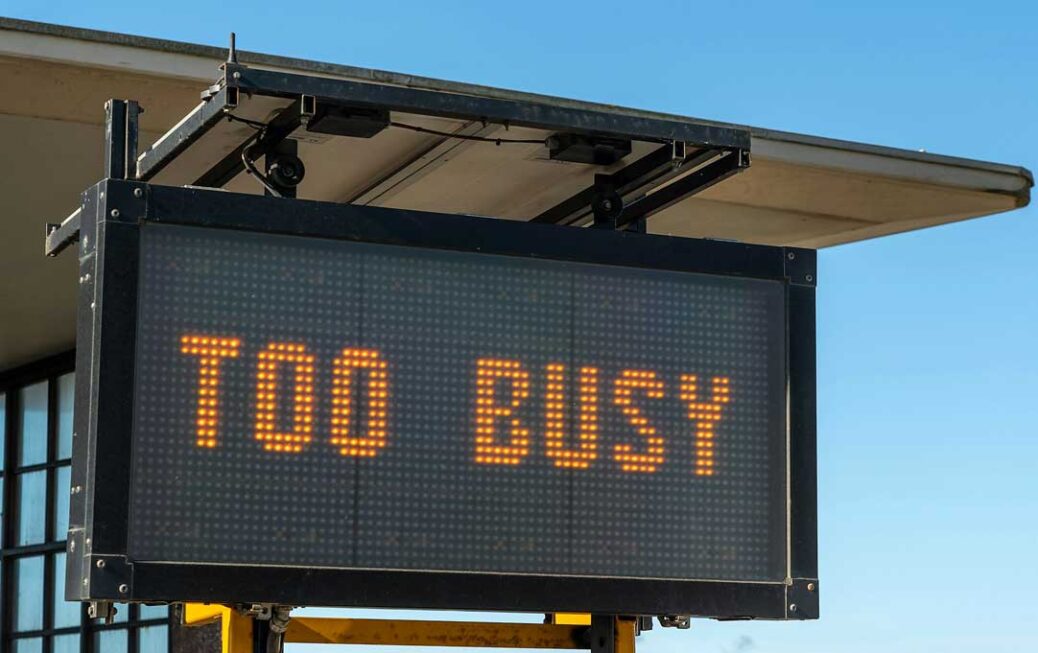
A tourist tax is, at best, a stop-gap, a temporary fix, but it won’t fix the problem of overtourism all by itself.
Images copyright © John Heinrich, Unsplash, Pixabay
Where to next?
• New Entry/Exit system for Europe
• Flight free travel
• Avoid car rental mistakes