
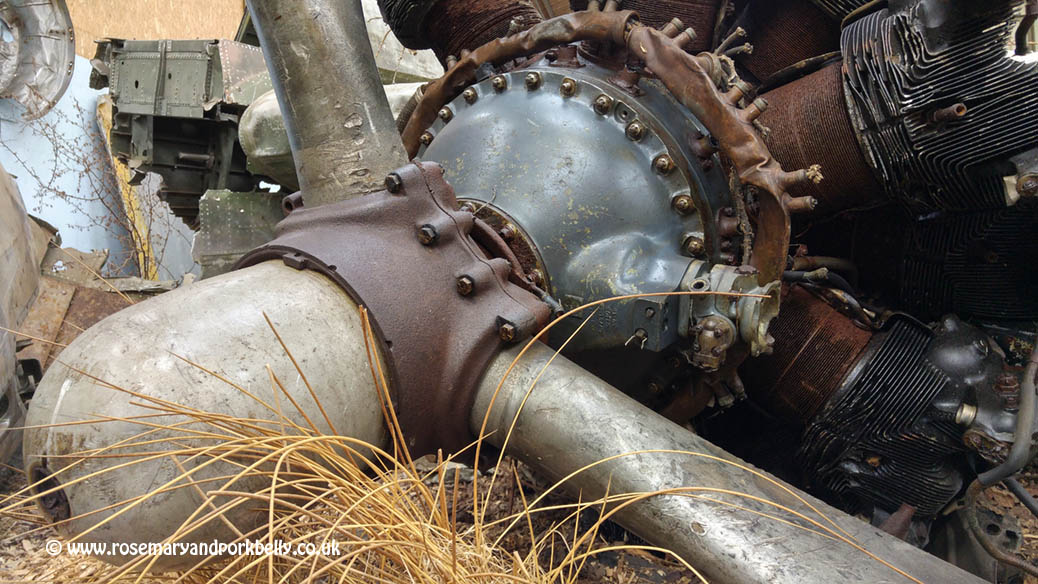
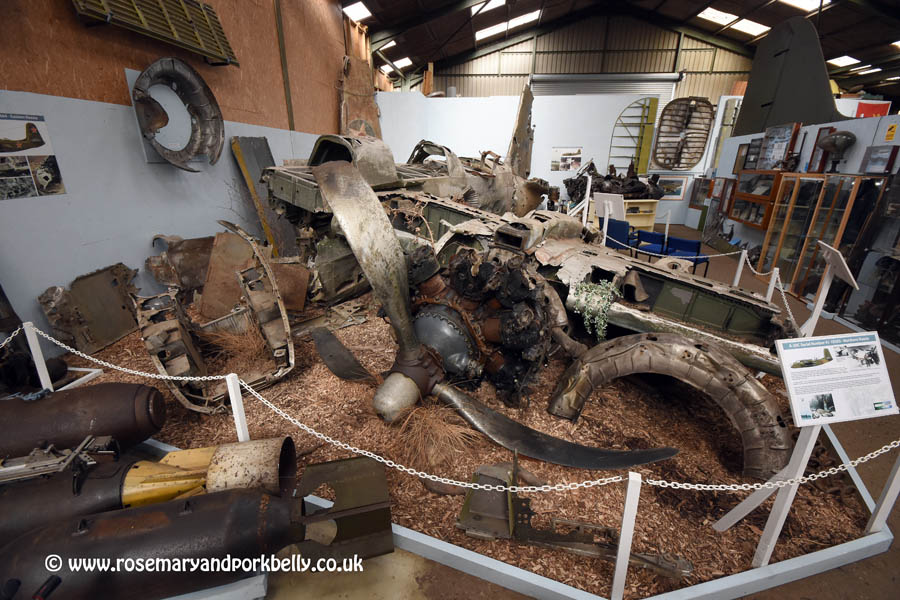
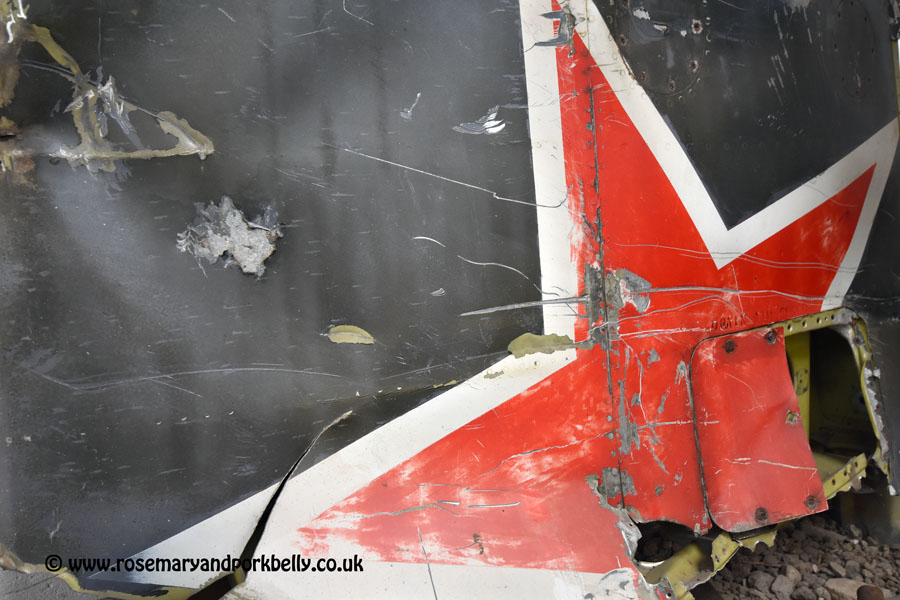
The grey skeletal remains of aircraft nestle among the dry grasses and gritty sand of a faraway island.
Fuel tanks and fuselage ripped open by bullets, wings broken and bent and cockpit crushed – it’s the scene of a desperate battle.
These are the Ghosts of the Tundra – relics of one of World War Two’s forgotten battles, between Russia and Japan, waged in the remote Kuril Islands almost unnoticed by the rest of the world, even after the war was officially over.
But remembered and preserved today at the Wings Museum in Sussex.

Life during World War Two

If you know someone who is passionate about aircraft, technology and history, this is the museum for them. But even if you’re not a WW2 historian, plane spotter or radio ham, you’ll be fascinated.
History comes alive as each display, artefact and personal item of memorabilia tells a unique story of life in the air and on the ground during those desperate years.
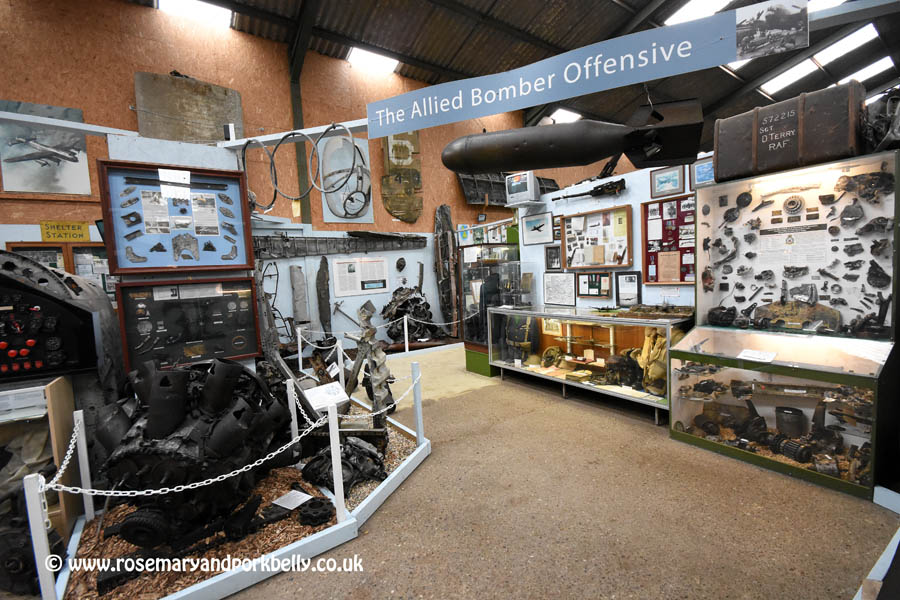
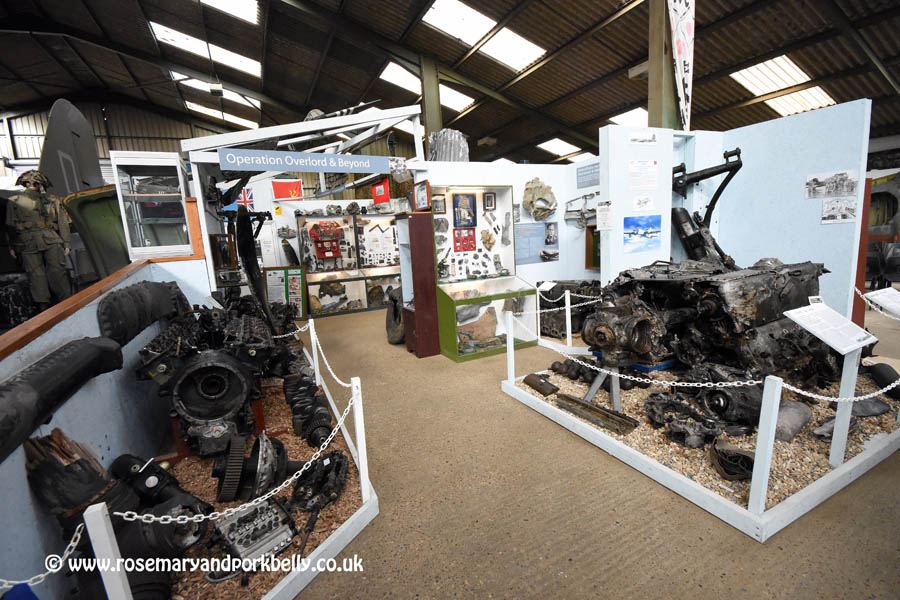
Housed in a large “hangar” style building not far from Gatwick Airport, the museum is a hidden gem.
It’s been open to the public for more than 15 years, and its collection is still growing as more and more discoveries are made.
And all because of one family’s obsession.
A very personal collection
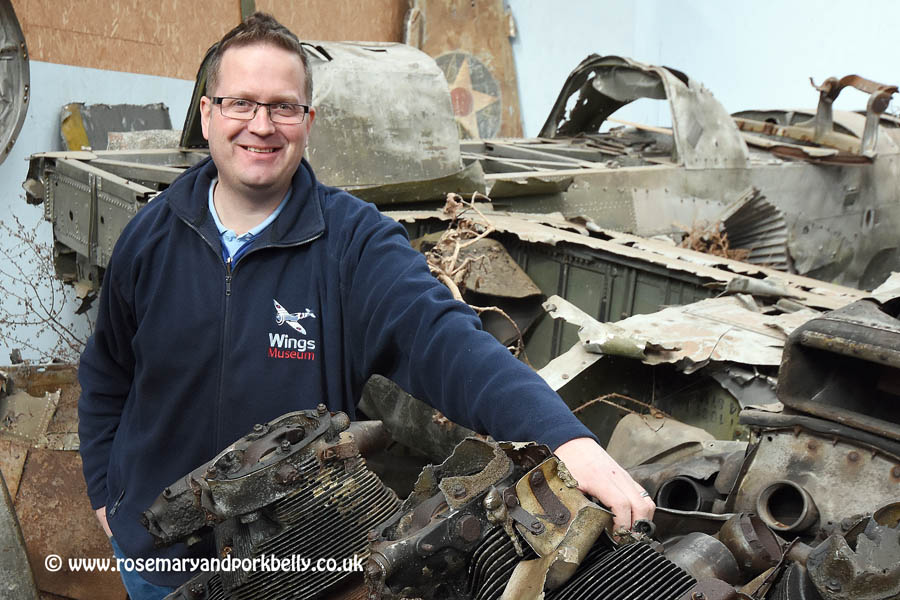
Curator Daniel Hunt and his brother Kevin, supported by an army of volunteers, spend their spare time researching and salvaging anything that dates from World War Two.
Not just the huge planes that dominated the war-torn skies, but also the small but significant personal effects that tell the story of people, of all nationalities, who were affected by the conflict.
Daniel admits it’s a life-long obsession.
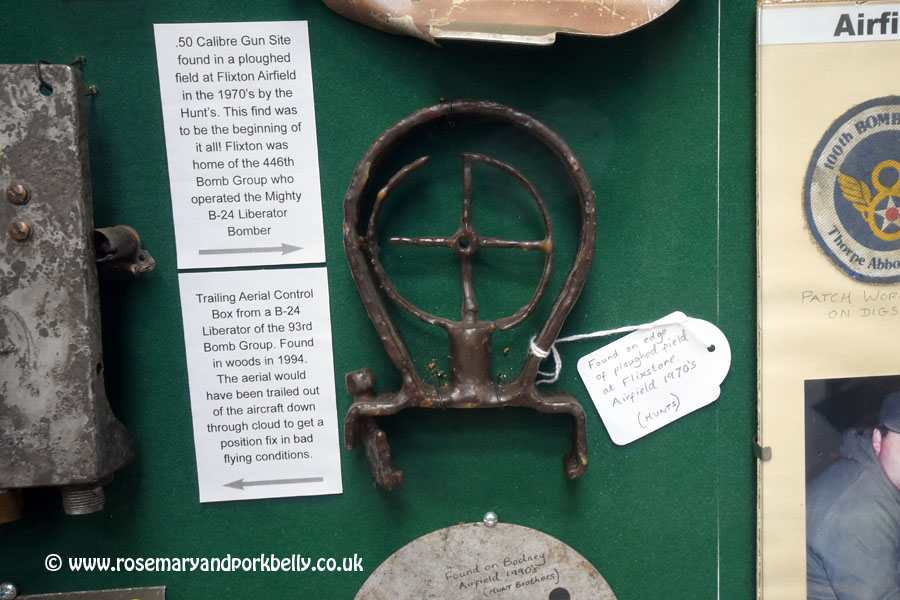
“We used to go to the World War 2 airbases in Norfolk when we were on holiday. On one walk, my Dad found an old gun-sight.”
“I was about 7 and Kevin 12, and we were in the model building stage that boys often go through. But this was even better. We’d disappear into the woods and come back with armfuls!”
Those early beginnings fired their imaginations.
“Dad really supported us. We started with a collection under the bed, then a shed. After that it took over a garage, then we had to get a lock-up. The bug just got us.”
Now armed with metal detectors and hours of patient research, the brothers travel the world, identifying and salvaging what they can from crash sites.
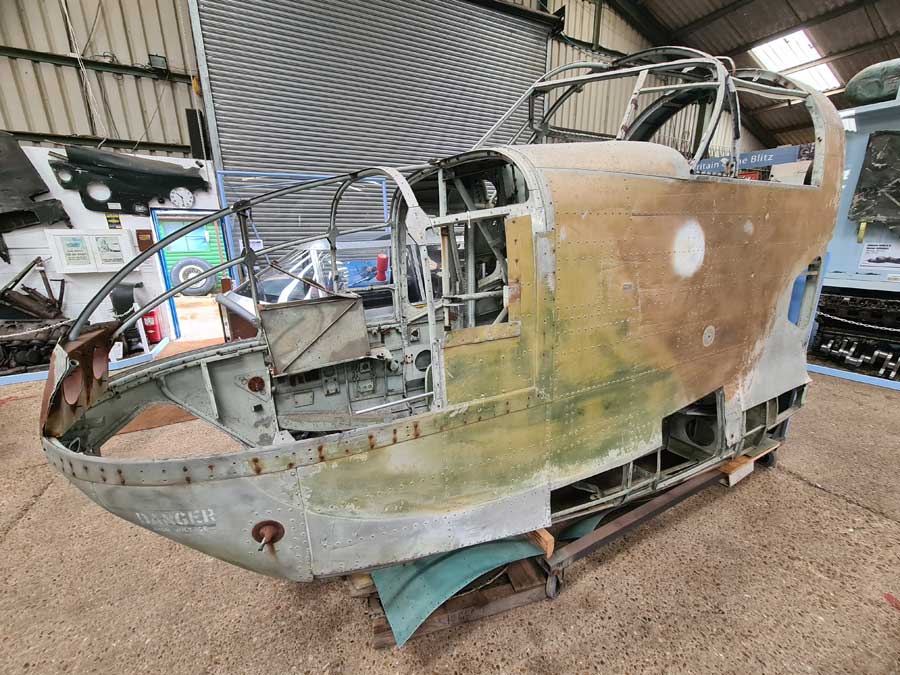
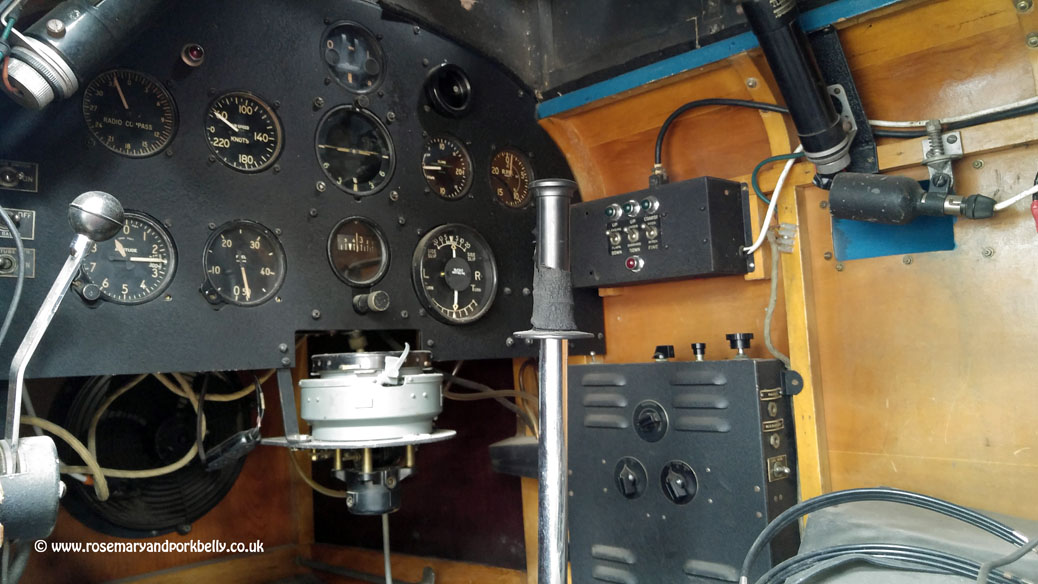
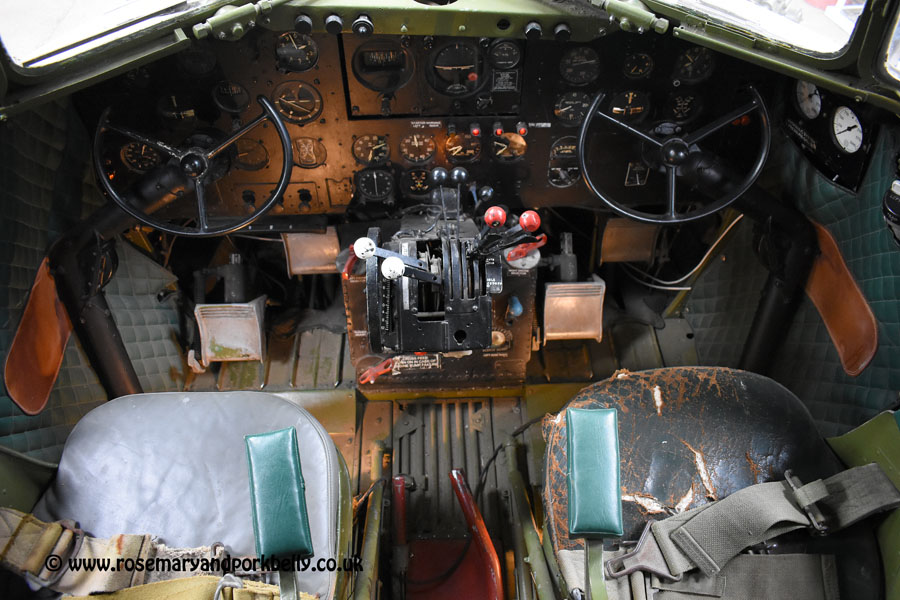
The museum’s latest exhibit is the cockpit of a Bristol Beaufort recovered from Papua New Guinea in the 1970s and imported into the UK by the museum early in 2021.
WW2 memorials for the lost
The brothers also spend time painstakingly contacting relatives and fund-raising to ensure an appropriate memorial is raised.
“Many family members say they feel more connection to their relatives when they visit crash sites than they do at their graves. That’s why we feel this salvage work is so important.”
The museum carries out a great deal of restoration work, finding items that have lain abandoned for many years.
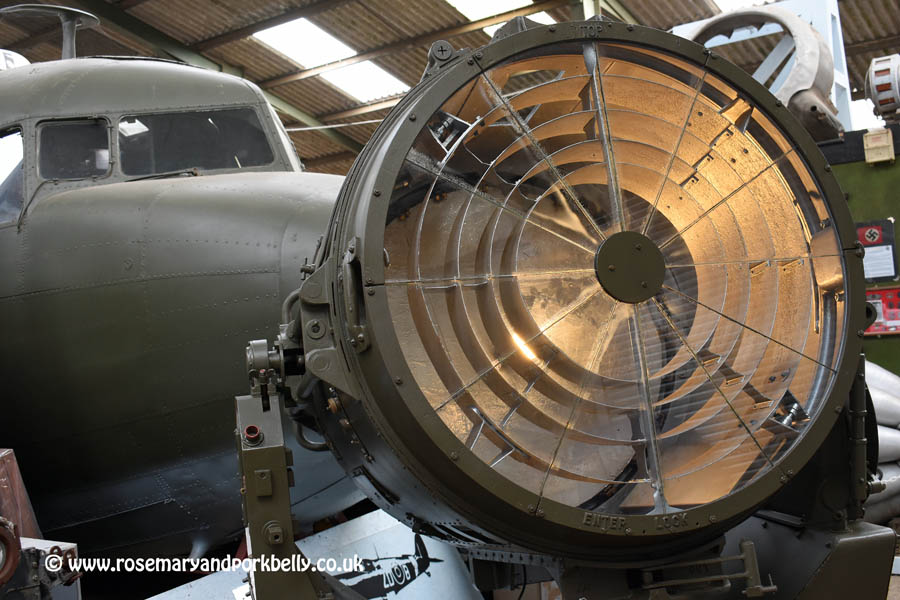
“We get tip-offs from people who find things either washed up on the beach or on sites that are being redeveloped.”
“Usually the item is about to be sold for scrap, but if we’re lucky, someone realises its historic value and gets in touch with us. They’re often in a very poor state, corroded or damaged by the passage of time.”
“Sometimes we preserve things as they are – like the tail part of a Lancaster, which was found in a field in Belgium. Others we work on to restore as much as possible.”
Life on the Home Front
The smaller, more personal items are often donated by the relatives of those who died. It’s these displays with photographs, letters and scraps of uniform that are the most poignant.
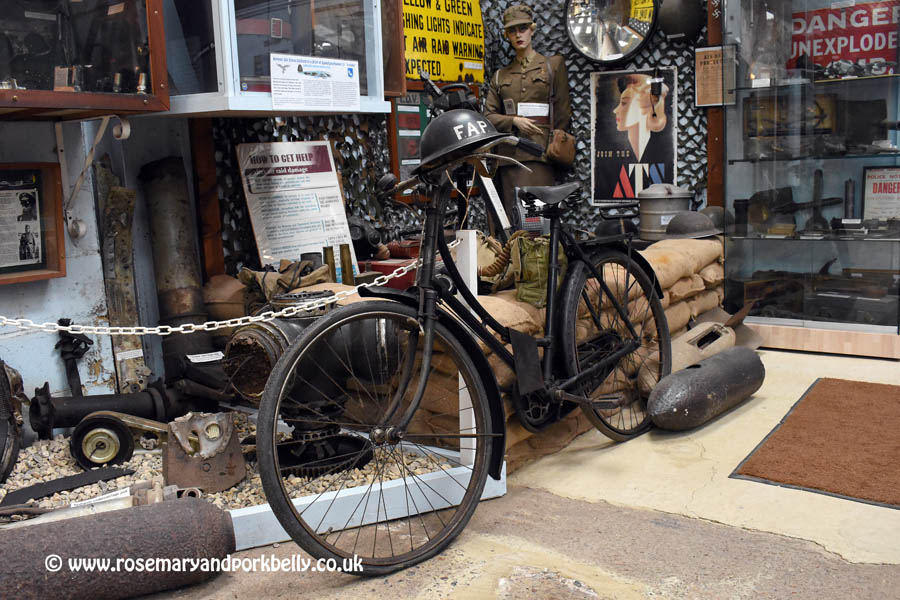
The battles fought on the Home Front are given the same pride of place.
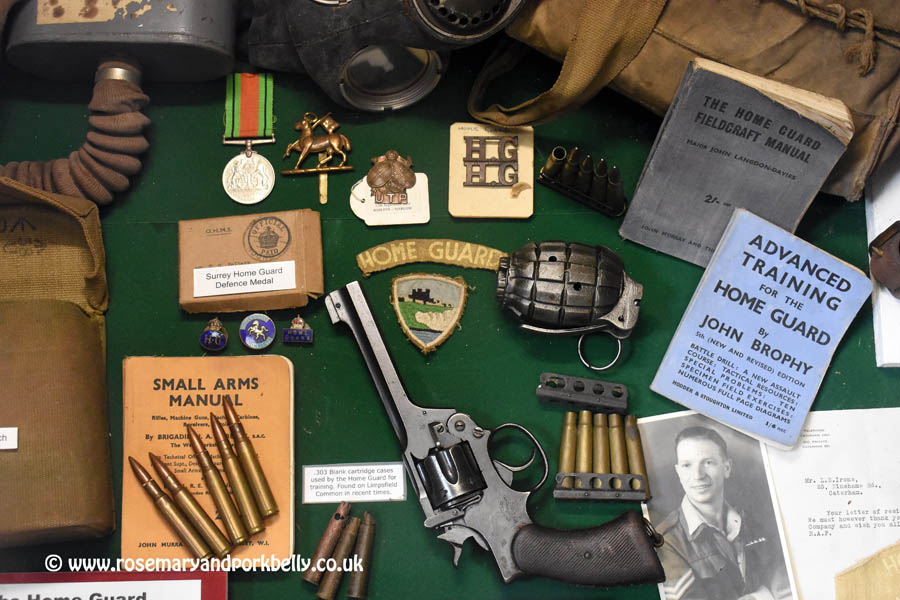
There’s a restored Andersen shelter complete with beds and lantern, an under-the-table Morrison shelter and a whole range of memorabilia from the Home Guard.
Learn to fly like a WW2 pilot
And you can get hands-on too.
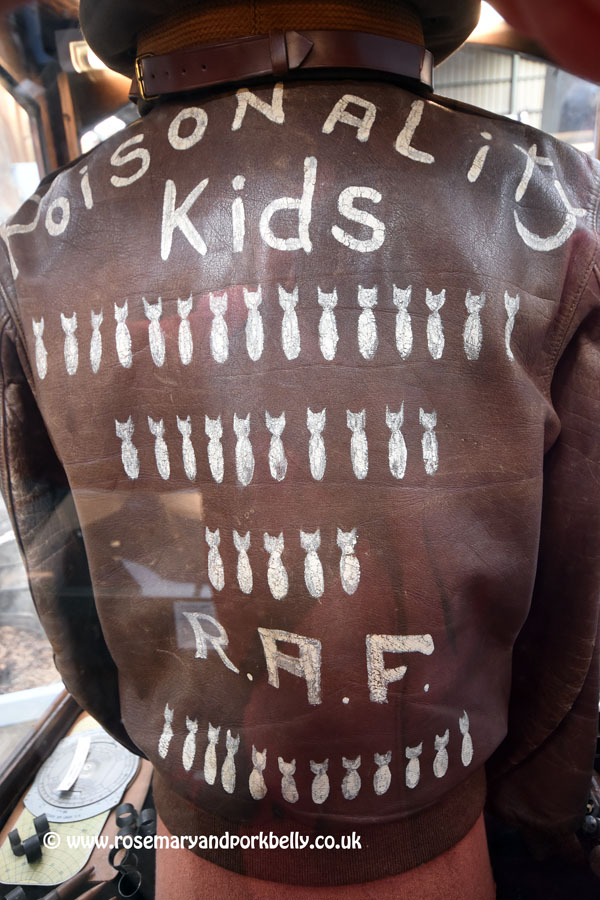
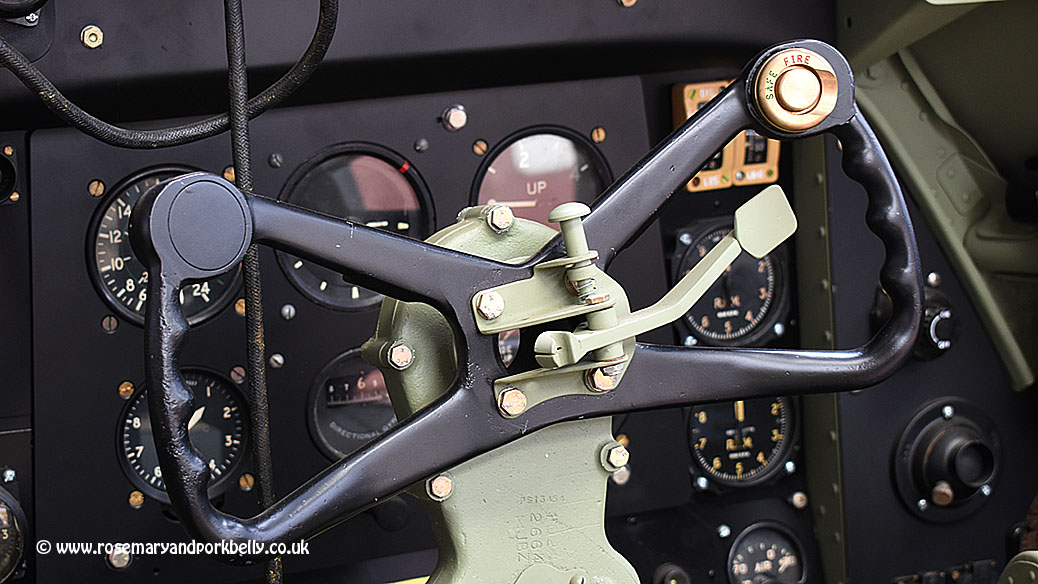
There are cabinets full of gadgets and gizmos that were part of a pilot’s daily life. Dashboards and dials, joysticks and jackets.
Try out a working Spitfire gun-sight – and imagine how hard it would be to keep your eye trained on an enemy plane while the aircraft shook and juddered around you.

Youngsters can climb into a Chipmunk cockpit, very similar to the famous Spitfire, to get a feel for what it was like to fly a fighter plane.
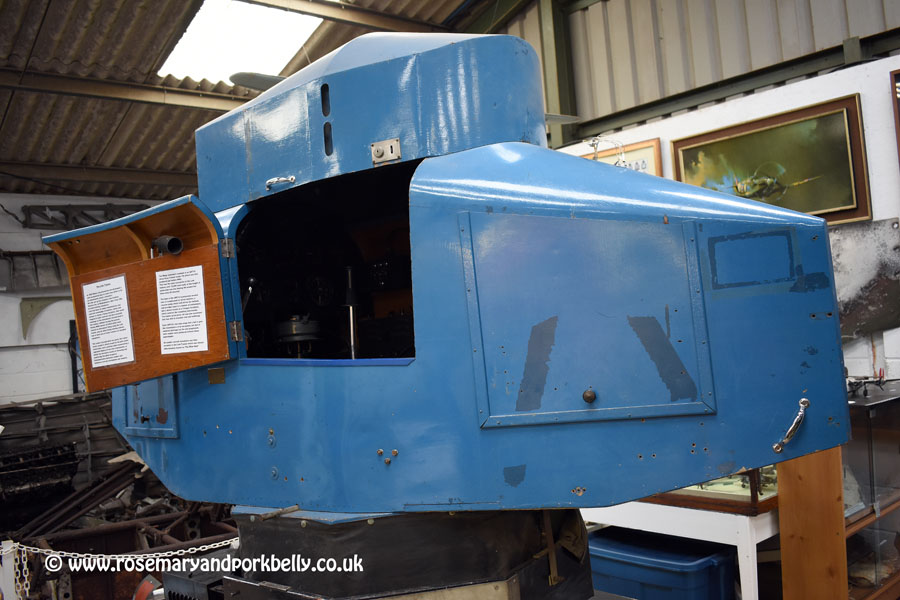
There’s even a flight simulator, an extraordinary affair with bellows to power the cockpit’s movements, mimicking almost any possible mid-air incident.
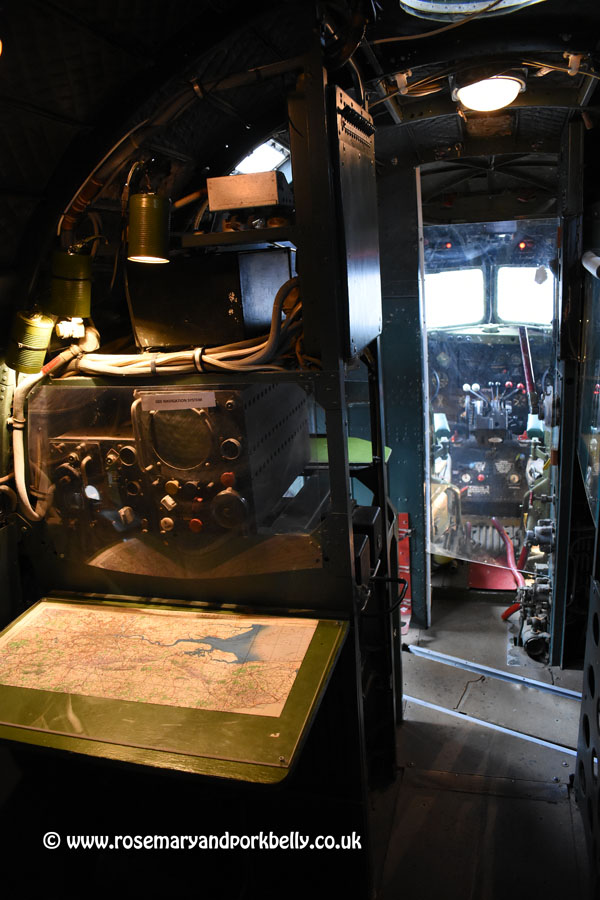
Step inside the giant green fuselage of a Dakota troop carrier – restored for use in the filming of the blockbuster mini-series Band of Brothers – and sit where the troops did.
Feel for yourself what it would have been like to take off, knowing the dangers that lay ahead.
The Dora Room
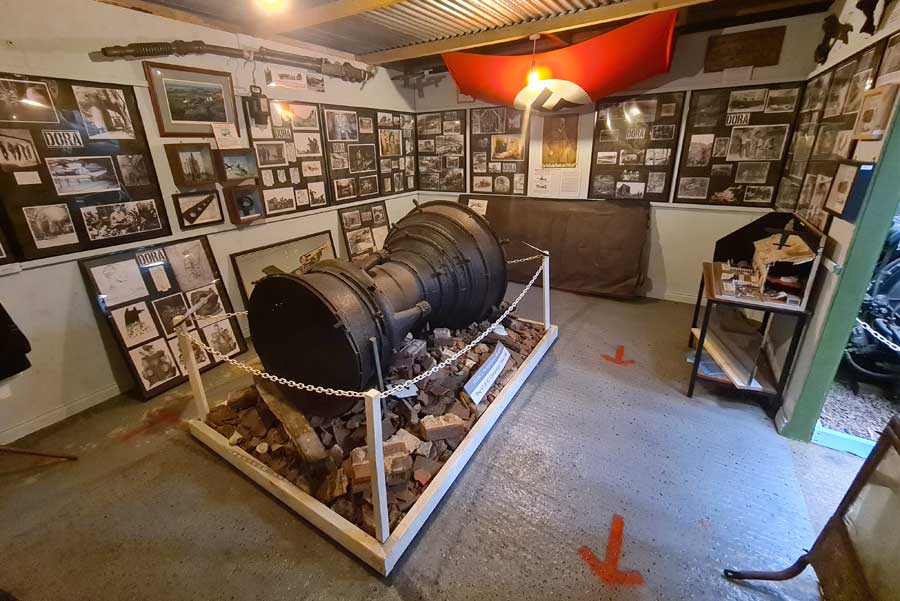
Most moving of all is the section dedicated to the prisoners of war in the notorious concentration camp, Dora.
During the Holocaust, thousands were forced to work underground in munition factories, assembling V2 rockets.
The Dora Room tells the story in images and artwork of those involved in the construction of Hitler’s “Terror Weapons”.
Preserving the past for future generations
Daniel says preserving the little things, the precious and personal memories, alongside the big machines is what makes Wings Museum special.
“That’s why we feel this place is important; it reaches out to generations who don’t know what war was like.”
“Young men barely out of their teens soon became battle-hardened veterans, steering their craft through dangerous skies. At home, people lived their daily lives as best they could, despite the constant threat of air raids.”
“Seeing bullet holes in aircraft and flak jackets, the letters home and the personal effects of the people who paid the price for freedom – that’s what brings their story to life.”
More about Wings Museum
Wings Museum is located between Balcombe and Handcross villages, just 15 minutes from Gatwick Airport and 25 minutes from Brighton.
Opening Times:
Tuesday to Sunday 10am to 5pm, with a last admission at 4:15pm.
The museum opening times change for the Winter, opening only Saturdays and Sundays.
• For up-to-date news, events, educational programmes, and admission prices, see the Wings Museum website
If you are a disabled visitor, all of their displays are fully accessible by wheelchair or by a ramp and the museum has a wheelchair available if required.
Wings Museum is a registered charity, with all proceeds ploughed back into the work of the museum. They welcome donations from the public of any World War Two memorabilia to add to their displays.
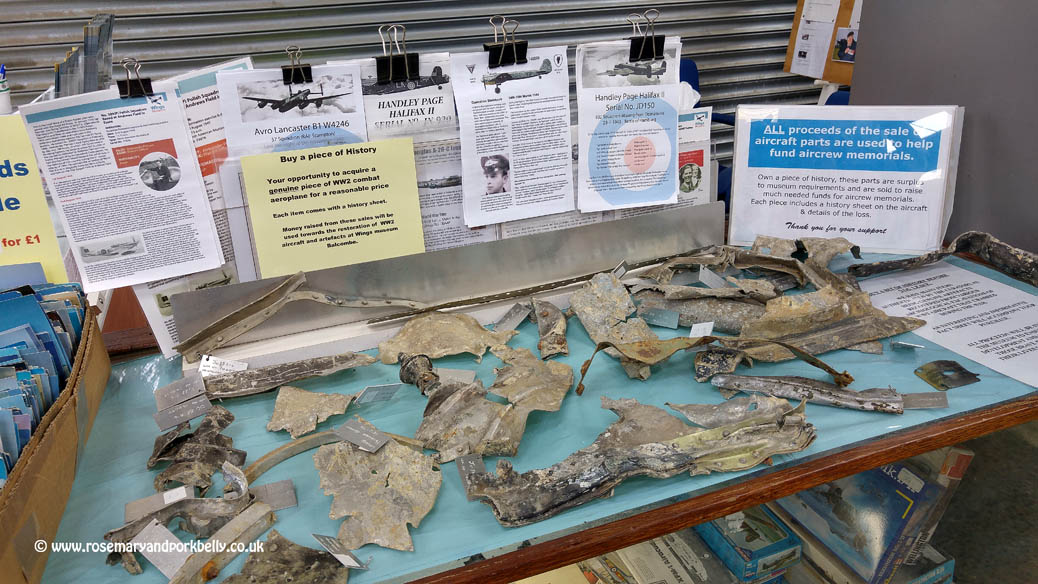
They have a most unusual “gift shop” where you can buy engine parts, sections of wreckage and even bullets, all with a certificate of authentication. Proceeds from sales go towards funding future memorials for downed aircraft and their crew.
Disclaimer: Daniel very kindly gave us a free guided tour of the Museum, and we gave a donation to their charity.
Where to next?
• Ghost towns of Britain
• Museums of the weird and wonderful
• Vegan rhubarb and almond cake