
When soft spring breezes finally make an appearance, flowers burst into life across the globe. Here in the UK, we peer hopefully at the ground for the first snowdrops and make do with forced hyacinths on the kitchen table, while elsewhere spring is already getting on with the job properly.
Here is our guide to where to see the very best spring flowers around the world, preferably without the rain flattening them five minutes later.
Cherry blossom – Japan

Several years ago, I lived opposite a small city park in Norwich called Chapel Field Gardens. Every spring the ornamental cherry trees would bloom beautifully, and every spring the weather would immediately turn, with wind and rain stripping the branches and leaving soggy pink petals plastered to the grass.
Japan, thankfully, does cherry blossom rather better.
Known as sakura in Japanese, the cherry blossoms sweep across the country from south to north. The earliest blooms appear in subtropical Okinawa in January, while the last arrive in Hokkaido in early May. Tokyo and Kyoto are the most famous places to see the soft pink displays, which are stunning, fleeting and treated with the reverence normally reserved for fine art.

When to see Japanese cherry blossom
It varies year-on-year and there’s a website, updated late January or early February, you can check to get the best chance of seeing them in full bloom.
Cherry blossom is not Japan’s only floral moment. Visit again in June and you will find hydrangeas in extravagant abundance across the country.
Getting there:
There are dozens of package holidays to help you seek out the best cherry blossoms but if you want to do it yourself flights from the UK to Japan in mid-March will be around £550 – £1,000 pounds return. Accommodation varies from traditional Japanese style hotels (ryokan) to western-influenced big chains.
Tulips – The Netherlands

When it’s spring again, I’ll bring again tulips from Amsterdam.
Despite complaints about the number of imported bulbs sold in Amsterdam’s flower markets, the Netherlands remains the undisputed home of the tulip. Vast fields of colour stretch for miles, thanks to the long spring season and the carefully drained polder soil, which turns out to be exactly what tulips like best.
Most bulb fields are found in the Noordoostpolder in Flevoland, with others dotted along the coast between The Hague, Leiden and Alkmaar. The Keukenhof, just 30 minutes from Amsterdam, is the world’s largest flower exhibition, while FloraHolland in Aalsmeer is the largest flower auction on earth.
But probably the best way to see the tulip fields is slow and steady by bike.
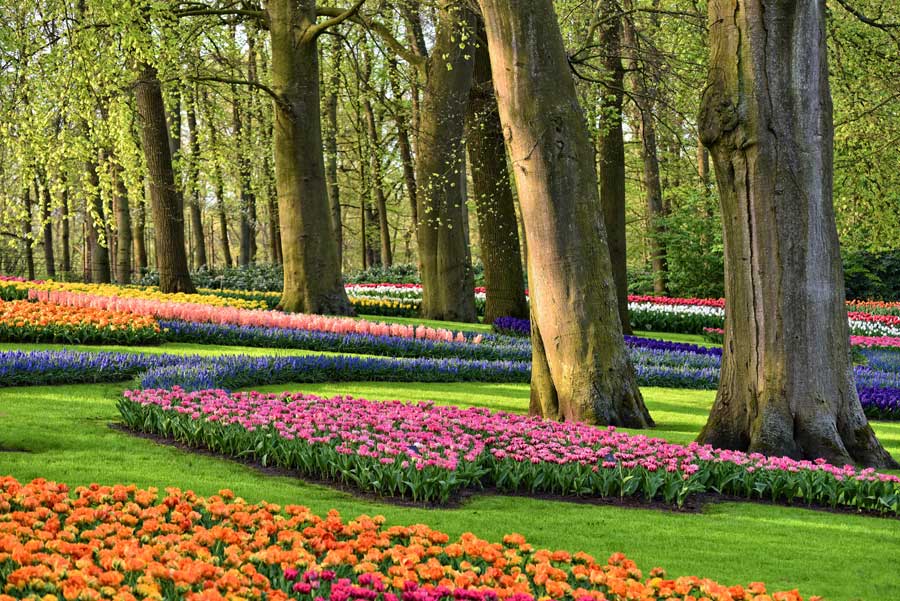
When to see the tulip fields
Late March for crocus, daffodils and hyacinths, but mid-April to early May is best for the tulips.
Getting there:
Amsterdam’s just a short hop from the UK by plane, ferry, train or car on the Eurotunnel. There are plenty of city break bargains to be had, with Opodo having some great short stays.
Daffodils – Lake District, UK
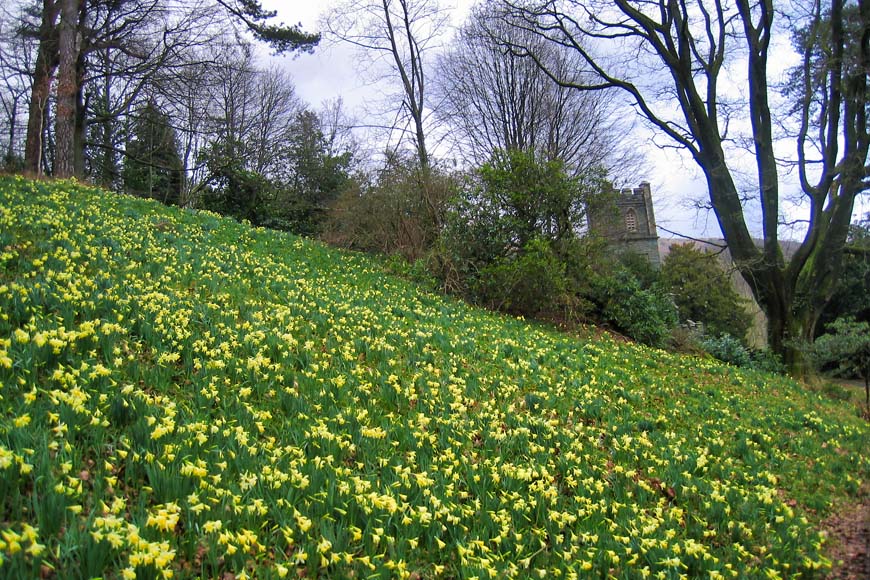
If it’s good enough for Wordsworth, it’s good enough for me, and despite the touristy elements you can still wander lonely as a cloud. There’s even a daffodil garden dedicated to the poet in Grasmere.
Ullswater is the place most people think of for the bright and breezy, cheerful yellow blooms, but you’ll find plenty all around the area including Caldbeck Fell, Dora’s Field in Rydal and on the banks of almost every country lane.
When to see daffodils in the Lake District
There may be some out in late February, but March and April are the best months.
Getting there:
From London a long-ish drive, around 6 hours, so try flying into Manchester or Glasgow if you’re coming from abroad.
The Inn Collection Group has loads of cosy pubs in and around the Lakes.
Bluebonnets – Texas
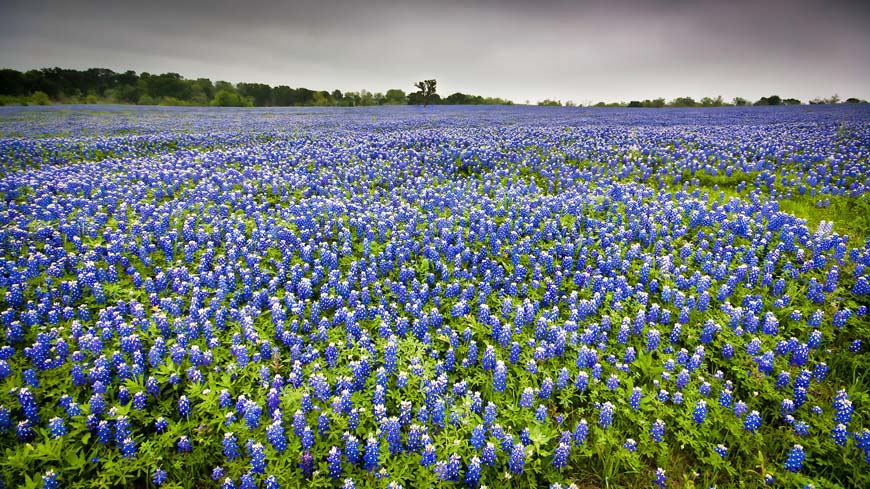
I always thought it was the yellow rose of Texas, but no, the state’s official flower is the bluebonnet, and it carpets the countryside during spring, attracting visitors from all over the world.
Its name derives from the shape of the flowers, said to resemble the bonnet worn by pioneer women to protect them from the sun.
Spanish priests gathered the seeds and grew them around their missions, which gave rise to the myth that the padres had brought the plant from Spain, but as they can only be found growing naturally in Texas and nowhere else in the world, this can’t be true.
They can be seen in every corner of the state, but Texas Hill Country seems to be the best location.
While local ranchers might get fed up with the influx of tourists wanting to capture the sea of blue, Ennis is the designated home of the Official Texas Bluebonnet Trail and calls itself the Official Bluebonnet City of Texas with over 40 miles of mapped driving Bluebonnet Trails to showcase the beautiful blooms.
Burnet is a rival Bluebonnet Capital of Texas, with lots of bluebonnet trails and an annual festival.
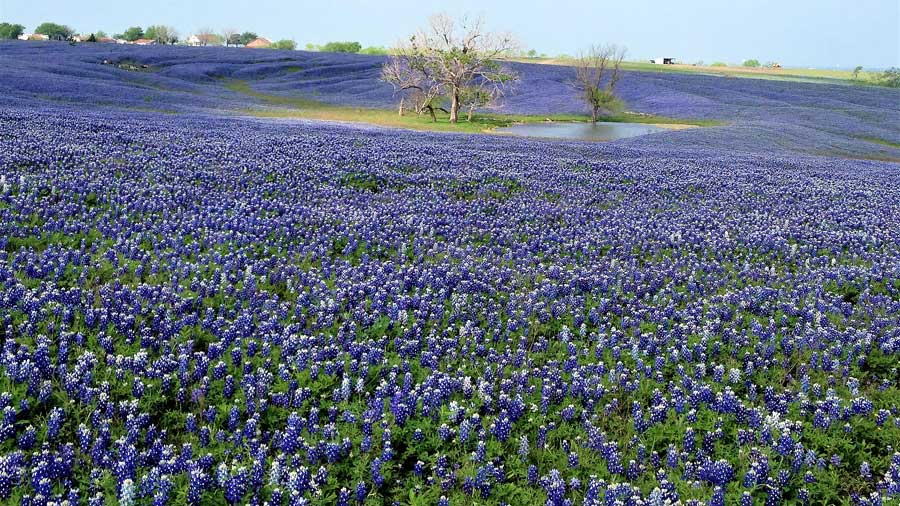
When to see Texas bluebonnets
The fields are a mass of blue for about 6 weeks from March till mid-April, and on 24 April many towns and cities in Texas celebrate State Wildflower Day.
Getting there:
Texas Hill Country is in the Highland Lakes region, about 3 hours south of Dallas on I-25. Flights to Dallas from London take around 10 hours. Check out the best from British Airways.
Bluebells – any UK woodland
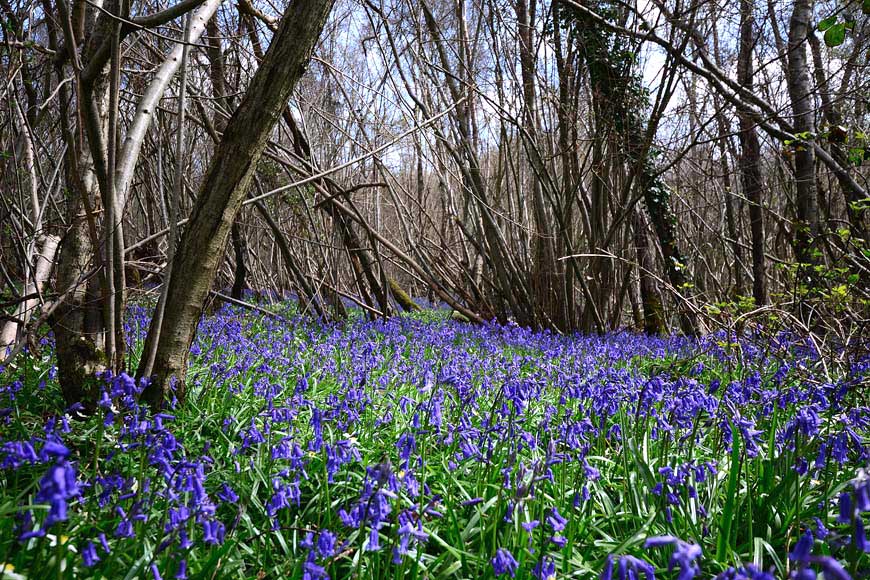
While we are admiring blue flowers, the UK deserves some attention of its own. British bluebells are a spring classic.
Unlike the bold bluebonnets of the open plains, bluebells prefer woodland, hiding among roots and trees and turning often muddy forest floors into a soft purple haze. Individually they are delicate and understated, but en masse they are unforgettable, not least because of their sweet scent.
Many parks, estates and nature reserves have dedicated bluebell woods, but some of the best displays are found simply by keeping an eye on quiet country lanes.
We love the peace and quiet of Clapham Wood in West Sussex in the springtime.
When to see English bluebells
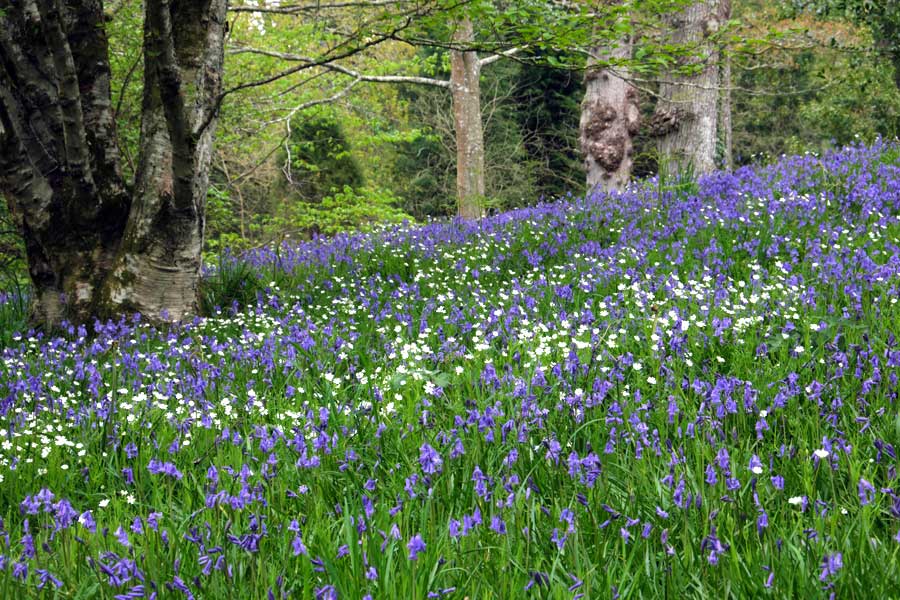
Mid-April to late May is your best bet, although if the winter has been mild, they’ll crop up even earlier and the southwest – Devon, Cornwall and Exmoor – tend to get them first.
Getting there:
The UK in spring, we highly recommend it. You can stay in cities and still see bluebells in parks. For the full country experience, stay in a cute cottage courtesy of Rural Retreats.
Alpine Flowers – Abruzzo, Italy
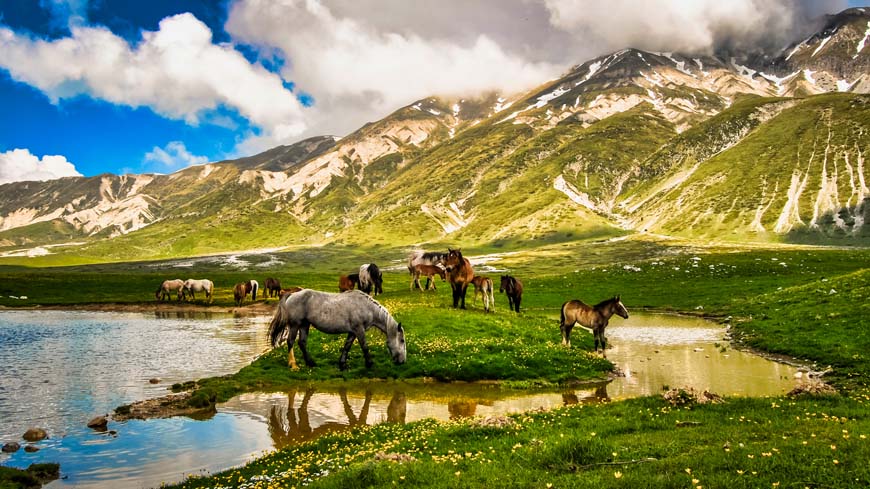
Mention alpine flowers and many people immediately think of Switzerland or perhaps Julie Andrews spinning on a hillside. In reality, some of the finest displays are found in southern Italy.
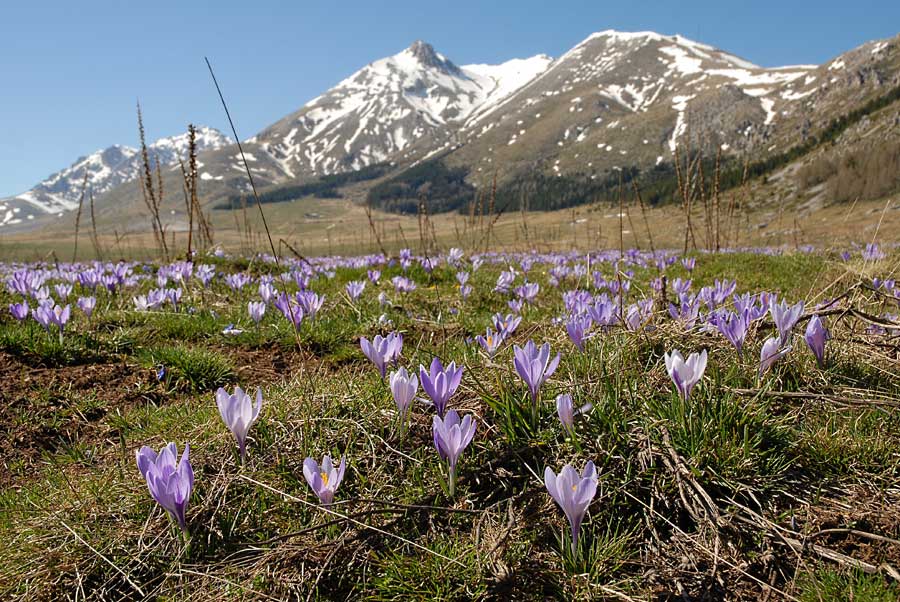
The Abruzzo mountains, east of Rome, are best known for winter skiing, but once the snow melts they come alive with flowers. Majella National Park hosts gentians, wild pansies, crocuses and alpine orchids, while Campo Imperatore offers wide meadows filled with spring colour. There is even an alpine botanical garden more than 2,000 metres above sea level.
When to see alpine flowers in Italy
Late April to mid-May is the best bet, after the late snows have melted.
Getting there:
Flights to Rome are frequent and affordable from the UK, and Abruzzo is about a two and a half hour drive from the city.
Pimpernels and peonies – Andalucia
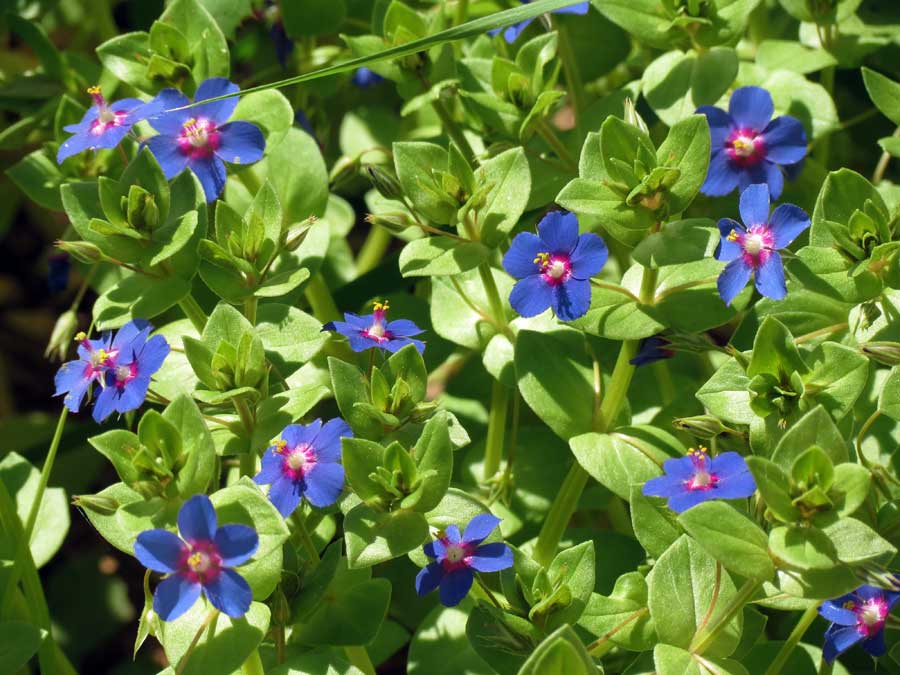
Spain is home to roughly a quarter of Europe’s flowering plants, and Andalucia is where many of the most interesting ones grow.
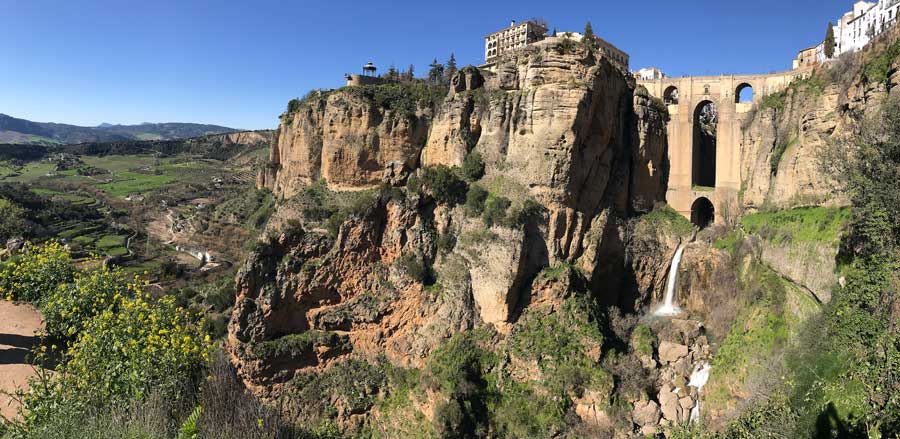
Grazalema Natural Park is a dramatic landscape of limestone peaks, gorges and meadows filled with tiny blue pimpernels, magenta wild peonies and marigolds. Look more closely, and you may also spot hoop petticoat daffodils, which lack the usual trumpet, and later in the season around 30 species of orchid.
When to see pimpernels
The earliest flowers will start to appear in February, but the best time is mid-April to mid-May.
Getting there:
The park lies between Cadiz and Malaga and is easily accessible by car or on foot. Worth checking out the visitors centre in Cortes de la Frontera before starting to explore. Flights from the UK to Malaga are frequent and not expensive as it serves the popular Costa del Sol, but head an hour or so inland for the more scenic parts. Check out Opodo for flight and holiday deals.
National Garden Scheme
If you’re UK based and don’t want to travel too far, check out the NGS National Garden Scheme garden-finder for a spring-flower-filled garden near you.
This article contains affiliate links. If you use them to make a purchase, we may receive a commission.
Some images reproduced under Creative Commons licence
If you’ve enjoyed browsing our website, learned something new, or just had a smile because of what we do – we’d love your support to keep the good stuff brewing!
Where to next?
• English gardens
• Green Philadelphia
• 31 Great British placenames