
We couldn’t let World Chocolate Day slip by, unnoticed.
Every year on 7 July the world celebrates this most amazing foodstuff – or drink if you prefer it that way – with its rich history.
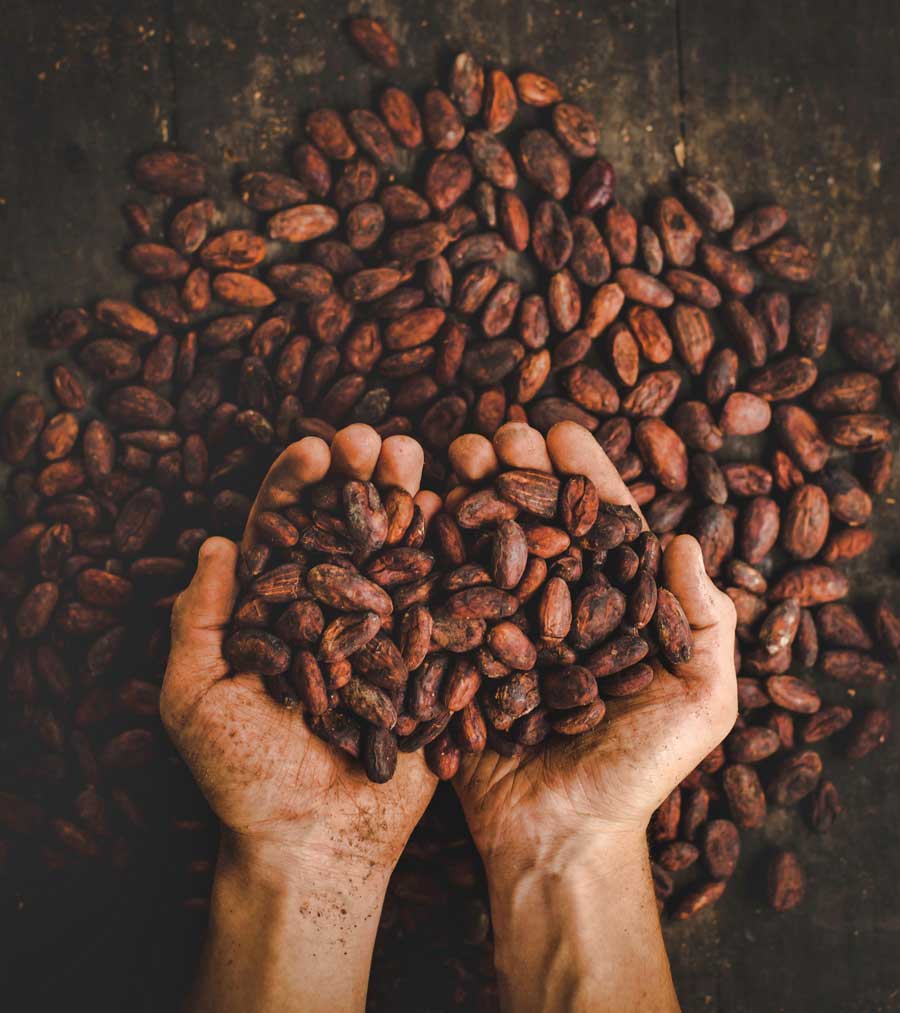
If you want to know more about Mayans, Aztecs and the Spanish Conquistadors, then read our interview with food historian and chocolate-lover Nick Trustram Eve from The Copper Pot.
Today we’re simply talking about how chocolate weaved its way into the hearts, minds and waistlines of the UK.
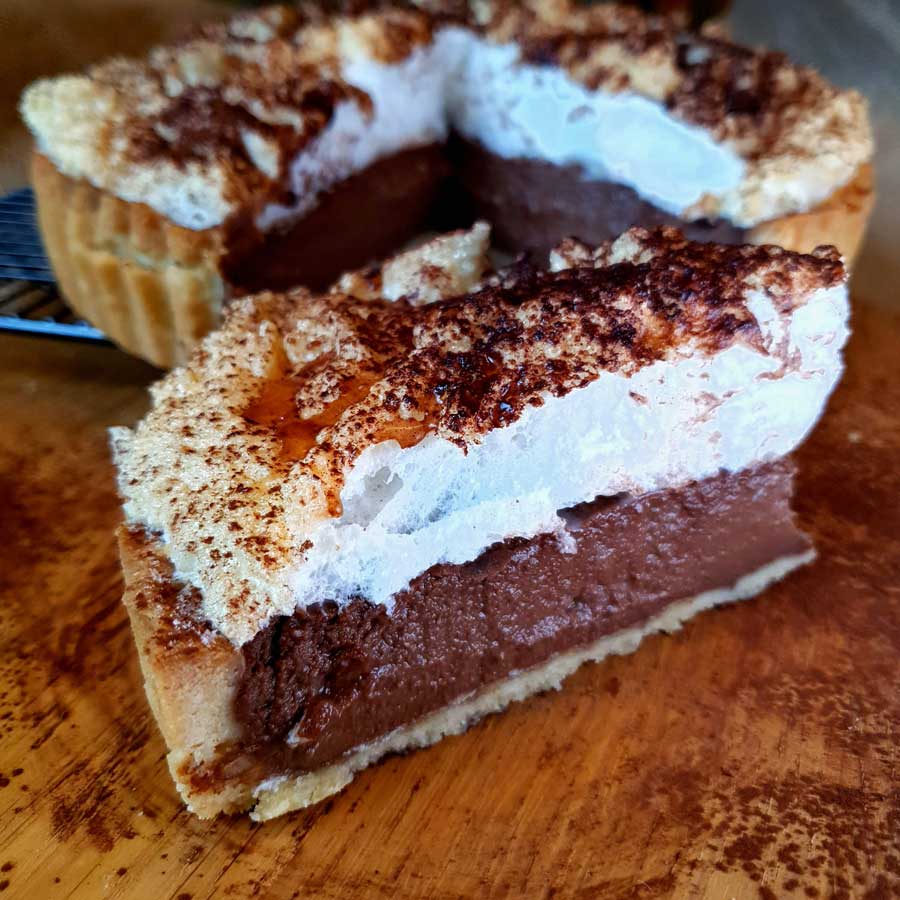
Oh, and how Pork Belly combined history and dairy-free chocolate to make this incredible Chocolate Pie.
UK chocolate facts
How much chocolate do we consume each year?
Well not quite as much as the Swiss and Germans but we’re pretty high on the league table.
It fluctuates from year to year but we eat around 16 pounds of chocolate per person and top-sellers like Dairy Milk, Kit Kats and Maltesers find their way into our shopping baskets on a daily basis.
But there’s evidence that we’re starting to trade up to luxury brands with higher cococa/less sugar content and there’s growing interest in the bean-to-bar concept and Fairtrade choices.
There’s also been a recent rise in the popularity of vegan chocolates – more evidence that our tastes are beginning to change.
Where does UK chocolate come from?
The biggest suppliers of the raw material, cocoa beans, into the UK are the Ivory Coast and Ghana.
There’s only been one known attempt to produce cocoa ourselves. In 1932, Rowntree’s in York thought they could put to good use the lessons learned from cultivating pineapples. They managed to grow a plant in a hothouse, but it only produced one, single pod.
Undeterred they made a tiny, chocolate bar which was presented to Queen Elizabeth when she was still a princess.
Does the UK still make chocolate?

Ever since JS Fry developed the first chocolate bar in 1847 at his factory in Bristol, the UK has had a proud chocolate manufacturing tradition.
Cadbury’s introduced their first chocolate bars at the Bournville factory near Birmingham in 1849 and in 1905 unveiled the ever-popular Dairy Milk.
Cadbury’s bought Fry’s in 1919 and went on to invent other favourites including the Flake and Crunchie in the 1920s and of course that 70s classic, the Creme Egg.
Terry’s, creators of the iconic chocolate orange, were founded in York in 1767 and continued production there until 2005.
Now, in these days of global trading, the big brands mainly produce chocolate for the UK market in Europe.
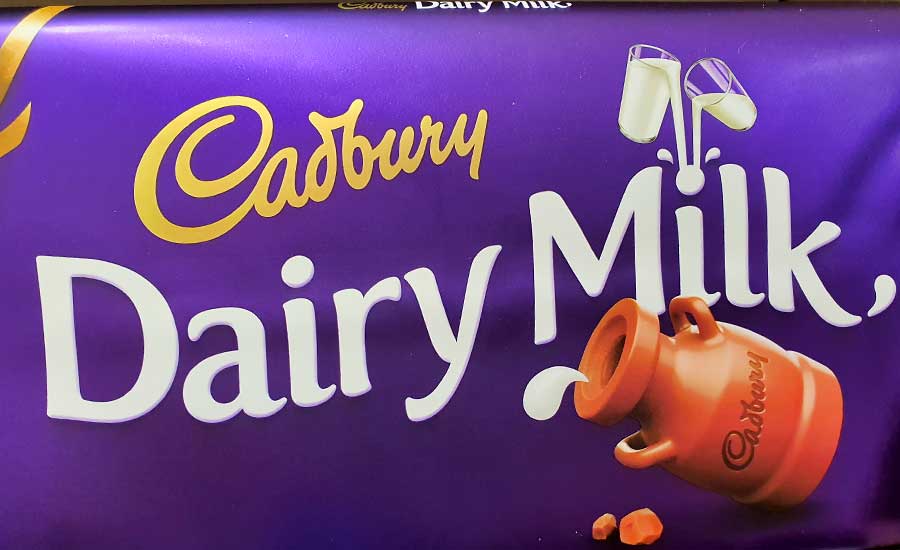
Britain’s favourite chocolate bar
Around 234 million bars of Dairy Milk still come from Bournville each year and Cadbury’s owners Mondelez International have announced a £15 million investment at the Birmingham site, planning to increase production by another 125 million more bars each year from 2022.
Hames produce a range of Best of British Chocolate Bars from their factory in Lincolnshire.

And despite their decision to close their retail shops, you can still buy Thornton’s chocolates online, all made at their factory in Derbyshire.
But for true, UK made chocolate you may have to seek out the smaller, luxury brands.
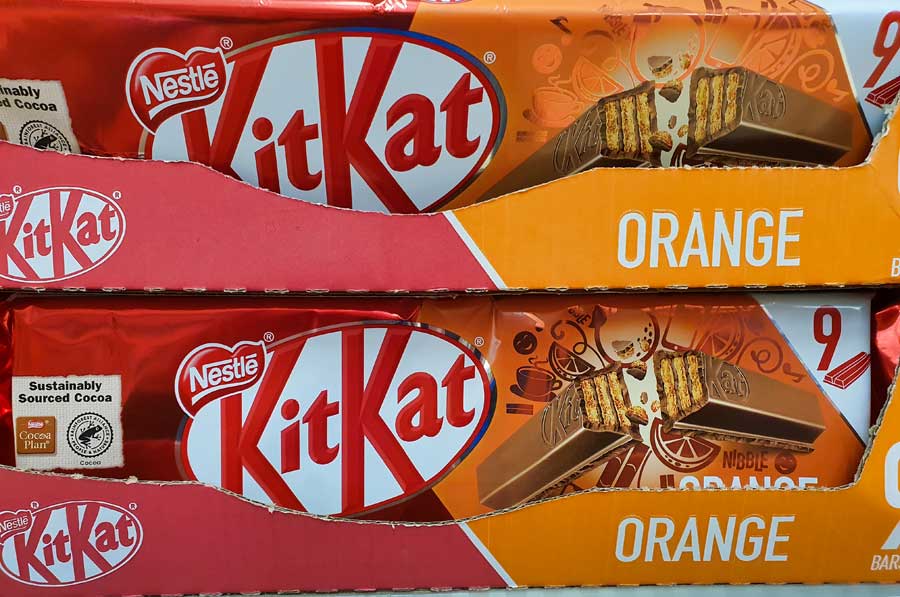
Everyone has a favourite chocolate fix.
According to a YouGov poll in 2021 the three most popular chocs are:
• Maltesers
• Dairy Milk
• Smarties
So what’s yours?
However you chocolate, enjoy World Chocolate Day on 7 July.
Where to next?
• 11 of the UK’s best farmers’ markets
• Audrey’s Chocolates, Hove
• Carnglaze Caverns, Cornwall