
So you’ve completed all the necessary paperwork, braved the airport queues, avoided last minute flight cancellations, dodged the mountain of waiting baggage, and passed through passport and security without a hitch. At long last you’re on your way to the welcoming island of Cyprus, for a week or so of rest, relaxation and fun-in-the-sun.
Well done!
Cyprus has golden sandy beaches, snorkel-worthy seas and beautiful hotel complexes. But there’s a hidden world of Cyprus just waiting to be discovered. So rent a car and buckle up for a Cyprus Road Trip.
• For current entry requirements, see Visit Cyprus website

Renting a car in Cyprus
Hiring a car is easy for UK based travellers – they even drive on the correct side of the road!
Four lane motorways connect the capital, Lefkosia, with the coastal towns of Lemesos, Larnaka, Pafos and Agia Napa.
Minor roads and forest roads are still largely not surfaced, but in good to fair condition.
Most of the time roads are pretty quiet, just avoid the morning commute time, the rush in towns at 1pm when workers leave for lunch and again at 3pm when they return.
On one of our Cyprus visits, we hired an economy car, swiftly nicknamed “The Kia Gutless” for its inability to get out of second gear on any serious incline.
It turned out to be tough enough to get us up the winding road to Stavrovouni Monastery, bounce over rough tracks in the foothills and even tackle fresh-fallen snow in the Troodos mountains.

Follow our tips to make sure you get the best out of holiday car hire.
• How to avoid holiday car rental mistakes
Cyprus has glittering coasts, rolling mountains, fragrant forests and rugged headlands just waiting for you, it’s easy to set your own itinerary.
Here are 7 suggestions for your best ever Cyprus Road Trip
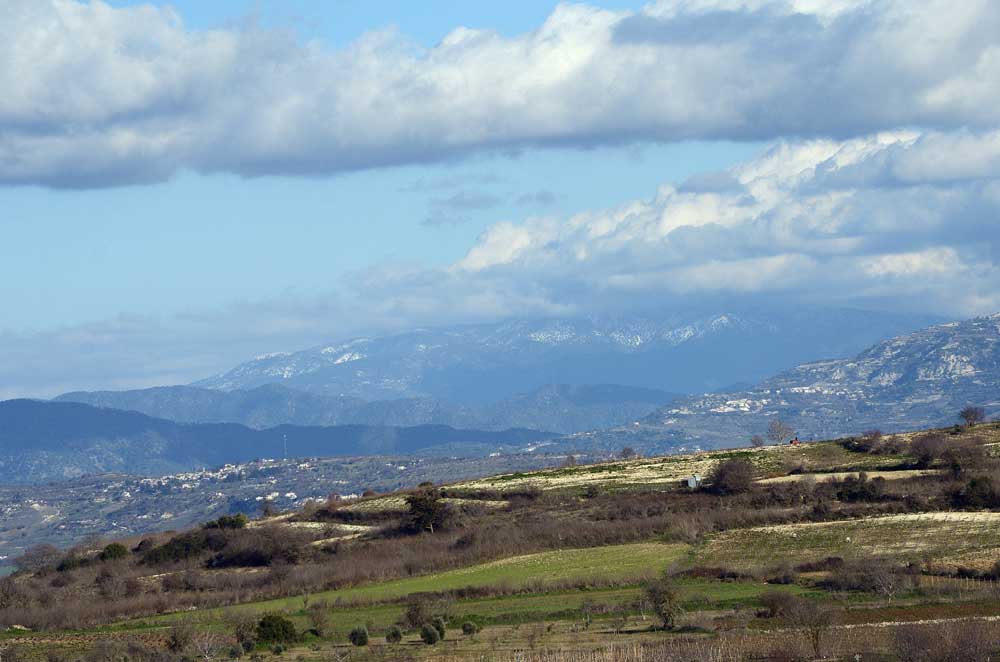
Cyprus history road trip
Almost every major civilization has occupied Cyprus, and they have all left their mark.
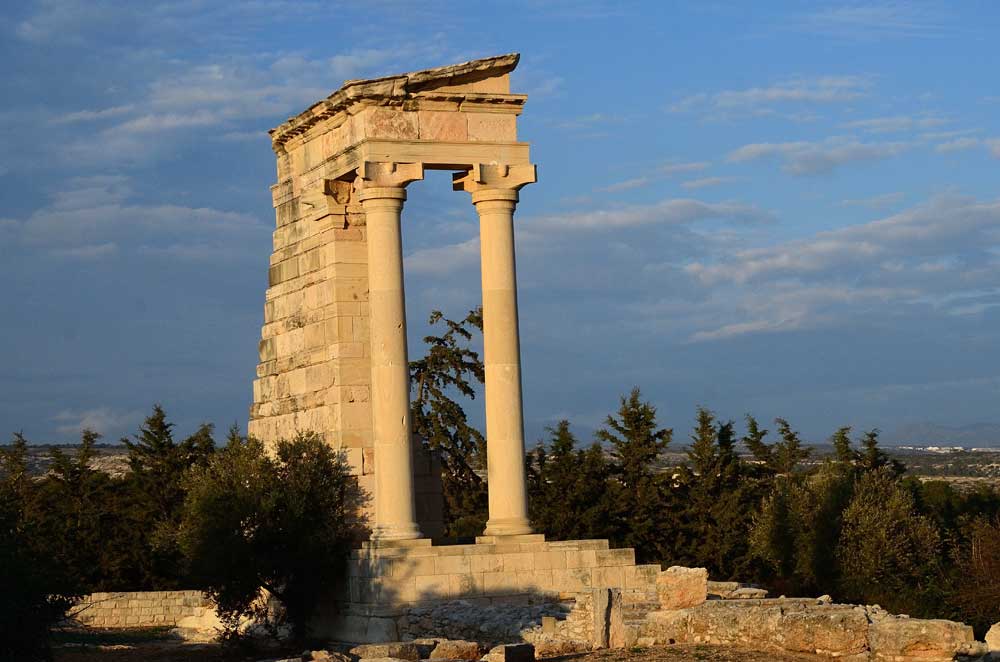
The ancient city of Kiteon near Larnaka shows evidence of the Mycenaean Greeks from the 13th century and the Phoenicians in the 9th, with temples dating back to both these times.
In the hills between Larnaka and Lemesos the Neolithic settlement of Choirokoitia stands proudly on the hillside. The cylindrical stone and mud houses are the earliest permanent human housing on Cyprus.

Kourion is a fascinating ancient hilltop town, buried in a massive earthquake in the fourth century, abandoned and left almost completely undisturbed until the 1930s.
Most visitors only stay long enough to see Eustolios’ House with its well preserved mosaic floors and try out the acoustics in the amphitheatre, then they move on.

But take time to explore, and you will find the huge expanse of the Roman marketplace, the remains of an early Christian basilica, an enormous public bathhouse and more mosaics.
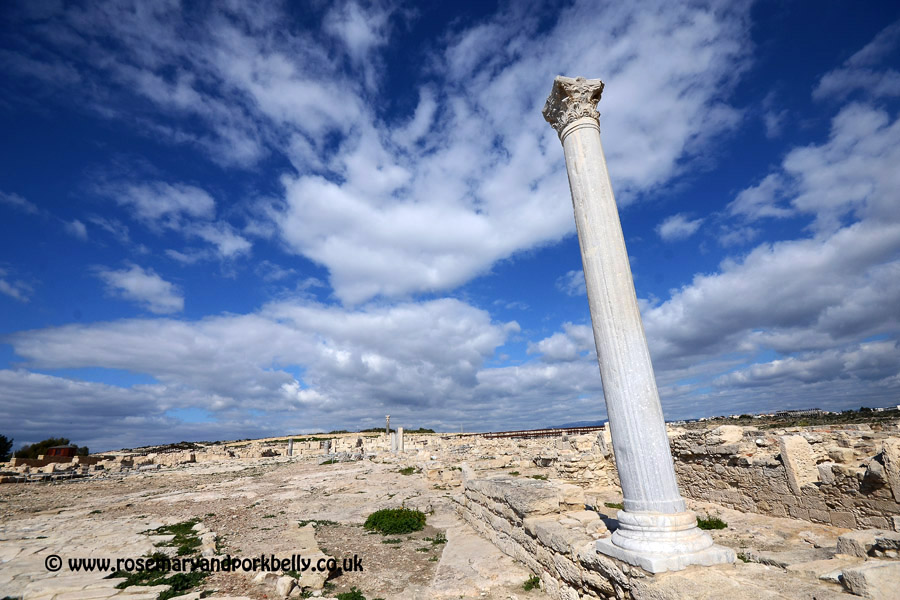
If that doesn’t float your boat, head further west to Paphos, an entire town listed as a UNESCO World Heritage Site, for its world-famous archaeological sites.
The Pafos Mosaics were discovered in 1962, after a farmer ploughing his field accidentally unearthed one of them. You can see them all at the Archaeological Park of Kato Pafos, along with monuments from prehistoric times to the Middle Ages.
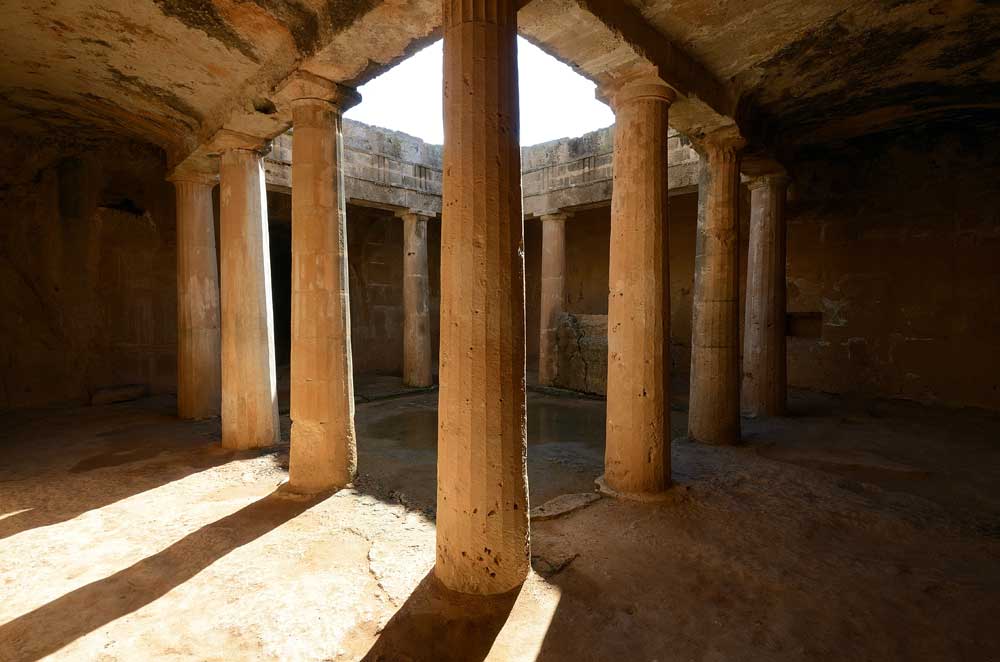
Finally stop at the Tombs of the Kings, which you can wander freely around. Strictly speaking no kings were ever buried here, but it is the final resting place for local dignitaries of the pre-Roman Ptolomeic era when graves were built as a representation of the houses of the living.
It’s very quiet with spectacular views out over the sea.
The Commandaria wine route

This sweet dessert wine is a true taste of Cyprus history, and the route takes you through 14 villages inextricably linked with its production.
The wine dates back to 1192 when the Knights of St. John were garrisoned at ‘La Grande Commanderie’, the place now known as Kolossi. They used the local Mavro (red) and Xynisteri (white) grapes, harvested late to allow them to ripen on the vine.
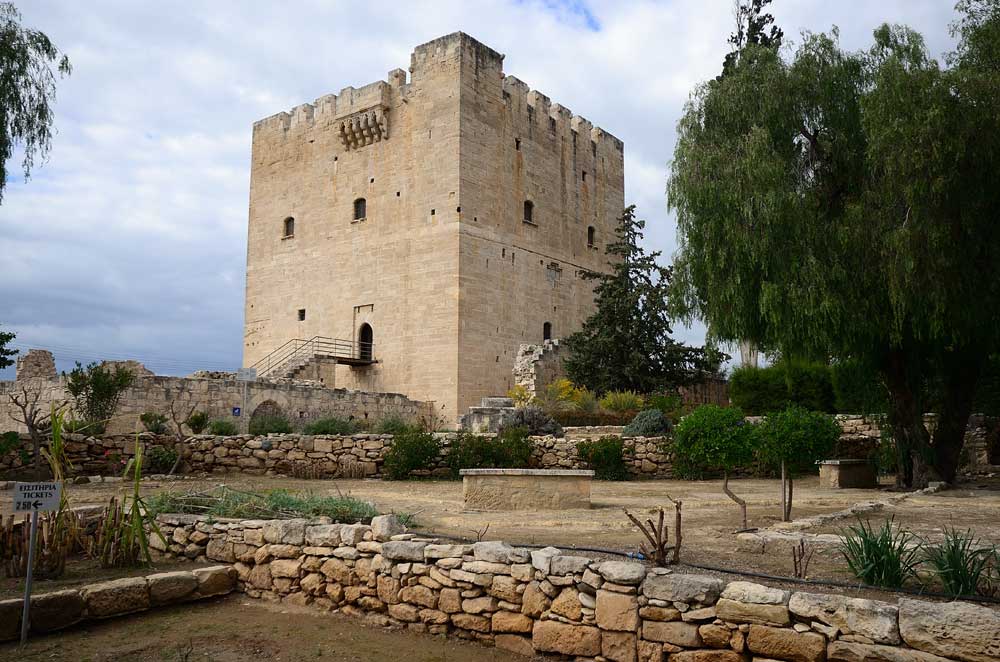
The resulting wine was so highly prized it was served at the 12th century wedding of Richard the Lionheart and Berengaria of Navarre, at Kolossi castle. Richard is said to have declared it ‘the wine of kings and the king of wines’.
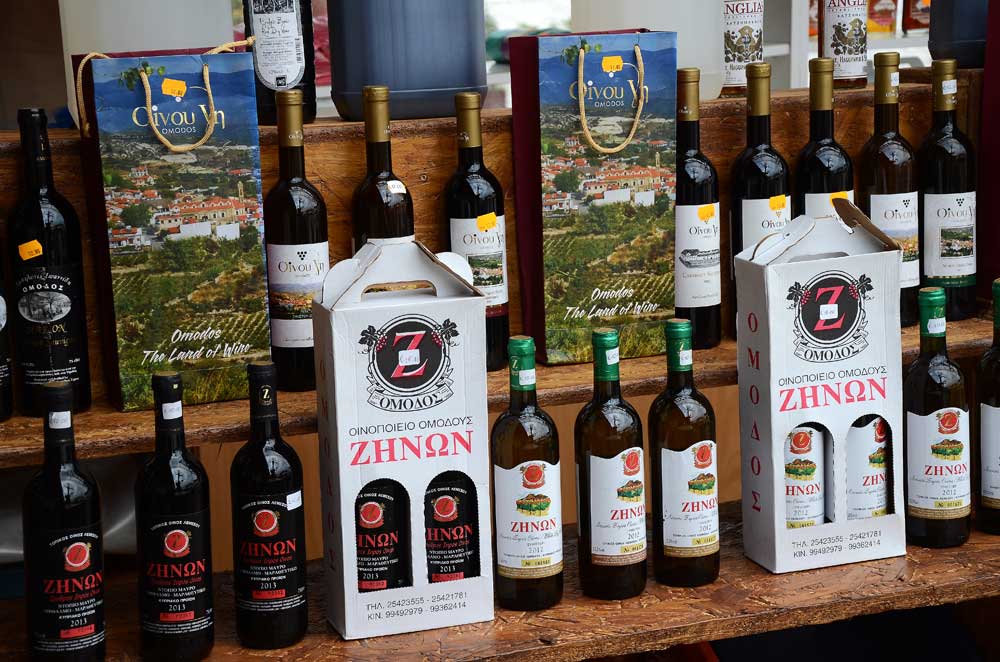
The route runs from Lemesos and winds its way up into the foothills of the Troodos mountains taking in the refurbished wine press of Laneia, before heading back down through Erimi to Kolossi.
On the way don’t miss the Kouris Dam, the biggest in Cyprus, and an important wetland area.
Churches of Cyprus

Not so much a route, more an instruction to stop and look wherever and whenever you can.
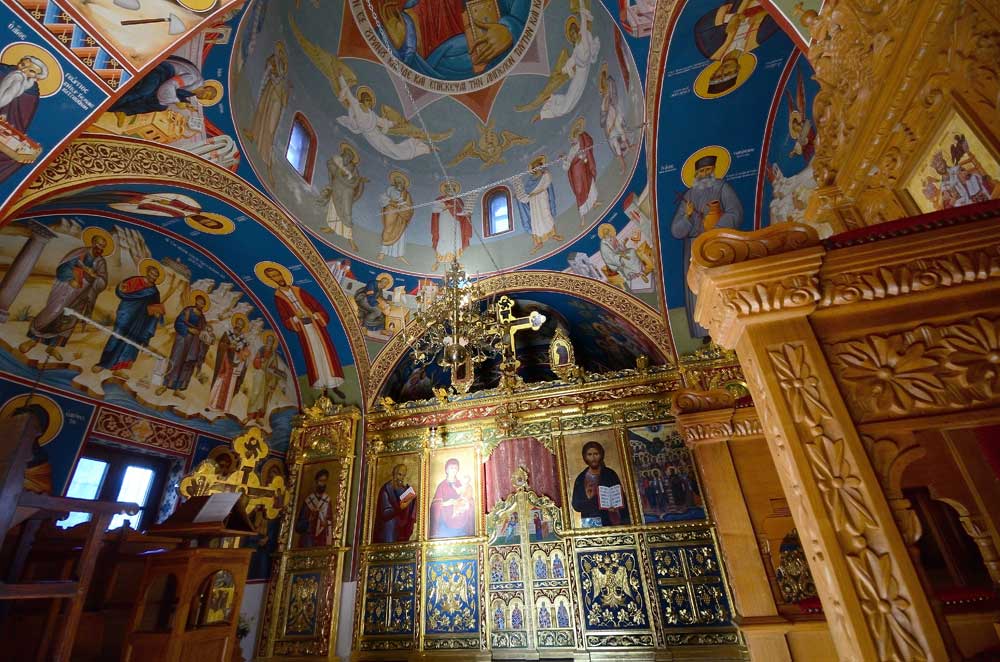
In the Troodos mountains, you’ll find beautiful painted churches from the Byzantine era, revealing the island’s religious heritage through buildings that have remained largely unchanged for centuries.
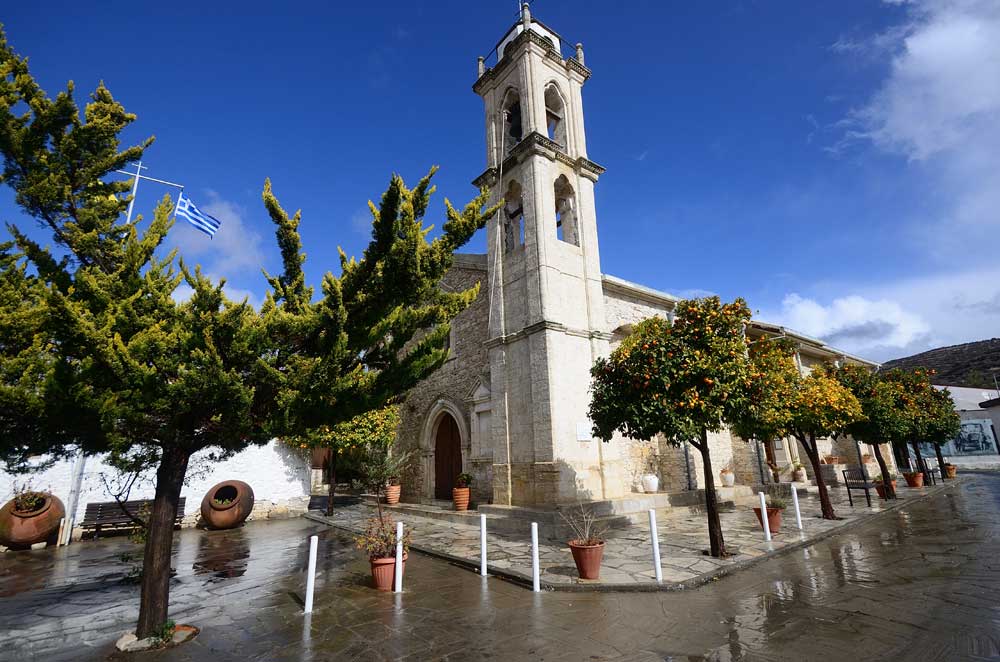
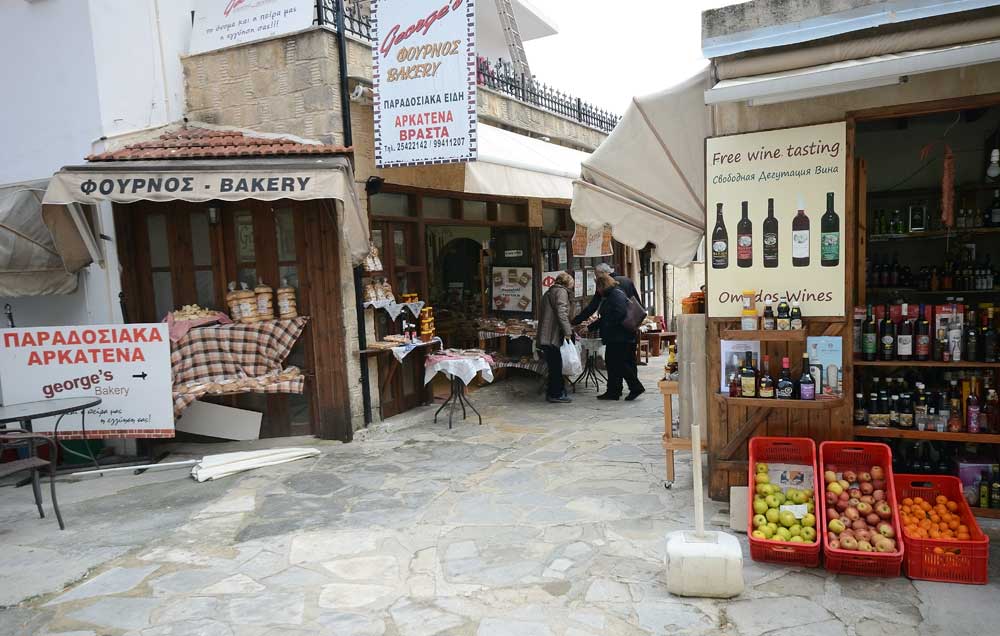
In the mountain village of Omodos, popular with coach trips in high season, you can avoid the crowds that pack the picturesque village square by lingering in and around Timios Stavros Monastery.


And don’t miss the mountain top monastery of the Holy Cross. Stavrovouni is the earliest documented monastery on the island, and it’s been an important religious centre since the 4th century.
The drive up is spectacular and the views from its walls amazing. But note it’s an active place of worship with very strict rules. Women are not allowed in, although everyone can visit the Church of All Saints nearby.

Wildlife of Cyprus
If you’re feeling energetic, abandon the car and take one of the hundreds of cycling or hiking trails across the island. You’ll be rewarded with waterfalls, coves, woodland, winding trails and secluded sandy beaches.
Cyprus is a bird-watcher’s dream, being situated on the migration path between Europe, Asia and Africa.
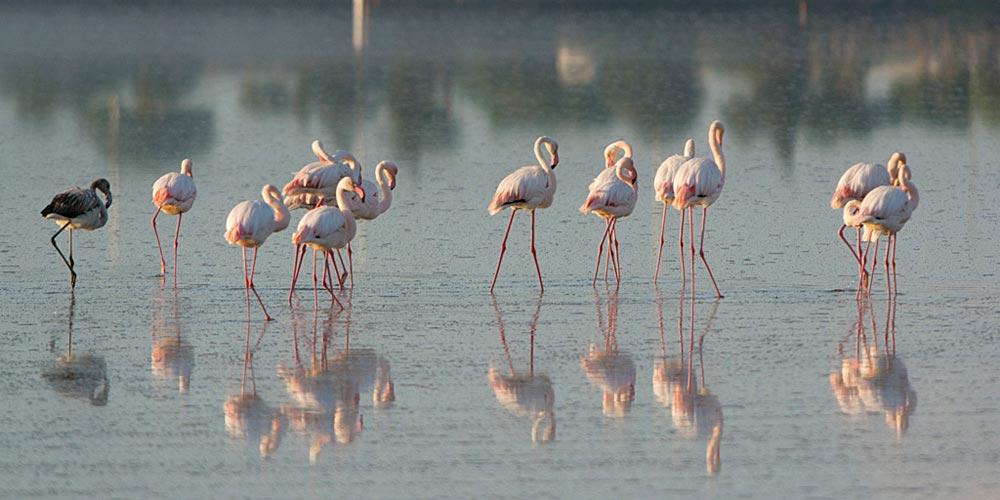
Flocks of flamingos frequent the salt lakes, with around 20,000 greater flamingos spending the colder months near Akrotiri and Larnaka.
They spread out across the middle of the lake, just distant blobs to the naked eye, but through binoculars you might catch flashes of pale rose and striking pink as they take off and land on the vast salt pan.
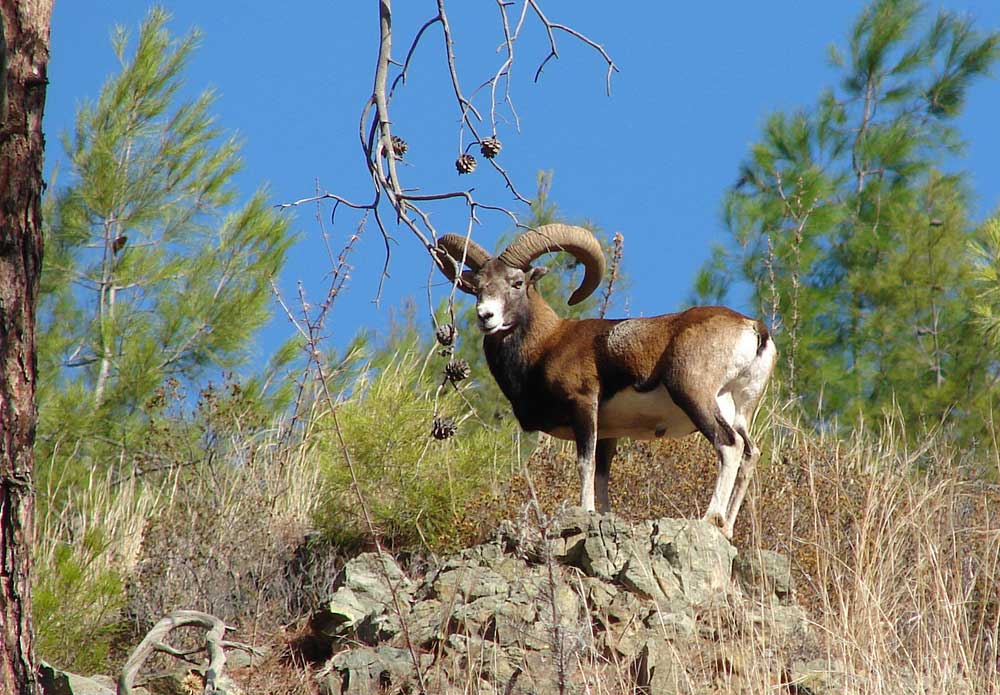
In the forests you might even catch a glimpse of the shy wild sheep, the Mouflon, which is the national animal of Cyprus.
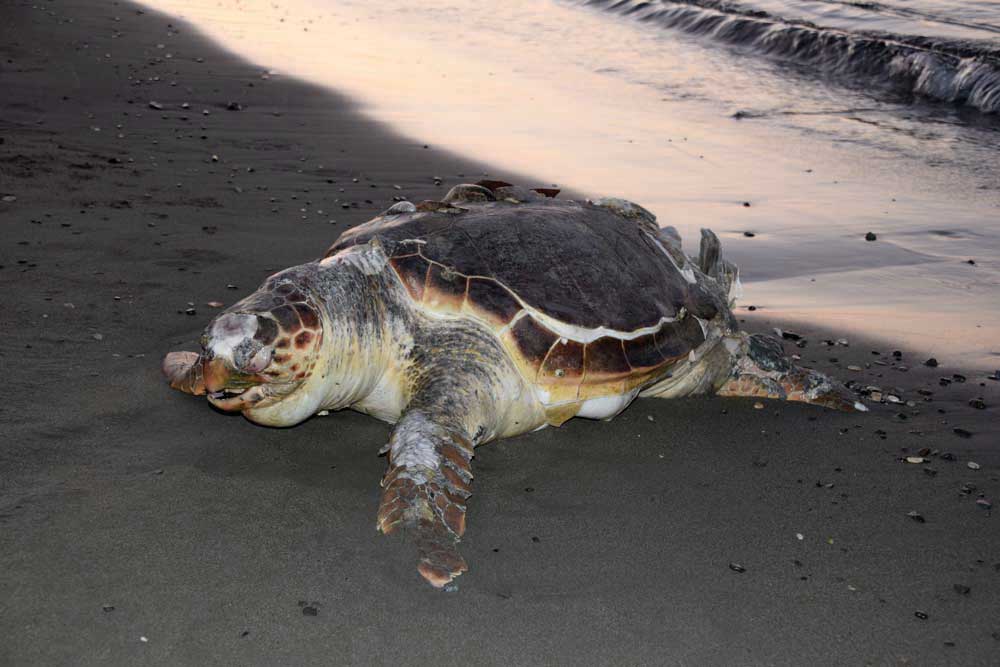
And out in the clear blue waters you’ll find green and loggerhead turtles, seals and dolphins.
Mountain road trip
The Troodos mountains, which are the spine of the island, have a light dusting of snow almost all year round. In winter, there’s enough for a respectable ski run, so driving the winding roads up to the very top can be a bit daunting.
In high season watch out for tour buses, but in winter and early spring you’re likely to have the roads all to yourself.
We were drawn to the area not just because of the spectacular views, but also the mysterious, abandoned Hotel Berengaria in Prodromos.
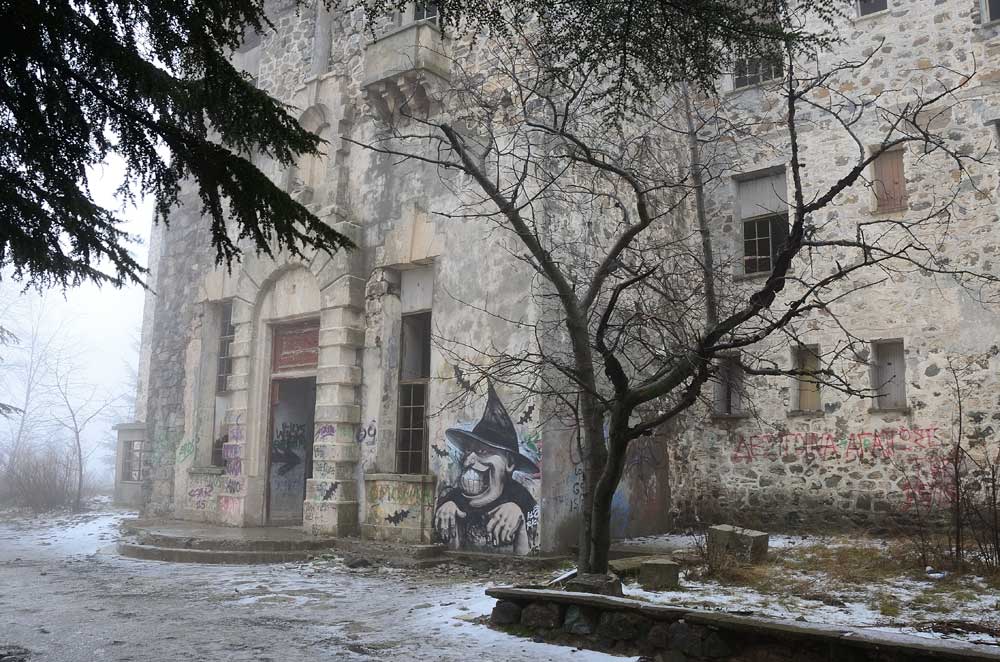
Opened in 1931 it once entertained the rich and famous but closed in 1984 and now stands stony, silent and desolate on the mountainside.
You can imagine elegantly dressed guests ascending the huge stone staircase to dance the night away in the ballroom – now all rotting floorboards and broken balconies.
It’s an eerie place – rumours and stories about its past abound, and it felt very sad and lonely. There are signs warning visitors of the dangers of the long-abandoned site, yet still they come.
Follow Aphrodite’s route of love
Cyprus has always been considered the ‘Island of Aphrodite’, the legendary birthplace of the Goddess of Love and Beauty.
The worship of the goddess has left many traces on the island, taking you from Palaipafos in the Pafos region, the ancient city kingdom of Amathus near Lemesos and Kition, in the Larnaka region.
Then there’s Aphrodite’s Rock, or Petra tou Romiou to give it it’s proper name, on the coast road between Pafos and Lemesos.
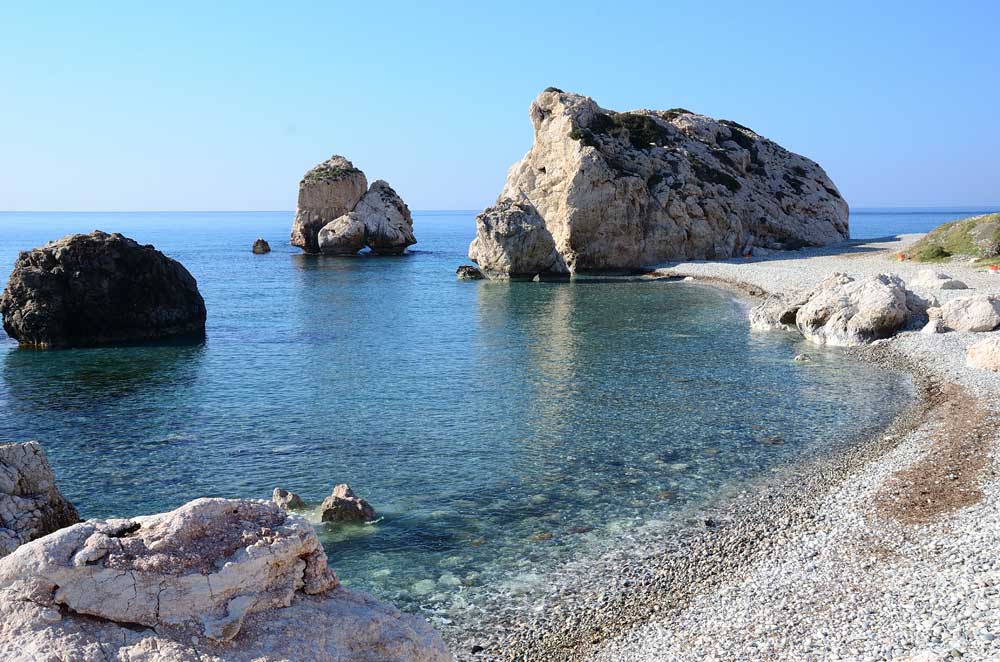
An underground passage leads you from the car park and café to the tiny beach, where you burst out into bright sunshine on the curve of a small bay. Water laps gently on the shore, and the geological anomaly that is The Rock itself rises above the water.
If you’re romantically inclined, you’ll feel the vibe of love and will imagine Aphrodite herself rising from the foam.
In warmer months you may even be tempted to swim round it for yourself (beware of strong currents and make sure you get the right rock), hoping the myth of long life and fertility for all those who brave the waters is true.
Food and drink on the road
Most Cypriot tavernas stay open whatever the season and even in remote villages you’ll be able to pick up drinks and snacks, although don’t expect fancy coffees. We like Cyprus coffee with its dark, earthy flavour (just don’t swig the last of the cup, or you’ll get a mouthful of bitter coffee grounds!) but it’s not to everyone’s taste.

Whilst touring the island we’ve enjoyed a range of meals from simple salads to top quality take-away kebabs, freshly grilled souvlaki, melt-in-the-mouth stifado and fine dining.
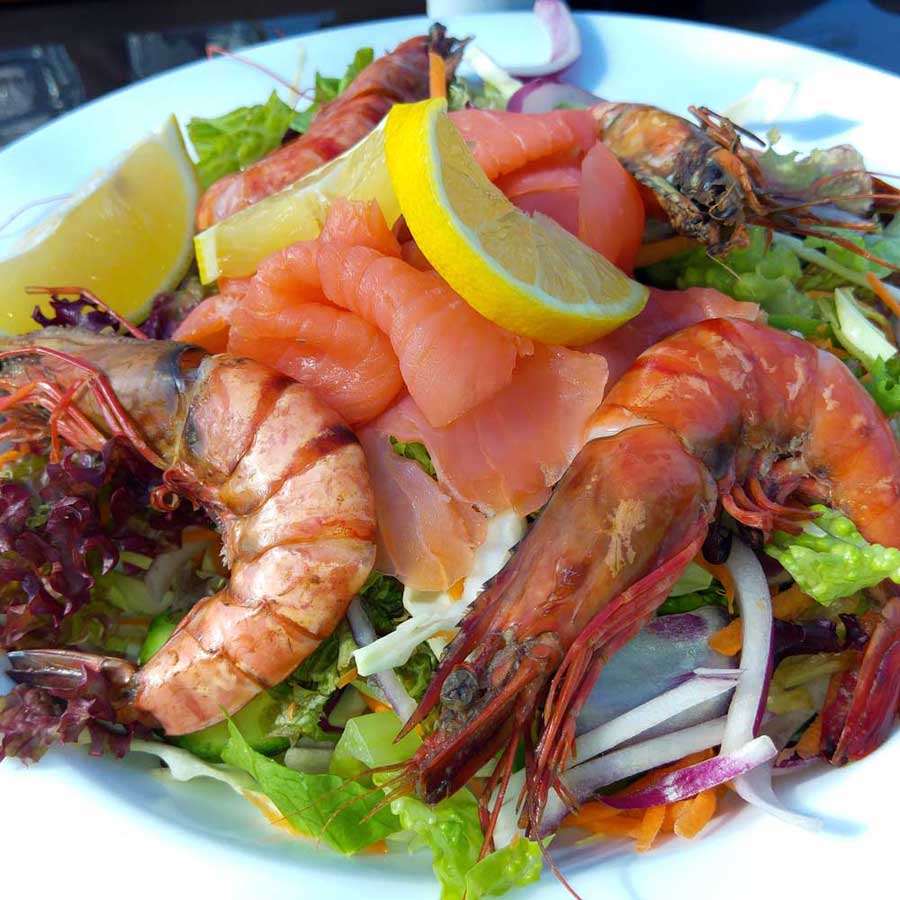
The most fun experience was out of season in Pafos – a simple meal at the Kings of Aphrodite traditional taverna, freshly cooked and very tasty.
As the evening wore on the place began to fill with locals and before long musicians had struck up and the diners were dancing and singing along to all their favourite hits, demonstrating extreme moves on the tiny dance-floor.
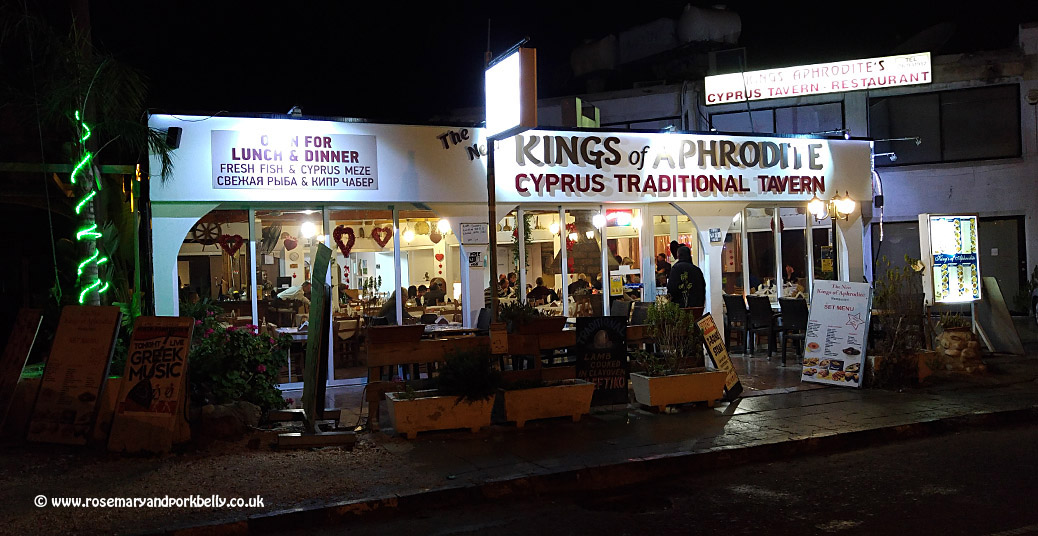
This was no staged event for tourists, but simply a great Saturday night out in Cyprus.
Staying in Cyprus
We’re lucky to have friends in Cyprus whose open-door policy makes it a breeze!
But if you aren’t as fortunate as us, there’s a huge range of places to stay, from exclusive resorts to simple self-catering apartments.
More information about Cyprus
To discover more about Cyprus and help plan your trip, start with the Visit Cyprus website
Where next?
• Cyprus in spring
• Holiday & Travel Competitions
• Haunted Hotels in Massachusetts
We are a family run dive centre in Cyprus, we love your content!
Thank you, We like visiting Cyprus – haven’t tried diving or snorkelling ourselves but we’re told the waters are perfect for it.